
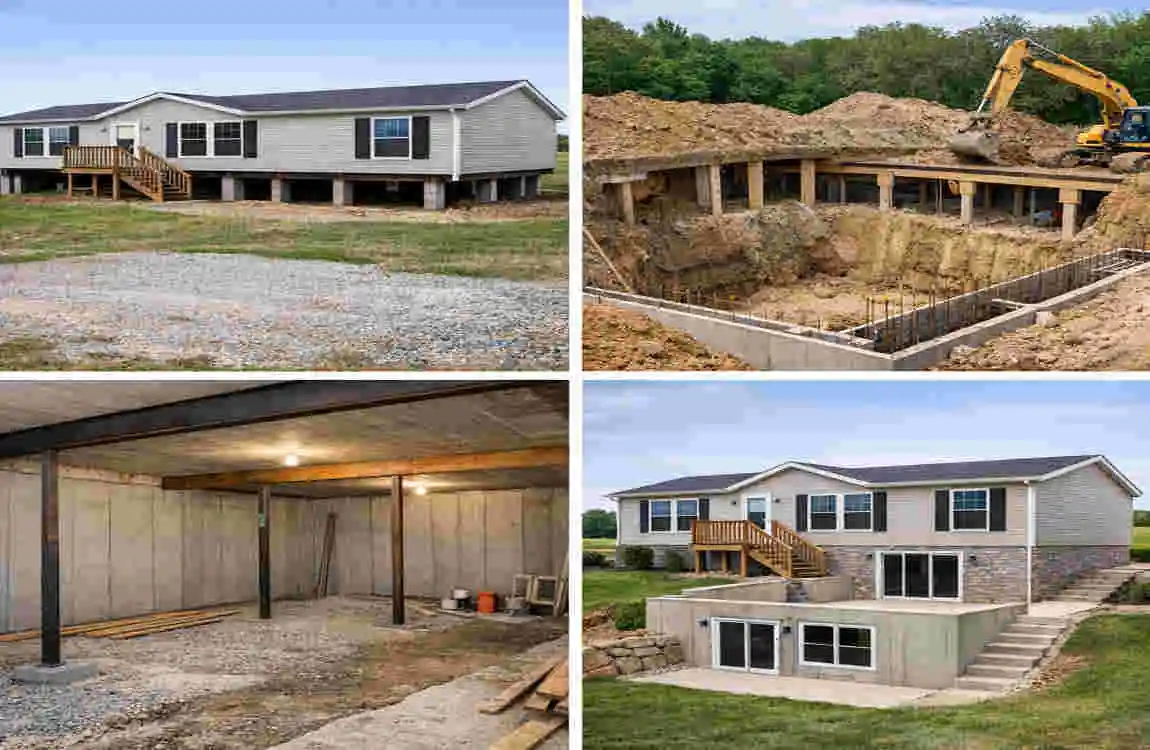
Many homeowners ask, can you add a basement to a manufactured home, and the answer is yes, in some cases. It depends on the home’s structure, the soil, the local building codes, and whether the home can safely be built on a basement foundation.
A basement can give you more living space, better storage, and even higher property value. It can also make the home feel more comfortable and practical. But this is not a simple upgrade. It takes planning, permits, engineering, and proper construction.
If you are thinking about this project, it helps to understand the cost, benefits, steps, and limits before you start. That way, you can make a smart choice for your home and budget.
Can You Add a Basement to a Manufactured Home?
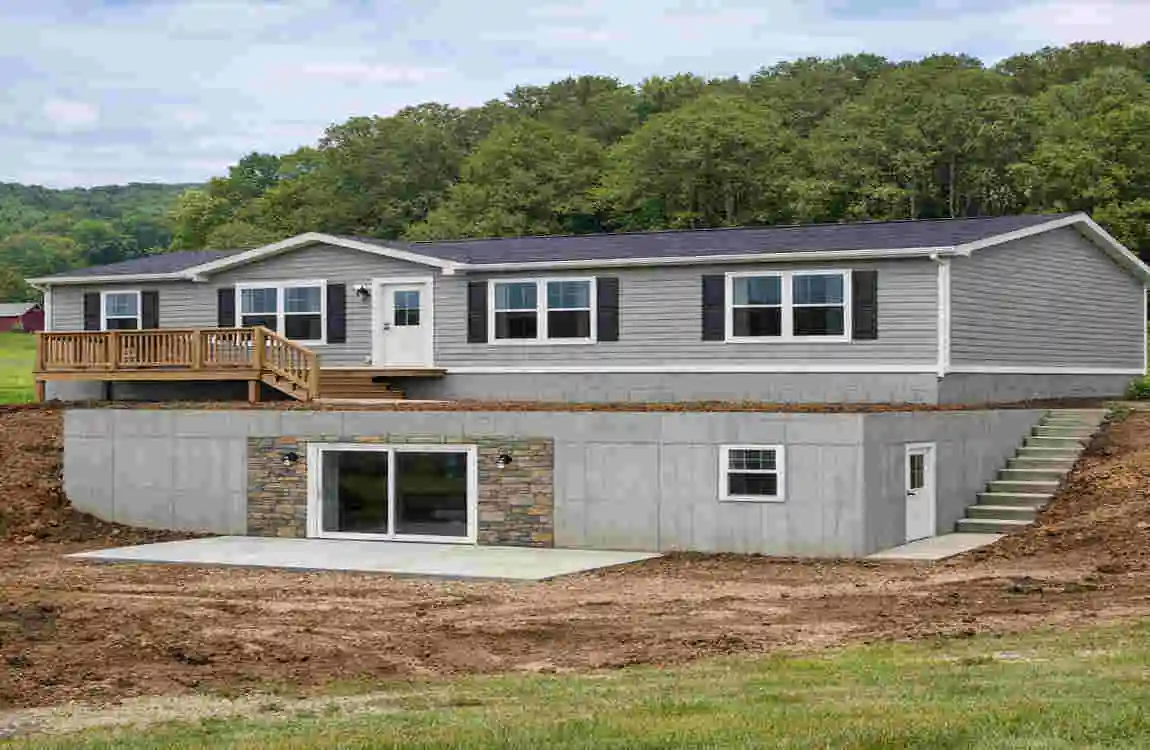
Yes, some manufactured homes can have basements, but not every home is built for it. The biggest factor is whether the home can safely rest on a permanent foundation. Some homes sit on piers or temporary supports, while others are built on a more solid foundation.
A basement is usually easier to plan before the home is installed. Adding one later is possible, but it is more complicated because the home may need to be lifted or supported while the basement is built.
Is a Basement Possible Under a Manufactured Home?
A basement can work as the foundation for a manufactured home when the home and site are suitable. The structure must accommodate the new foundation setup, and the basement must comply with local code requirements.
In simple terms, the home needs to be stable, the land must allow excavation, and the foundation must be designed to safely carry the load.
Factors That Determine Basement Feasibility
A few key things affect whether this project is possible:
- Soil conditions — Some soil types are easier and safer to build on than others.
- Climate and frost depth — Cold areas may need deeper foundations.
- Home weight and structure — The home must be strong enough for the setup.
- Building codes — Local rules may allow or limit basement construction.
- Manufacturer guidelines — The home maker may have foundation requirements.
Benefits of Adding a Basement to a Manufactured Home
A basement can be a major upgrade when it is done well. It adds useful space and can improve how you live in your home every day.
Creates Additional Living Space
One of the biggest benefits is the extra space. You can use a basement for:
- A bedroom
- A family room
- A home office
- A playroom
- An entertainment area
This gives you more flexibility without needing to move to a bigger home.
Increases Home Value
A basement can make your home more attractive to future buyers. It adds usable square footage and makes the property stand out.
A finished basement often gives the home a more complete and valuable feel. Even an unfinished basement can still add strong storage and utility value.
Provides Extra Storage Space
If your home feels crowded, a basement can help a lot. You can store:
- Seasonal decorations
- Tools
- Sports gear
- Household items
- Extra furniture
This helps keep the main living area cleaner and more open.
Improves Energy Efficiency
A basement foundation can also help with temperature control. In some homes, it may reduce heat loss and make the home feel more stable in hot or cold weather. Good insulation and waterproofing are important here.
Types of Basement Foundations for Manufactured Homes
There are a few foundation styles to think about. Each one has different costs, benefits, and limits.
Foundation Type Benefits Drawbacks
Poured Concrete Strong and durable Higher cost
Concrete Block Common and often more affordable May need more maintenance
Crawl Space Lower expense Less usable space
Full Basement Foundation
A full basement gives you the most room. It can become a true lower level of the house, not just storage space.
This option offers the most value and flexibility, but it is also the most expensive and involved.
Partial Basement
A partial basement covers only part of the home. It can be a good choice if you want storage or utility space but do not need a full lower level.
This may be a more practical middle-ground option for some homeowners.
Crawl Space Conversion
A crawl space is not a full basement, but it can still improve access and support. It usually costs less and is easier to build than a full basement.
The downside is that it offers little usable space.
How Much Does It Cost to Add a Basement to a Manufactured Home?
The cost can vary a lot. The size of the basement, the soil, the labor, and the finish level all affect the final price.
Estimated Cost Breakdown
Project Component Estimated Cost Range
Excavation $2,000–$10,000
Concrete Foundation $10,000–$30,000
Waterproofing $1,000–$5,000
Plumbing/Electrical $2,000–$10,000
Finishing Basement $10,000+
Factors That Increase Basement Costs
Some things can make the project more expensive:
- Hard or rocky soil
- Sloped land
- Moving or lifting an existing home
- Adding plumbing or electrical systems
- High-end interior finishes
In many cases, the basement itself is only part of the total cost. Support work, permits, and finishing can add up quickly.
Steps to Add a Basement Under a Manufactured Home
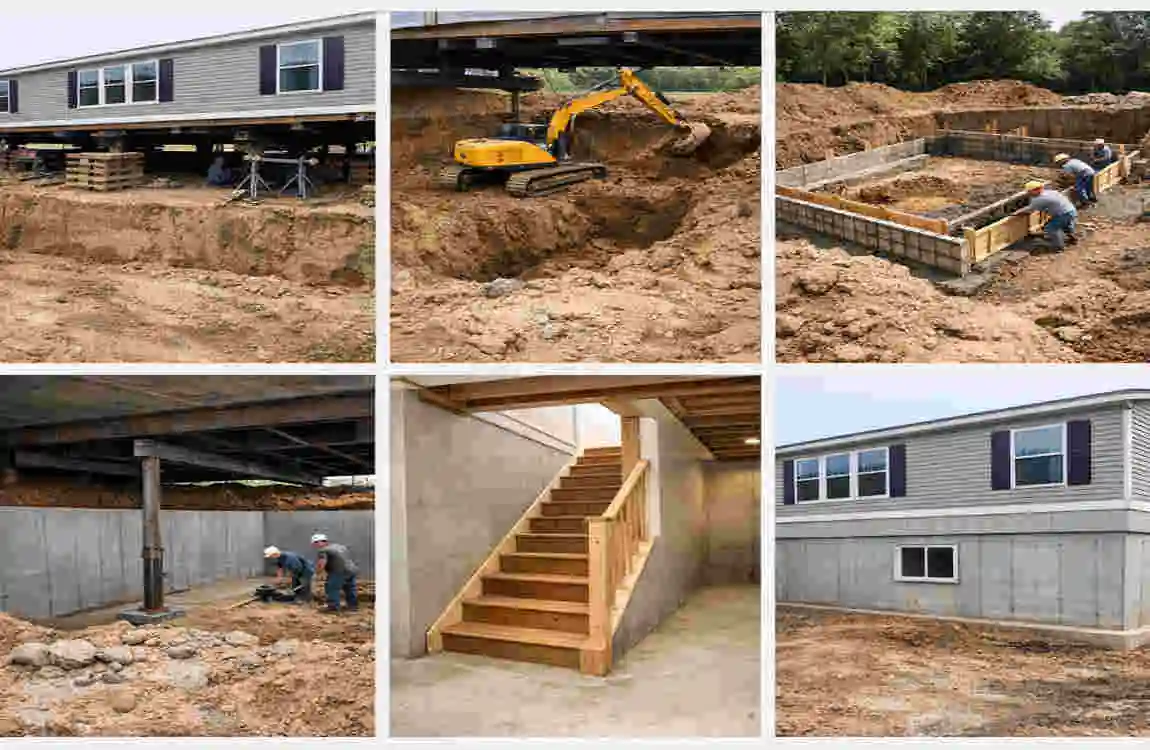
This type of project should be done carefully. A safe basement depends on proper planning and professional work.
Check Local Building Regulations
Start by checking your local rules. You may need permits, inspections, and zoning approval before you begin.
This step matters because every area has different foundation and safety requirements.
Hire a Structural Engineer
A structural engineer can assess whether the home can safely be built on a basement foundation. This is important because a manufactured home must be supported correctly during and after construction.
An engineer helps prevent future problems like settling, cracking, or shifting.
Prepare and Support the Home
The home may need to be lifted or held in place with temporary supports while the basement is being built beneath it.
This part must be handled with great care. Safety is very important here.
Excavation and Foundation Installation
After the site is ready, the crew digs out the basement area. Then they install footings, build the walls, and add waterproofing.
This is one of the most important stages because it creates the base for the entire project.
Connect Utilities and Finish the Basement
Once the structure is done, you can connect the electrical and plumbing systems. After that, you can add insulation, flooring, walls, and other finishing work.
This is the stage where the basement starts to feel like a real part of the home.
Challenges of Adding a Basement to a Manufactured Home
This project has real benefits, but it also comes with challenges.
Structural Limitations
Not every manufactured home is designed for a basement. Some homes may need major reinforcement before the work can begin.
Water and Moisture Problems
Basements must be protected from leaks, drainage issues, and mold. Waterproofing and good drainage are very important.
Higher Construction Costs
Because this project involves digging, support work, and foundation construction, it can become expensive fast.
Permit and Code Issues
Local codes can make or break the project. You must get approval before you build.
Can You Add a Basement to an Existing Manufactured Home?
Yes, but it is more difficult than doing it before the home is installed.
If the home is already set on piers or blocks, the home may need to be lifted. That makes the project more complex and costly.
Best time to add a basement: before placing the manufactured home on the property.
Harder situation: an existing home that is already installed.
Alternatives to Adding a Basement
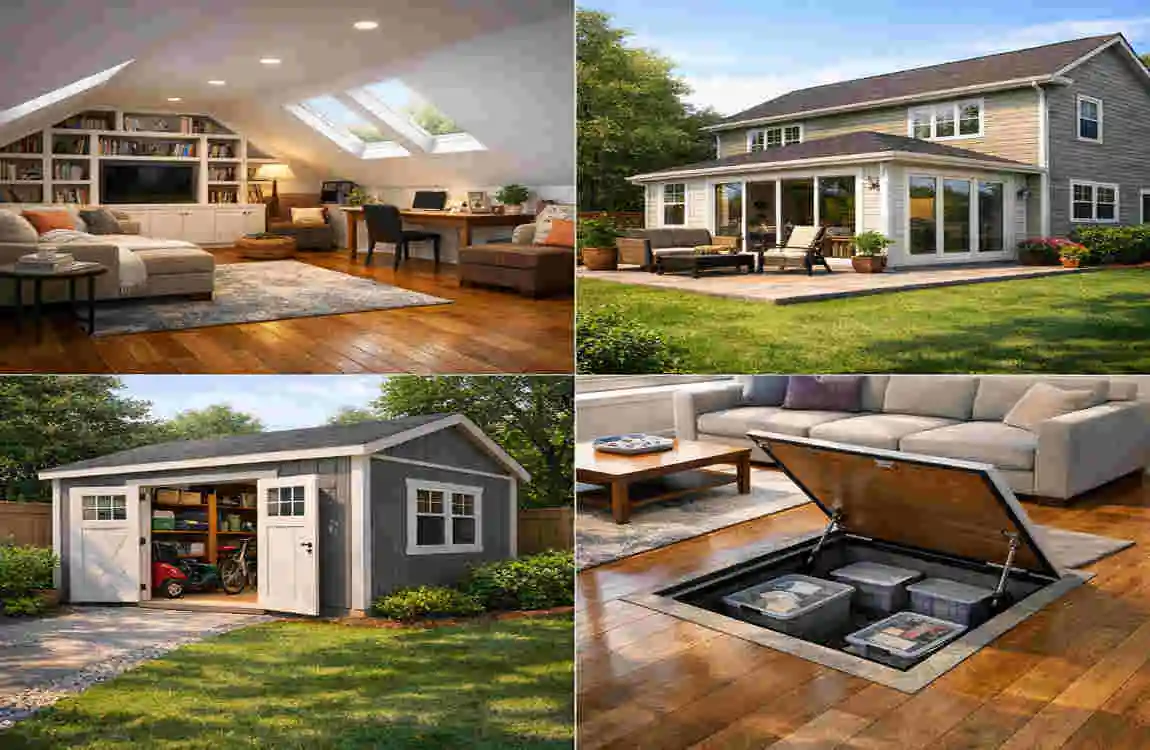
If a basement does not fit your budget or property, you still have other choices.
Add a Room Addition
You can build an extra bedroom, office, or family room beside the home.
Build a Detached Storage Building
This is often cheaper and easier to approve than a basement project.
Install a Crawl Space
A crawl space can improve the foundation without the cost of a full basement.
Add an Above-Ground Addition
This avoids excavation and may be simpler to build.
Important Things to Consider Before Starting
Before you begin, take time to review the full picture.
Is Adding a Basement Worth It for a Manufactured Home?
For many homeowners, it can be worth it. A basement offers more space, better storage, and potential gains in value.
But it also costs a lot and takes time. You should compare the basement option with other upgrades before deciding.
If your budget is strong and your property is a good fit, the basement can be a smart long-term investment.
Frequently Asked Questions
Q: Can you add a basement to a manufactured home?
Yes, a basement can be added to some manufactured homes if the structure, foundation design, and local regulations allow it.
Q: How much does it cost to add a basement under a manufactured home?
The cost can range from thousands to tens of thousands of dollars depending on size, materials, labor, and site conditions.
Q: Is it easier to add a basement before installing a manufactured home?
Yes, that is usually easier and more affordable.
Q: Does a basement increase manufactured home value?
Yes, especially if the basement is finished and adds useful living space.
Q: Can every manufactured home have a basement?
No. Some homes are not designed for that kind of foundation.
Q: Do I need a permit to add a basement to a manufactured home?
Yes, most places require permits and inspections before construction.
| Topic | Information |
|---|---|
| Can You Add a Basement? | Yes, a basement can be added to some manufactured homes, but it requires careful planning, engineering approval, and proper installation. |
| Main Requirement | The home must be strong enough to support the new foundation, and local building codes must allow the modification. |
| Best Time to Add a Basement | Adding a basement during the initial installation of a manufactured home is usually easier and more affordable than adding one later. |
| Installation Process | The home is lifted, the basement foundation is excavated and built, then the manufactured home is placed on the new basement structure. |
| Cost Estimate | A manufactured home basement addition can cost around $20,000–$50,000+, depending on size, location, soil conditions, and materials. |
| Benefits | Provides extra living space, increases home value, improves storage, and can offer better protection during severe weather. |
