
Electrical rewiring is one of the most crucial aspects of maintaining a safe and functional home. Yet, for many homeowners, the question remains: “Will insurance pay to rewire my house?” This is a valid concern because rewiring a house can be costly, and understanding whether your homeowner’s insurance will cover the expense is essential.
Understanding Home Insurance and Electrical Rewiring
What Do Typical Home Insurance Policies Cover?
Home insurance policies are designed to protect you financially from unexpected events that cause damage to your property. In terms of electrical systems, most policies provide coverage for sudden and accidental damage, such as a fire or a storm impacting your wiring. However, they do not typically cover routine maintenance or upgrades.
For example:
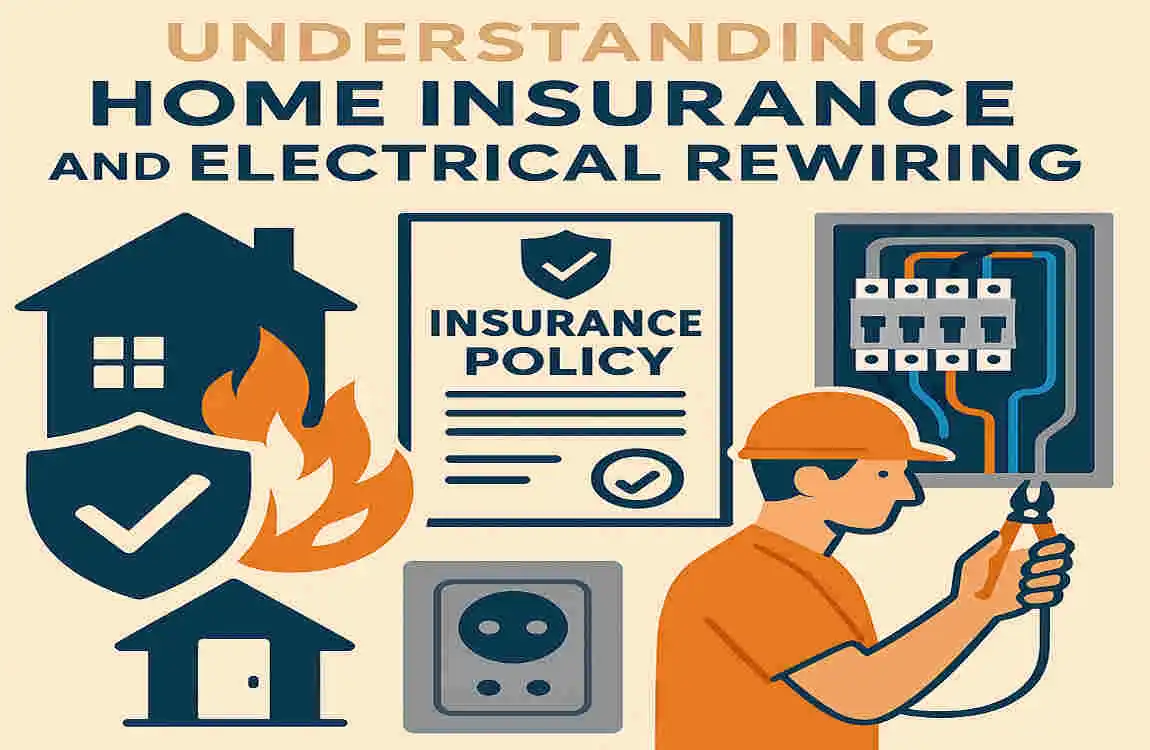
- Covered: Electrical damage due to a house fire.
- Not covered: Rewiring an outdated electrical system as part of home upgrades.
Damage-Related Rewiring vs. Routine Maintenance
A key distinction in insurance terms is between damage-related rewiring and routine maintenance or upgrades. Insurance will generally step in when the damage is caused by a covered peril (such as fire, flood, or storm damage). On the other hand, replacing old or unsafe wiring as part of regular maintenance or to bring your home up to code is considered the homeowner’s responsibility.
What Does “Sudden and Accidental Damage” Mean?
The phrase “sudden and accidental damage” is typical in insurance policies. It means the damage must occur unexpectedly, not as a result of ongoing issues such as wear and tear or neglect. For instance:
- Covered: A tree falls on your home during a storm, damaging the electrical system.
- Not covered: Wiring deteriorates over time.
When Will Insurance Pay to Rewire Your House?
Now that we understand the basics, let’s focus on specific scenarios where insurance may cover the cost of rewiring.
Scenarios Where Insurance Likely Covers Rewiring
- Fire Damage
- If a fire damages your home’s electrical system, your insurance will likely cover the cost of rewiring. Fire is a standard peril included in most policies.
- Storm or Flood Damage
- Extreme weather events, such as hurricanes, floods, or lightning strikes, can cause electrical damage. If your policy covers these perils, the costs of rewiring might be included.
- Accidental Damage
- Accidental damage, such as a contractor cutting through your wiring during renovations, may be covered under your policy.
Importance of Policy Specifics
Every insurance policy is different. Some may include additional coverages or exclusions for electrical work. Always read your policy carefully, or consult your insurance agent, to understand what is and isn’t covered.
Specialist vs. Standard Insurance Policies
Some specialist home insurance policies are tailored for older homes or properties with unique risks. These policies may provide broader coverage for rewiring or upgrades that standard policies typically exclude.
Standard Exclusions and Limitations in Coverage
Insurance policies come with exclusions, and understanding them is crucial to avoid surprises when you file a claim.
Routine Maintenance and Wear-and-Tear
Routine maintenance, such as replacing old wiring that has degraded over time, is generally not covered. Insurance companies expect homeowners to address such issues proactively.
Upgrades or Rewiring Due to Outdated Systems
If you choose to rewire your home to upgrade an outdated system or meet modern building codes, this is considered a home improvement and not an insurable event.
Wiring Problems Caused by Neglect
If the damage to your electrical system is a result of poor maintenance, neglect, or improper DIY work, your claim will likely be denied. Regular inspections and professional repairs can help you stay compliant.
Examples of Typical Exclusions
Here are some standard exclusions homeowners might encounter:
- Aluminum wiring replacement due to safety concerns.
- Rewiring to upgrade amperage (e.g., from 100 amps to 200 amps).
- Repairs after pest damage are not covered unless explicitly covered.
How to Check and Understand Your Insurance Policy
Understanding your policy can make all the difference when filing a claim for rewiring expenses.
Key Terms to Look for in Your Policy
When reviewing your policy, pay attention to the following:
- Perils covered: Fire, storms, or accidental damage.
- Exclusions: Check for clauses related to maintenance or upgrades.
- Endorsements: Optional add-ons that extend coverage, such as for electrical upgrades.
Tips for Communicating with Your Insurance Agent
- Ask specific questions: For example, “Does my policy cover rewiring after fire damage?”
- Request clarification: Policies can be full of jargon, so don’t hesitate to ask for plain-language explanations.
- Inquire about endorsements: Some insurers offer optional riders that can broaden your coverage.
Cost Factors Involved in Rewiring Your House
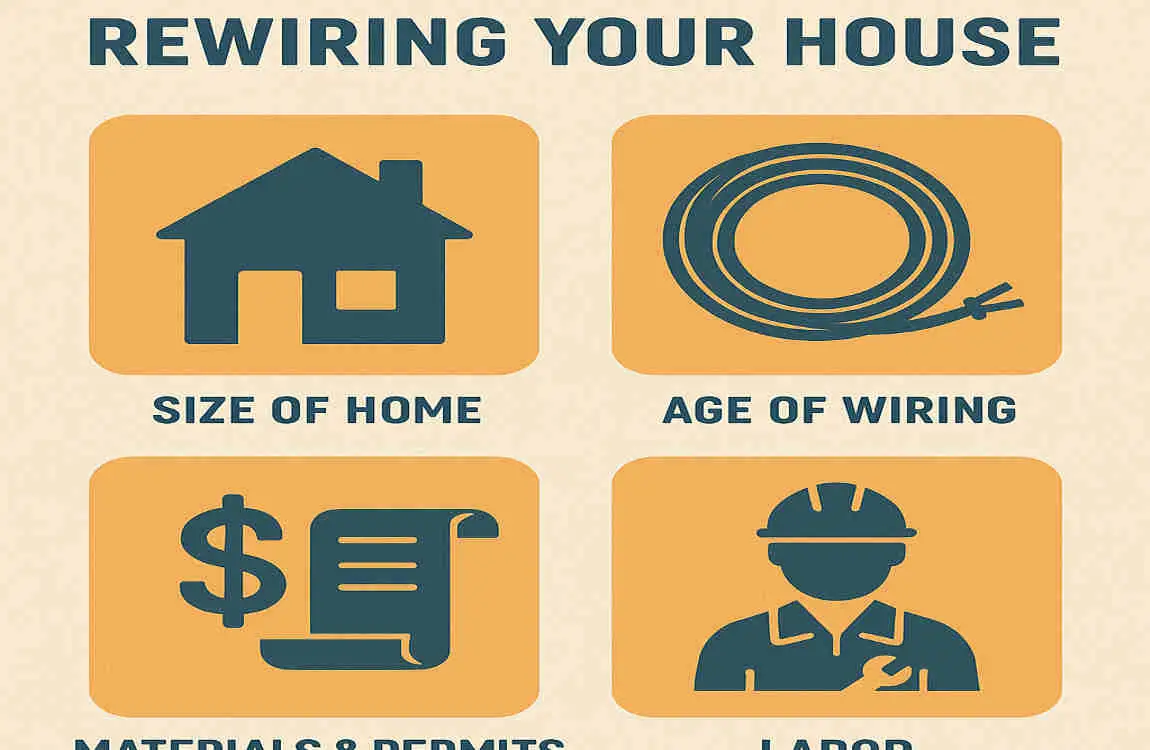
Rewiring a house is a significant undertaking, and understanding the associated costs can help you plan better.
Average Costs of Rewiring
On average, rewiring a typical home can cost between $3,000 and $10,000, depending on factors such as house size, wiring complexity, and labor rates.
Additional Expenses to Consider
- Permits and compliance certificates: These are often required by local authorities.
- Upgrades: Adding safety switches, new outlets, or circuit breakers can add to the cost.
- Hidden issues: Unexpected repairs, such as replacing damaged drywall, may increase expenses.
Cost-Saving Tips for Homeowners
Rewiring your house doesn’t have to break the bank. Here are some practical tips to save money:
- Schedule Regular Inspections
- Regular electrical maintenance can prevent costly damage and ensure your wiring stays in good condition.
- Install Safety Devices
- Installing smoke detectors, surge protectors, and similar devices may qualify you for insurance discounts.
- Consider Insurance Endorsements
- Optional add-ons for electrical upgrades can save you money in the long run.
- Compare Quotes
- Get multiple estimates from licensed electricians and select one who is experienced with insurance claims.
Steps to Take if You Need to File an Insurance Claim for Rewiring
If your home’s electrical system is damaged, follow these steps to file a claim:
- Document the Damage
- Take photos or videos of the damage and keep any receipts for emergency repairs.
- Contact Your Insurance Company
- Notify your insurer promptly and provide all necessary information.
- Work with Professionals
- Hire licensed electricians and work closely with the insurance adjuster to ensure all repairs are adequately documented.
- Understand Timelines and Limits
- Be aware of your policy’s claim-filing deadlines and any reimbursement limits for rewiring.
