
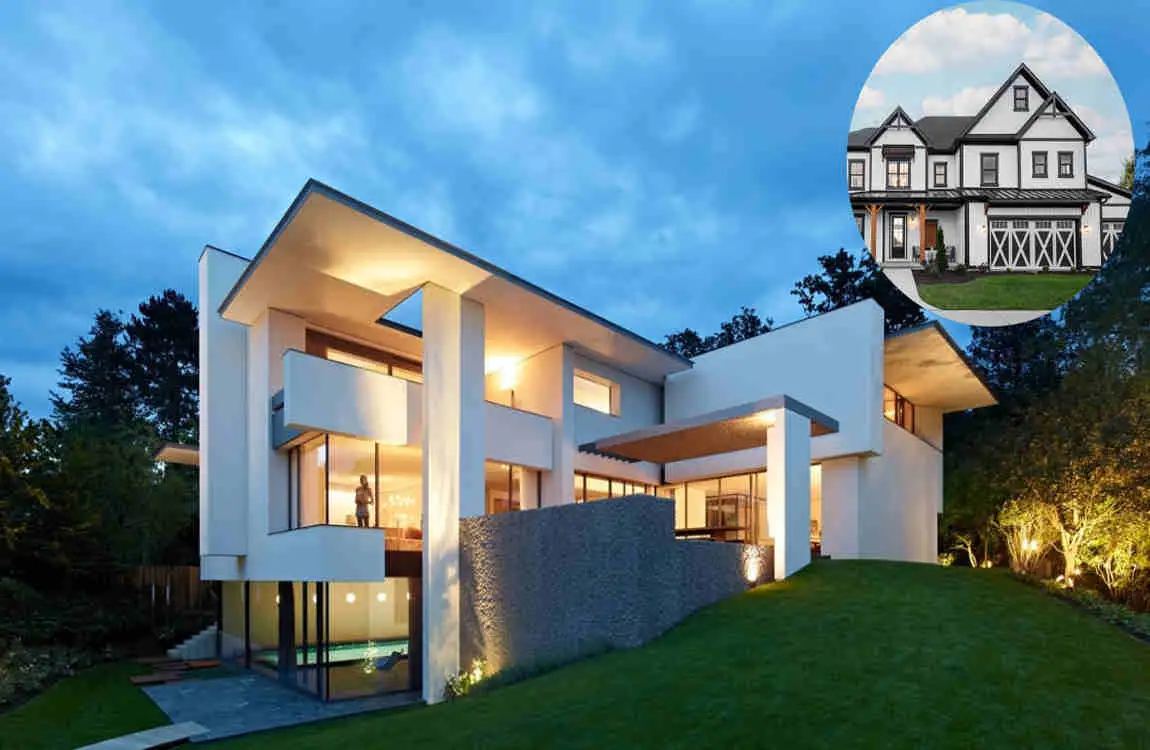
Have you noticed how residential neighborhoods are slowly transforming? You drive down a street and suddenly spot a sleek, stunning house with giant windows and crisp lines that stands out from the rest. This growing popularity makes many of us pause and wonder exactly what a modern home is, and why people love them so much.
Today, people are moving away from dark, segmented rooms and leaning toward bright, airy spaces that breathe life into their daily routines. We want homes that work for us, not the other way around.
What Is a Modern Home?
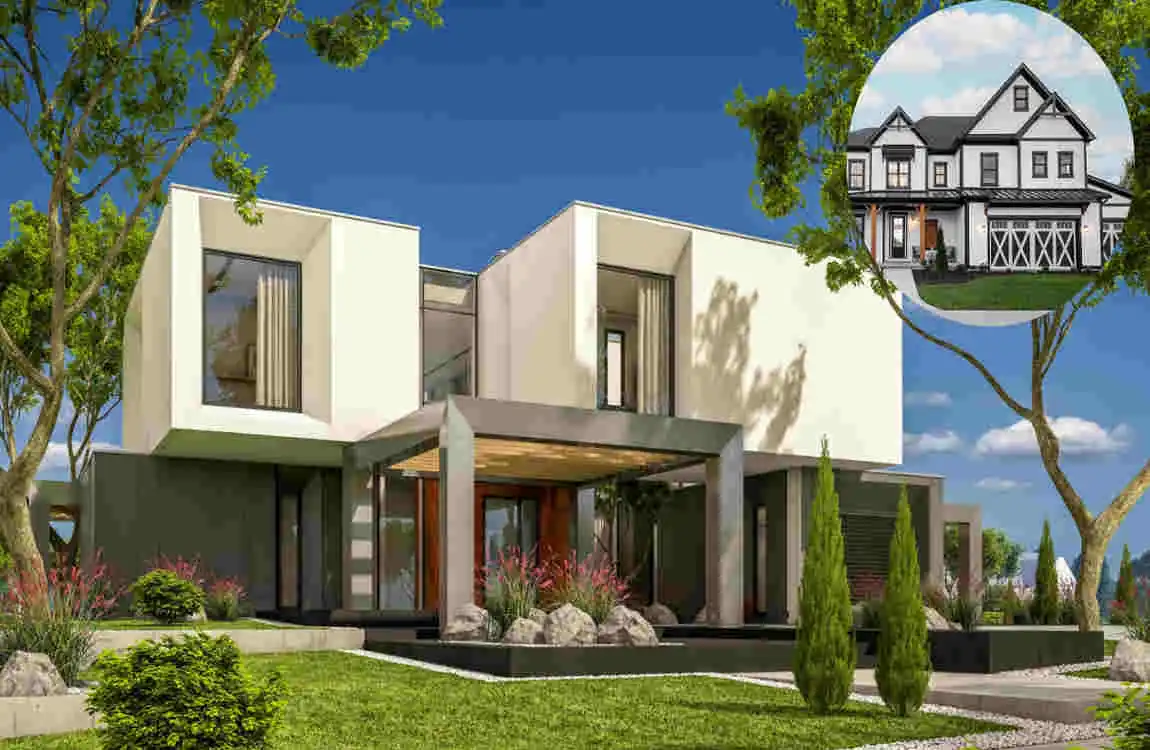
If you are asking yourself what a modern home is, you are not alone. By definition, a modern home is a residential building that focuses on function, simplicity, and a strong connection to the outdoors. These houses strip away heavy, unnecessary decorations to focus on clean lines, open spaces, and natural light.
The main difference between modern and traditional homes lies in their approach to living. Traditional homes often feature separate, enclosed rooms for every activity—a distinct dining room, a closed-off kitchen, and a formal living room. They also use heavy ornamentation like crown molding and patterned wallpapers. Modern homes do the exact opposite. They tear down those walls to create a unified, flowing space.
Historically, modern architecture began to take root in the early to mid-20th century. Visionary architects wanted to break free from the cluttered, highly decorated styles of the Victorian era. They embraced new building materials like steel and large sheets of glass.
Why do modern homes remain popular today? The answer is simple. Our fast-paced lives require a peaceful, functional sanctuary. A modern house gives you a sense of calm, reduces visual clutter, and perfectly adapts to today’s technology-driven, eco-conscious lifestyle.
Key Features of a Modern Home
When you walk into a modern house, you instantly feel a difference in the atmosphere. Here are the defining characteristics that create that unique, breathable vibe.
Simple and Clean Architecture
Modern design relies heavily on straight lines and geometric shapes. You will not find curvy, complex rooflines or highly detailed window frames here. Instead, architects use flat or gently sloped roofs and smooth exteriors. They remove minimal ornamentation to let the structure itself be the star of the show.
Open Floor Plans
Say goodbye to feeling boxed in. Open floor plans remove interior walls to combine your kitchen, dining, and living areas into one spacious living area. This layout creates a better natural flow. You can cook dinner while chatting with your family in the living room or easily entertain guests without feeling isolated.
Large Windows
If there is one thing modern houses love, it is glass. Architects use massive, floor-to-ceiling windows to flood the interior with natural lighting. These large panes of glass blur the boundaries between the inside and the outside world. This indoor-outdoor connection makes your living room feel like it extends right into your backyard.
Minimalist Interior Design
Inside, the focus shifts to a “less is more” mentality. Designers use neutral colors like whites, grays, and soft earth tones to create a calming backdrop. You will find highly functional furniture that serves a clear purpose, rather than pieces that just take up space. By keeping less clutter, your mind can finally relax after a long day.
Sustainable Materials
Builders today care deeply about the environment. Therefore, they frequently use sustainable materials that look beautiful and last a long time. You will commonly see natural wood paired with industrial elements like glass, steel, and exposed concrete. This blend creates a striking texture that feels both natural and highly structured.
Smart Home Technology
A house designed for today must function as it belongs in the future. Smart home technology is woven directly into the blueprints. You can expect integrated smart lighting that adjusts to your mood, advanced security systems, and self-regulating thermostats. Plus, voice-controlled devices let you manage your entire house without lifting a finger.
Benefits of Living in a Modern Home
Choosing this type of architecture is not just about looks. The lifestyle advantages are massive. Let’s look at why making the switch can drastically improve your daily life.
Better Energy Efficiency
Because builders use high-quality insulation, strategic window placement, and the latest eco-friendly materials, your house holds its temperature better. This means your heating and cooling systems work less, saving you a lot of money over time.
Lower Maintenance Costs
Traditional homes often feature complex roofs, wood siding that peels, and intricate trims that collect dust and rot. Modern architecture uses durable materials like concrete and steel, which require far less upkeep. You spend your weekends relaxing instead of doing endless repairs.
Improved Comfort
Everything in a modern layout revolves around human comfort. The open flow of air, the steady temperatures from smart thermostats, and the lack of cramped, dark hallways create a deeply comfortable environment. Your home physically feels better to live in.
More Natural Light
Exposure to natural sunlight boosts your mood, improves your sleep, and keeps you energized. Thanks to the massive windows and skylights, you rarely need to turn on artificial lights during the day.
Increased Property Value
Buyers love updated, move-in-ready houses with contemporary features. Because they are highly sought after, modern properties tend to hold their value incredibly well. When it comes time to sell, you will likely see a fantastic return on your investment.
Flexible Living Spaces
Because the rooms are not strictly defined by walls, you can easily change how you use your space. A corner of your open living room can become a home office on Monday, a yoga studio on Wednesday, and an entertainment area by the weekend.
Popular Modern Home Styles
Did you know that “modern” is actually an umbrella term? There are several exciting variations within this category. Let’s explore the most popular ones so you can find your favorite.
Contemporary Modern Homes
While “modern” refers to a specific architectural era, contemporary refers to the exact trends happening right now. Contemporary modern homes often feature asymmetrical designs, eco-friendly materials, and a mix of contrasting textures. They are fluid and constantly evolving.
Mid-Century Modern Homes
Think of the 1950s and 1960s. Mid-century modern homes feature low, flat roofs, large glass windows, and a seamless integration with nature. They heavily feature warm woods like teak and walnut, bringing a retro yet timeless charm to your living space.
Scandinavian Homes
If you love coziness, you will love Scandinavian design. This style focuses on simplicity, functionality, and “hygge” (a feeling of cozy contentment). You will see lots of bright white walls, pale woods, and soft, warm textiles to combat the long, dark winters of the Nordic regions.
Industrial Modern Homes
Inspired by old factories and warehouses, industrial modern homes embrace raw materials. They proudly display exposed brick walls, steel beams, and concrete floors. The look is edgy, urban, and incredibly stylish.
Minimalist Homes
Minimalist homes take simplicity to the extreme. They focus purely on the absolute essentials. The architecture uses very basic geometric forms, mostly monochromatic color schemes, and hidden storage solutions to ensure clear surfaces.
Modern Home vs Traditional Home
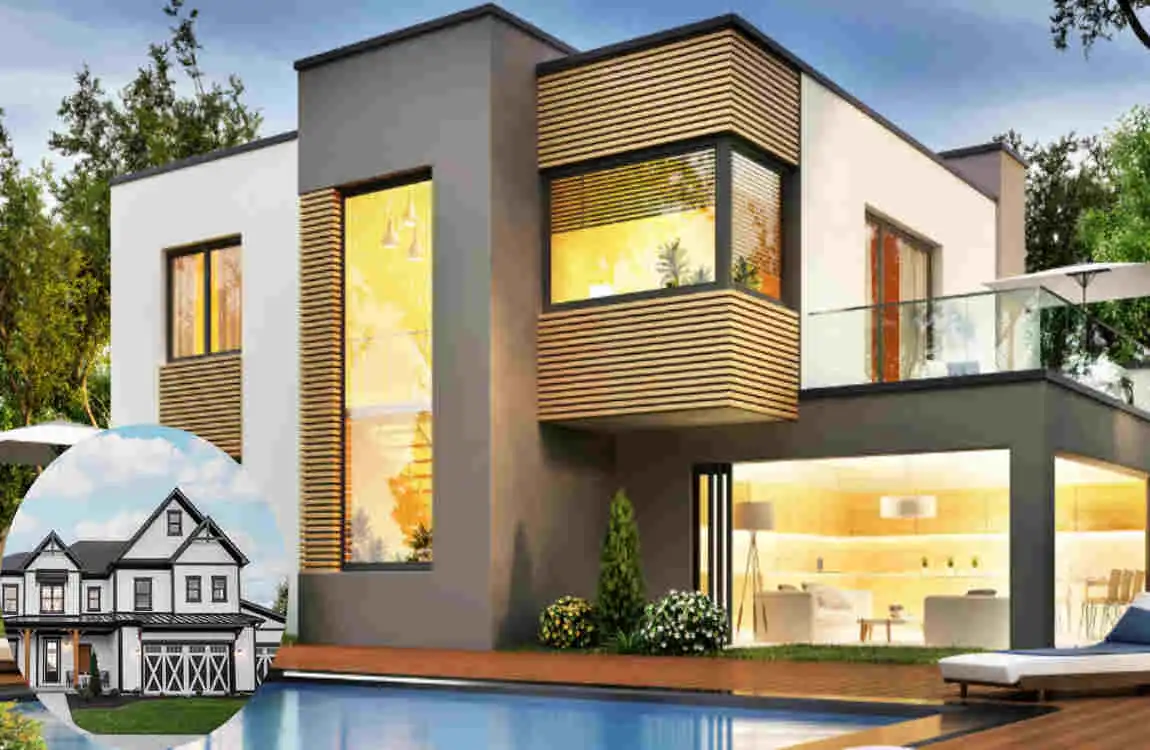
If you are trying to decide which style suits you best, it helps to see the differences side by side. Here is a quick breakdown to help you compare the two.
FeatureModern HomeTraditional Home
Design Minimalist Decorative
Layout Open Floor Plan Separate Rooms
Materials Glass, Steel, Concrete Brick, Wood
Windows Large Standard
Technology Smart Features Basic Features
Energy Efficiency High Moderate
How to Design a Modern Home
Are you ready to create your own sleek sanctuary? Whether you are building from scratch or renovating your current space, here are the vital steps to follow.
Choose a Simple Exterior
Start by keeping the outside of the house clean and uncluttered. Avoid overly complex rooflines or busy siding materials. Instead, opt for smooth panels, flat or slanted roofs, and strong geometric shapes.
Use Neutral Color Palettes
When you paint, stick to a base of whites, grays, and blacks. These neutral color palettes make your spaces feel larger and cleaner. If you want to add character, do it through textures—like a natural wood accent wall—rather than loud, bright paint colors.
Maximize Natural Lighting
You want to invite the sun inside. Install the largest windows your budget allows. Consider adding skylights in darker rooms, and avoid heavy, dark curtains. Let the light bounce around the room to make it feel expansive.
Select Functional Furniture
Do not buy furniture just to fill up space. Select functional furniture that serves a distinct purpose. Look for sofas with clean lines and low profiles. Choose beds with built-in storage. If a piece does not actively improve your life, leave it at the store.
Add Smart Home Features
Integrate technology early in your design process. Plan for smart thermostats, automated window blinds, and voice-controlled lighting. These smart home features make daily living effortless and boost your energy efficiency.
Include Outdoor Living Areas
Treat your backyard like an extension of your living room. Build a beautiful deck or patio that aligns perfectly with your interior floor. Use sliding glass walls to connect the two spaces, creating a massive entertainment zone for warm summer nights.
Is a Modern Home Right for You?
So, should you leap? Figuring out if a modern home is right for you requires you to evaluate a few personal factors.
First, consider your lifestyle. Do you love hosting large gatherings and prefer a minimalist, tidy environment? If so, an open, modern layout will suit you perfectly. However, if you prefer absolute privacy and cozy, enclosed rooms, you might find an open plan a bit too exposed.
Next, look at your budget. While building a custom house with huge windows and steel beams can be pricey upfront, the long-term savings on energy bills are significant.
You must also evaluate your family needs. Open floor plans are great for keeping an eye on toddlers, but as kids grow into teenagers, they might want more acoustic privacy.
Finally, think about your maintenance preferences and your long-term investment. If you despise spending your weekends painting wood siding and fixing shingles, the low-maintenance materials of a modern build will thrill you. Plus, thanks to their massive popularity, these houses remain highly attractive to future buyers.
Common Mistakes to Avoid
Even the best intentions can go wrong during the design process. If you want to achieve that perfect look, make sure you avoid these common pitfalls:
- Overdecorating: Resist the urge to fill every empty corner. Modern design breathes through space. Too many knick-knacks ruin the clean vibe.
- Ignoring natural lighting: A modern house feels cold and uninviting without proper sunlight. Never block your large windows with heavy furniture or dark blinds.
- Choosing style over functionality: A chair might look like a brilliant piece of modern art, but if it hurts your back to sit in it, do not buy it. Function must always come first.
- Poor space planning: Without walls to define rooms, an open floor plan can quickly look like a messy warehouse. You must use rugs, lighting, and furniture placement to clearly define your living, dining, and cooking zones.
- Using too many colors: Sticking to neutrals can feel boring at first, but using too many vibrant colors creates visual chaos. Keep the base neutral and add pops of color through easily swappable items like pillows or art.
Future Trends in Modern Homes
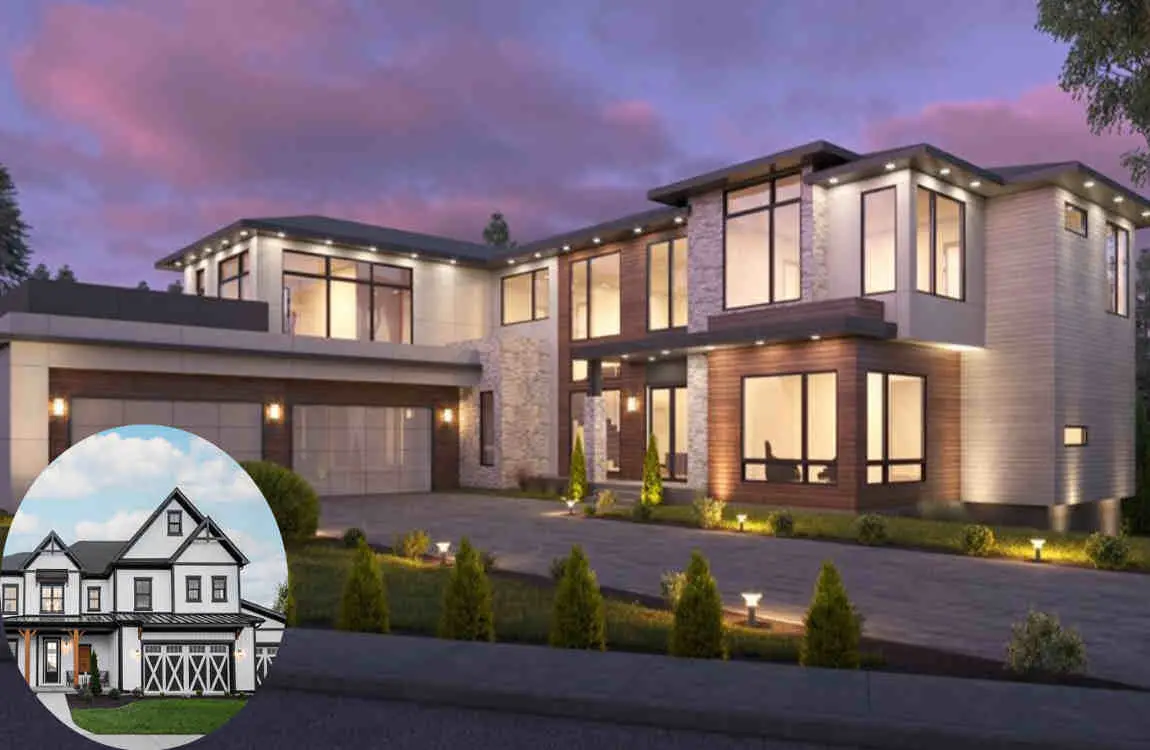
Architecture never stands still. Builders and designers are always looking for ways to improve how we live. Here is a list of trends shaping the modern houses of tomorrow:
- Eco-friendly construction: Builders are actively minimizing their carbon footprint by sourcing local, renewable materials and reducing construction waste.
- Solar energy: Roofs are no longer just for keeping the rain out. Integrated solar panels and solar shingles are becoming standard features to take homes completely off the grid.
- Smart automation: We are moving beyond turning lights on with our phones. Homes will soon use artificial intelligence to learn your habits and predict your temperature and lighting needs automatically.
- Sustainable materials: Expect to see even more innovative materials, like recycled steel, bamboo flooring, and green roofs covered in living plants.
- Multi-functional spaces: As lot sizes shrink, rooms must do double duty. Hidden beds, sliding partition walls, and convertible furniture are becoming increasingly popular.
- Home offices: Remote work is here to stay. Future designs will always include dedicated, sound-proofed, and well-lit spaces specifically built for working from home.
Frequently Asked Questions (FAQs)
What is a modern home?
A modern home features clean lines, open spaces, large windows, minimalist design, and energy-efficient materials. It focuses heavily on function and strips away unnecessary decorations.
What is the difference between a modern and contemporary home?
Modern homes follow a specific architectural style that originated from the modernist movement in the early-to-mid 20th century. Contemporary homes, on the other hand, simply reflect the current design trends happening right now.
Are modern homes energy efficient?
Yes, absolutely. Most modern homes include thick insulation, energy-efficient double-pane windows, LED lighting, and smart technology to drastically reduce daily energy use.
Why are modern homes so popular?
They offer highly flexible open layouts, abundant natural light, low maintenance requirements, smart technology, and a sleek, functional design that perfectly suits today’s busy lifestyles.
What materials are commonly used in modern homes?
You will frequently see builders using industrial materials like glass, steel, and concrete, paired alongside warm natural wood, stone, and various eco-friendly building materials.
Are modern homes expensive to build?
Costs vary heavily depending on your location, the size of the house, the materials used, and your level of customization. However, while upfront building costs can be high, modern homes can offer massive long-term savings through their energy efficiency.
Can a small house have a modern design?
Yes, without a doubt. Modern design actually works incredibly well in both small and large homes because it focuses on maximizing space, utilizing clever storage, and prioritizing functionality.
What colors are best for a modern home?
Neutral colors such as crisp white, cool gray, deep black, soft beige, and natural wood tones are commonly used. These shades provide a clean, timeless appearance that lets the architecture truly shine.
| Topic | Information |
|---|---|
| Definition | Modern homes are houses designed with clean lines, open spaces, and a focus on simplicity, functionality, and natural light. |
| Architectural Style | Minimalist design with flat or low-pitched roofs, large windows, and geometric shapes. |
| Key Features | Open floor plans, energy-efficient materials, smart home technology, and indoor-outdoor living spaces. |
| Exterior Design | Simple facades, neutral colors, glass walls, wood, steel, and concrete finishes. |
| Interior Design | Spacious rooms, minimal décor, built-in storage, and modern furniture with uncluttered layouts. |
| Common Materials | Glass, concrete, steel, natural wood, brick, and sustainable building materials. |
| Energy Efficiency | Often includes solar panels, LED lighting, insulated windows, and energy-saving appliances. |
| Benefits | Lower energy costs, better natural lighting, functional layouts, and easy maintenance. |
| Best For | Families, professionals, and homeowners who prefer a stylish, practical, and efficient living space. |
| Average Cost | Varies by location, size, materials, and customization, generally ranging from $200–$500+ per square foot in many markets. |
| Maintenance | Regular cleaning of glass surfaces, roof inspections, HVAC servicing, and smart system updates. |
| Popularity | Highly popular due to its contemporary appearance, sustainability, and comfortable living experience. |
