
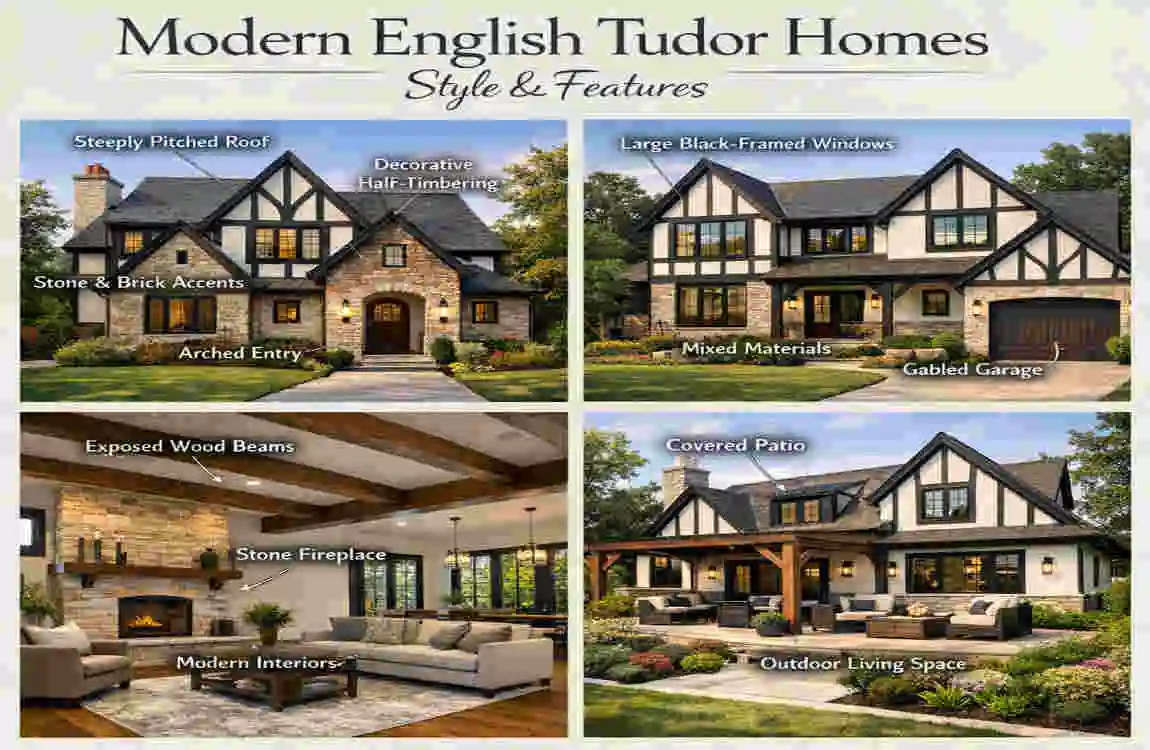
Modern English Tudor homes blend the beauty of old-world design with the comfort of today’s lifestyle. They feel warm, elegant, and full of character. At the same time, they offer the practical features that modern homeowners want, such as open layouts, smart systems, and energy-saving upgrades.
These homes are easy to recognize. You will often see steep roofs, decorative beams, brick walls, tall windows, and arched entryways. What makes them special is how they keep their traditional charm while still feeling fresh and livable.
If you want a home that stands out without losing comfort, this style is a strong choice. It works well for family homes, luxury homes, and even smaller custom builds.
What Are Modern English Tudor Homes?
Understanding the Tudor Home Style
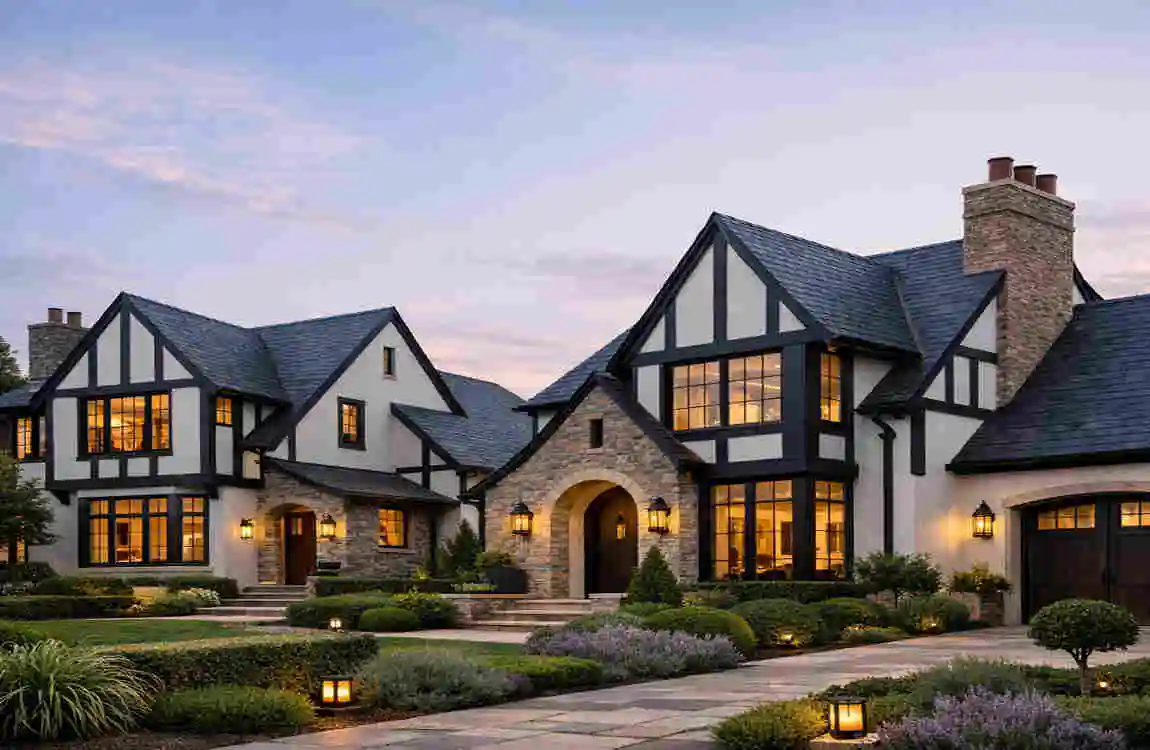
The Tudor style comes from old English architecture, inspired by luxury homes built in medieval England. These original homes used heavy timber, stone, and brick. They often had steep roofs and narrow windows to match the building methods of the time.
Modern English Tudor homes retain the classic look while using updated materials and layouts. That means you still get the historic feel, but with better comfort, stronger insulation, and a more open interior.
Why Modern Tudor Homes Are Popular Today
People love this style because it feels timeless and unique. It does not look like every other house on the street.
It also works in many settings. You can find modern Tudor homes in urban neighborhoods, suburban areas, and country properties. They offer a balance of beauty, privacy, and everyday function.
Key Architectural Features of Modern English Tudor Homes
Steeply Pitched Roof Designs
One of the most recognizable Tudor features is the steep roof. This roof style gives the home a strong and dramatic look.
It also helps with weather protection, as rain and snow slide off more easily. In modern homes, builders may use stronger, longer-lasting roofing materials, which make the design both attractive and practical.
Decorative Half-Timbering
Half-timbering is another classic Tudor detail. This is the look of exposed wood beams on the outside of the house.
Today, builders often recreate this effect using wood, metal, or composite materials. The result is the same charming look, but with less maintenance and better durability.
Brick and Stone Exterior Walls
Brick and stone are common in modern Tudor homes because they create a rich, historic feel. They also make the home look strong and elegant.
Many designers mix natural stone with brick or smooth modern finishes to give the house a more updated appearance. This mix helps the home feel both classic and current.
Tall and Narrow Windows
Traditional Tudor windows are usually tall and narrow. They enhance the home’s vertical look and give it a graceful style.
In modern homes, these windows often come with energy-efficient glass. That means you get more natural light, better comfort, and lower energy use.
Arched Doorways and Entryways
A Tudor home often makes a strong first impression through its entryway. Arched doors and large front entrances create a grand and welcoming look.
Modern versions may use wood, glass, and metal details to make the entrance feel more updated while keeping the same elegant character.
Modern English Tudor Home Exterior Design Ideas
Creating a Strong Curb Appeal
The outside of a Tudor home should feel polished and balanced. A good front yard can make a big difference.
You can improve curb appeal with simple landscaping, stone pathways, garden beds, and outdoor lighting. These small touches make the home look cared for and inviting.
Popular Exterior Color Combinations
Color choice matters a lot in Tudor design. Some of the most popular combinations include:
- White stucco with dark wood accents
- Red brick with black trim
- Gray stone with natural wood details
These colors work well because they highlight the house’s shape and texture.
Modern Tudor Landscaping Features
Landscaping should match the home’s character. A neat, classic garden often works best.
Think about evergreen plants, trimmed hedges, stone walkways, and simple flower beds. These elements help the exterior feel elegant without becoming too busy.
Interior Design Features of Modern English Tudor Homes
Warm and Elegant Living Spaces
Inside a modern Tudor home, the goal is to create a cozy but refined feeling. Natural materials like wood, stone, and soft fabrics work very well.
Use furniture that feels comfortable and timeless. You do not need too many decorations. A few well-chosen pieces often look better than a crowded room.
Modern Tudor Kitchen Design
The kitchen is where old and new can work beautifully together. You might see wood cabinets, stone countertops, and vintage-style hardware paired with modern appliances.
This creates a kitchen that feels warm and stylish yet is still easy to use every day. It is a smart way to keep the Tudor character without giving up convenience.
Luxury Tudor Bathrooms
Modern Tudor bathrooms can feel peaceful and rich in style. A freestanding tub, stone surfaces, and classic fixtures can create a spa-like mood.
You can also add updated lighting, heated floors, and modern storage. These features make the space more practical while keeping the elegant look.
Bedrooms With Tudor Character
Tudor bedrooms often feel quiet and restful. Wooden beams, warm wall colors, and soft lighting help create that feeling.
A fireplace, if available, can become a beautiful focal point. Even without one, you can still bring in the same mood through texture, fabric, and color.
Modern Features Added to Tudor Homes
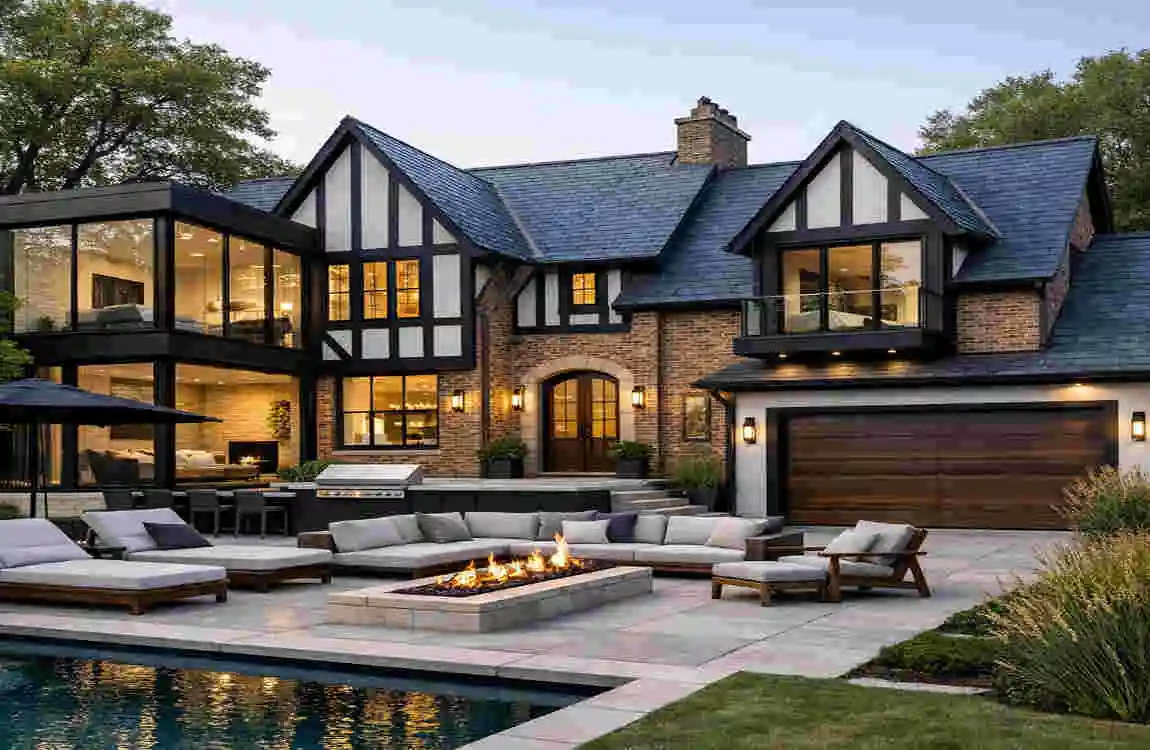
Smart Home Technology
Today’s Tudor homes often include smart features that make daily life easier.
Common upgrades include:
- Automated lighting
- Smart security systems
- Energy management tools
These tools improve comfort and convenience without changing the home’s classic look.
Energy-Efficient Upgrades
Modern Tudor homes can also be designed to use less energy. This is important for comfort and long-term savings.
Helpful upgrades include insulated walls, modern windows, and efficient heating and cooling systems. These features make the home better for everyday living.
Open Floor Plans
Traditional Tudor homes often had smaller rooms. Modern versions usually use open floor plans to create a more flexible layout.
This makes it easier to connect the kitchen, dining area, and living room. It is a great choice for families who want an open, social space.
Materials Used in Modern English Tudor Homes
MaterialPurposeBenefits
Brick Exterior walls Durable and timeless look
Stone Accents and foundations Natural luxury appearance
Wood Beams and interiors Warm traditional style
Glass Windows and doors Modern lighting and efficiency
Metal Roofing and fixtures Long-lasting performance
How Much Do Modern English Tudor Homes Cost?
Factors Affecting Tudor Home Costs
The cost of a modern Tudor home depends on several things. Location, home size, material quality, and design detail all play a role.
If the home includes custom beams, stonework, or special windows, the price will usually be higher. Land prices can also affect the total cost.
Average Construction Considerations
Custom Tudor homes often cost more because the design takes extra craftsmanship. Renovating an older Tudor home may also require repairs or restoration work.
Still, many homeowners see this as a good investment because the style has strong long-term appeal.
Advantages of Modern English Tudor Homes
Unique Architectural Appeal
These homes stand out. Their shape, materials, and details make them look special compared to more common house styles.
Strong Property Value
Because the design is timeless, Tudor homes often attract buyers who want something elegant and memorable. That can help support property value.
Comfortable Living Experience
Modern layouts, smart features, and warm interiors make these homes comfortable for everyday living.
Flexible Design Options
You can design a Tudor home to feel traditional, modern, or somewhere in between. That flexibility makes the style very appealing.
Challenges of Owning a Modern Tudor Home
Higher Maintenance Needs
Wood details and older-style finishes may need more care over time. If you love the style, this is usually worth it, but it is something to plan for.
Higher Building Costs
Because of the detailed design, a Tudor home can cost more to build than a simpler house.
Limited Interior Space in Traditional Designs
Some older Tudor layouts can feel tight. Modern updates help solve this, but it is still important to plan the interior carefully.
How to Design Your Own Modern English Tudor Home
Choose the Right Exterior Style
Decide if you want a more traditional Tudor look or a softer modern version. This choice will guide the rest of the design.
Select Quality Materials
Use strong, lasting materials like brick, stone, and wood. These give the home its classic feel and help it age well.
Plan Functional Interiors
Make sure the inside supports your daily life. Focus on comfort, storage, and room flow.
Add Modern Technology
Smart lights, better insulation, and efficient systems can make the home much easier to live in.
Modern English Tudor Homes vs Traditional Tudor Homes
Feature Traditional Tudor Homes Modern English Tudor Homes
Design Historic medieval style Classic with modern updates
Layout Smaller rooms Open and flexible spaces
Materials Natural wood and stone Mixed traditional and modern materials
Technology Limited Smart home features
Energy Efficiency Lower Improved insulation and systems
Why Modern English Tudor Homes Remain Timeless
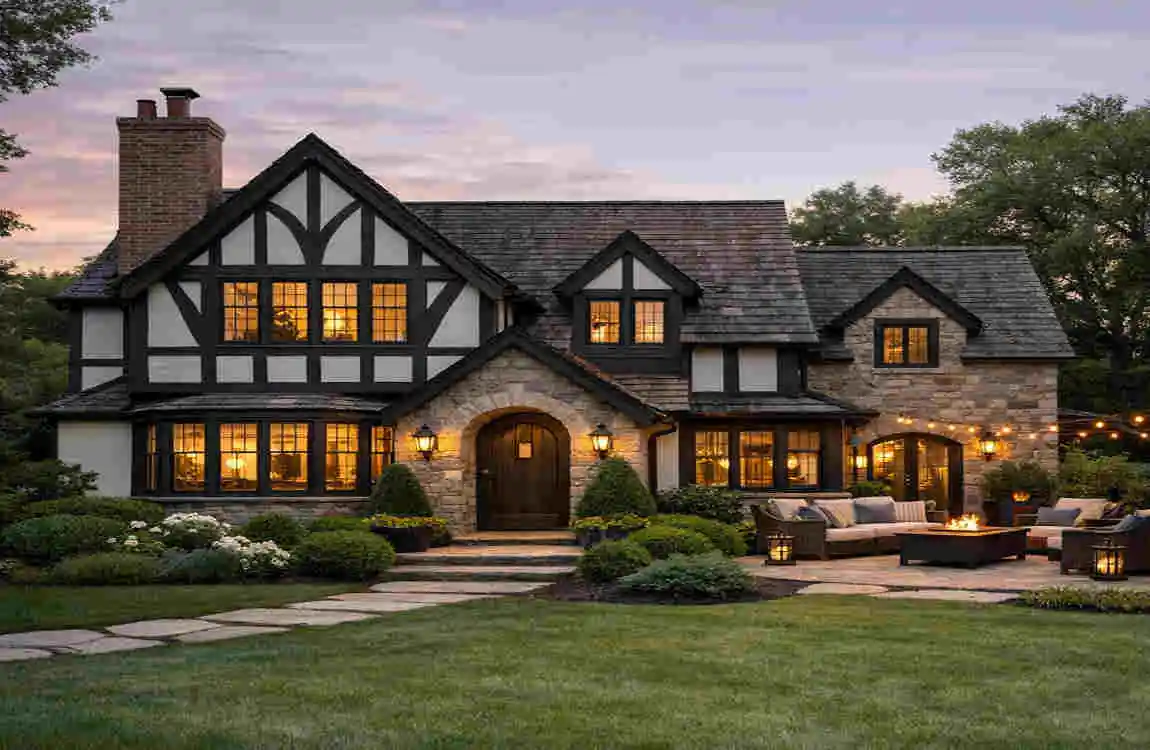
This style continues to stay popular because it offers the best of both worlds. It gives you history, charm, and beauty, but it also works well for modern life.
People are drawn to homes that feel warm, distinctive, and lasting. Modern Tudor homes deliver that feeling in a way that still fits today’s needs.
Frequently Asked Questions
What are modern English Tudor homes?
They are homes inspired by traditional Tudor architecture, but updated with modern layouts, materials, and technology.
What makes a Tudor home different from other houses?
Tudor homes are known for steep roofs, decorative beams, brick or stone exteriors, and narrow windows.
Are modern Tudor homes expensive to build?
Yes, they can be more expensive due to custom design details and high-quality materials.
Can Tudor homes have modern interiors?
Absolutely. Many modern Tudor homes feature open layouts, updated kitchens, and smart home features.
Are modern English Tudor homes energy efficient?
Yes, with proper insulation, modern windows, and efficient systems, they can be very energy efficient.
| Feature | Description |
|---|---|
| Architectural Style | A modern take on traditional Tudor designs, combining classic English charm with contemporary comfort. |
| Exterior Design | Steep gable roofs, brick or stone walls, decorative half-timbering, and tall windows create a distinctive look. |
| Roof Style | Usually features steeply pitched roofs with slate, metal, or modern roofing materials for durability. |
| Windows | Tall, narrow windows with multiple panes, often mixed with modern energy-efficient glass. |
| Exterior Materials | Common materials include brick, stone, stucco, and wood accents for a warm appearance. |
| Interior Design | Features open layouts, exposed beams, fireplaces, hardwood floors, and a blend of classic and modern décor. |
| Kitchen Style | Modern Tudor kitchens often include custom cabinets, stone countertops, large islands, and premium appliances. |
| Living Spaces | Designed with cozy rooms, natural lighting, and comfortable spaces for family gatherings. |
| Color Palette | Uses earthy tones like cream, brown, gray, green, and warm wood shades. |
| Modern Features | Smart home technology, energy-efficient systems, updated bathrooms, and sustainable materials. |
| Landscaping | English-style gardens, stone pathways, hedges, and mature trees enhance the Tudor appearance. |
| Main Appeal | Offers a timeless combination of historic character, elegance, and modern living convenience. |
