
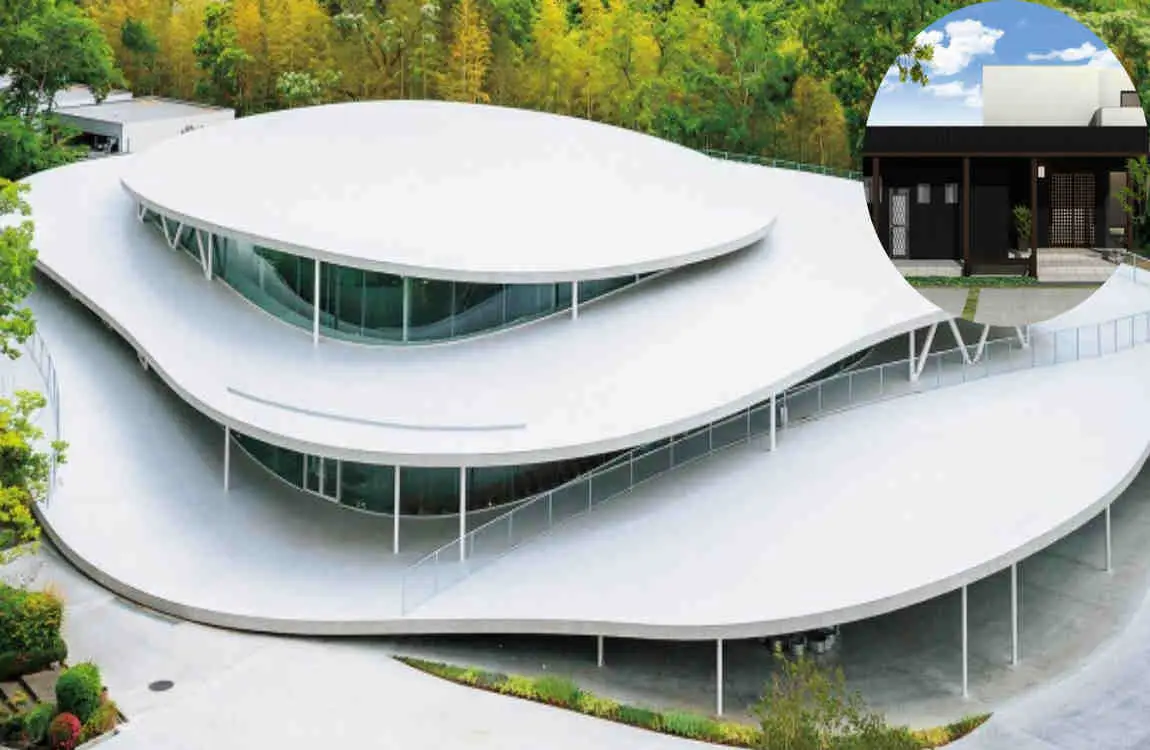
Have you ever walked into a room and instantly felt a wave of calm wash over you? That is the exact feeling a Japanese modern home aims to create. This unique architectural style is all about blending the old with the new. It takes the peaceful, nature-focused elements of traditional Japanese design and mixes them with the sleek, practical features of modern living.
Today, this design style is becoming incredibly popular all around the globe. Why? Because our fast-paced lives leave us craving a peaceful sanctuary. A Japanese modern home gives you exactly that. It strips away the clutter and noise, leaving you with a space that breathes.
The benefits of combining traditional Japanese elements with modern architecture are endless. You get a home that feels incredibly spacious, flooded with natural light, and deeply connected to nature. Plus, the minimalist approach makes cleaning and maintaining your home a breeze. If you are looking to transform your living space into a tranquil retreat, you are in the right place. Let’s explore how you can bring this beautiful style to life!
What Is a Japanese Modern Home?
Definition and Key Features
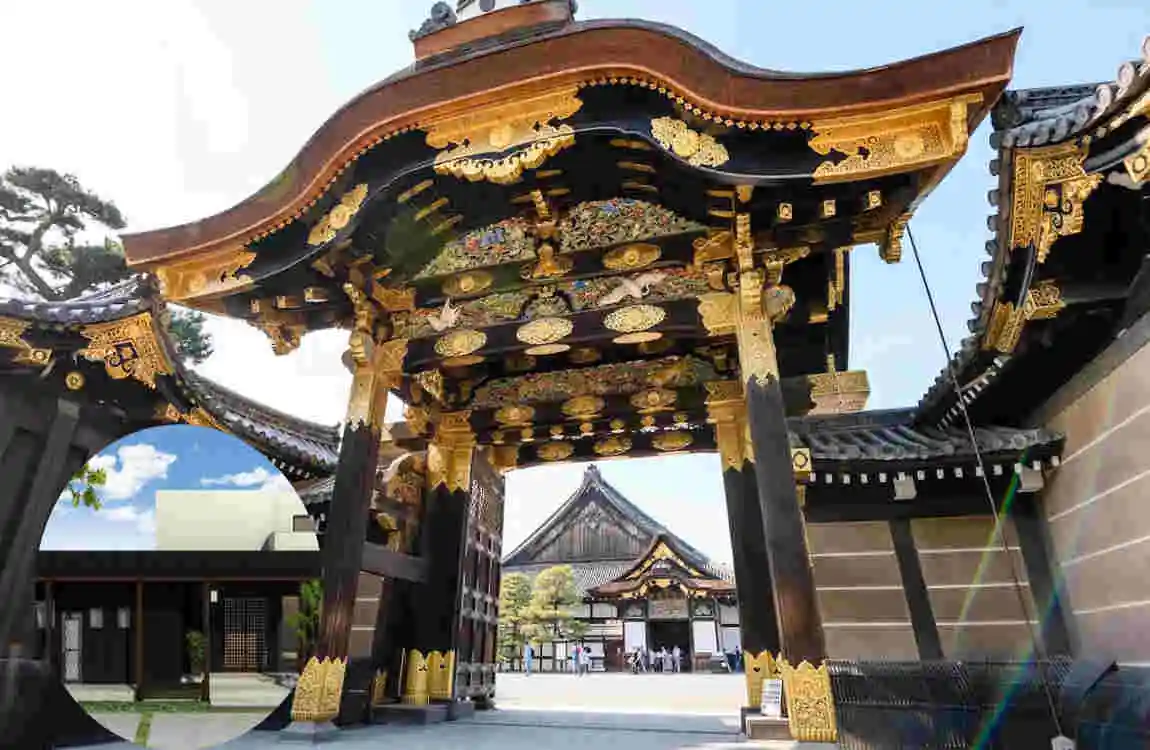
At its core, a Japanese modern home is a living space that prioritizes simplicity, functionality, and a strong connection to nature. It is not about filling a room with stuff. Instead, it is about valuing space just as much as the furniture you put in it. Key features include clean lines, lots of natural sunlight, natural building materials, and a clutter-free environment.
History of Japanese Modern Architecture
To understand this style, we have to look back. Traditional Japanese architecture has always focused on harmony with the natural world, using paper, wood, and bamboo. After World War II, Japan began rebuilding rapidly. Architects started mixing these time-honored traditional concepts with Western modernism, which brought in materials like concrete, steel, and glass. This beautiful collision created the modern Japanese style we love today.
Traditional vs. Modern Japanese Homes
So, how do they differ? A strictly traditional Japanese home often uses heavy timber frames, paper walls, and raised floors. They are beautiful but can be tough to maintain today. A modern Japanese home takes those ancient ideas—like sliding doors and natural wood—and upgrades them. Instead of delicate paper walls, you might see frosted glass. Instead of sitting entirely on the floor, you will find low-profile modern sofas. It is the perfect balance of old-world charm and contemporary comfort.
Essential Elements of a Japanese Modern Home
Minimalist Interior Design
Less is absolutely more here. Minimalist interior design means you only keep what you truly need and love. By removing unnecessary decorations and bulky furniture, you allow the room to feel open, airy, and relaxing.
Open Floor Plans
Walls can make a house feel boxed in. That is why open floor plans are a must. By removing walls between the kitchen, dining, and living areas, energy flows freely throughout the house. This also makes the home feel much larger than it actually is.
Natural Wood Finishes
Wood is the heartbeat of a Japanese modern home. Whether it is oak, cedar, or pine, natural wood finishes bring warmth into your space. You will often see unpainted wood used on floors, wall panels, and ceiling beams to keep the earthy vibe alive.
Large Glass Windows
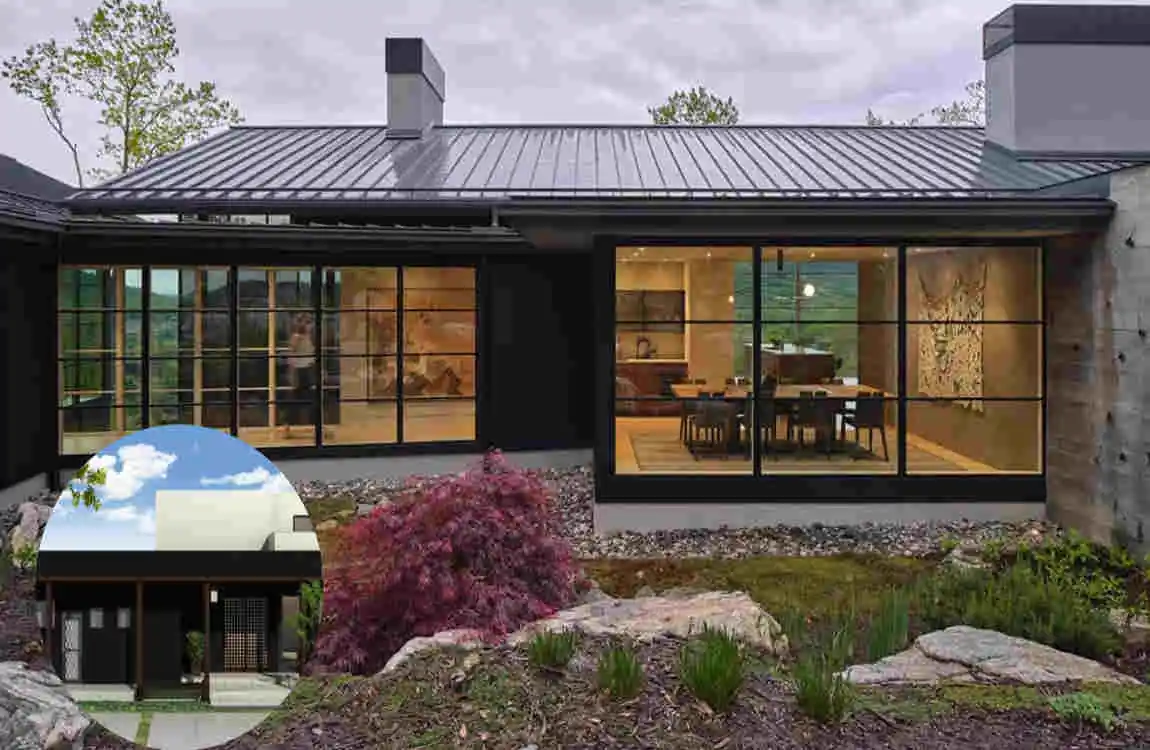
You cannot connect with nature if you cannot see it! Large glass windows, often stretching from the floor to the ceiling, blur the line between the inside and the outside. They also bathe your home in stunning natural sunlight.
Neutral Color Palette
Bright, loud colors can be distracting. To keep things peaceful, this style relies on a neutral color palette. Think warm whites, soft beiges, and gentle grays. These colors mimic nature and give your eyes a place to rest.
Indoor-Outdoor Living Spaces
Imagine sliding open a massive glass door and stepping right onto a wooden deck that feels like an extension of your living room. Indoor-outdoor living spaces are essential. They invite the fresh air in and encourage you to step outside and enjoy the natural world.
Exterior Design Ideas
Simple Roof Designs
When you look at the outside of a Japanese modern home, you won’t see complicated, fussy rooflines. Instead, expect to see simple roof designs. Flat roofs or gently sloping roofs are common, giving the home a sleek, grounded appearance.
Wood and Concrete Combination
Mixing textures is a great way to add visual interest without adding clutter. The combination of warm, natural wood siding with cool, industrial concrete creates a striking balance that looks incredibly modern but still feels connected to the earth.
Japanese Gardens
Even a small patch of dirt can become a tranquil escape. Japanese gardens focus on rocks, gravel, small shrubs, and carefully placed trees. They are designed to look like miniature landscapes and require very little maintenance.
Stone Walkways
Guide your guests to your front door with elegant stone walkways. Using natural, irregularly shaped stepping stones surrounded by gravel or moss sets a peaceful mood before you even step foot inside the house.
Sliding Glass Doors
We mentioned these earlier, but they are vital for the exterior, too. Large sliding glass doors replace solid walls. They save space because they do not swing outward, and they act as giant picture frames for your outdoor scenery.
Interior Design Inspiration
Tatami-Inspired Flooring
Traditional tatami mats are woven from rush grass and offer a soft, natural surface. For a modern twist, you can use tatami-inspired flooring in a specific zone, like a reading nook or a tea corner, while using standard hardwood for the rest of the house.
Shoji-Style Sliding Doors
Shoji screens are traditional sliding doors made of wooden frames and translucent paper. Modern versions use frosted glass or durable acrylic instead of paper. They let light pass from room to room while still giving you plenty of privacy.
Minimal Furniture
Ditch the oversized, puffy armchairs. Instead, opt for minimal furniture with clean lines. Low-to-the-ground beds, sleek wooden dining tables, and simple sofas help keep the room feeling tall and spacious.
Soft Lighting
Harsh, bright overhead lights can instantly ruin a calming mood. Aim for soft lighting. Use warm-toned LED bulbs, paper lantern-style floor lamps, and hidden strip lights to create a cozy, welcoming glow in the evenings.
Built-In Storage Solutions
To maintain that clutter-free look, you need a place to hide your stuff. Built-in storage solutions, like cabinets hidden perfectly flush within the walls or drawers tucked under the bed, keep your daily items out of sight but easily accessible.
Room-by-Room Japanese Modern Home Ideas
Living Room
Make this your ultimate relaxation zone. Use a low-profile sofa, a simple wooden coffee table, and a large indoor plant like a bonsai or a bamboo palm. Keep the TV hidden or mounted flush against a clean, uncluttered wall.
Kitchen
A modern Japanese kitchen is all about hidden efficiency. Use flat-panel wooden cabinets without bulky handles. Stick to neutral stone countertops and ensure all your appliances are tucked away to maintain clean counter spaces.
Bedroom
Your bedroom should be a sanctuary. Center the room around a low platform bed. Skip the heavy curtains and use light, airy linen shades. Keep the decor down to a simple vase or a single piece of calming artwork.
Bathroom
The Japanese take bathing very seriously; it is a time to cleanse the mind, not just the body. Install a deep soaking tub (known as an ofuro). Pair it with natural stone tiles, a wooden bath stool, and a large window overlooking a private garden.
Home Office
Working from home? Keep your focus sharp with a minimalist home office. A simple, sturdy wooden desk facing a window, a comfortable but sleek chair, and hidden storage for your papers will make your workday feel much less stressful.
Best Materials for a Japanese Modern Home
To nail this look, you need to choose the right materials. Focus on things that come from the earth or feel industrial and clean.
- Natural wood: Cedar, oak, and cypress bring warmth and life to any room.
- Bamboo: A fast-growing, sustainable material great for flooring, blinds, or accents.
- Stone: Slate and granite add an earthy, grounding texture to bathrooms and entryways.
- Concrete: Gives a modern, sleek, and durable edge, especially for floors or exterior walls.
- Glass: Essential for letting the outside in and keeping spaces feeling huge.
- Steel accents: Dark steel provides a nice, modern contrast against light-colored woods.
Color Schemes That Match Japanese Modern Style
Choosing the right paint and fabric colors is highly important. You want colors that mimic a quiet forest or a foggy morning.
- White: Crisp, clean, and bounces natural light around the room.
- Beige: Adds a touch of warmth that white sometimes lacks.
- Light Gray: Brings a modern, concrete-inspired feel that remains soothing.
- Black accents: Small touches of black (like window frames or cabinet pulls) add a modern home, crisp edge.
- Warm wood tones: The natural color of your wooden furniture and floors acts as a core color.
- Earth-inspired colors: Soft muted greens or soft browns can be used sparingly for throw pillows or art.
Landscaping Ideas
Zen Garden
You do not need a massive backyard to have a Zen garden. A small, dedicated space filled with raked white gravel and carefully placed boulders can become a beautiful spot for daily meditation and reflection.
Water Features
The sound of trickling water is instantly relaxing. Add a simple bamboo water spout or a modern, geometric stone fountain to your outdoor space to block out city noise and bring a sense of peace.
Moss and Stone
Instead of an endless, thirsty grass lawn, consider using moss and stone. Moss thrives in shady areas and requires no mowing, while stepping stones create beautiful, natural pathways through your yard.
Native Plants
Choose plants that naturally grow well in your climate. Think about adding Japanese maples, ferns, or ornamental grasses. They require less water and care, fitting perfectly with the minimalist lifestyle.
Courtyard Designs
If you are building from scratch, consider an inner courtyard. By building the house around a central outdoor space, every room in the house gets a private, beautiful view of nature.
Benefits of Choosing a Japanese Modern Home
Why should you choose this style over any other? The advantages go far beyond just looking pretty.
- Peaceful atmosphere: The lack of clutter actively reduces daily stress and anxiety.
- Functional layouts: Every square inch serves a purpose; there is no wasted space.
- Energy-efficient design: Large windows reduce the need for daytime lighting, and open plans allow for natural cross-breezes.
- Timeless appearance: Because it is so simple, this style will not look outdated in ten years.
- Easy maintenance: Fewer things to dust and easy-to-clean natural surfaces make chores quick.
- Better natural lighting: Massive windows mean your home is always bright and welcoming.
Common Mistakes to Avoid
Even with the best intentions, it is easy to accidentally ruin the minimalist vibe. Watch out for these common traps:
- Overdecorating: Do not fill every empty wall or shelf. Embrace blank space!
- Using too many colors: Stick to your neutral palette. Neon colors or loud patterns will instantly break the calm.
- Ignoring natural light: Never cover your big beautiful windows with heavy, dark drapes.
- Buying oversized furniture: Massive, chunky sectionals will make an open room feel cramped and heavy.
- Mixing too many design styles: Adding farmhouse signs or glitzy chandeliers will clash terribly with the sleek Japanese aesthetic.
Tips for Decorating on a Budget
You do not need a millionaire’s bank account to get this look! Here is how to achieve a Japanese modern home without breaking the bank.
- Choose simple furniture: Look for secondhand modern pieces with straight lines and natural wood finishes.
- Use natural materials: You can buy affordable bamboo blinds or natural jute rugs to add organic textures.
- Add indoor plants: A simple potted plant is the cheapest and most effective way to bring nature indoors.
- Keep decorations minimal: You actually save money by buying less decor! A single nice vase is better than ten cheap trinkets.
- Focus on quality instead of quantity: Save up for one really good, solid wood coffee table instead of buying three cheap, flimsy side tables.
Is a Japanese Modern Home Right for You?
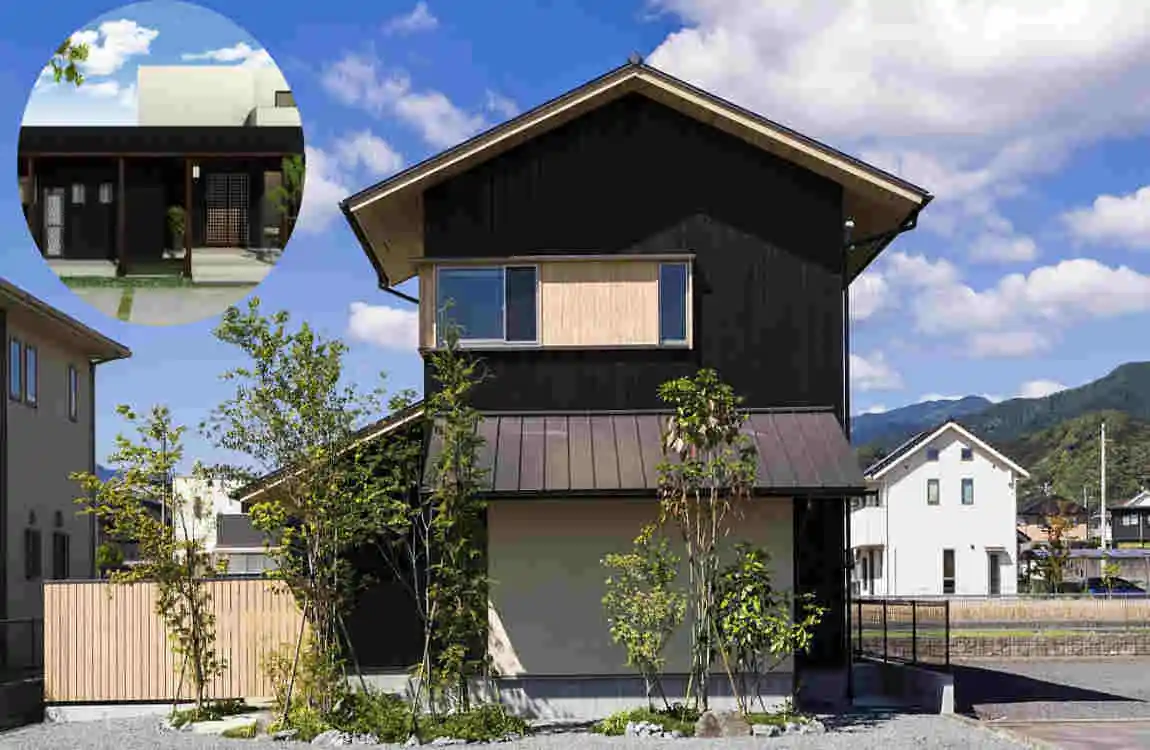
Before you start tearing down walls, it is important to ask if this style fits your life.
- Lifestyle considerations: If you love collecting souvenirs, displaying lots of family photos, or having a “cozy clutter” vibe, strict minimalism might feel too cold for you.
- Family-friendly features: Kids come with a lot of stuff! If you have children, you will need to invest heavily in smart, hidden storage to keep their toys out of sight when not in use.
- Small home compatibility: This style is absolutely perfect for small homes or apartments. The low furniture and light colors make tiny spaces feel massive.
- Budget planning: While decorating is cheap (because you buy less), renovating a home to add giant floor-to-ceiling windows or solid wood siding can be an investment. Plan your budget around structural changes first.
Frequently Asked Questions (FAQs)
What is a Japanese modern home?
A Japanese modern home combines traditional Japanese design principles with contemporary architecture, emphasizing simplicity, natural materials, and functional living spaces.
What colors are best for a Japanese modern home?
Neutral shades such as white, beige, gray, black accents, and natural wood tones create a calm and balanced atmosphere.
Are Japanese modern homes suitable for small spaces?
Yes. Their minimalist layouts, built-in storage, and efficient use of space make them ideal for compact homes.
What materials are commonly used in Japanese modern homes?
Wood, bamboo, stone, concrete, glass, and steel are commonly used to create a clean, natural, and durable design.
How can I make my home look more Japanese modern?
Use minimalist furniture, neutral colors, natural materials, large windows, indoor plants, and uncluttered spaces while maximizing natural light.
| Feature | Details |
|---|---|
| Design Style | A blend of traditional Japanese architecture and modern minimalist design. |
| Key Elements | Clean lines, open layouts, natural light, and uncluttered interiors. |
| Color Palette | Neutral tones such as white, beige, gray, black, and warm wood finishes. |
| Popular Materials | Wood, bamboo, stone, glass, concrete, and natural fabrics. |
| Flooring | Hardwood floors, tatami mats, polished concrete, or natural stone. |
| Furniture | Low-profile furniture with simple, functional designs. |
| Lighting | Large windows, paper lanterns, pendant lights, and soft ambient lighting. |
| Indoor-Outdoor Connection | Sliding glass doors, courtyards, gardens, and wooden decks create a seamless transition. |
| Decor Ideas | Bonsai trees, indoor plants, shoji screens, ceramic vases, and minimalist artwork. |
| Storage Solutions | Built-in cabinets, hidden storage, and multifunctional furniture to reduce clutter. |
| Best For | Homeowners who appreciate simplicity, functionality, and a peaceful living environment. |
| Main Benefits | Creates a calm atmosphere, maximizes natural light, improves space efficiency, and offers timeless style. |
