
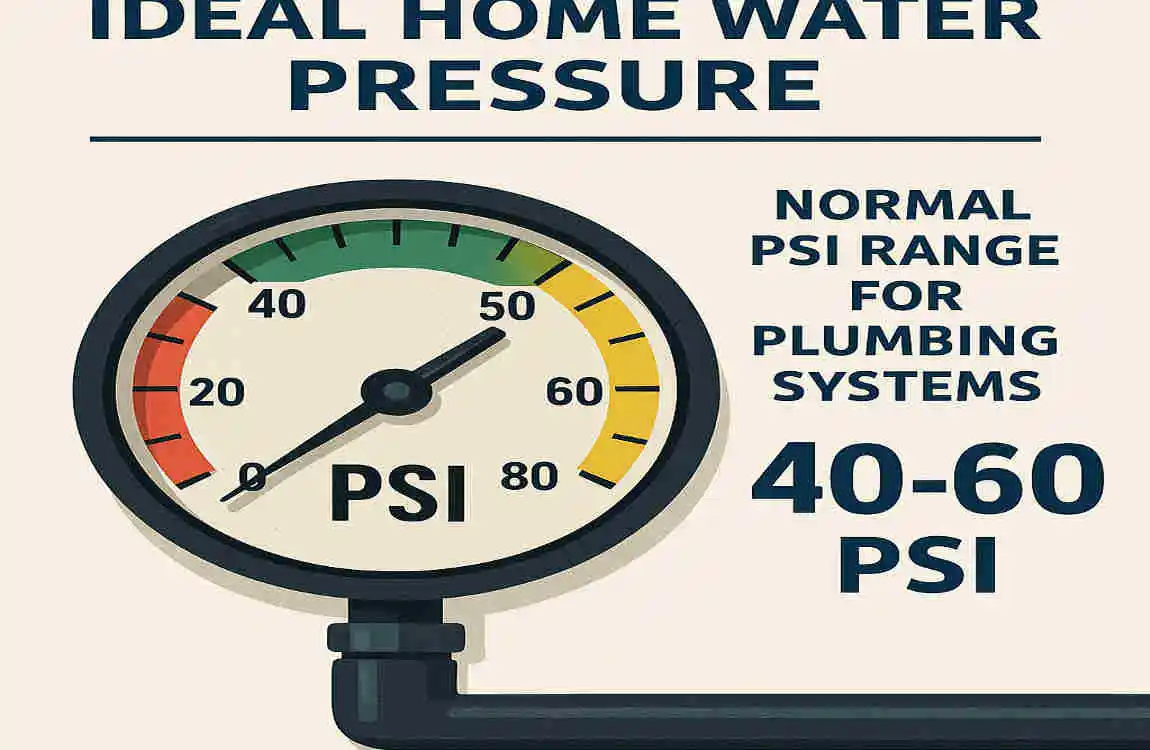
Have you ever stepped into the shower, turned on the faucet, and felt like you’re getting a weak trickle instead of a refreshing blast? Or maybe you’ve noticed leaky pipes and wondered if something’s off with your home’s water system. These are classic signs of water pressure issues in house plumbing. The good news? The typical water pressure in most homes falls between 40 and 60 PSI, which is just right for everyday use without causing damage. But if yours is outside this range, it could lead to bigger problems like slow-filling toilets or even burst pipes.
Understanding the water pressure in a house’s plumbing system is key to keeping things running smoothly. PSI stands for pounds per square inch, and it’s the measure of force pushing water through your pipes. Too low, and your appliances struggle; too high, and you risk wear and tear. In this guide, we’ll dive deep into what affects your home’s water pressure, how to check it, and ways to fix it. Whether you’re a homeowner dealing with drippy faucets or just curious about your plumbing, stick around.
Understanding Water Pressure in House Plumbing
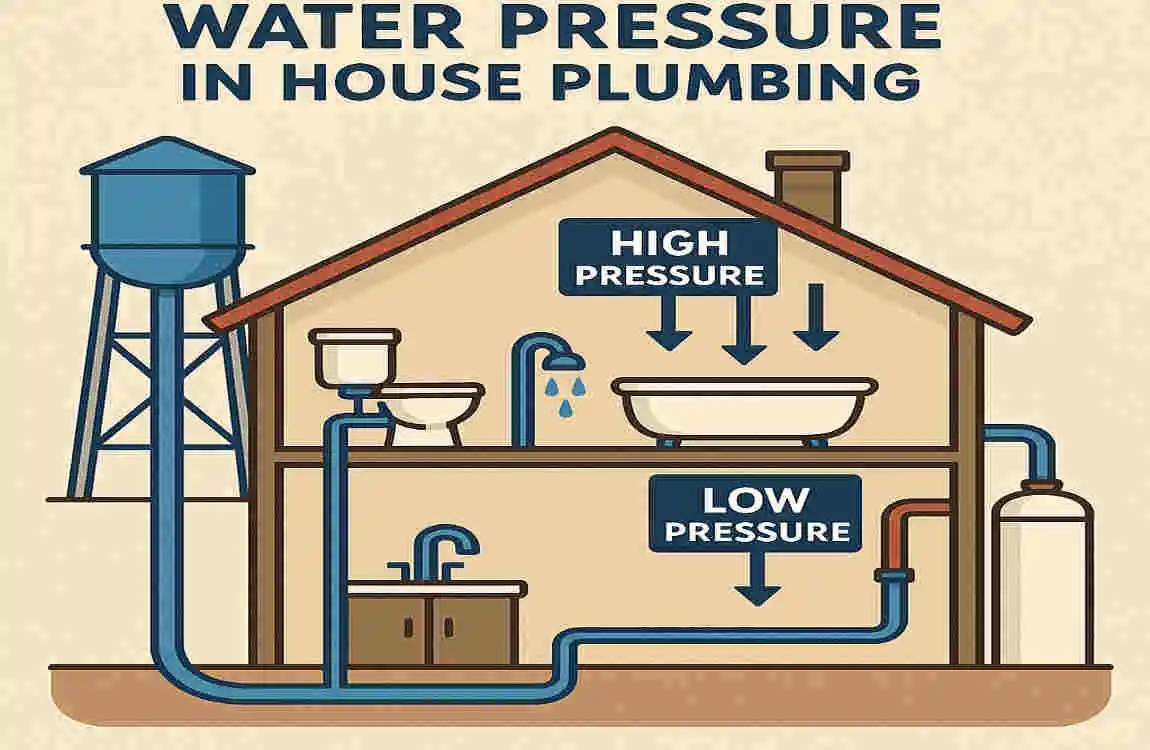
Water pressure in your home’s plumbing is basically the force that pushes water out of your faucets, showers, and appliances. It’s measured in PSI, which means pounds per square inch. Think of it like the power behind a garden hose—too little, and it’s a dribble; too much, and it might spray everywhere uncontrollably.
Most cities and towns supply water at around 50-100 PSI to neighborhoods. But before it reaches your taps, a pressure regulator often reduces it to a safer level for your pipes. This keeps things balanced and prevents damage. Without it, that high municipal pressure could overwhelm your home’s system.
Several factors play into what your actual pressure ends up being. Elevation is a big one—if your house is on a hill, gravity can lower the pressure as water travels uphill. Pipe size matters, too; narrower pipes create more resistance, reducing pressure. And don’t forget the distance from the street main—the farther away, the more pressure can dip due to friction along the way.
There’s also a difference between static and dynamic pressure. Static pressure is what you measure when no water is flowing, like the resting state of your system. Dynamic pressure kicks in when taps are open, and it can be lower due to the demand. For example, if multiple showers are running at once, you’ll notice a drop—that’s dynamic pressure at work.
Let’s debunk some common myths while we’re at it. A lot of people think higher PSI always equals better showers. Not true! Sure, it might feel great at first, but over time, excessive pressure can cause leaks, erode fixtures, and even lead to pipe bursts. It’s like revving your car engine too high—it wears out faster .
Another myth: Water pressure is the same everywhere in the house. Actually, it can vary by floor or room, depending on your setup. Basements might have higher pressure due to gravity, while upper floors could feel weaker.
Understanding these basics helps you spot issues early. If your pressure feels off, it’s not just annoying—it could signal bigger problems like clogs or leaks. We’ll explore how to measure it next, but for now, remember: Knowledge is the first step to a pressure-perfect home.
Ideal PSI Range for Home Plumbing
When it comes to ideal home water pressure, the sweet spot for most houses is 40-60 PSI. This range provides strong, consistent flow without overstraining your pipes and fixtures. It’s like Goldilocks—not too hot, not too cold, but just right for daily use .
Why this specific range? Below 40 PSI, things start to feel sluggish. Your shower might lack that invigorating spray, and appliances like dishwashers could take longer to operate efficiently. On the flip side, anything above 60 PSI ramps up the risk of wear and tear. Pipes can vibrate, joints might loosen, and you could end up with higher water bills from leaks.
The maximum safe PSI is generally 80, but even that’s pushing it for long-term use. Experts recommend staying under that limit to avoid disasters like sudden bursts, especially in older homes with aging plumbing.
To break it down further, here’s a handy table showing PSI ranges and their effects:
PSI Range Status Effects on Plumbing/Fixtures
Below 30 Too Low Weak flow, slow fills, appliance failure
30-40 Acceptable Functional but suboptimal showers/sinks
40-60 Ideal Strong flow, efficient appliances, no strain
60-80 High Risk of leaks; monitor closely
Above 80 Dangerous Pipe bursts, fixture damage, high bills
This table is based on standard residential guidelines. Imagine a diagram here: A pressure gauge with color-coded zones—green for 40-60, yellow for caution areas, and red for danger. It would make it easy to visualize at a glance.
Different homes might need slight adjustments. For instance, if you have a multi-story house, you might aim for the higher end of the ideal range to ensure good pressure upstairs. Well systems versus municipal supplies can also influence what’s “normal” for you.
Remember, the normal water pressure range isn’t one-size-fits-all. Factors like local regulations play a role—some areas cap incoming pressure at 80 PSI by code. Always check your local building standards to stay compliant.
In short, sticking to 40-60 PSI keeps your plumbing happy and your home hassle-free. If you’re wondering how yours stacks up, the next section will guide you through measuring it yourself.
How to Measure Water Pressure in Your House
Measuring your home’s water pressure is easier than you might think, and it’s a smart DIY task that can save you from having to call a plumber right away. All you need is a simple pressure gauge, which you can pick up for $10-20 at a hardware store. It’s like a blood pressure cuff for your pipes!
Start by locating an outdoor spigot or a laundry faucet—these are great spots because they’re close to the main water line. Make sure no other water is running in the house to get an accurate static reading. Screw the gauge onto the faucet tightly, then turn the water on full blast. Watch the needle or the digital readout; that’s your PSI.
For the best results, test multiple locations. Try a kitchen sink and a bathroom faucet to see if pressure varies around the house. This helps spot issues like clogs in specific lines. Pro tip: Measure both hot and cold lines separately, as water heaters can sometimes affect pressure.
Timing matters too. Peak usage hours, like early morning when everyone’s showering, can lower dynamic pressure due to high demand in the neighborhood . Test during off-peak times for a baseline, then again during busy periods to compare.
If your reading seems off, double-check for errors. Is the gauge calibrated? Are there air bubbles in the line? Troubleshooting these can make a big difference. And if you’re on a well system, measure at the pressure tank for the most accurate info.
Once you have your numbers, compare them to the ideal 40-60 PSI range we discussed. Too low or high? Don’t panic—we’ll cover causes and fixes soon. Measuring regularly, say once a year, keeps you ahead of problems.
Causes of Abnormal Pressure
Abnormal water pressure can sneak up on you, turning small annoyances into major headaches. Let’s break down the common culprits, starting with low pressure issues.
One big cause of low pressure is clogged aerators or filters in your faucets and showerheads. Over time, mineral buildup from hard water blocks the flow, making everything feel weak. It’s an easy fix— just unscrew and clean them out.
Leaks are another sneaky offender. Even a small drip in your pipes can reduce overall pressure as water escapes before reaching your taps. Check for wet spots under sinks or in the basement. Corrosion in older pipes does the same, narrowing the pathway and slowing things down .
If you’re on a well system, a faulty pump could be to blame. Municipal supplies aren’t immune either—low street pressure from city maintenance or high demand can affect your home .
Now, flipping to high pressure risks. A malfunctioning pressure regulator is often the villain here. This valve is supposed to cap incoming water pressure, but if it fails, PSI can spike dangerously.
Elevation plays a role too. Homes at lower points might experience higher pressure from gravity-fed systems. Frozen pipes in winter can create blockages that unevenly build pressure once they thaw.
Visualize this: Before installing a regulator, pipes might bulge under strain; after, everything flows smoothly. Images like that highlight the difference.
Other factors include faulty valves or even recent home renovations that altered pipe layouts. Identifying the cause is the first step toward restoring balance.
Solutions to Achieve Ideal Pressure
Fixing water pressure issues doesn’t have to be overwhelming. Whether it’s too low or too high, there are practical steps to get back to that 40-60 PSI sweet spot. Let’s tackle low pressure first.
For low pressure, start simple: Clean your fixtures. Remove aerators and soak them in vinegar to dissolve buildup. Flush your lines by running water through all taps to clear debris.
If that doesn’t cut it, consider a booster pump. These devices increase pressure throughout the entire house or specific areas, making them ideal for large homes or well systems. Installation might run $500-1500, but it’s worth it for consistent flow .
On the high side, reducing pressure is crucial to avoid damage. The go-to solution is to add or adjust a pressure-reducing valve (PRV). This gadget installs on your main line and dials down incoming force to safe levels .
Here’s a cost breakdown to help you plan:
Solution Cost Range DIY/Pro
PRV Install $200-500 Pro recommended
Gauge $10-30 DIY
Booster Pump $500-1500 Pro
Costs based on typical estimates. Always factor in local labor rates.
Maintenance is key for long-term success. Schedule annual checks of your regulator and pipes. In winter, insulate exposed lines to prevent freezing-induced pressure spikes .
DIY folks can handle basic fixes like cleaning or gauge testing, but for pumps or PRVs, call a pro to avoid mishaps. With these solutions, you’ll enjoy reliable pressure year-round.
Benefits of Optimal PSI
Maintaining the ideal 40-60 PSI offers perks beyond better showers. For starters, it saves water and energy. Appliances run more efficiently, using less energy to get the job done, which trims your utility bills.
It also extends the life of your plumbing. No excessive strain means fewer repairs and longer-lasting fixtures. Imagine avoiding those emergency plumber calls!
User experience skyrockets too. Invigorating showers, quick-filling tubs—it’s the little things that make home life better. Plus, consistent pressure prevents frustrations like uneven hot water.
