
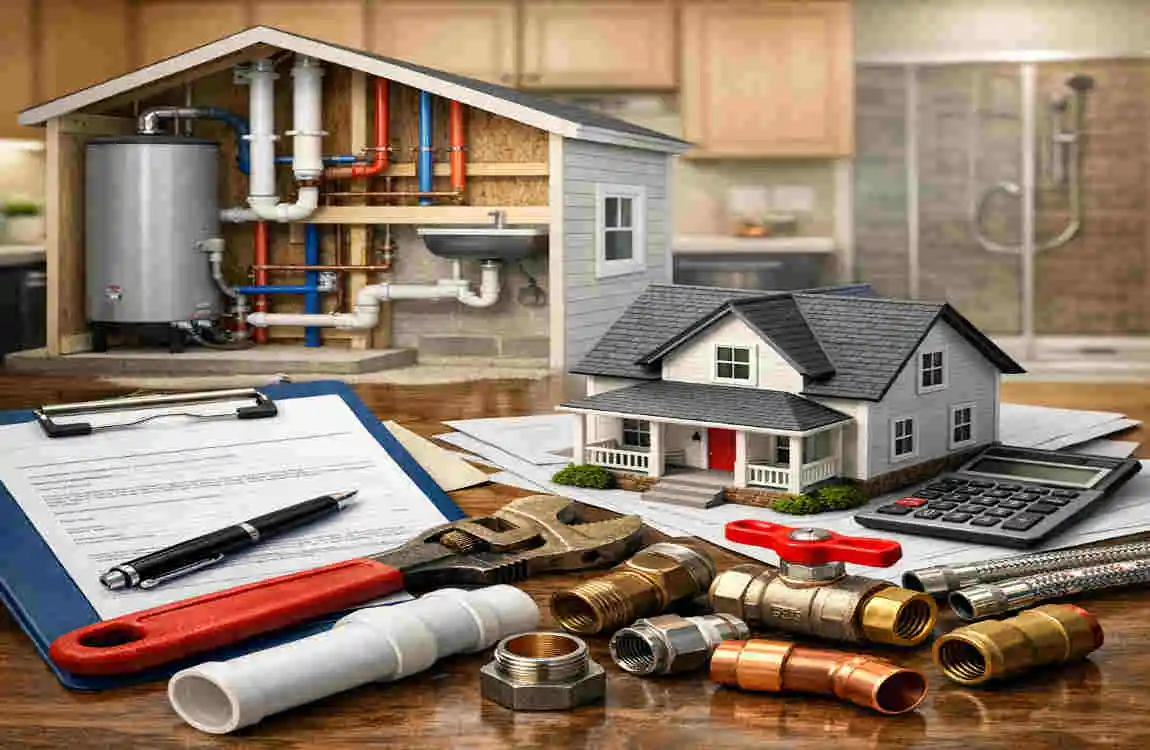
When you buy or keep homeowners insurance, your plumbing matters more than many people realize. Old, weak, or risky pipes can lead to leaks, water damage, and expensive claims, and that can make insurers less comfortable covering your home. On the other hand, modern, durable plumbing systems usually look better to insurance companies because they reduce the risk of major problems.
If you are wondering what the best type of plumbing is for insurance, the short answer is this: PEX and copper are often the preferred choices. They are known for being dependable, long-lasting, and less likely to cause serious water damage.
Why Plumbing Type Matters for Home Insurance
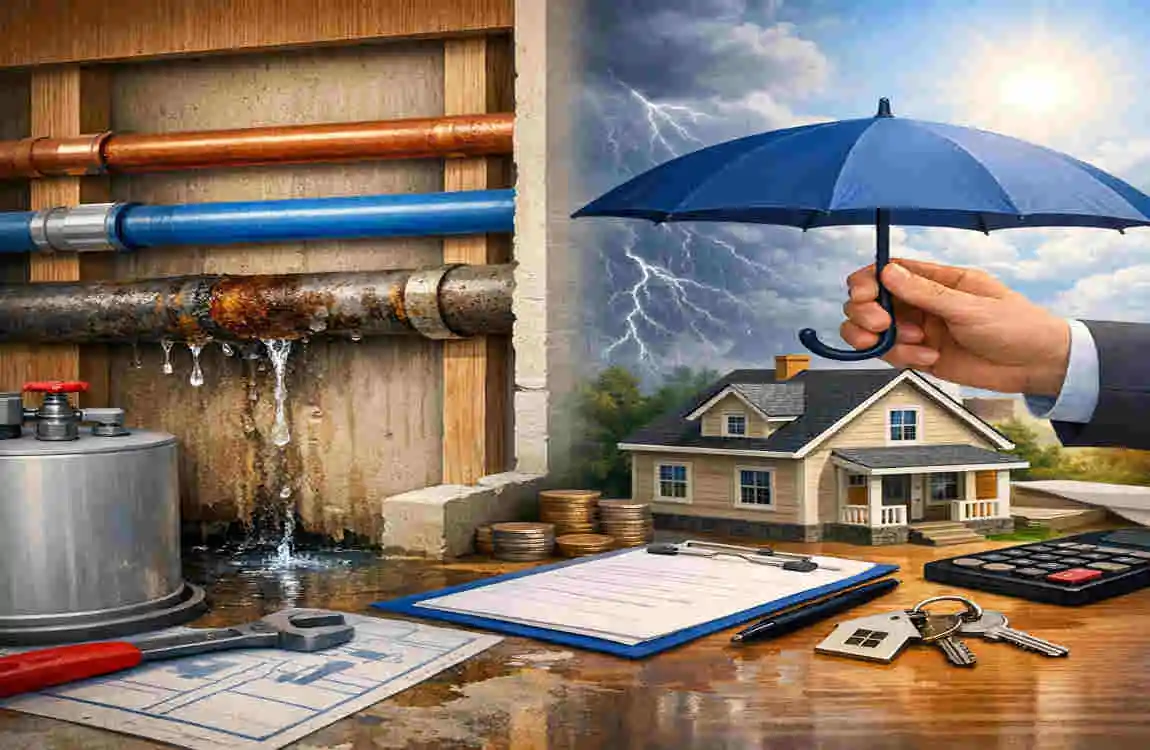
How Plumbing Affects Insurance Premiums
Insurance companies look at risk. If your plumbing is old or known to fail, they may see your home as more likely to need a claim. That can affect your premium, your coverage, or even whether they want to insure the home.
Older pipes can cause:
- More water damage claims
- Higher repair costs
- Ongoing maintenance concerns
Newer plumbing systems usually lower those risks. That is why many homeowners with updated pipes have an easier time getting coverage.
The Connection Between Plumbing and Water Damage Claims
Water damage is one of the most common home insurance claims. It often comes from:
- Burst pipes
- Corrosion inside pipes
- Hidden leaks
- Sewer backups
Because of this, insurers prefer plumbing materials that are strong, stable, and less likely to fail.
What Is the Best Type of Plumbing for Insurance?
PEX Plumbing – A Popular Insurance-Friendly Option
PEX is a flexible plastic piping system used in many newer homes. It is one of the most insurance-friendly options because it is:
- Flexible
- Resistant to freezing
- Less expensive to install
- Built with fewer connection points
Fewer joints can mean fewer places for leaks to start. That is a big reason many homeowners and insurers like it.
Copper Plumbing – A Trusted Traditional Choice
Copper has been used in homes for a long time, and for good reason. It is known for being:
- Durable
- Heat-resistant
- Long-lasting
- Reliable over time
Copper is often viewed very well by insurers. The main downside is cost. It is usually more expensive than PEX, and in some areas, theft can be a concern because copper has value.
CPVC Plumbing – Affordable and Practical
CPVC is another plastic pipe option. It is often used because it is:
- Lightweight
- Corrosion-resistant
- Budget-friendly
It can be a practical choice for many homes, but some insurers may view it as slightly less robust than PEX or copper, especially as it ages.
Best Plumbing Materials Ranked for Insurance Approval
Plumbing Material Insurance Risk Level Main Benefits
PEX Low Flexible, durable, freeze-resistant
Copper Low Long-lasting and reliable
CPVC Medium-Low Affordable and corrosion-resistant
PVC Medium Common for drainage systems
Galvanized Steel High Older material prone to corrosion
Polybutylene High Known failure concerns
Plumbing Types That May Cause Insurance Problems
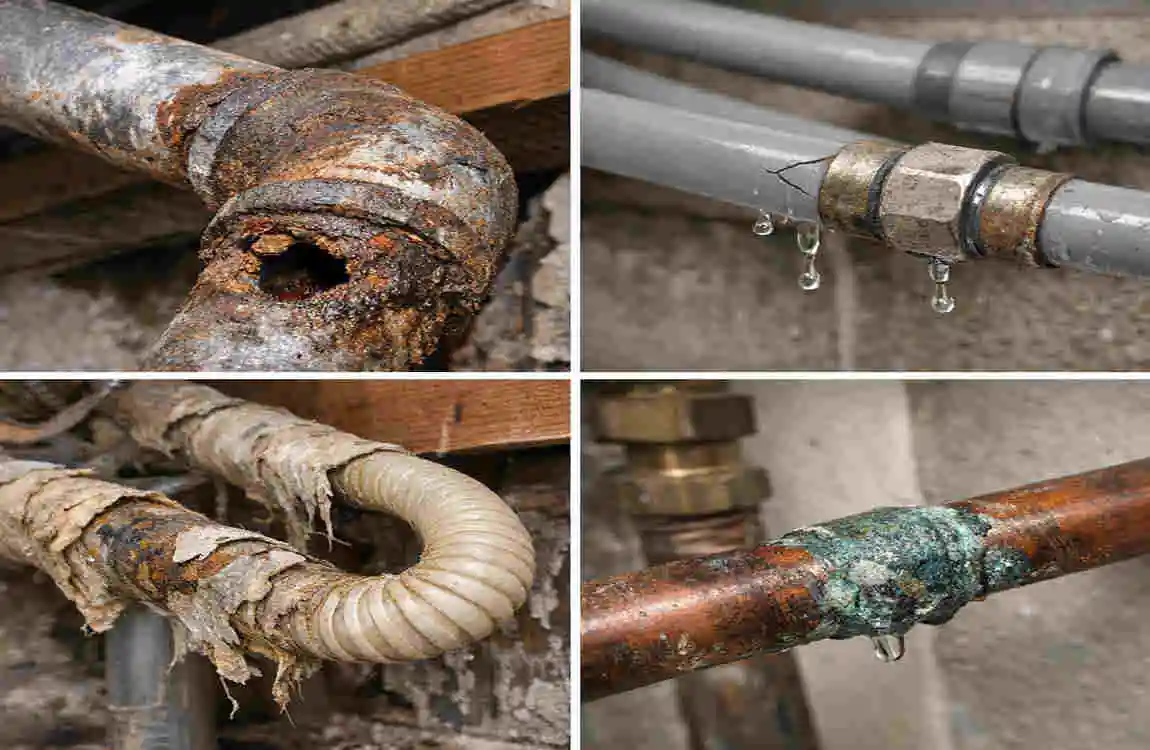
Galvanized Steel Pipes
Galvanized steel is an older material. Over time, it can rust on the inside, which causes:
- Rust buildup
- Poor water flow
- Leaks
Many insurers dislike galvanized steel because it often comes with age-related problems.
Polybutylene Pipes
Polybutylene is one of the biggest red flags for insurers. It has a long history of failure concerns, especially as it gets older. Problems often include:
- Cracking
- Leaks
- Weak long-term performance
If your home has polybutylene pipes, an insurer may ask for replacement before offering full coverage.
Old Cast Iron Plumbing Systems
Cast iron is often found in older drain systems. It can last for years, but eventually it may:
- Corrode
- Crack
- Become costly to replace
Because of those issues, insurers may see it as a risk if it is aging badly.
Factors Insurance Companies Consider When Evaluating Plumbing
Age of the Plumbing System
Older plumbing usually means more risk. Different materials have different lifespans, so insurers may ask when the pipes were installed and what material was used.
Plumbing Maintenance History
A home with good care looks better than a home with neglect. Insurers like to see proof of:
- Regular inspections
- Leak repairs
- Professional servicing
Previous Water Damage Claims
If your home has had several water damage claims, your insurer may be concerned about recurring issues. Even if the plumbing is not the only issue, the claims history still matters.
Professional Installation and Permits
Licensed work matters. If the plumbing was installed by a certified professional and the right permits were pulled, that can help during insurance review.
How to Make Your Plumbing More Insurance-Friendly
Replace Outdated Pipes
If your plumbing is old and prone to problems, replacement may be worth it. Warning signs include:
- Frequent leaks
- Rust-colored water
- Low water pressure
Install Leak Detection Devices
Leak detectors can catch problems early. That means less damage, smaller claims, and more peace of mind.
Schedule Regular Plumbing Inspections
A yearly or periodic inspection can help spot trouble before it becomes serious. Ask the plumber to check:
- Pipes
- Water heater connections
- Drain systems
Keep Plumbing Records
Save your:
- Repair receipts
- Installation papers
- Inspection reports
These records can help prove that your plumbing has been maintained properly.
PEX vs Copper Plumbing: Which Is Better for Insurance?
FeaturePEXCopper
Durability Excellent Excellent
Cost Lower Higher
Freeze Resistance Better Lower
Installation Easier More Complex
Insurance Acceptance Generally Good Generally Good
Choosing the Right Option for Your Home
Both are strong choices. Your best option depends on:
- Climate
- Budget
- Home age
- Local building codes
If you live in a colder area, PEX may be more attractive because it handles freezing better. If you want a long-proven material, copper is still an excellent choice.
Does Replacing Plumbing Lower Home Insurance Costs?
Possible Insurance Benefits
Replacing old plumbing may help because it can:
- Reduce risk
- Improve insurability
- Lower the chance of costly damage
Why Savings Are Not Guaranteed
Even if you upgrade your pipes, your rate may still depend on:
- Location
- Home value
- Claim history
- The insurance company’s rules
So yes, upgrades can help, but they do not always lead to a lower premium.
Common Plumbing Mistakes That Affect Insurance Coverage
Here are a few mistakes homeowners should avoid:
- Ignoring small leaks
- Using unlicensed contractors
- Delaying pipe replacement
- Not updating insurance after major renovations
- Failing to maintain the plumbing system
Small problems can turn into big claims fast, so staying ahead matters.
Expert Tips for Choosing Insurance-Friendly Plumbing
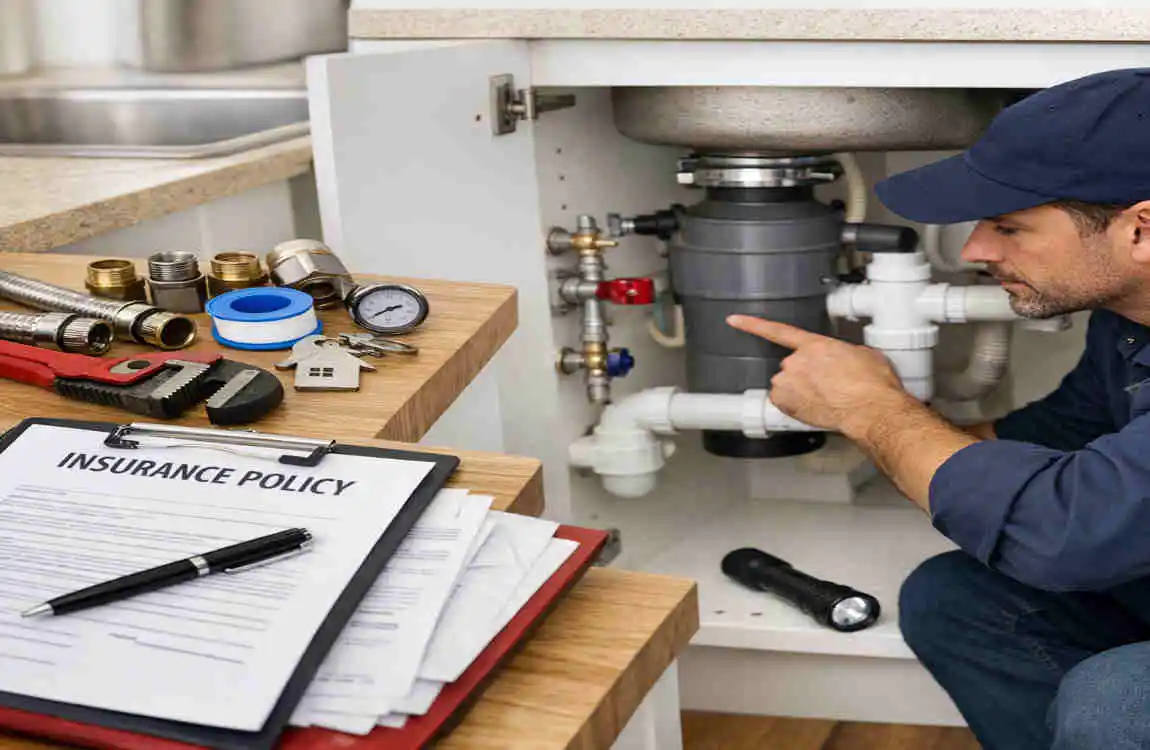
To keep your home safer and more appealing to insurers:
- Choose durable materials
- Follow local plumbing codes
- Hire certified professionals
- Keep maintenance records
- Upgrade older plumbing before it fails
These simple steps can save you stress later.
Frequently Asked Questions
What is the best type of plumbing for insurance?
PEX and copper plumbing are generally considered the best because they are durable and less likely to cause major water damage.
Do insurance companies prefer PEX or copper pipes?
Many insurers accept both. The choice often depends on the company, the home, and local building rules.
Which plumbing pipes can cause insurance problems?
Polybutylene and galvanized steel are often the most concerning because they are associated with leaks and failures.
Can replacing old plumbing reduce insurance costs?
It may help improve your home’s insurability, but lower premiums are not guaranteed.
How often should homeowners inspect plumbing systems?
Regular inspections are a smart idea, especially for older homes or homes with aging pipes.
Is PEX plumbing safe for long-term home use?
Yes. PEX is widely used in modern homes and is considered a safe and practical choice.
| Plumbing Type | Insurance Friendliness | Benefits | Possible Concerns |
|---|---|---|---|
| PEX Plumbing | Highly preferred by many insurers | Flexible, affordable, resistant to freezing, fewer leak points | Quality depends on installation and fittings |
| Copper Plumbing | Often viewed positively | Durable, long-lasting, heat-resistant, reliable | Higher installation cost; can corrode in some conditions |
| PVC Plumbing | Generally accepted for drainage systems | Low cost, lightweight, easy repairs | Not suitable for hot water supply in many cases |
| CPVC Plumbing | Depends on insurer and location | Affordable, easy to install, corrosion-resistant | Can become brittle over time |
| Galvanized Steel Pipes | Less preferred | Strong older plumbing material | Rust, corrosion, leaks, and insurance concerns |
| Polybutylene Pipes | Often considered high risk | Cheap and easy to install | Known for failures and may affect coverage |
| Cast Iron Pipes | Mixed insurance opinions | Durable drainage option in older homes | Aging pipes may crack or leak |
