

Homeowners renovate for many reasons. Some want a fresher look. Others need more space, better comfort, or repairs to old systems. A renovation can make a home feel new again, but it can also become expensive very fast if you do not plan well.
That is why understanding how much home renovations cost matters before you begin. Costs vary based on your home’s size, material quality, labor required, location, and project size. A simple paint job is very different from a full kitchen rebuild or a whole-house upgrade.
How Much Do Home Renovations Cost on Average?
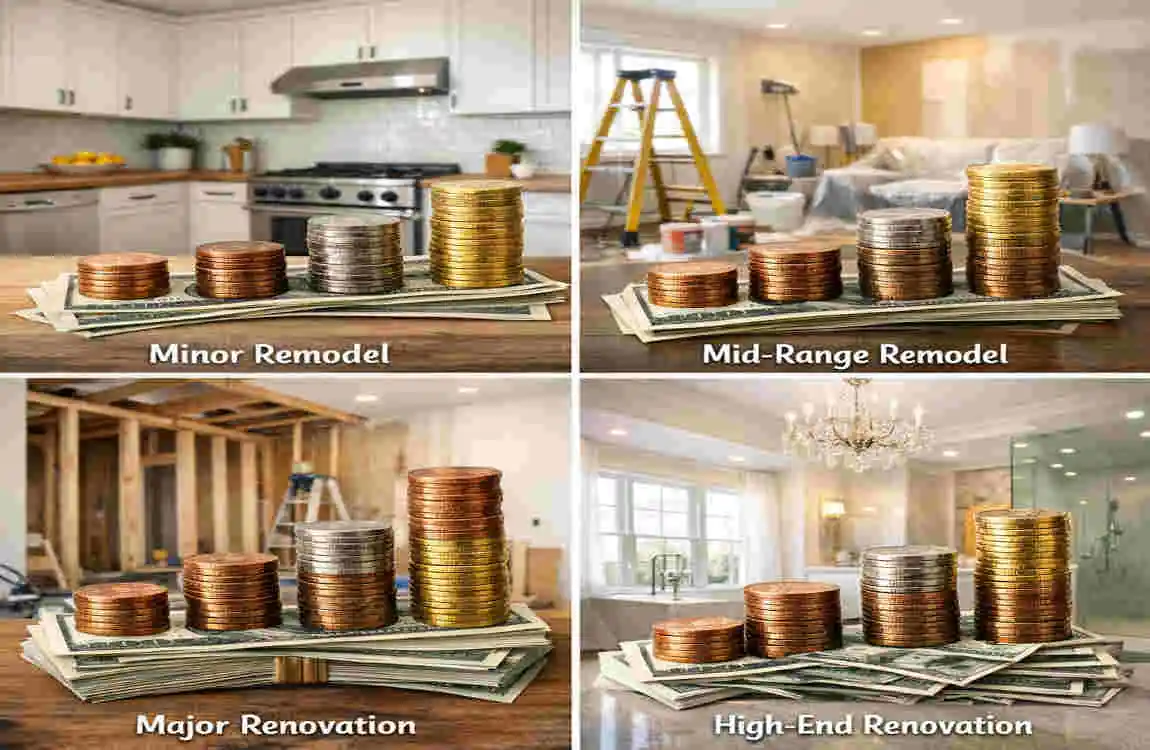
Average Home Renovation Cost Range
Home renovation prices can vary a lot, but these general ranges give you a helpful starting point.
Renovation Type Average Cost Range
Minor Updates $5,000–$15,000
Mid-Range Renovation $20,000–$75,000
Major Whole-House Renovation $100,000–$300,000+
Luxury Renovation $300,000+
A minor update usually means cosmetic work, such as painting, replacing fixtures, or updating flooring in one area. A mid-range renovation often includes bigger changes such as a kitchen remodel or a bathroom upgrade. A major renovation may involve several rooms, structural work, or major system improvements. A luxury renovation uses premium materials, custom design, and high-end finishes.
The most important thing to remember is this: small cosmetic improvements cost far less than structural changes. If you only want your home to look better, you may spend much less than someone who is opening walls, moving plumbing, or changing the layout.
Factors That Affect Home Renovation Costs
Size and Condition of Your Home
The bigger your home is, the more materials and labor you usually need. A 1,000-square-foot home will cost less to renovate than a 3,000-square-foot home. That sounds simple, but the condition of the home matters just as much.
Older homes often hide problems behind walls, under floors, or above ceilings. You might find outdated wiring, old plumbing, water damage, or weak framing. These issues can raise the final cost quickly because they must be fixed before the main renovation can continue.
Type of Renovation Project
Not all projects cost the same. Some rooms are easier and cheaper to update than others.
Kitchen remodeling often costs more because it may include cabinets, counters, appliances, plumbing, and electrical work.
Bathroom upgrades can also become expensive due to tile, waterproofing, and plumbing changes.
Basement finishing usually needs insulation, drywall, flooring, and lighting.
Home additions are among the most expensive projects because they add square footage and may require foundation work.
Exterior improvements like siding, roofing, or new windows can also be costly, especially if the home is older.
Material Quality and Design Choices
Your design choices have a big impact on the total price. Budget materials keep costs lower, while premium finishes raise the bill.
For example, laminate counters cost much less than quartz or marble. Basic cabinets are cheaper than custom-built ones. Standard fixtures are more affordable than designer ones. The same goes for flooring, lighting, and appliances.
It helps to decide early where you want to save and where you want to spend more. A smart plan is to invest in the features you use most and keep the rest simple.
Labor and Contractor Costs
Labor is often one of the largest parts of a renovation budget. Skilled workers cost more, but their experience can save you trouble later. Licensed contractors, plumbers, electricians, and tile installers usually charge based on the job’s complexity and your local market.
Hiring the cheapest contractor is not always the best choice. A low price may look good at first, but poor work can lead to repairs, delays, or safety problems later. Paying for experienced, licensed professionals is often worth it.
Room-by-Room Home Renovation Cost Breakdown
Kitchen Renovation Cost
The kitchen is one of the most expensive rooms to renovate because it combines design, plumbing, electrical work, and appliances.
Kitchen Upgrade Estimated Cost
Minor Kitchen Update $5,000–$15,000
Standard Remodel $20,000–$50,000
High-End Kitchen Renovation $75,000+
A minor update may include painting the cabinets, replacing the hardware, changing the lighting, and installing a new sink or faucet. A standard remodel often includes new cabinets, countertops, flooring, and appliances. A high-end kitchen may involve custom cabinets, premium materials, layout changes, and luxury finishes.
Common kitchen costs include cabinet replacement, countertops, appliances, lighting, and plumbing or electrical upgrades. If you move sinks, ovens, or refrigerators to a new location, the price goes up because the utility lines must also move.
Bathroom Renovation Cost
Bathrooms are smaller than kitchens, but they can still be expensive because of moisture protection, tile work, and plumbing.
Typical bathroom renovation costs are:
- Small bathroom remodel: $5,000–$15,000
- Medium bathroom renovation: $15,000–$30,000
- Luxury bathroom remodel: $40,000+
A basic bathroom project may include a new vanity, toilet, sink, mirror, and paint. A larger remodel may include a new shower, upgraded tile, improved lighting, and plumbing changes. Luxury bathrooms often add custom showers, soaking tubs, heated floors, and high-end finishes.
If you want to save money, keep the existing layout. Moving plumbing lines can quickly make a bathroom project much more expensive.
Basement Renovation Cost
Finishing a basement can add useful living space to your home. It is often used for a family room, home office, playroom, gym, or guest space.
Basement renovation costs depend on whether the space is already partly finished. An unfinished basement may need insulation, framing, drywall, flooring, lighting, heating, and electrical work. If moisture or drainage issues exist, those must be fixed first.
In many cases, basement finishing falls into the mid-range renovation category, but the final price depends on square footage and the extent of the work.
Living Room Renovation Cost
Living rooms usually cost less than kitchens and bathrooms because they require less plumbing work. Still, the price can add up if you change flooring, lighting, or built-in features.
Common updates include flooring replacement, painting, fireplace upgrades, built-in storage, and lighting improvements. If you want a simple refresh, this room can often be updated at a lower price than other parts of the home.
Bedroom Renovation Cost
Bedroom renovations are often more affordable because they are mostly cosmetic. Paint, flooring, and storage changes can make a big difference without a huge budget.
Popular bedroom updates include flooring upgrades, closet improvements, new paint, décor changes, and window replacements. If you want a peaceful and practical bedroom, focus on comfort, storage, and light.
Whole House Renovation Cost Breakdown
A whole-house renovation is a major project. It can be simple or very complex depending on what you want to change.
Cosmetic Renovation
A cosmetic renovation improves the look of the home without changing the structure. This can include painting, new flooring, updated fixtures, and basic interior design changes.
This type of project is usually more affordable because it does not require major construction. It is a good choice if your home is in decent condition but feels outdated.
Structural Renovation
Structural renovation is much more serious. It may involve wall removal, foundation repairs, roof replacement, electrical rewiring, and plumbing upgrades.
These projects cost more because they require skilled labor, permits, inspections, and often more time. Structural work also has more risk, especially in older homes where hidden damage is common.
Luxury Home Renovation
Luxury renovations focus on custom design and high-end living. These projects may include smart home technology, premium materials, designer lighting, custom cabinetry, and top-quality finishes.
This level of renovation is usually the most expensive because almost every detail is upgraded. If you want a unique and polished result, expect a much larger budget.
Home Renovation Cost by Square Foot
One easy way contractors estimate prices is by square foot. This gives you a general idea of what your project might cost.
Renovation Level Cost Per Square Foot
Basic Renovation $15–$60 per sq. ft.
Mid-Range Renovation $60–$150 per sq. ft.
High-End Renovation $150+ per sq. ft.
This method helps you compare project sizes. A larger home may cost more overall, but the cost per square foot can sometimes be lower because work is spread across more space.
Still, square-foot pricing is only a starting point. Details such as layout changes, material quality, and hidden repairs can affect the final number.
Additional Costs to Consider During Renovations
Permits and Inspection Fees
Many renovation projects need permits. Local rules may require approval before construction starts, and inspections may be needed during or after the work.
These fees are easy to overlook, but they are part of the real renovation cost. Skipping permits can cause bigger problems later, especially if you sell the home.
Design and Planning Costs
Some projects need architects, interior designers, or planning experts. These services help you make better decisions and avoid expensive mistakes, but they add to the budget.
If your project is simple, you may not need full design help. For larger or more complex renovations, planning support can save time and reduce confusion.
Unexpected Repairs
Hidden issues are one of the biggest reasons renovation budgets grow. Common surprises include:
- Water damage
- Mold
- Electrical problems
- Structural damage
Old homes are especially likely to have hidden repairs. That is why it is smart to leave extra room in your budget.
Temporary Living Expenses
If the renovation is extensive, you may need to live elsewhere for a while. You may also need storage space for furniture and household items.
These costs are often forgotten in the early planning stage. But if the work affects your kitchen, bathroom, or multiple rooms, temporary living expenses may become necessary.
How to Create a Home Renovation Budget
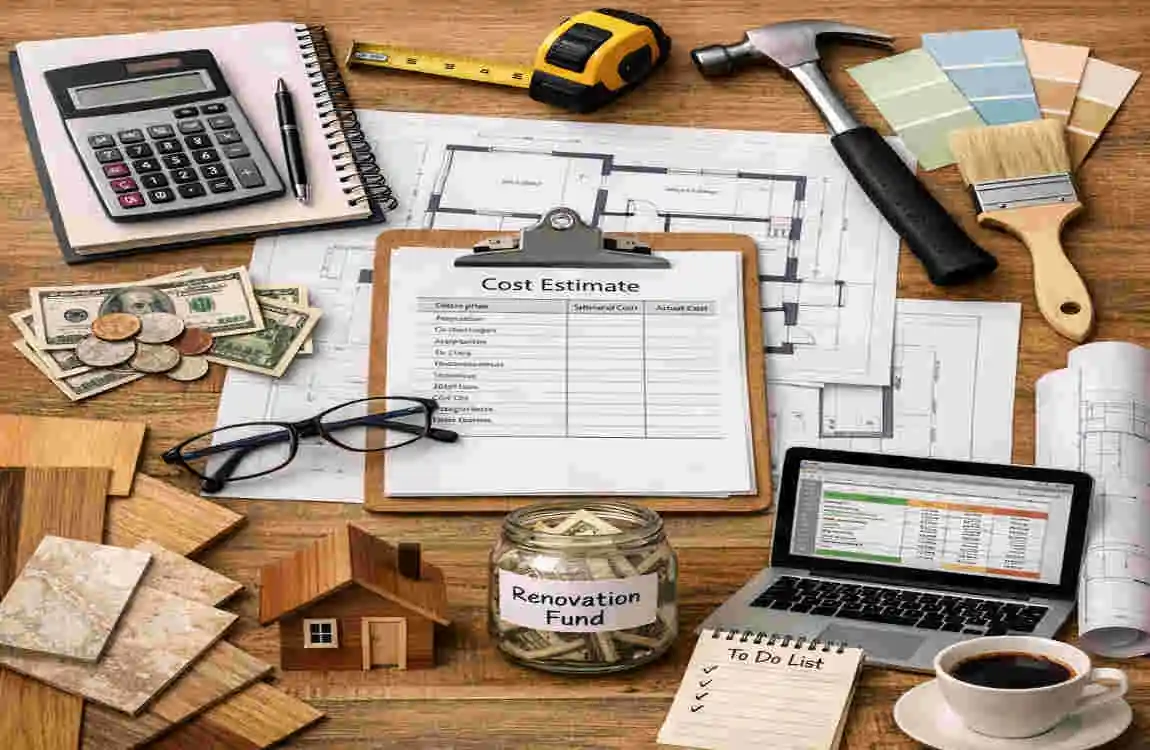
Define Your Renovation Goals
Start by deciding what you really want. Make a clear list of must-have improvements and nice-to-have upgrades. This helps you stay focused and avoid spending on things that do not matter much.
Also think about your plans. Are you renovating to stay in the home for many years, or are you planning to sell soon? Your answer will affect how much you should invest.
Get Multiple Contractor Estimates
Always compare more than one quote. Different contractors may give very different prices for the same project.
Look at what each estimate includes. Check materials, labor, timelines, and cleanup. Also consider experience, communication, and reviews, not just price.
Keep an Emergency Fund
A good renovation budget includes extra money for surprises. A common rule is to add 10% to 20% more than your planned budget.
That extra cushion can help you handle delays, hidden damage, or price changes without stress.
Ways to Reduce Home Renovation Costs
If you want to save money, there are several smart choices you can make.
- Reuse existing materials when they are still in good shape.
- Choose affordable alternatives instead of premium finishes everywhere.
- Renovate in phases rather than all at once.
- Do simple DIY tasks like painting or basic cleanup.
- Shop around for materials before buying.
- Avoid unnecessary design changes that add labor costs.
Small savings in several areas can make a big difference in the final total.
Is Renovating a House Worth the Investment?
Increase Property Value
Many home upgrades can raise resale value. Kitchens and bathrooms often give strong returns because buyers notice them quickly. A clean, modern home can also sell faster than one that feels old or poorly maintained.
Improve Comfort and Functionality
Renovation is not only about money. It can also improve your daily life. A smarter layout, better lighting, energy-efficient features, and updated rooms can make the home easier and more pleasant to use.
Reduce Future Maintenance Costs
New systems and materials can lower repair costs over time. Updating old plumbing, wiring, roofing, or windows can prevent bigger problems later. In this way, renovation can be a practical long-term investment.
Home Renovation Cost Comparison Table
Project Average Cost
Painting Entire Home $3,000–$10,000
Flooring Replacement $5,000–$20,000
Kitchen Remodel $20,000–$75,000
Bathroom Remodel $10,000–$40,000
Basement Finishing $15,000–$50,000
Home Addition $50,000–$200,000+
Common Mistakes That Increase Renovation Costs
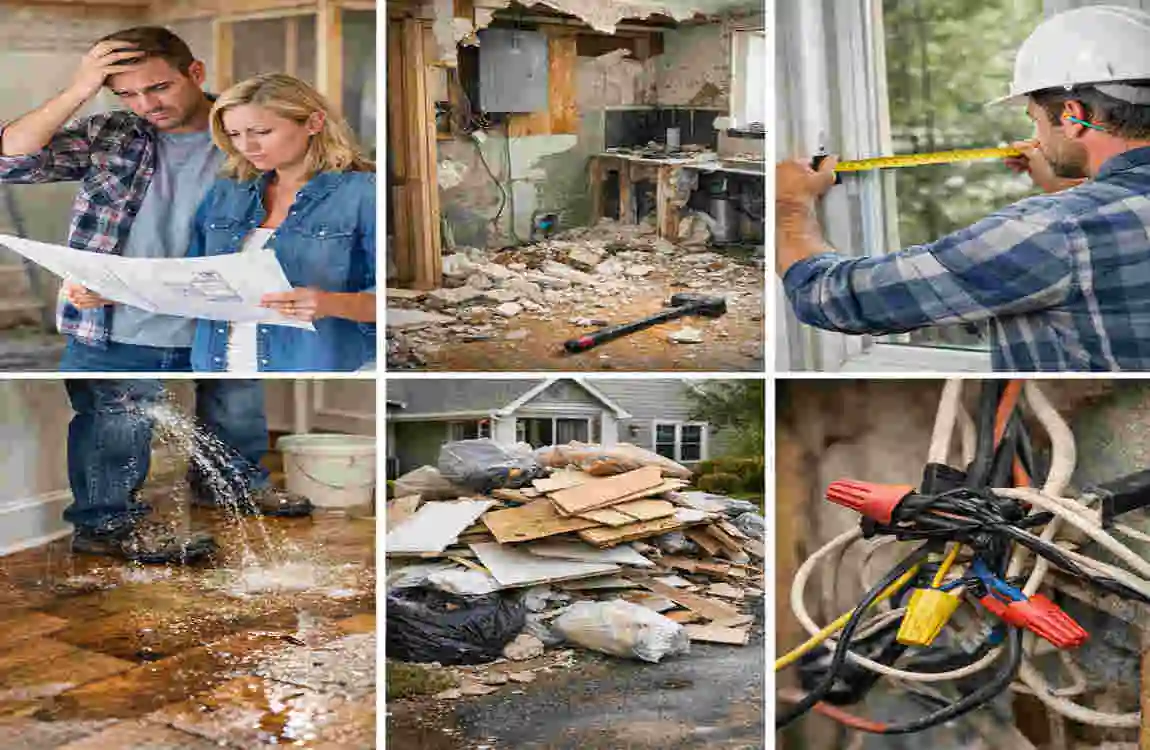
Many homeowners spend more than expected because of a few common mistakes. These include starting without a clear budget, choosing the cheapest contractor, changing plans during construction, ignoring permits, buying low-quality materials, and failing to plan for delays.
The best way to avoid these problems is to plan early, ask questions, and stay realistic about your goals. A well-planned renovation usually costs less than a rushed one.
Frequently Asked Questions
Q: How much do home renovations cost on average?
Average costs can range from $5,000 for small updates to $300,000+ for major luxury projects. The final price depends on project size, material quality, labor, and the condition of the home.
Q: What is the most expensive part of a home renovation?
The most expensive parts are often labor, structural changes, kitchens, bathrooms, and premium materials. Moving plumbing or electrical systems can also quickly raise costs.
Q: Can I renovate a house for $50,000?
Yes, you can often complete a moderate renovation with a $50,000 budget. This may include a kitchen update, a bathroom remodel, new flooring, or several cosmetic improvements. The key is choosing your priorities carefully.
Q: How long does a complete home renovation take?
Small projects may take a few days or weeks. Medium projects can take several weeks or a few months. Large whole-house renovations may take many months, especially if structural work is involved.
Q: Should I renovate my house before selling?
It depends on the condition of the home and the local market. In many cases, kitchen and bathroom updates, fresh paint, and new flooring can improve resale value and attract buyers.
Q: How can I estimate renovation costs before hiring a contractor?
You can start by checking project averages, comparing contractor quotes, and asking for a professional assessment. A clear list of goals will also help you get more accurate pricing.
| Renovation Type | Average Cost Range | Main Factors Affecting Cost |
|---|---|---|
| Kitchen Renovation | $10,000 – $50,000+ | Cabinets, countertops, appliances, plumbing, electrical work |
| Bathroom Remodel | $5,000 – $25,000+ | Fixtures, tiles, shower/tub upgrades, labor costs |
| Living Room Upgrade | $2,000 – $15,000 | Flooring, painting, lighting, furniture, built-ins |
| Bedroom Renovation | $1,500 – $10,000 | Flooring, closets, paint, lighting improvements |
| Basement Finishing | $20,000 – $75,000+ | Insulation, flooring, walls, plumbing, electrical systems |
| Home Addition | $50,000 – $200,000+ | Size, materials, permits, structural changes |
| Roof Replacement | $8,000 – $30,000 | Roof size, material type, labor, repairs |
| Flooring Replacement | $3,000 – $15,000 | Flooring material, square footage, installation |
| Painting (Interior/Exterior) | $2,000 – $10,000 | Home size, paint quality, labor |
| Whole-House Renovation | $100,000 – $300,000+ | Home condition, design changes, materials, contractor fees |
