
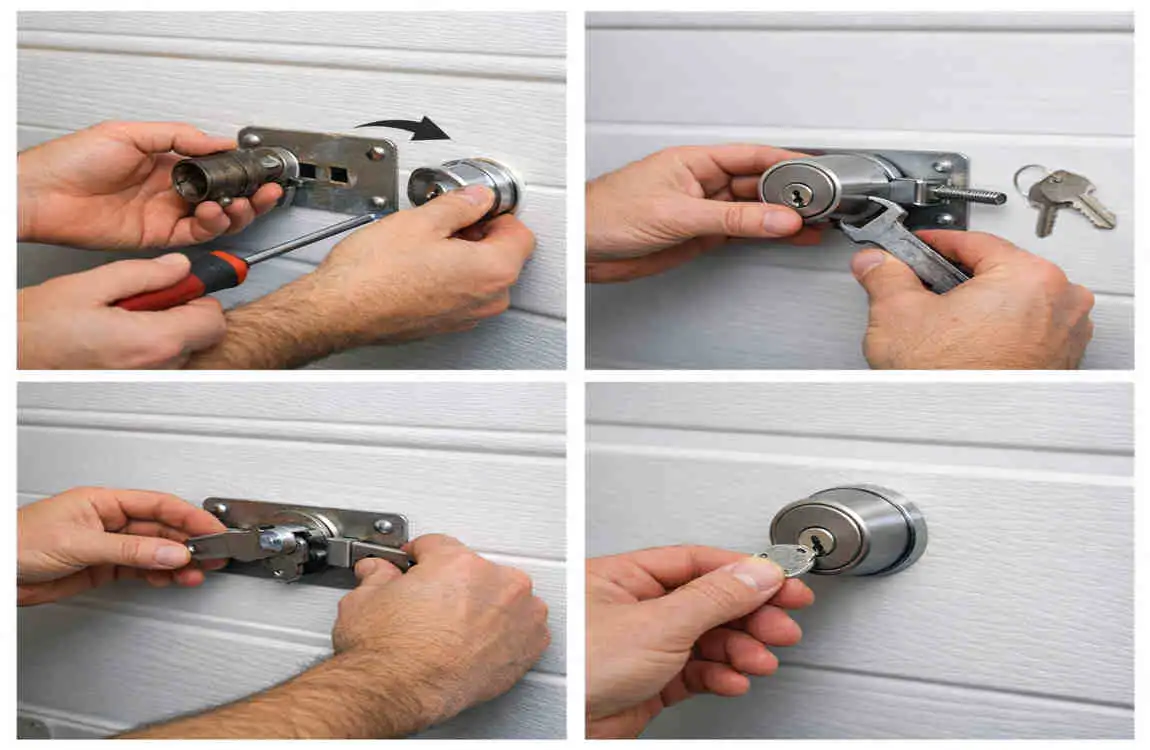
A garage door lock plays a bigger role in home safety than many people realize. It helps protect your tools, vehicles, stored items, and even the doorway between your garage and home. When the lock stops working well, replacing it becomes an important job.
You may need to learn how to change a garage door lock if the key is lost, the lock is worn out, or you just moved into a new home. In some cases, the lock may look fine but still feel loose, stick, or fail to catch properly. That is usually a sign that it is time for a replacement.
The good news is that many garage door lock replacements are simple enough for a homeowner to handle. With the right tools, a matching replacement part, and a careful step-by-step approach, you can often complete the job without much trouble.
Why Change a Garage Door Lock?
A garage door lock should work smoothly and feel secure every time you use it. If it does not, the whole garage may feel less safe.
There are several common reasons people choose to replace a garage lock. Some lose their keys. Others move into a new house and want a fresh start. In some cases, the lock becomes rusty, damaged, or too old to work properly.
Common reasons for replacement
- Lost or stolen keys
- Worn-out or damaged hardware
- Moving into a new home
- Improving garage door security
- Replacing a lock that no longer turns smoothly
Even if the lock still works, replacing it can give you peace of mind. If you do not know who may have a copy of the key, a new lock is often a smart choice.
Understand the Type of Garage Door Lock You Have
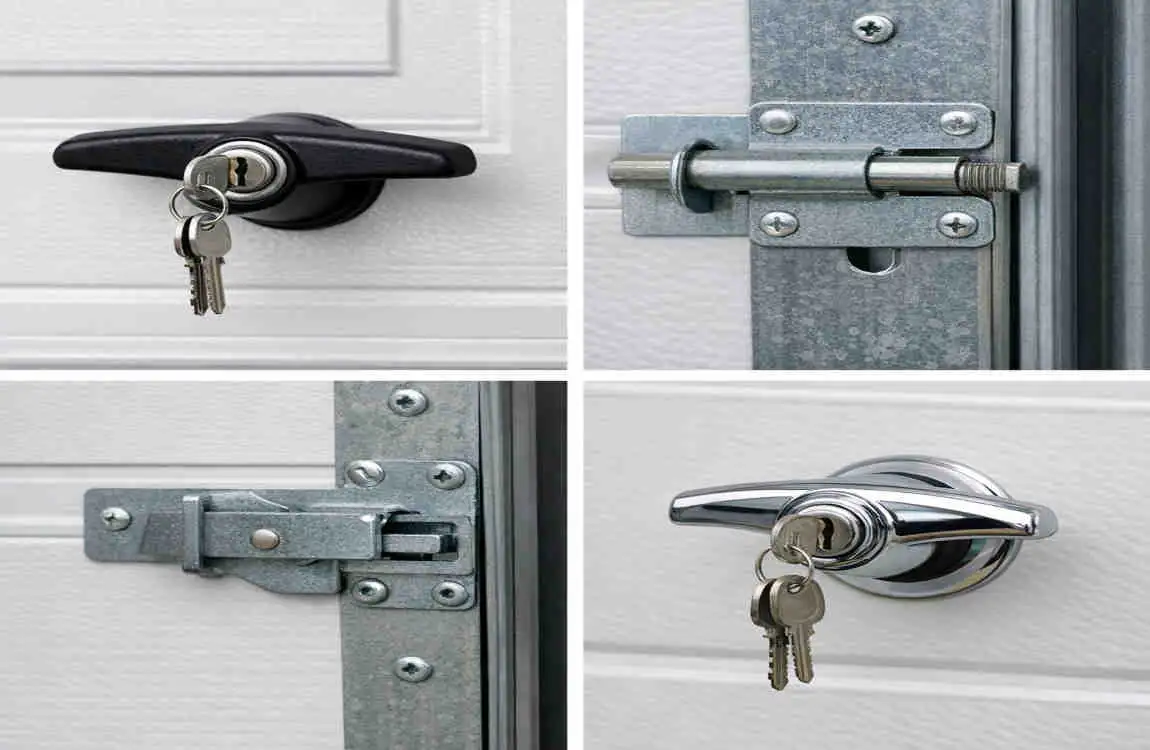
Before you start, you need to know what kind of lock is on your garage door. This matters because not every lock fits every door.
Common garage door lock types
T-handle locks
These are often found on older garage doors. They use an external handle and usually turn it to engage the locking bars inside.
Keyed cylinder locks
These use an exterior key and a lock mechanism that connects through the door. They are common on many standard garage doors.
Slide bolts and manual locks
These are simple locks that slide into place by hand. They are often used on interior garage doors or as extra security.
Electronic or smart garage locks
These are less common on basic garage doors but may be part of a larger smart security setup.
How to identify your existing lock
Take a close look at the outside handle, keyhole, and the way the lock connects to the door. Check whether it is mounted through the door panel or attached with screws to a separate plate.
Also look at the shape, size, and screw pattern. These small details help you find the right replacement. Choosing a compatible part is very important because the wrong lock may not align properly.
Tools and Materials You May Need
You do not need a huge toolbox for this job, but a few basic items will make the work much easier.
Basic tools
- Screwdriver
- Adjustable wrench
- Pliers
- Measuring tape
- Replacement lock
Depending on your garage door lock replacement, you may also need small nuts, bolts, or mounting hardware that comes with the new lock.
Before you start
Make sure the replacement lock is the right size and style for your door. Read the manufacturer’s instructions before touching the old lock.
It is also a good idea to keep the garage door closed while you work, when safe to do so. If the instructions say to disconnect an automatic opener, follow that advice first.
If needed, wear basic eye protection. Small screws and metal parts can slip, and it is better to be safe.
Quick pre-installation checklist
- Confirm the replacement lock fits your garage door
- Compare the old lock and the new lock side by side
- Keep all screws and parts nearby
- Read the installation guide fully before starting
How to Change Garage Door Lock Step by Step
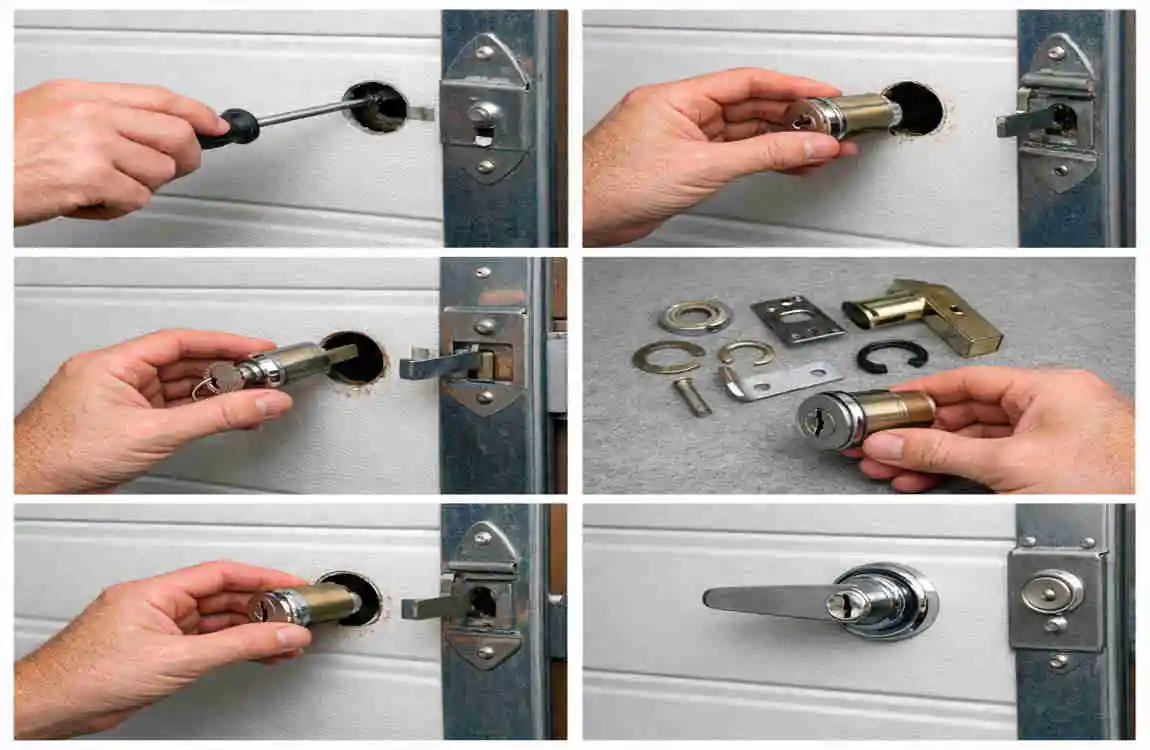
Now let’s walk through the process. If you follow each step carefully, you can usually complete the job without much stress.
Secure the garage door.
Before removing anything, make sure the door is stable. A moving or unbalanced door can make the job unsafe.
If your garage has an automatic opener and the instructions require it, disconnect the opener first. You do not want the door to move while you are working on the lock.
Remove the existing lock.
Find the screws or hardware holding the lock in place. Some locks are attached from the inside, while others use bolts that pass through the door.
Remove the old lock slowly and keep track of every screw, washer, and small part. Even if you are replacing everything, it helps to know how the old setup was arranged.
If the lock seems stuck, do not force it too hard. Check for hidden screws or rust before pulling.
Prepare the lock opening.
Once the old lock is out, inspect the opening and the surrounding area. Look for dirt, bent metal, loose holes, or damaged door material.
Clean away dust and debris so the new lock can sit flat. If the old hardware caused wear, you may need to smooth the area before installing the new part.
This step matters because a poor surface can cause alignment problems later.
Install the new lock.
Now place the replacement lock in the correct position. Make sure it faces the right direction and lines up with the holes in the door.
Insert the mounting hardware and tighten it carefully. Do not overtighten, because that can strip the screws or damage the door material.
As you install, keep checking the fit. The lock should sit flush and move without resistance.
Test the lock
After installation, lock and unlock the unit several times. The movement should feel smooth and natural.
Check that:
- The key turns correctly
- The handle moves without sticking
- The mechanism catches properly
- The garage door stays aligned
If anything feels off, stop and adjust before using the lock regularly. A small alignment issue can become a bigger problem if ignored.
Common Mistakes to Avoid When Replacing a Garage Door Lock
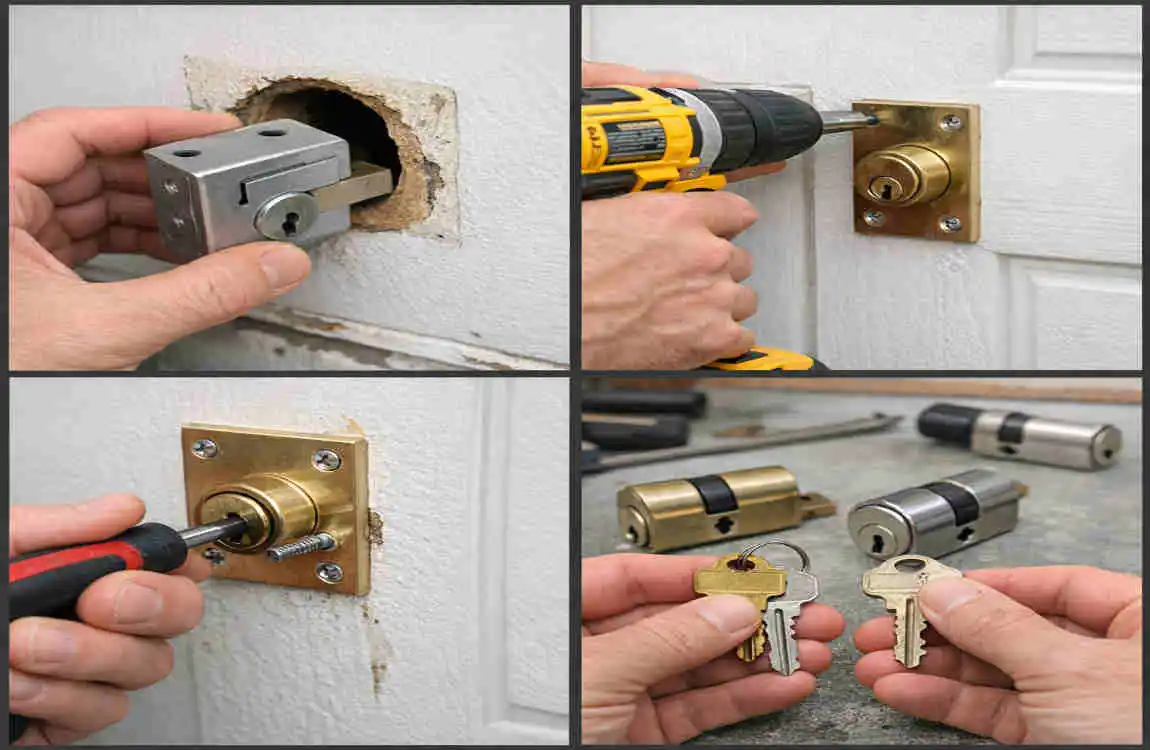
A simple replacement can still go wrong if you rush. Taking a careful approach saves time and frustration.
Common mistakes and better choices
MistakePossible ProblemBetter Approach
Buying the wrong lock: It does not fit the door. Measure first and check compatibility.
Measuring incorrectly Poor alignment Measure twice before buying
Installing backward Lock will not work properly Compare the old and new lock carefully
Overtightening screws Damaged hardware or door panel Tighten firmly, but not too hard
Testing while the door moves Safety risk or broken parts Test only when the door is still
Ignoring worn door parts Lock still fails Inspect the whole area before installing
Why this matters
If the door itself is damaged, the new lock may not fix the real issue. Bent panels, worn mounting holes, or broken parts can all affect performance.
If the job seems more complicated than expected, it is better to pause and get help than to force a bad repair.
How to Maintain Your New Garage Door Lock and Improve Security
Once your new lock is installed, a little maintenance can help it last longer.
Garage lock maintenance tips
Keep the lock clean. Dust and grime can build up over time, making the mechanism feel stiff.
Use lubricant only if the manufacturer recommends it. Some products can attract dirt, so it is best to follow the instructions for your exact lock.
Also check the screws and mounting hardware every so often. If they loosen, the lock may shift out of place.
Watch for signs like:
- Rust
- Sticky movement
- Loose parts
- Strange noises when turning the key
If you notice these issues early, you can often fix them before they become serious.
Extra garage security tips
A good lock is only one part of garage safety. You can also improve security by keeping remote controls secure, replacing damaged hardware promptly, and ensuring emergency access methods are protected.
If your opener is old, consider upgrading to one with stronger security features. Small updates like these can make your garage much safer overall.
Frequently Asked Questions About Changing a Garage Door Lock
Can I change a garage door lock myself?
Yes, many basic lock replacements are suitable for homeowners. If the lock is simple and the door is in good shape, you may be able to handle it yourself. If the system is complex or damaged, professional help may be better.
How long does it take to change a garage door lock?
For a simple replacement, it may take less than an hour. More complicated locks or older garage doors can take longer.
How do I know which garage door lock to buy?
Check the lock type, measurements, screw pattern, and manufacturer compatibility. Matching the new lock to the old one is the safest approach.
Do all garage doors use the same type of lock?
No. Garage doors use different locking systems, so replacement parts are not always universal.
Can I replace a garage door lock without replacing the whole door?
Yes. In many cases, you can replace just the lock if the door itself is still in good condition.
Why won’t my new garage door lock work properly?
Common causes include poor alignment, wrong installation, incompatible hardware, or damage to the door or surrounding parts.
When should I call a professional?
Call a professional if the door is damaged, the locking system is unusual, or you are unsure about safe installation. That is the smartest choice when the job feels too risky.
| Step | What to Do | Helpful Tip |
|---|---|---|
| Choose a New Lock | Select a compatible garage door lock. | Check the door type and lock measurements first. |
| Gather Tools | Prepare a screwdriver, wrench, and new lock. | Keep all parts nearby before starting. |
| Remove the Old Lock | Unscrew and carefully take out the existing lock. | Keep the old hardware until installation is complete. |
| Install the New Lock | Position the new lock and secure it with the supplied screws. | Make sure it sits straight and firmly. |
| Check the Mechanism | Turn the key or handle several times. | The lock should operate smoothly without sticking. |
