
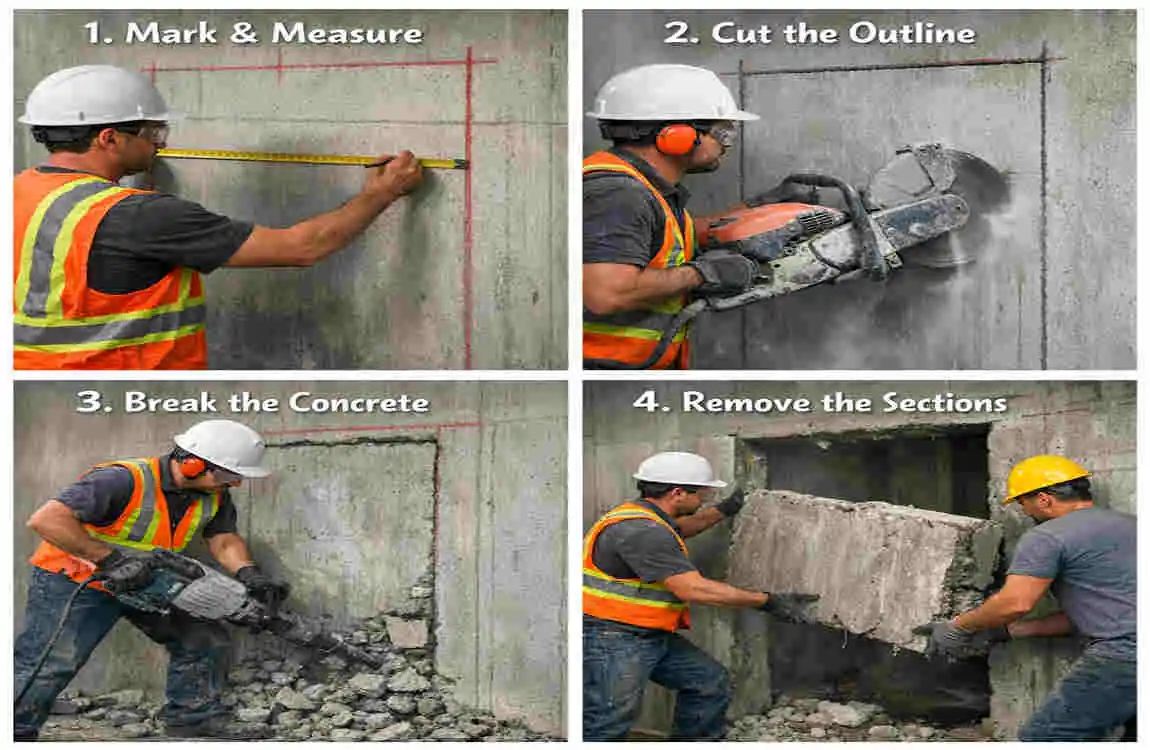
Creating a new doorway in a concrete wall can completely change how a home feels and functions. Maybe you want better access between rooms, a smoother layout, or a new entry to a basement or garage. Whatever the reason, this is not a simple job like cutting drywall or wood.
If you are researching how to cut a concrete wall for a door, the most important thing to know is this: some concrete walls are structural. That means cutting them can compromise the building’s safety. So before any cutting starts, a qualified structural professional or contractor should check the wall.
Understanding the Wall Before You Cut
Is the concrete wall structural?
Not every concrete wall is the same. Some walls carry weight from the floors or roof above. These are load-bearing or structural walls. Others are mainly used for dividing space.
If you cut into a structural wall without proper support, you can weaken the building. That is why this step matters so much. If you are unsure, do not guess. Ask a structural engineer or a qualified contractor to check it first.
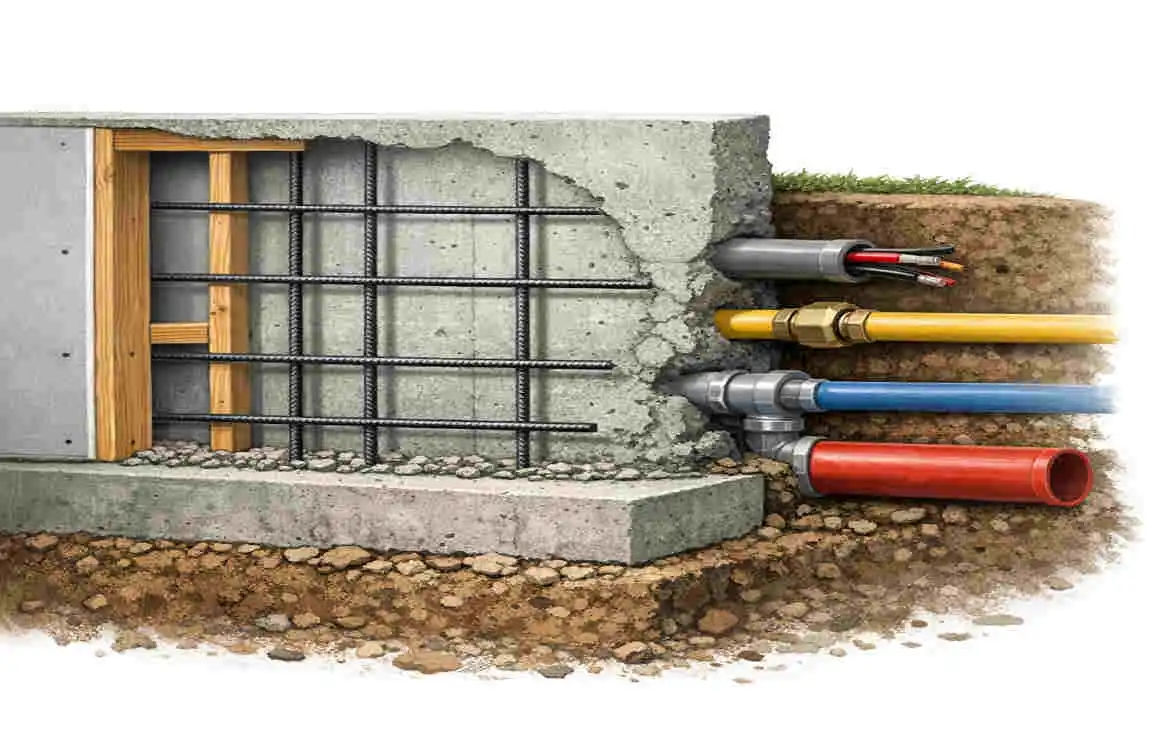
Check for hidden utilities.
Before cutting, look for electrical wiring, plumbing pipes, gas lines, and other hidden services. Concrete walls can hide important utilities, and hitting one can be dangerous and expensive.
Building plans may help, but they should not be your only source. A physical inspection and utility detection are much safer.
Measure the door opening.
You need the right size for the full door system, not just the door slab. That means measuring for:
- Door width and height
- Frame and jamb space
- Threshold
- Installation clearance
Good measurements help you avoid cutting too much concrete. Once the wall is cut, you cannot easily put it back.
Tools and Materials You May Need
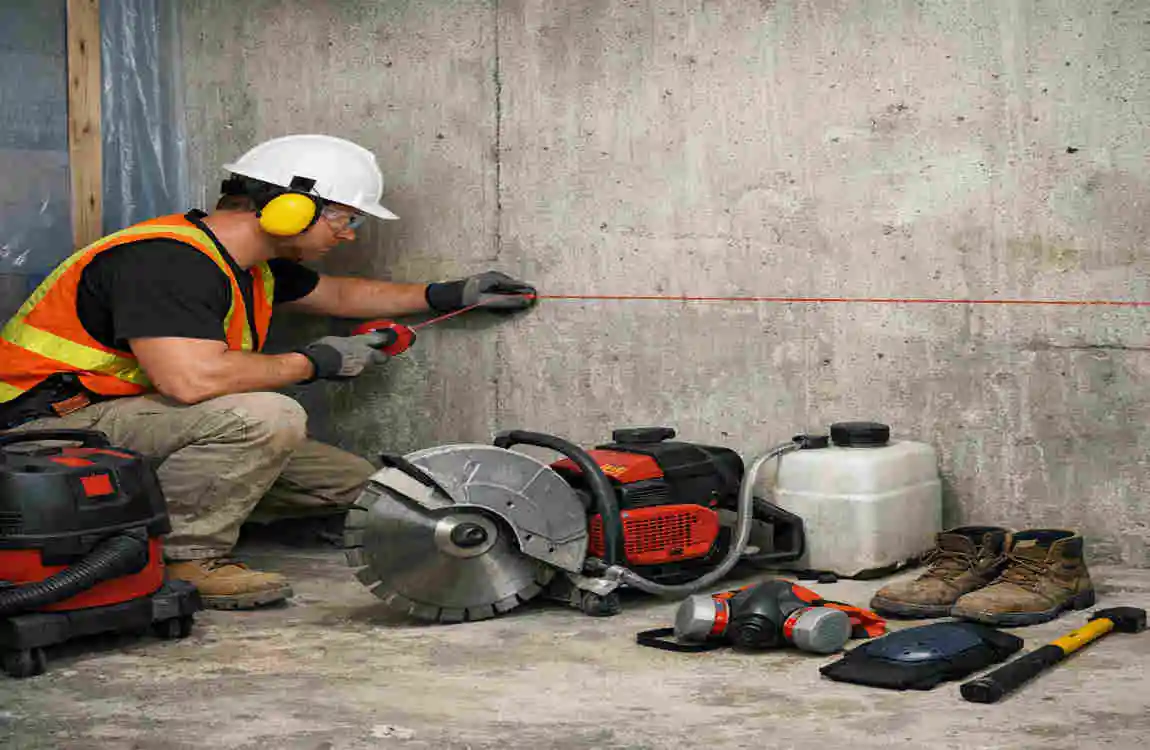
Here is a simple look at common tools and what they are used for.
Tool or Material Main Use
Concrete saw Cuts through the wall
Diamond blade Handles hard concrete cleanly
Wall saw / track saw Better for larger or thicker walls
Rotary hammer Helps with controlled breaking
Angle grinder Useful for smaller finishing cuts
Safety glasses/face shield Protects eyes and face
Hearing protection Reduces noise damage
Dust respirator Helps protect your lungs
Gloves and steel-toe footwear Protects hands and feet
Level and tape measure Keeps the opening straight and accurate
Mortar or repair material Smooths and fixes the edges later
For large or structural projects, professional equipment and expert help are often the safer choice.
How to Prepare for the Cut
Confirm the door location.
Decide exactly where the door will go. Think about how it opens and whether it will block furniture, stairs, outlets, or other features. A doorway should work well in the room, not just fit on paper.
Mark the cutting lines.
Use a level and tape measure to mark the full doorway shape on the wall. Mark the sides and top clearly. Double-check everything before you begin. A small mistake here can become a big problem later.
Prepare the work area.
Concrete cutting makes dust, noise, vibration, and debris. Remove nearby furniture, cover surfaces if needed, and keep the area clear. Make sure there is a safe place to remove the cut pieces.
How to Cut Concrete Wall for Door
Verify the structure and opening.
First, confirm that the wall has been reviewed and that the opening is allowed. If the wall needs a header, lintel, or other support, that should be planned before cutting starts.
Mark the final opening
Transfer the final measurements to the wall. Check the lines again with a level. Straight, clear marks make the job safer and cleaner.
Choose the right cutting method.
The best tool depends on wall thickness and project size.
- A handheld concrete saw may work for smaller jobs.
- A wall saw, or track saw, is better for thick or reinforced walls.
- Wet cutting can reduce dust.
- Dry cutting may be used in some situations, but it creates much more dust.
For reinforced or thick concrete, a professional wall-cutting setup is often the best option.
Make controlled cuts
Do not attack the wall aggressively. The goal is controlled cutting, not smashing. Follow the marked lines carefully and work slowly. This reduces cracking, vibration, and damage to nearby areas.
If the wall contains steel reinforcement, it may need specialized tools and a professional plan.
Remove the concrete carefully.
Once the cuts are complete, remove the sections safely. Concrete pieces can be very heavy. Do not let them fall uncontrolled. Large sections may need lifting help or professional removal.
Inspect the opening
Look at the sides and top of the cut area. Check for:
- Cracks
- Loose concrete
- Exposed reinforcement
- Uneven edges
If you see damage or signs of structural stress, stop and get professional advice.
Choosing the Right Cutting Method
Diamond saw cutting
Diamond blades are widely used because they can cut hard concrete cleanly and precisely. They are one of the most common choices for this kind of work.
Wet cutting
Wet cutting uses water to help control dust and cool the blade. It can make the job cleaner, but it also means dealing with water runoff and electrical safety concerns.
Dry cutting
Dry cutting may work in some smaller situations, but it makes a lot of dust. If used, strong dust protection is important.
Professional wall sawing
For thick or reinforced walls, professional wall sawing is often the safest and cleanest option. It can give straighter cuts and handles demanding jobs better than basic tools.
Structural Considerations You Should Not Ignore
Why a header or lintel may be needed
A doorway changes how weight moves through a wall. If the wall supports anything above it, a header or lintel may be needed to carry that load safely.
Reinforced concrete walls
Reinforced concrete has steel bars inside it. Cutting into that steel without planning can weaken the wall. That is why a professional should evaluate reinforced walls before any work begins.
Temporary support
Some openings need temporary shoring before cutting. This is not a DIY guess-and-hope step. Temporary support should be designed and installed by qualified people.
Safety Tips to Keep in Mind
- Protect your lungs with proper dust control and a respirator.
- Wear hearing protection because concrete cutting is loud.
- Keep people away from the work zone.
- Watch for hidden utilities before every cut.
- Be careful with vibration, since it can damage nearby finishes or cause cracking.
Concrete work is not just messy — it can be dangerous if rushed.
Common Mistakes to Avoid
Cutting without checking the structure
This is one of the biggest mistakes. Never assume a wall is non-load-bearing just because it looks simple.
Using the wrong blade
A poor blade can slow the job, damage the tool, or create rough cuts.
Skipping measurements
If the opening is too small or too large, the door frame may not fit correctly.
Cutting too aggressively
Fast demolition can create cracking, extra vibration, and unsafe debris.
Forgetting the door frame
The rough opening must fit the entire door assembly, not only the door itself.
How to Finish the Opening
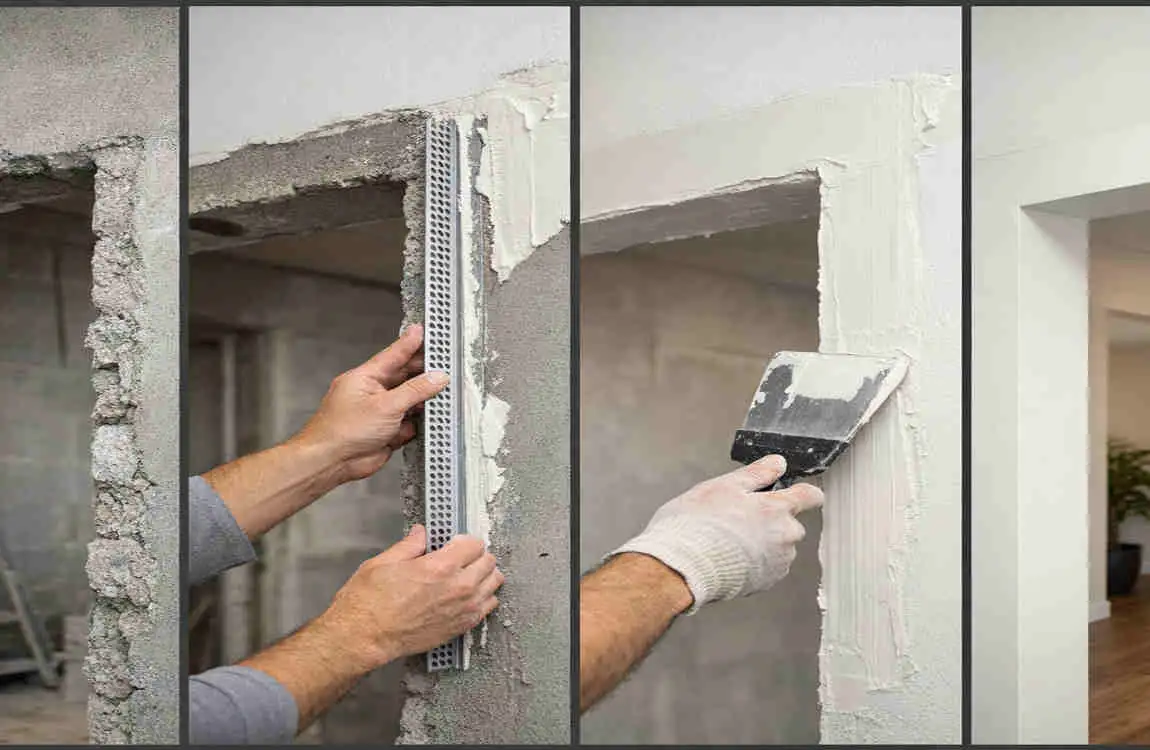
Smooth and clean the edges
After cutting, clean up rough areas and repair any damage with suitable concrete patch material.
Install the frame
The frame should be level, square, and properly sized. Follow the manufacturer’s installation instructions carefully.
Seal the gaps
Sealing helps keep out drafts, moisture, and dust. Use the correct sealant for the door system and wall material.
Finish the wall
You may need trim, plaster, drywall repair, or other finishing work around the new doorway to make it look complete.
Cost Factors to Expect
The cost can vary a lot, but these are the main things that affect price:
- Wall thickness
- Reinforcement
- Door size
- Equipment needed
- Labor
- Cleanup and debris removal
- Structural changes
Because every project is different, there is no single price that fits all homes.
DIY vs. Hiring a Professional
DIY may not be appropriate if:
- The wall is structural
- The concrete is reinforced
- The wall is very thick
- Utilities are hidden or unknown
- The opening is large or complex
- Temporary support is needed
Professional help makes sense when:
- You need a structural review
- Special cutting equipment is required
- You want safer debris removal
- Permits or inspections may be needed
For many homeowners, hiring a pro is the safer and smarter choice.
Permits and Building Requirements
In many places, cutting a new doorway requires a permit. You may also need to meet rules for structure, fire safety, electrical work, or emergency exit access.
Always check with your local building authority before starting. Rules can vary a lot by location.
Frequently Asked Questions
Can you cut a door opening in a concrete wall?
Yes, concrete can be cut. But you must first check the structure, reinforcement, utilities, tools, and local rules.
What is the best tool for cutting a concrete wall for a door?
Diamond-blade concrete saws and professional wall saws are the most common choices, depending on the wall and the job.
Can you cut reinforced concrete for a doorway?
Yes, but reinforced walls need careful planning and usually professional help.
Do I need a permit?
Often, yes. It depends on your location and whether the wall is structural.
How do I know if a wall is load-bearing?
You usually cannot tell by appearance alone. Building plans and a structural professional are the safest way to confirm.
| Key Point | Quick Information |
|---|---|
| Project | Cutting a concrete wall to create a door opening |
| First Step | Check whether the wall is load-bearing and locate utilities |
| Tools | Concrete saw, drill, measuring tools, PPE, and dust-control equipment |
| Safety Gear | Safety glasses, gloves, hearing protection, dust mask/respirator, and hard hat |
| Marking | Measure and mark the exact door opening before cutting |
| Cutting Method | Use controlled cuts rather than removing large sections at once |
