
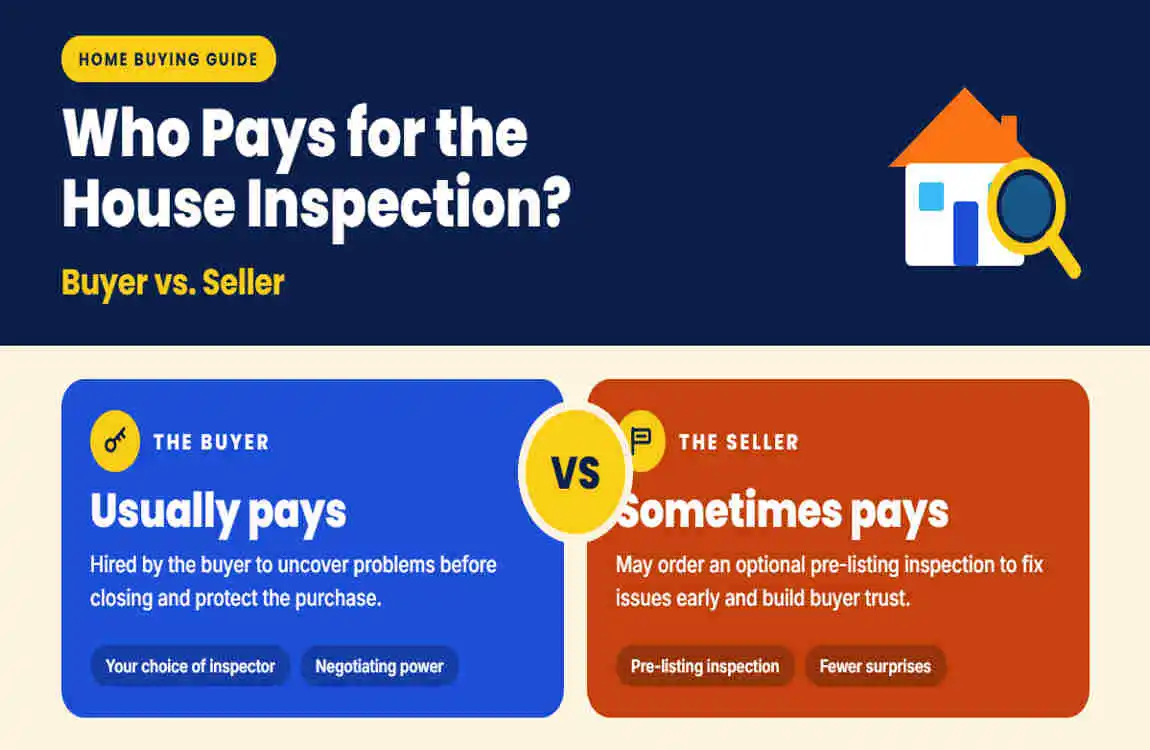
It is normally paid directly to the inspector on or shortly after inspection day, and a general inspection typically costs around $300 to $500. A seller pays only in specific situations, such as ordering a pre-listing inspection or agreeing to cover the fee during negotiations.
Why the Buyer Normally Pays
The inspection is part of the buyer’s due diligence. The buyer picks the inspector, sets the timeline, and receives the report, which then guides the decision to close, renegotiate, or walk away. Because the report works for the buyer, the buyer pays for it. This is the standard arrangement described by Opendoor, PNC, and Chase.
There is also a practical reason. An inspection is not legally required in most standard purchases, and an inspector’s job is to find problems. Sellers generally have little incentive to pay for a document that lists everything wrong with their own property cost.
When Does the Seller Pay for an Inspection?
There are three common situations where the seller ends up paying:
- Pre-listing inspection. The seller orders an inspection before putting the home on the market to find issues early, price accurately, and give buyers more confidence. According to Angi, a pre-listing inspection costs about the same as a buyer’s inspection.
- Negotiated concession. In a slower real estate market, or when the seller is motivated, a buyer can ask the seller to cover or reimburse the fee in the purchase agreement. Redfin notes this is the exception, not the norm.
- Loan-driven requirements. For certain VA loans, the seller typically pays for the termite (wood-destroying organism) inspection in states where termite clearance is a loan condition, as explained by Opendoor.
Important: Even when a seller provides a pre-listing report, lenders and consumer guides still recommend buyers order their own. Chase advises buyers to order their own inspection even if the seller already paid for one.
Buyer vs. Seller: At a Glance
| Situation | Who Usually Pays |
|---|---|
| Standard buyer inspection after an accepted offer | Buyer |
| Pre-listing inspection | Seller |
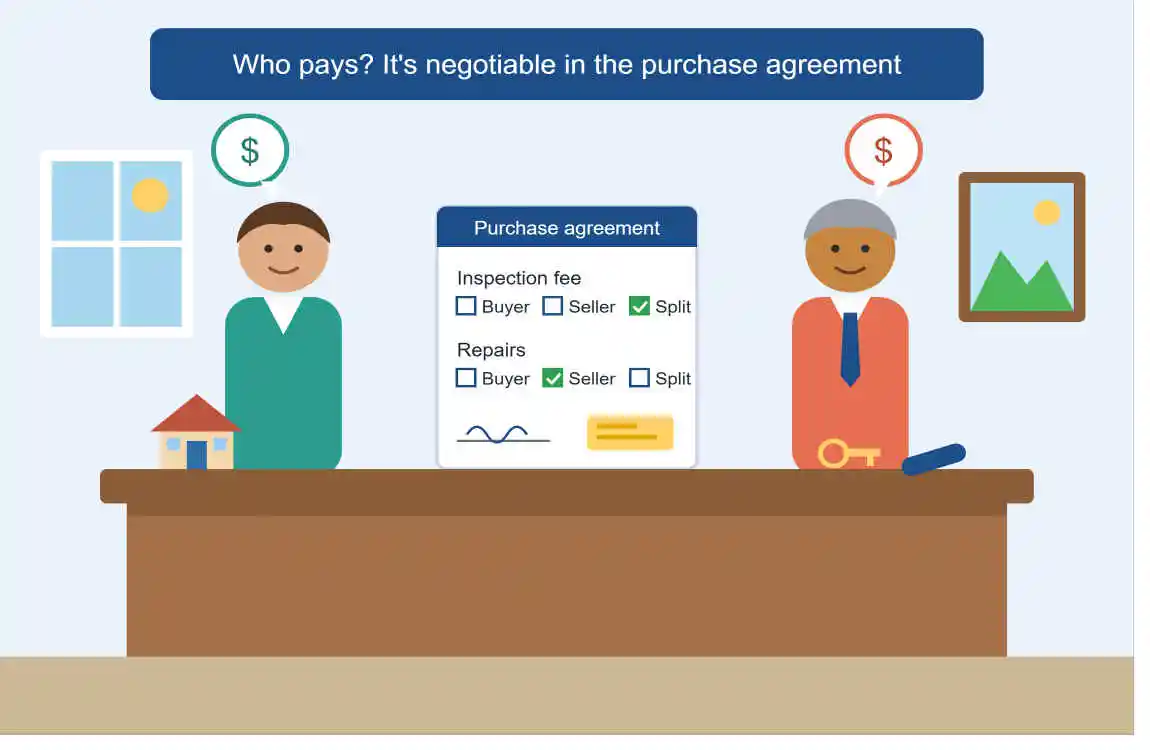
| Fee negotiated into the contract | Seller (or split) |
| Specialty inspections (radon, sewer scope, etc.) requested by buyer | Buyer |
| Termite inspection on certain VA loans | Seller (where required) |
| Appraisal (lender-ordered) | Buyer, through closing costs |
| Repairs after the report | Negotiable |
How Much Does a House Inspection Cost?
A general house inspection typically costs $300 to $500, according to Nasdaq and Opendoor. Price depends on the home’s size, age, and location, and specialty services add to the total. The inspection itself usually takes two to three hours, depending on the size of the home, per Chase.
Who Pays for Specialty Inspections?
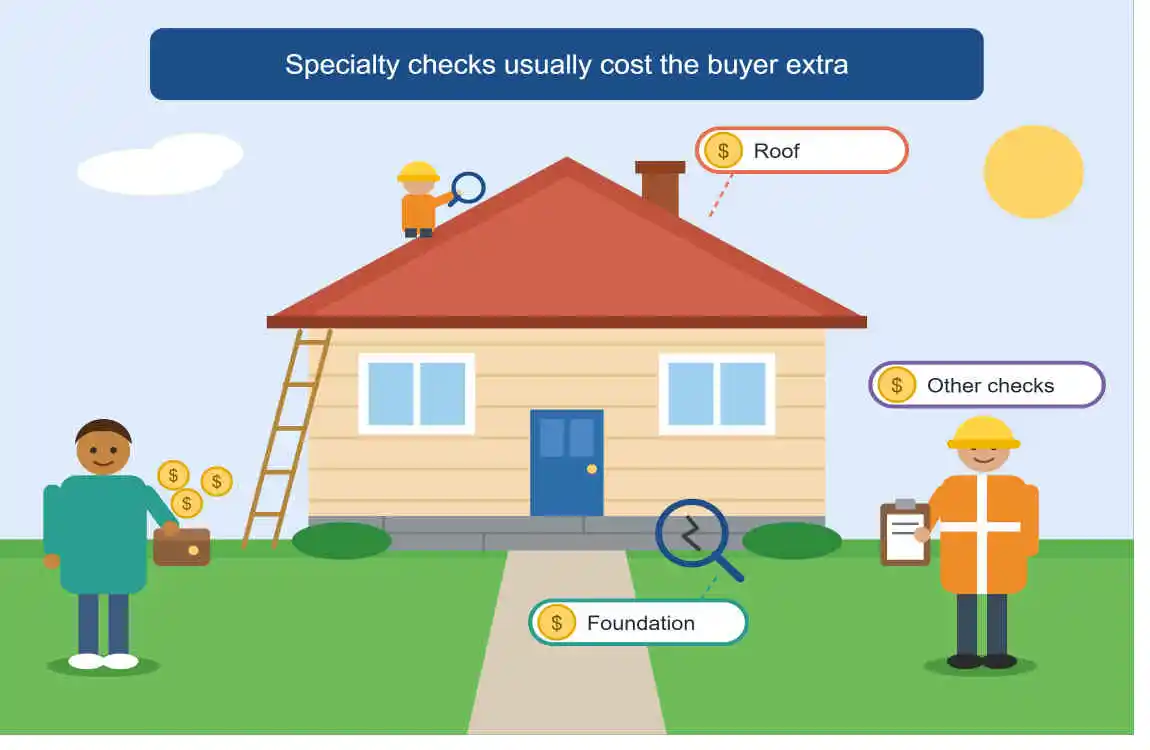
A general inspection sometimes reveals the need for a closer look at one system, such as the roof, foundation, HVAC, sewer line, mold, radon, or termites. In most cases the buyer covers these extra inspections too, as Angi explains. Keep in mind that a standard inspection has limits: Chase points out that septic systems, leach beds, and cesspools are not included.
Who Pays for Repairs After the Inspection?
The inspection fee and the repair bill are two separate questions. Once the report arrives, repairs are negotiable. Zillow explains that a buyer can ask the seller to pay for repairs home based on the findings. Typical outcomes include:
- The seller completes the repairs before closing.
- The seller offers a credit or a price reduction instead.
- The buyer accepts the home as is.
- The buyer walks away, if the contract includes an inspection contingency that allows it without losing earnest money (Chase).
Does an FHA Appraisal Replace a Home Inspection?
No. This is one of the most common and costly mix-ups. An appraisal estimates the home’s value for the lender. A home inspection checks the physical condition for the buyer. HUD states that an FHA appraisal does not guarantee the home is free of defects and encourages buyers to get a separate inspection (HUD notice HUD-92564-CN). Redfin makes the same distinction for FHA buyers.
Who Gets the Inspection Report?
Generally, the person who pays for the inspection owns the report. Angi notes that only the person who pays is required to receive the full report. That is another reason buyers prefer to hire and pay the inspector themselves: the findings come straight to them, without anyone filtering them first.
Tips for Buyers: Get the Most From Your Inspection
- Schedule early. The Consumer Financial Protection Bureau (CFPB) advises booking the inspection as soon as possible after choosing a modern home so you have time to resolve any problems.
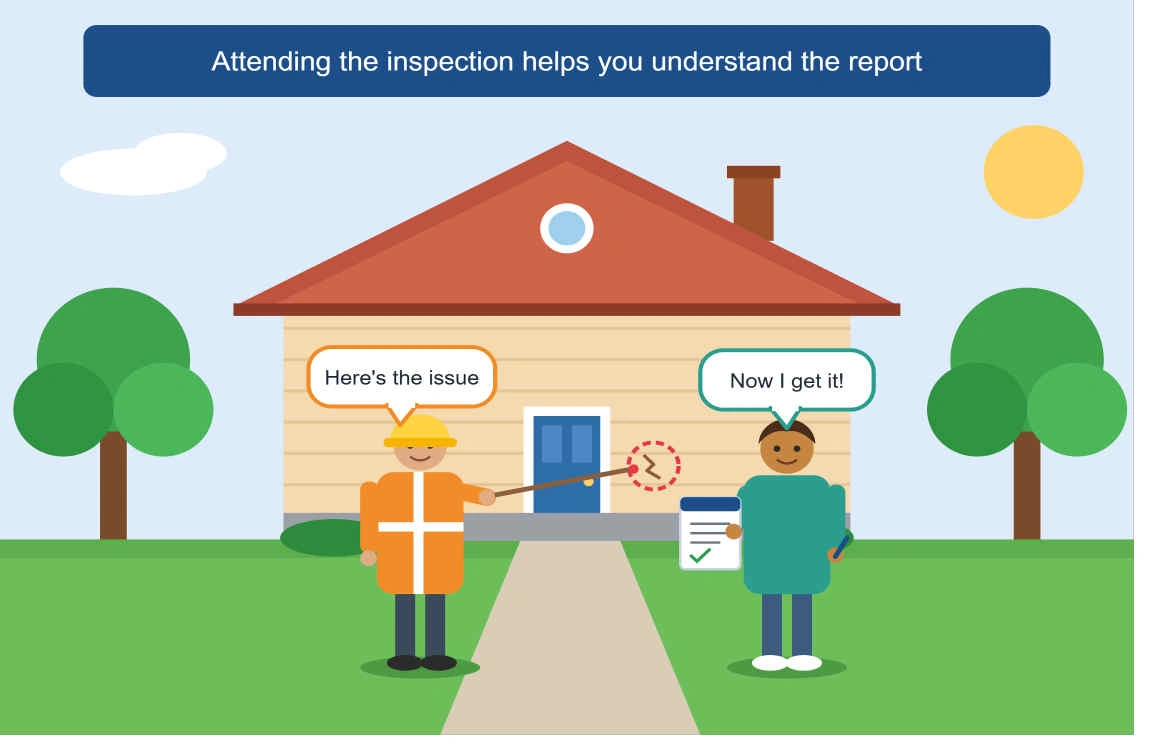
- Be there in person. The CFPB notes that attending makes it easier to understand the report and ask questions.
- Choose your own inspector. Your agent can suggest names, but Chase recommends picking one yourself and asking about errors and omissions insurance.
- Protect yourself in the contract. Ask for an inspection contingency so you can renegotiate or exit if serious issues appear.
- Check local rules. Some states require inspectors to be licensed, so confirm credentials before hiring.
Frequently Asked Questions
Who pays for the house inspection when buying a home?
The buyer usually pays, typically $300 to $500, directly to the inspector.
Can the seller pay for the home inspection?
Yes, through a pre-listing inspection or a negotiated agreement, but buyers are still advised to order their own.
Is a home inspection required?
Usually not. Lenders generally require an appraisal, not an inspection, but consumer guidance strongly recommends one.
Who pays for repairs after a home inspection?
It is negotiated between buyer and seller: repairs, credits, a price cut, or walking away if your contract allows.
Does an FHA appraisal count as an inspection?
No. HUD says the appraisal does not guarantee the home is free of defects.
Bottom Line
In most sales, the buyer pays for the house inspection, and it is typically one of the smartest few hundred dollars spent in the whole purchase. Sellers pay only when they order a pre-listing inspection or agree to it in negotiation. Whoever pays, ask for your own report, attend the inspection, and keep an inspection contingency in your contract.
Sources
- Consumer Financial Protection Bureau: Schedule a home inspection
- U.S. Department of Housing and Urban Development (HUD): Importance of Home Inspections notice (HUD-92564-CN)
- Chase: How home inspections work
- PNC: What is a home inspection?
- Nasdaq: How a home inspection protects you
- Redfin: Who pays for the home inspection?
- Redfin: FHA loan inspection requirements
- Zillow: Who pays for home inspections and repairs?
- Angi: Buyer or seller, who pays for the home inspection?
- Opendoor: Who pays for the home inspection?
