
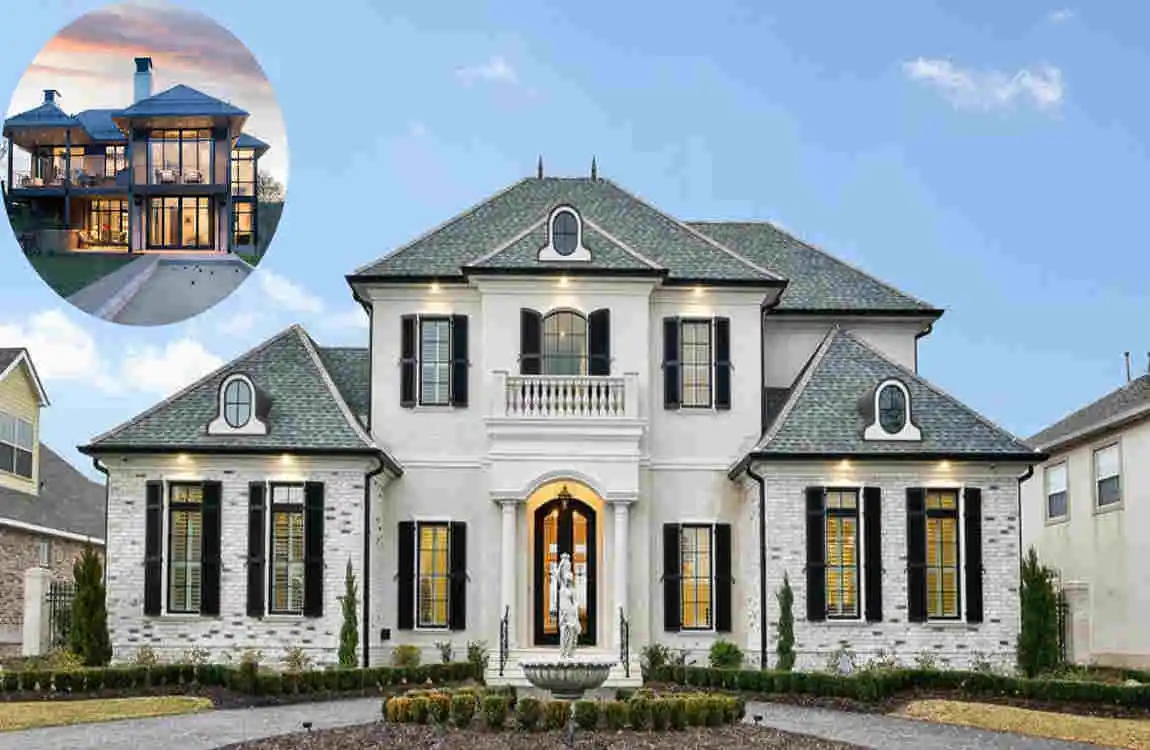
Have you ever walked past a house and stopped in your tracks just to admire it? You might have noticed a beautiful blend of old-world charm and sleek, contemporary lines. If so, you were likely looking at the breathtaking style of modern European homes.
This architectural style is rapidly becoming a favorite among homeowners and designers alike. But what exactly makes it so special? It takes the romantic, historic elegance of traditional European estates and strips away the heavy, fussy details. The result is a fresh, clean, and incredibly inviting aesthetic.
By blending classic European elegance with modern design principles, these homes offer the perfect balance of luxury and livability. If you are dreaming of building a new house or giving your current exterior a massive makeover, you are in the right place.
What Are Modern European Homes?
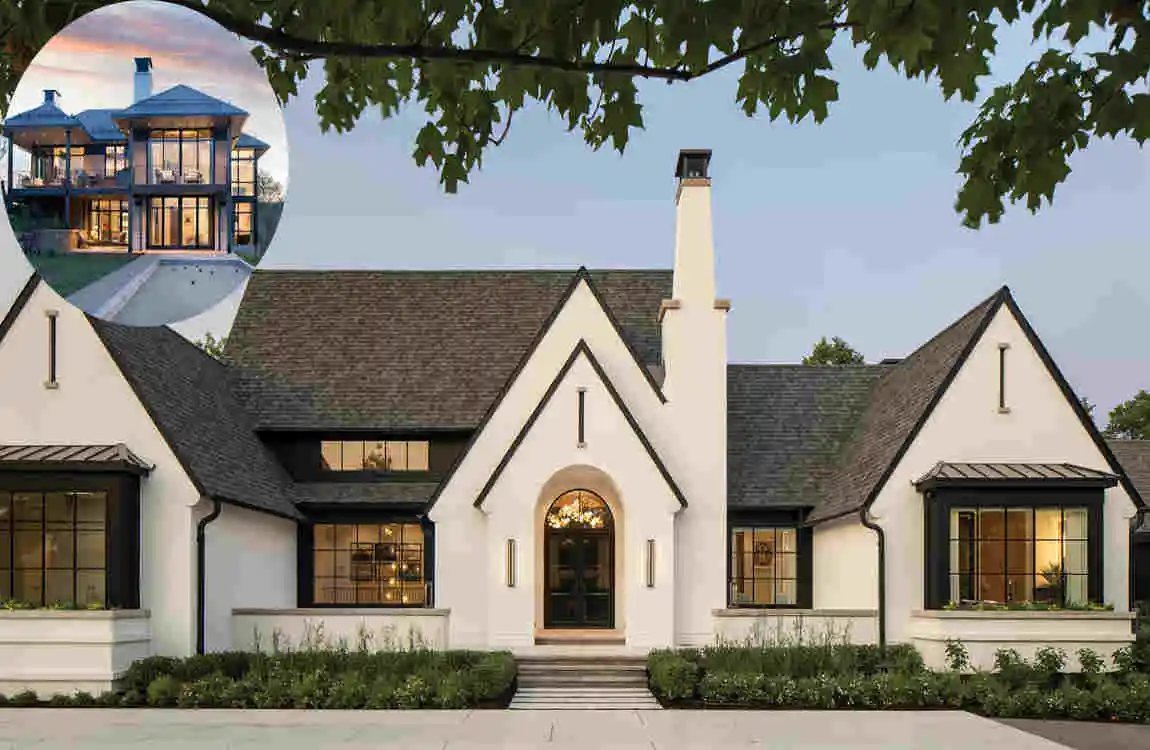
Before we jump into the design ideas, let’s take a moment to understand what makes this style so unique.
Definition and Key Characteristics
At its core, a modern European home is exactly what it sounds like—a fusion of historic European architecture and modern minimalism. It draws heavy inspiration from French country estates, English cottages, and Mediterranean villas, but updates them for today’s tastes.
You will instantly recognize these homes by their elegant architecture and clean lines. They rely heavily on natural materials like stone and wood. Instead of small, dark windows, they feature large windows that flood the interior with natural light. Finally, everything is tied together with a soothing, neutral color palette.
Why Homeowners Love This Style
Why are we seeing so many of these homes popping up in upscale neighborhoods? The simple answer is that people crave a timeless appearance. You do not want your home to look outdated in ten years.
Furthermore, this style offers a distinct luxury feel without being overly flashy. The functional layouts make everyday living a breeze, while the high curb appeal ensures your home is the envy of the block. It is the perfect recipe for a forever home.
Essential Exterior Features of Modern European Homes
To pull off this look, you need to incorporate a few signature architectural elements. Here are the must-have features.
Stone and Stucco Exteriors
You will rarely see vinyl siding on modern European homes. Instead, the focus is on heavy, textured materials. Stucco provides a smooth, clean canvas that feels very modern. When you pair that stucco with beautiful natural stone accents, you ground the home and give it that historic, castle-like permanence.
Steep Gable Roofs
Look up, and you will notice the rooflines. Steep gable roofs are a massive hallmark of this style. These soaring, pitched roofs draw the eye upward, making the home feel grand and majestic. They also have a practical benefit, as they easily shed rain and snow.
Black-Framed Windows
If there is one detail that screams “modern,” it is black-framed windows. Against a light stucco or stone background, crisp black windows provide a stunning visual contrast. They act like picture frames for the outdoors, giving the classic exterior a sharp, contemporary edge.
Arched Doorways
To soften the sharp angles of the steep roofs and rectangular windows, designers often use arched doorways. A sweeping arch over your front door or front porch adds a touch of romance and welcoming warmth to the home’s facade.
Symmetrical Facades
Balance is everything in European architecture. Symmetrical facades give the home a formal, stately appearance. Even if the home isn’t perfectly symmetrical, the visual weight of the windows, gables, and landscaping is always carefully balanced to please the eye.
Wooden Accents
To keep the stone and stucco from feeling too cold, you must add warmth. Wooden accents—such as exposed timber trusses in the gables, a solid wood front door, or wooden window shutters—bring a touch of nature and rustic charm to the exterior.
Popular Exterior Color Schemes
Choosing the right colors is crucial. Modern European homes stay away from bright, jarring colors and instead embrace soft, natural hues.
White with Black Trim
This is arguably the most popular combination today. A creamy white exterior paired with black trim and black window frames creates a striking, high-contrast look. It feels incredibly crisp, clean, and highly sophisticated.
Warm Beige and Cream
If stark white is too bright for your taste, opt for warm beige and cream. These colors mimic the look of aged limestone found in historic French and Italian architecture. They make your home feel warm, inviting, and sun-kissed.
Gray Stone Finish
For a moodier, more English-manor vibe, a gray stone finish is a fantastic choice. Soft dove grays or rich charcoal accents give the home a grounded, earthy feel. Gray pairs beautifully with dark roofing and natural wood doors.
Soft Earth Tones
Think about the colors you see in a natural landscape. Soft earth tones like muted taupe, soft olive, or warm clay help your home blend seamlessly into its surroundings. These colors feel organic and incredibly relaxing.
Natural Wood Combinations
Never underestimate the power of unpainted materials. Combining white stucco with rich, natural wood combinations—like cedar garage doors or mahogany pillars—adds incredible depth and texture to your exterior design.
Best Roofing Styles
Your roof makes up a massive portion of your home’s exterior. In modern European homes, the roof is a focal point, not an afterthought.
Slate Roofs
If you want the ultimate authentic European look, slate roofs are the gold standard. Natural slate stone is incredibly durable and offers a beautiful, varied texture. It is a premium choice that instantly elevates the luxury status of your home.
Metal Roofing
For a sleek, contemporary twist, consider metal roofing. Standing seam metal roofs, especially in dark gray or black, look phenomenal on a steeply pitched gable. They are also incredibly long-lasting and require almost zero maintenance.
Clay Tile Roofs
If your home leans more toward a Mediterranean or Spanish-European style, clay tile roofs are essential. The soft, sweeping curves of terracotta tiles bring warmth and a relaxed, coastal European vibe to your property.
Dark Asphalt Shingles
If slate or metal falls outside your budget, you can still achieve the look. High-quality, architectural dark asphalt shingles can mimic the texture of slate. Choosing a dark charcoal or black color will give you that necessary contrast against light exterior walls.
Front Entrance Design Ideas
Your front entrance is your home’s first impression. Make it count with these welcoming design choices.
Large Wooden Doors
Forget standard fiberglass doors. A large wooden door, perhaps a double door with an arched top, serves as the centerpiece of your exterior. Rich stains like walnut or dark oak add incredible warmth to a stone or stucco facade.
Iron Lantern Lighting
Ditch the modern, geometric light fixtures. Instead, frame your front door with classic iron lantern lighting. Gas-style lanterns or oversized black iron sconces bring a touch of vintage charm and cast a beautiful, warm glow at night.
Stone Walkways
The journey to your front door should be just as beautiful as the house itself. A stone walkway, made of flagstone, cobblestone, or pavers, adds an old-world, romantic feel as you walk up to the entrance.
Decorative Columns
If you have a covered porch, use decorative columns. Instead of basic wooden posts, opt for thick, square stucco columns or round stone pillars. They add visual weight and make the entrance feel substantial and grand.
Modern House Numbers
To keep the “modern” in modern European, use sleek, modern house numbers. Choose oversized, clean-lined metal fonts and place them horizontally or vertically near the door. It is a tiny detail that perfectly bridges the gap between old and new.
Landscaping Ideas for Modern European Homes
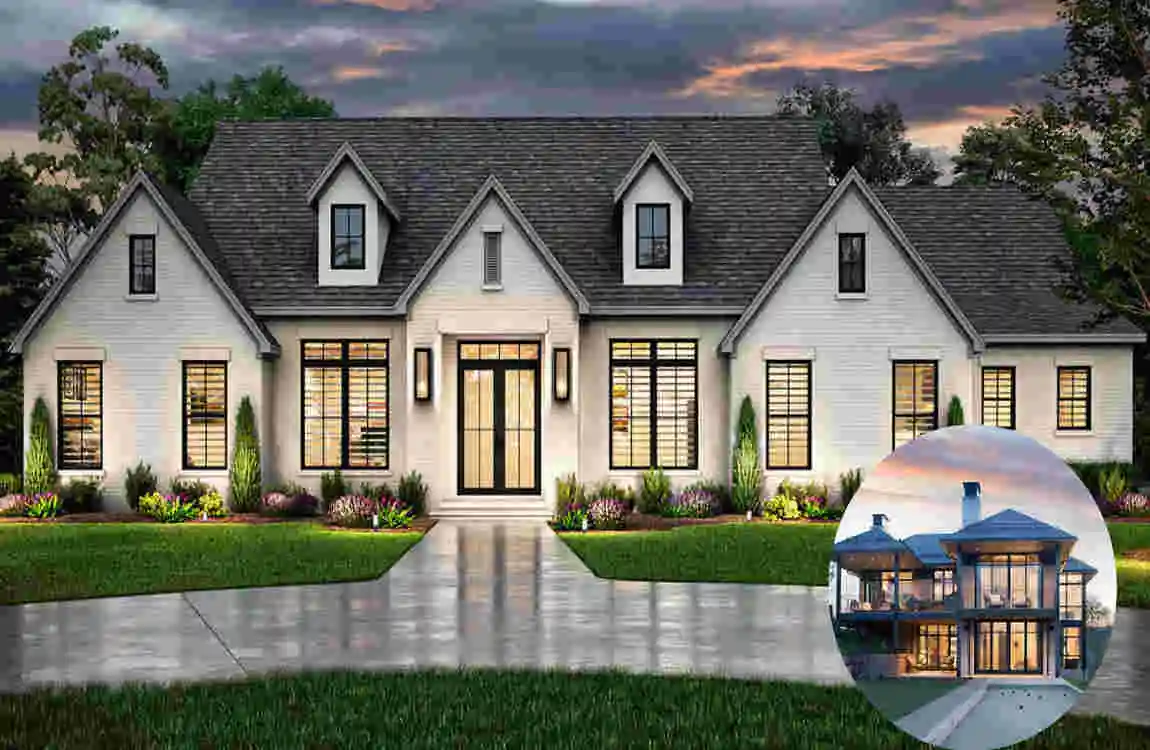
Your home does not stop at the exterior walls. Your landscaping should serve as a beautiful, tailored frame for your architecture.
Boxwood Hedges
European gardens are famous for their structure. Boxwood hedges are a staple in this design. You can trim them into neat, low borders along your walkways or use them to frame your foundation. They provide a crisp, clean, and formal look year-round.
Lavender Gardens
To soften the rigid lines of the boxwoods, plant lavender gardens. The soft purple blooms and silvery-green foliage look stunning against a white stucco house. Plus, the calming fragrance will greet you every time you walk out the front door.
Stone Pathways
Carry the materials from your house into your yard. Stone pathways that wind through your garden or lead to a backyard patio make the entire property feel cohesive. Use natural, irregular stones for a more rustic, country-estate vibe.
Water Features
Nothing says luxury quite like the sound of running water. Simple, elegant water features, such as a tiered stone fountain or a sleek, modern reflecting pool, bring a sense of peace and tranquility to your outdoor spaces.
Elegant Outdoor Lighting
Do not let your beautiful home disappear when the sun goes down. Elegant outdoor lighting is essential. Up-light your large trees, wash your stone walls in soft light, and use pathway lights to guide guests safely to your door.
Windows and Exterior Lighting
Lighting and windows are the eyes of your home. They dictate how the house looks from the street and how it feels on the inside.
Floor-to-Ceiling Windows
To capture that contemporary feel, incorporate floor-to-ceiling windows. These massive panes of glass blur the line between indoor and outdoor living. They look especially striking on the back of the house, looking out over the yard.
Black Steel Frames
As mentioned earlier, black steel frames are a must. They give your windows an industrial, modern edge. If real steel is out of the budget, many manufacturers offer black fiberglass or aluminum-clad windows that offer the same look.
Wall Sconces
Place beautiful wall sconces strategically around your exterior. Flank your garage doors, illuminate your back patio, and highlight architectural features. Stick to matte black, dark bronze, or antiqued brass finishes.
Landscape Lighting
Landscape lighting creates drama and depth. By placing lights at the base of your home and shining them upward, you can highlight the beautiful texture of your stone and stucco work in the evening hours.
Outdoor Living Spaces
European living is all about enjoying the outdoors with family and friends. Your backyard should be an extension of your home.
Covered Patios
Create a shaded retreat with a covered patio. You can extend your steep roofline over the back deck, exposing the beautiful wooden trusses underneath. This allows you to enjoy the fresh air even when it is raining.
Outdoor Kitchens
Take your entertaining to the next level with outdoor kitchens. Build your grill, mini-fridge, and pizza oven into a beautiful stone counter that matches the stone on the front of your house. It is the ultimate luxury feature.
Fire Pits
For chilly evenings, gather around fire pits. A built-in stone fire pit, surrounded by comfortable seating, becomes the perfect focal point for your backyard. It creates a cozy, intimate space for roasting marshmallows or sipping wine.
Luxury Seating Areas
Invest in luxury seating areas. Use deep, comfortable outdoor sofas with weather-resistant fabrics. Arrange the furniture to encourage conversation, just like you would in your indoor living room.
Choosing the Right Exterior Materials
Using high-quality materials is the secret to making modern European homes look authentic. Here is a quick breakdown of what you should use.
Material Benefits Best Use
Natural Stone Durable and timeless; adds massive curb appeal. Exterior walls, chimneys, and foundation accents.
Stucco Smooth modern finish; highly customizable in color. Main façade and upper stories.
Brick Traditional elegance; offers a historic texture. Accent walls, walkways, or painted for a modern look.
Wood Warm appearance; softens cold stone elements. Front doors, window shutters, and exposed roof trims.
Metal Contemporary touch; incredibly long-lasting. Roofs, window frames, and exterior lighting fixtures.
Benefits of Modern European Homes
Why should you choose this style over others? Here are the top benefits you will enjoy:
- Elegant appearance: Your home will always look sophisticated and incredibly put-together.
- High resale value: Because the style is timeless, buyers are always willing to pay a premium for these homes.
- Durable materials: Stone, stucco, and slate are built to last for generations.
- Energy-efficient designs: Thick walls and high-quality modern windows provide excellent insulation.
- Low-maintenance finishes: Materials like metal roofing and stone siding require very little upkeep.
- Timeless architectural appeal: You will not have to worry about your home looking like a fad in a few years.
Common Design Mistakes to Avoid
Even with a beautiful style like this, things can go wrong if you are not careful. Watch out for these common pitfalls.
Mixing Too Many Styles
Keep it simple. Mixing too many styles—like adding a farmhouse wrap-around porch or ultra-modern geometric siding—will ruin the cohesive look. Stick to the classic European script.
Using Bright Exterior Colors
This is not the time for a bright blue or yellow house. Using bright exterior colors completely shatters the sophisticated, historic vibe. Always stick to your neutral, earthy palette.
Ignoring Landscaping
A bare yard makes a grand house look abandoned. Ignoring landscaping is a huge mistake. Even if you want a low-maintenance yard, simple, structured hedges and a nice green lawn are essential to ground the home.
Oversized Decorative Elements
Less is more. Using oversized decorative elements, like gigantic fake pillars or overly ornate window trims, makes the house look tacky and cheap. Keep your lines clean and your decorations subtle.
Poor Exterior Lighting
Do not rely on a single, harsh porch light. Poor exterior lighting makes your home look flat at night. Layer your lighting with sconces, pathway lights, and landscape uplighting to create a warm, inviting glow.
Tips for Designing Your Own Modern European Home
Are you ready to start planning your dream house? Follow these essential steps to ensure you get it right.
- Choose a neutral color palette: Start with whites, creams, or soft grays as your base.
- Invest in quality exterior materials: Do not cut corners on the stone or stucco. Authentic materials make all the difference.
- Focus on symmetry: Try to keep your rooflines and window placements balanced and pleasing to the eye.
- Add natural stone accents: Even if you cannot afford a full stone house, use stone on the lower third or around the entryway.
- Keep landscaping simple: Opt for structured, neat gardens rather than wild, overgrown flower beds.
- Select elegant lighting fixtures: Use iron or dark metal lanterns to add a touch of historic charm.
- Use large windows for natural light: Maximize your glass space to bring the modern aesthetic to life.
Modern European Homes vs. Modern Farmhouse
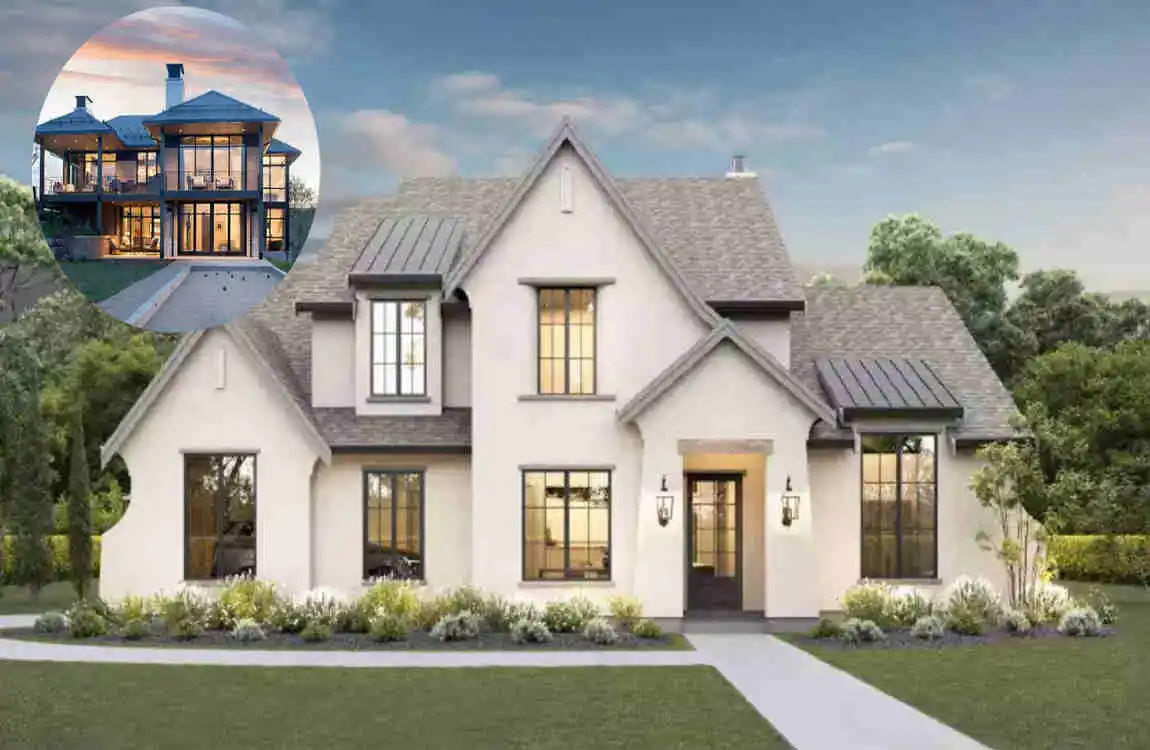
You might be torn between the European look and the wildly popular modern farmhouse style. While they share a love for high contrast (like white walls and black windows), they have very different personalities. Here is how they compare.
Feature Modern European Homes Modern Farmhouse
Style Elegant, sophisticated, and timeless. Rustic, casual, and highly approachable.
Materials Heavy stone, smooth stucco, and brick. Painted wood, board-and-batten siding.
Roof Steep gables, slate, or sweeping curves. Simple gables, often with metal porch roofs.
Colors Warm neutral shades, creams, and earth tones. Stark white, black, and sometimes dark charcoal.
Appearance Luxurious and stately. Cozy and family-centric.
Cost Considerations
Building or renovating a home requires a solid budget. Because of the premium nature of this style, you need to plan carefully.
Exterior Materials
Using genuine stone and professional stucco application will cost more upfront than standard vinyl siding. However, you are paying for durability and unmatched curb appeal.
Roofing Costs
If you choose a genuine slate roof or a standing seam metal roof, expect a higher price tag. But remember, these roofs can last 50 to 100 years, saving you replacement costs down the road.
Landscaping Budget
Formal landscaping requires professional planning, hardscaping (like stone pathways), and mature plants. Set aside a healthy portion of your budget to ensure the yard matches the quality of the house.
Lighting Expenses
Quality iron fixtures and a comprehensive landscape lighting system are an investment. Do not skimp here; lighting is what makes your home shine at night.
Maintenance Costs
The good news? Once built, the maintenance costs are surprisingly low. Stone and stucco do not need to be painted every few years, and metal or slate roofs require minimal attention.
Future Trends in Modern European Homes
Architecture is always evolving. Here is a sneak peek at where this beautiful style is heading in the near future.
Sustainable Building Materials
Homeowners are increasingly looking for sustainable building materials. Expect to see more reclaimed stone, sustainably harvested timber, and eco-friendly stucco alternatives in future designs.
Smart Exterior Lighting
The old-world look is getting a high-tech upgrade. Smart exterior lighting allows you to control your sconces and landscape lights from your phone, adjusting colors and brightness to set the perfect mood.
Energy-Efficient Windows
While those massive windows look great, they need to perform well. The future lies in ultra-high-performance, energy-efficient windows that keep the house cool in the summer and warm in the winter without sacrificing the black-framed aesthetic.
Eco-Friendly Landscaping
Instead of water-hungry lawns, we will see a push toward eco-friendly landscaping. This includes using native plants, drought-resistant shrubs, and smart irrigation systems that conserve water.
Minimalist Luxury Design
The overall trend is moving toward minimalist luxury design. This means stripping away even more of the traditional fluff and focusing solely on high-quality materials, perfect proportions, and flawless execution.
Frequently Asked Questions (FAQs)
What defines modern European homes?
Modern European homes combine traditional European architecture with contemporary design. They feature clean lines, neutral colors, natural materials like stone and stucco, and elegant details like steep roofs and arched doorways.
What exterior colors work best for modern European homes?
Popular color choices include warm white, cream, beige, soft gray, and natural stone tones. These light bodies are usually paired with dark, contrasting accents, such as black window frames and dark roofing.
Are modern European homes expensive to build?
They can cost more upfront due to the use of premium materials like natural stone, stucco, and slate. However, their long-term durability, low maintenance needs, and incredibly high resale value often justify the initial investment.
What roofing style suits a modern European home?
Steep gable roofs are the standard. The most common and fitting materials for these roofs include natural slate, elegant clay tiles, sleek standing-seam metal roofing, or high-quality dark asphalt shingles.
What landscaping complements modern European homes?
Formal, structured landscaping works best. Features like neat boxwood hedges, stone pathways, fragrant lavender, elegant iron lighting fixtures, and simple water features perfectly enhance the home’s sophisticated exterior.
Are modern European homes energy efficient?
Yes, they absolutely can be. Many of these homes incorporate thick, insulated stucco walls, high-performance double or triple-pane windows, and energy-efficient building materials to greatly improve comfort and reduce long-term energy costs.
