
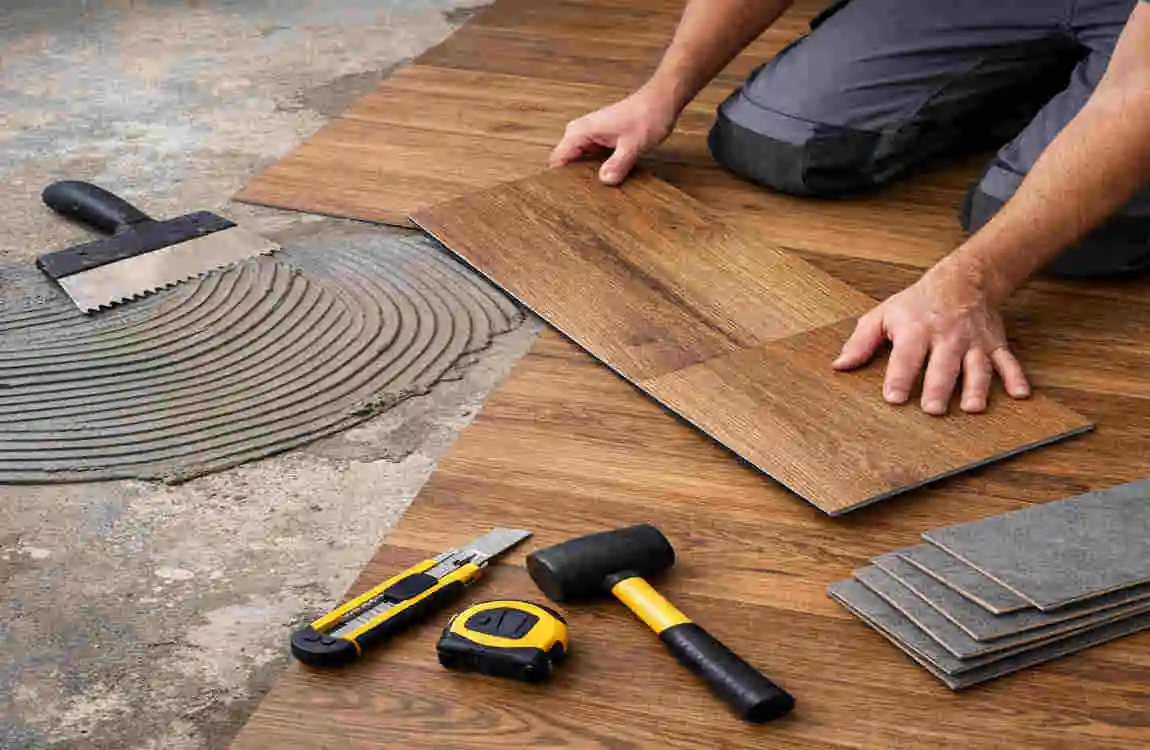
If you are asking, “Can you put vinyl flooring over concrete?” the short answer is yes. In fact, vinyl flooring is one of the most popular choices for concrete floors because it looks good, feels comfortable, and is easier to install than many other flooring options.
Homeowners often choose vinyl for concrete because it works well in spaces like basements, kitchens, bedrooms, and living rooms. It can also handle moisture better than many traditional floors, which makes it a smart choice for areas that feel cool or damp.
Can You Put Vinyl Flooring Over Concrete?
The Simple Answer
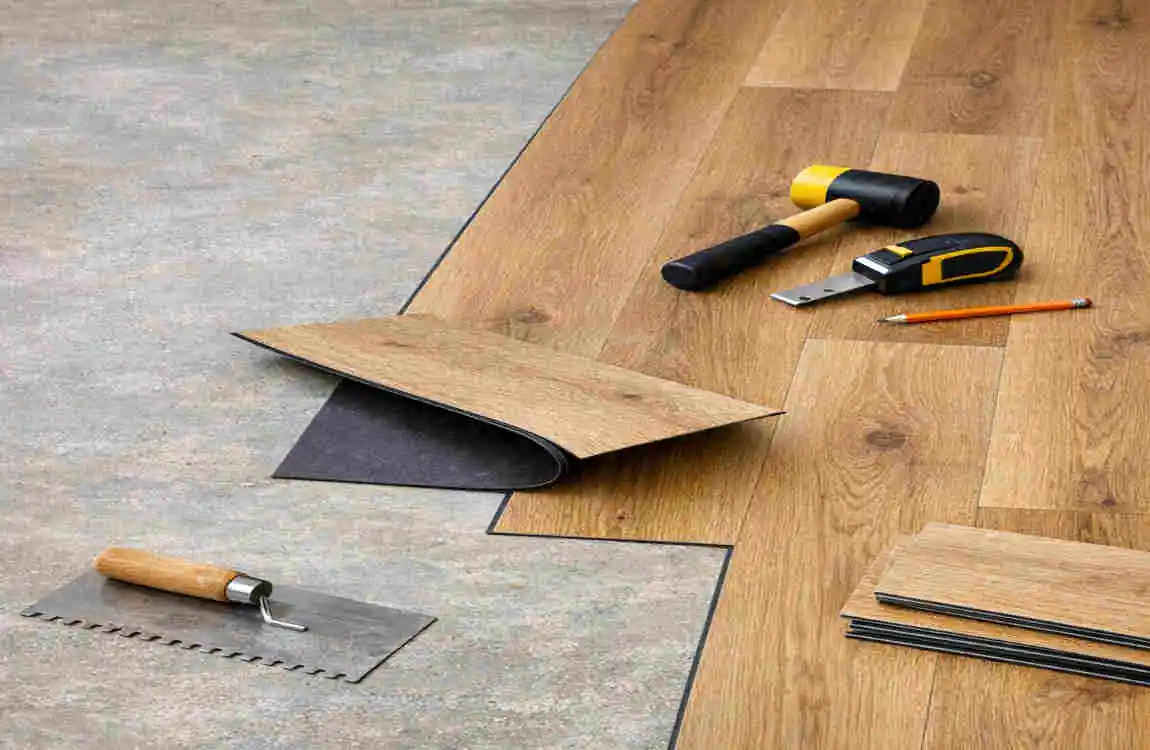
Yes, vinyl flooring can be installed over concrete. But the concrete must be clean, dry, smooth, and level. If the floor has cracks, moisture, or uneven spots, you need to fix those problems first.
Vinyl flooring is flexible, durable, and easy to maintain. That makes it a practical choice for concrete surfaces in many homes.
When It Is a Good Choice
Vinyl flooring works especially well in:
- Basements
- Living rooms
- Bedrooms
- Kitchens
- Some garages with suitable products
If you want a floor that looks stylish but still handles everyday use, vinyl is a strong option.
Benefits of Installing Vinyl Flooring Over Concrete
Comfortable Underfoot
Concrete feels hard and cold. Vinyl adds a softer layer, which makes the room feel more comfortable.
Water Resistance
Many vinyl products resist moisture well. That is a big plus when you are working with concrete, especially in basements.
Affordable Flooring Option
Vinyl is usually cheaper than hardwood, tile, or stone. It gives you a nice look without a huge cost.
Easy Maintenance
You do not need special tools or harsh cleaners. Simple sweeping and light mopping are usually enough.
Attractive Designs
Vinyl comes in many styles, including wood and stone looks, as well as modern patterns. You can match almost any room design.
Long Lifespan
If installed correctly, quality vinyl flooring can last 15 to 25 years or more.
Types of Vinyl Flooring Suitable for Concrete
Luxury Vinyl Plank (LVP)
LVP looks like wood planks and is one of the most popular choices for homes. It is strong, water-resistant, and easy to install.
Luxury Vinyl Tile (LVT)
LVT looks like tile or stone. It works well in kitchens and bathrooms when moisture protection is important.
Sheet Vinyl
Sheet vinyl comes in large rolls. It is a good choice for rooms where you want fewer seams.
Peel-and-Stick Vinyl Tiles
These are good for smaller DIY projects. They are easy to install, but may not last as long as premium products.
Rigid Core SPC Vinyl
SPC vinyl is very durable and works well over concrete, especially in basements or busy rooms.
Vinyl Flooring Comparison Table
Flooring TypeBest ForWater ResistanceInstallationDurability
LVP Homes Excellent Click Lock High
LVT Kitchens Excellent Glue/Click High
Sheet Vinyl Bathrooms Excellent Glue Down Medium
Peel & Stick DIY Projects Good Self-Adhesive Medium
SPC Vinyl Basements Excellent Floating Excellent
Preparing Concrete Before Installation
Clean the Surface
Start by removing dust, dirt, paint, grease, and debris. A clean surface helps the flooring stick or lock properly.
Repair Cracks and Holes
Fill any cracks, chips, or holes in the concrete. Even small damage can show through the vinyl later.
Level Uneven Concrete
Vinyl flooring needs a flat base. If the floor slopes or has bumps, use a levelling compound to smooth it out.
Remove Old Adhesive
If the concrete has old glue or residue, scrape it off. Leftover adhesive can stop the new floor from sitting properly.
Check Moisture Levels
This step is very important. Moisture trapped under vinyl can cause mould, lifting, or damage over time.
Allow Concrete to Cure
If the concrete is new, let it cure fully before installing flooring. Fresh concrete often holds too much moisture.
Moisture Testing Is Important
Why Moisture Matters
Concrete naturally holds moisture. If moisture gets into your vinyl flooring, it can cause bad odours, warping, or loose edges.
Plastic Sheet Test
Tape a plastic sheet to the floor and leave it for a day or two. If you see condensation under it, the floor may still be too damp.
Moisture Meter Test
A moisture meter gives a more accurate reading. This is one of the best ways to check whether the concrete is ready.
Moisture Barrier Options
If needed, use a moisture barrier to help protect the vinyl from damp concrete below.
Tools and Materials Needed
Before you start, gather the basics:
- Tape measure
- Utility knife
- Straight edge
- Rubber mallet
- Floor roller
- Moisture barrier
- Underlayment, if required
- Vinyl flooring
- Adhesive, if needed
Having the right tools ready makes the job smoother and faster.
Step-by-Step Installation Guide
Measure the Room
Measure the length and width of the room carefully. Add a little extra material for cutting and fitting.
Prepare the Concrete
Clean the floor, fix cracks, level uneven spots, and remove any debris.
Install Moisture Barrier
If your vinyl type needs one, install a moisture barrier before laying the floor.
Lay Underlayment If Needed
Some vinyl floors need underlayment for comfort or sound control. Others already have it built in.
Start Installing Vinyl Flooring
Begin at one wall and work across the room. Make sure each plank or tile lines up correctly.
Should You Use Underlayment?
When It Is Recommended
Underlayment is helpful when you want more comfort, less noise, or a smoother feel underfoot.
When It Is Not Necessary
Some vinyl flooring products already include a built-in backing. In that case, a separate underlayment may not be needed.
Best Underlayment Materials
Look for underlayment made for vinyl flooring, especially if you need moisture protection or sound reduction.
Common Mistakes to Avoid
- Ignoring moisture issues
- Installing on uneven concrete
- Skipping expansion gaps
- Not acclimating the flooring
- Using the wrong adhesive
- Cleaning the surface poorly
These mistakes can lead to damage later, so it is worth taking the extra time to do things right.
Can Vinyl Flooring Be Installed in a Basement?
Advantages
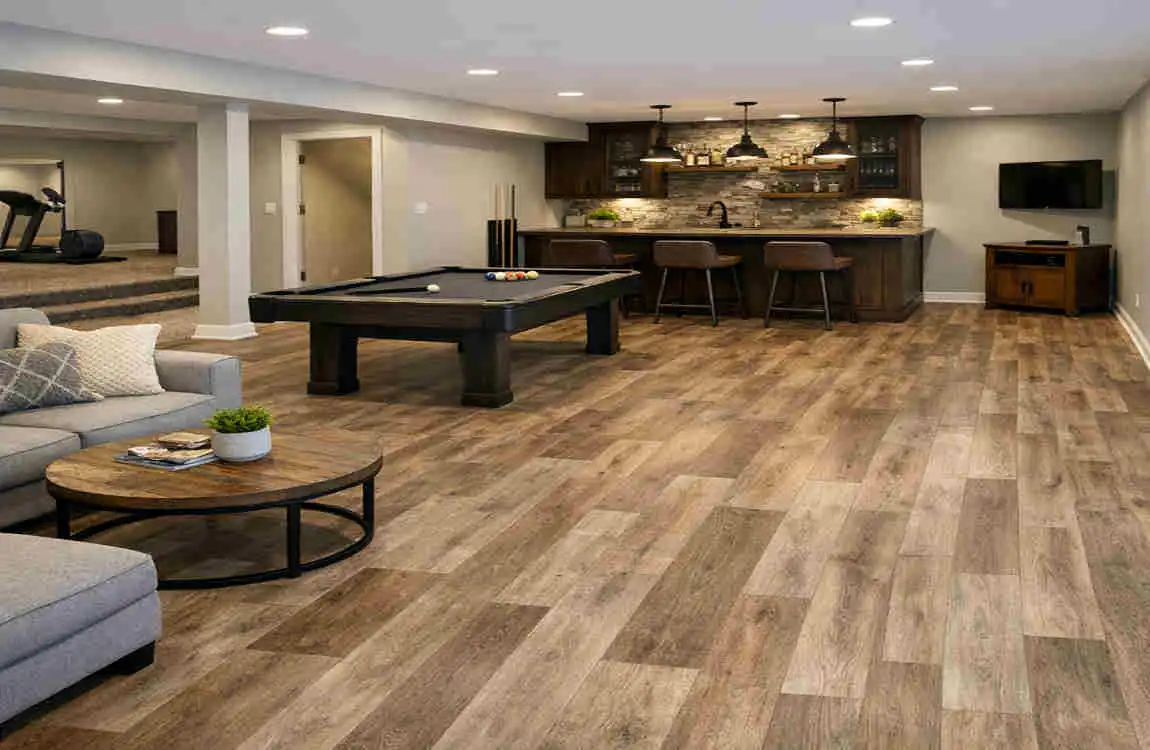
Yes, basement installation is one of the most common uses for vinyl over concrete. It handles cooler, slightly damp spaces better than many flooring materials.
Moisture Concerns
The main concern in basements is moisture. You must test the concrete first and use the right barrier if needed.
Best Vinyl Options
The best choices for basements are usually LVP and SPC rigid-core vinyl because they are durable and moisture-resistant.
Cost of Installing Vinyl Flooring Over Concrete
Material Costs
Vinyl flooring usually costs $2 to $7 per square foot, depending on the quality and type.
Installation Costs
Professional installation often costs around $2 to $5 per square foot.
DIY vs Professional Installation
If you are handy, you may save money by doing the work yourself. But if the concrete is uneven or has moisture issues, hiring a pro can help you avoid costly mistakes.
Estimated Cost Table
ItemAverage Cost
Vinyl Flooring $2–$7 per sq. ft.
Underlayment $0.30–$1 per sq. ft.
Moisture Barrier $0.20–$0.70 per sq. ft.
Professional Installation $2–$5 per sq. ft.
Maintenance Tips
Regular Cleaning
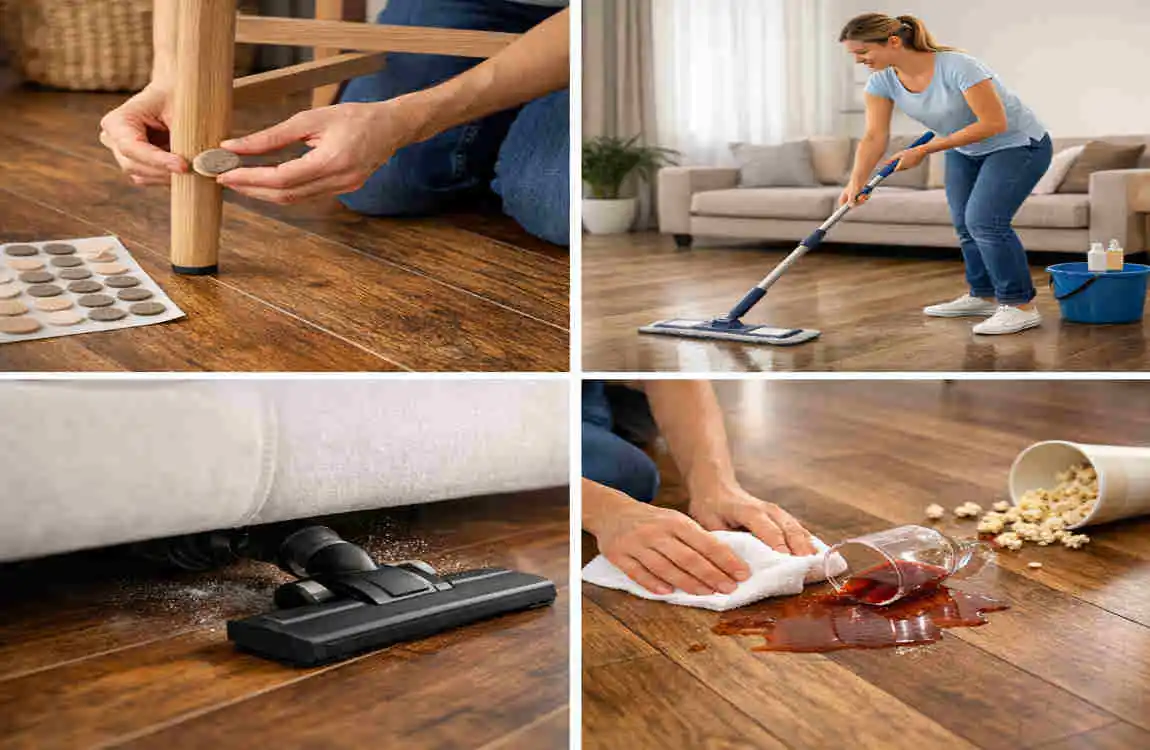
Sweep or vacuum often to remove dirt and grit. This helps prevent scratches.
Avoid Excess Water
Use a damp mop, not a soaking wet one. Too much water can weaken the floor over time.
Protect Against Scratches
Place pads under furniture and avoid dragging heavy items across the floor.
Replace Damaged Planks
If one plank gets damaged, replace it as soon as possible so the problem does not spread.
Use Furniture Pads
Furniture pads reduce pressure and help protect the vinyl from dents.
Pros and Cons
ProsCons
Water resistant Moisture problems if concrete isn’t prepared
Affordable May require levelling
DIY-friendly Some products need adhesive
Durable Can feel cold without underlayment
Stylish Heavy furniture may dent it
Expert Tips for Long-Lasting Results
- Buy quality vinyl flooring
- Always test concrete moisture
- Follow manufacturer instructions
- Let flooring acclimate before installation
- Keep indoor humidity under control
- Use protective mats in busy areas
These small steps can make a big difference in how well your floor holds up.
Frequently Asked Questions
Can you put vinyl flooring directly over concrete?
Yes, as long as the concrete is clean, dry, level, and free of excess moisture.
Do I need a moisture barrier under vinyl flooring on concrete?
In many cases, yes. A moisture barrier helps protect the flooring from damp concrete.
Is underlayment necessary for vinyl flooring over concrete?
It depends on the product. Some vinyl floors already have attached underlayment.
What is the best vinyl flooring for concrete floors?
LVP and SPC rigid-core vinyl are two of the best options.
Can vinyl flooring be installed in a basement over concrete?
Yes, and it is a very popular choice for basements.
How long does vinyl flooring last on concrete?
With proper care, it can last 15 to 25 years or longer.
| Topic | Details |
|---|---|
| Can You Install Vinyl Flooring Over Concrete? | Yes. Vinyl flooring can be installed directly over a clean, dry, and level concrete subfloor. |
| Best Vinyl Flooring Type | Luxury Vinyl Plank (LVP), Luxury Vinyl Tile (LVT), sheet vinyl, and rigid core (SPC) vinyl all work well on concrete. |
| Concrete Condition | The surface should be smooth, crack-free, and free from dust, grease, paint, and debris. |
| Moisture Check | Always test the concrete for moisture before installation to prevent mold, adhesive failure, or flooring damage. |
| Need for Underlayment | Some vinyl floors include a built-in underlayment, while others may require a moisture barrier or underlayment depending on the product and location. |
| Leveling Requirements | Fill cracks and level uneven areas before laying vinyl to ensure a smooth, long-lasting finish. |
| Installation Methods | Glue-down, click-lock (floating), and peel-and-stick vinyl can all be installed over properly prepared concrete. |
