
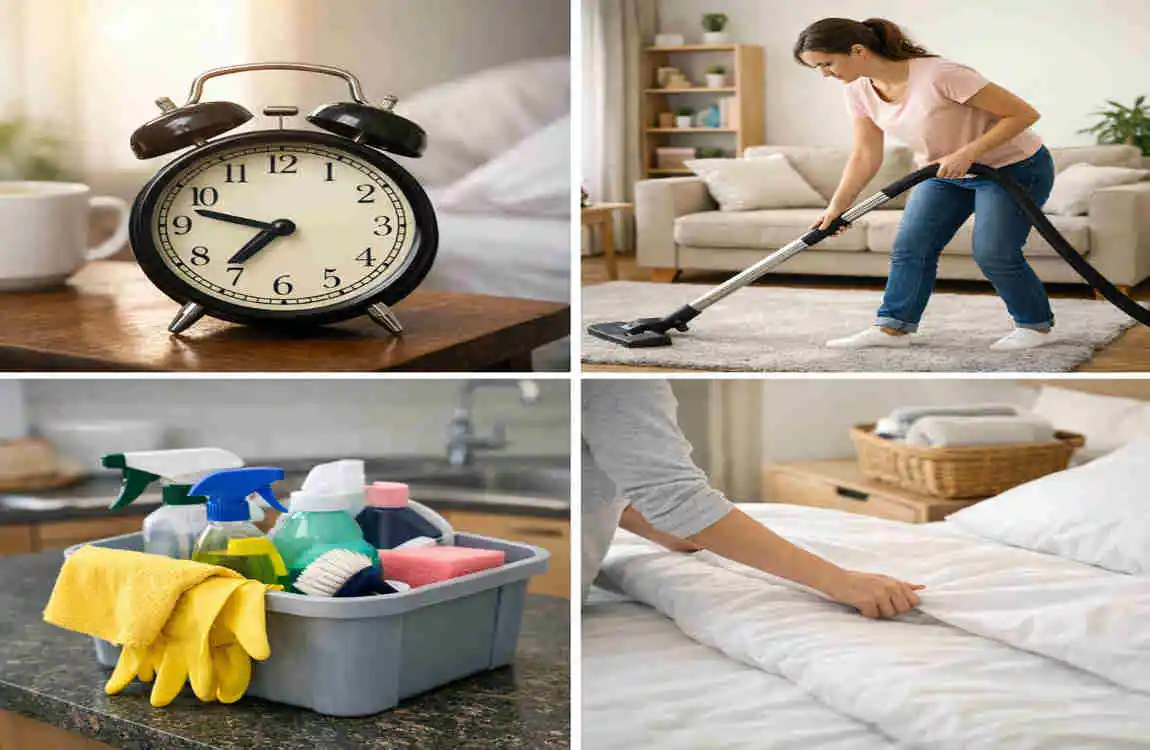
Knowing when to clean a home can make a big difference in how easy housework feels. When you clean at the right time and follow a simple routine, the work does not pile up as much.
A good cleaning schedule saves time, reduces stress, and helps keep your home fresh without constant effort. Instead of waiting for messes to grow, you can deal with them in small steps.
Your best cleaning timing may depend on your lifestyle, home size, and family needs. But with the right plan, you can keep your home cleaner, calmer, and easier to manage.
Why Is Cleaning Timing Important for a Home?
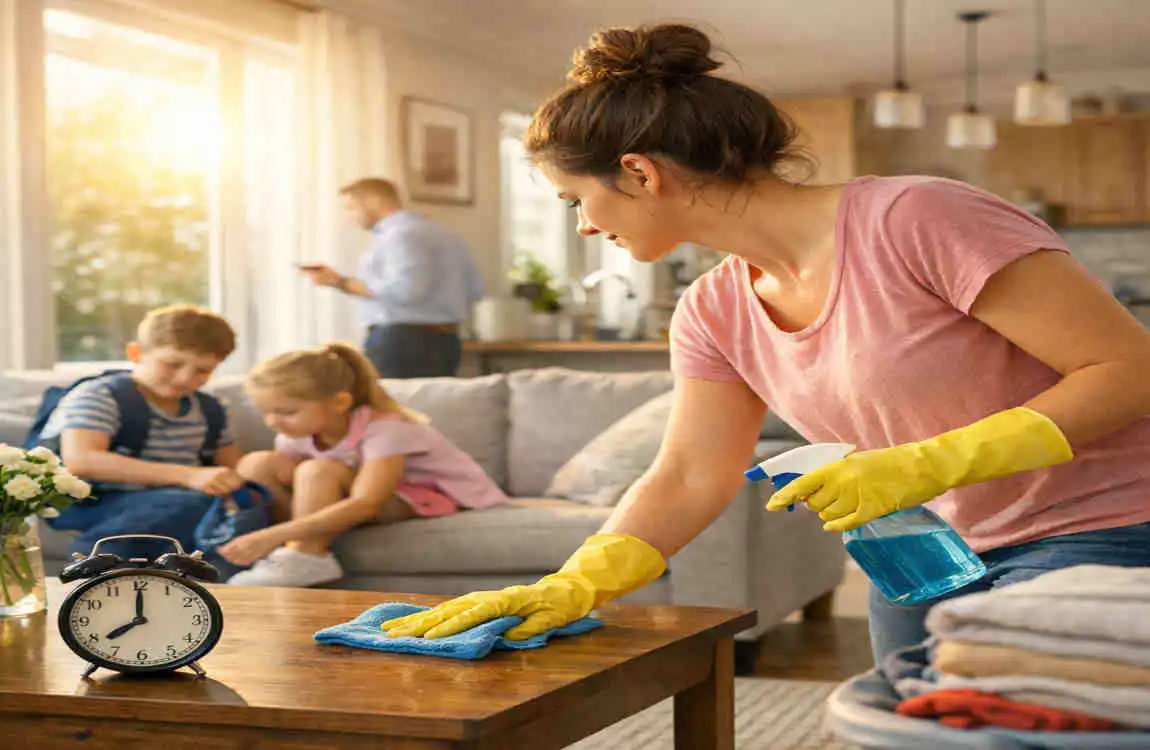
Prevents Dirt and Clutter Build-Up
When you clean regularly, dust and mess do not get the chance to build up. That means stains are easier to remove, and surfaces stay in better shape.
This also helps protect furniture, floors, and appliances from long-term wear.
Creates a Healthier Living Environment
A clean home is not just about looks. It also helps reduce allergens, bacteria, and indoor pollution.
That can improve air quality and make the home feel more comfortable for everyone.
Saves Time and Energy
Small cleaning tasks are much easier than one big cleanup. If you handle chores in short sessions, you avoid the stress of a messy home later.
Best Time of Day to Clean Your Home
Morning Cleaning Routine
Morning is a great time for simple cleaning tasks. You usually have more energy, and the home feels fresh after the night.
Try to:
- Open windows for fresh air
- Make the beds
- Clear kitchen mess
- Start laundry
Benefits:
Morning cleaning gives you a fresh start and helps keep the home organized throughout the day.
Afternoon Cleaning Routine
Afternoon works well for more detailed cleaning. At this time, you can focus on tasks that need a little more attention.
Good afternoon jobs include cleaning bathrooms, floors, and storage spaces.
Evening Cleaning Routine
Evening cleaning should be light and simple. The goal is to reset the home for the next day.
A few useful tasks are washing dishes, putting items back in place, and tidying shared spaces.
How to Create an Easy Home Cleaning Schedule
Daily Cleaning Tasks
Daily cleaning should be quick and simple. These small habits help prevent mess from growing.
Common daily tasks include:
- Making beds
- Washing dishes
- Wiping kitchen counters
- Sweeping busy areas
- Putting items back where they belong
Weekly Cleaning Schedule
A weekly plan gives your home deeper care without feeling overwhelming.
Day Cleaning Task
Monday Kitchen cleaning
Tuesday Bedroom organization
Wednesday Bathroom cleaning
Thursday Dusting furniture
Friday Vacuuming floors
Saturday Laundry and outdoor cleaning
Sunday Light maintenance
Monthly Cleaning Tasks
Monthly cleaning takes care of tasks that do not need to be done every week.
These may include:
- Cleaning windows
- Washing curtains
- Organizing cabinets
- Cleaning appliances
- Checking storage areas
Room-by-Room Home Cleaning Timing Guide

Kitchen Cleaning Schedule
The kitchen needs frequent attention because it is used so often.
Clean countertops daily, remove expired food regularly, and wipe cabinets when needed. Deep clean appliances once a month so grease and buildup do not become a problem.
Bathroom Cleaning Schedule
Bathrooms should stay clean and dry to help prevent mold and smells.
Focus on cleaning the toilet, shower, bathtub, mirrors, and sink often. Regular wiping and ventilation help keep the room fresh.
Bedroom Cleaning Schedule
Bedrooms feel better when they stay neat and airy.
Change bedsheets regularly, dust furniture, organize clothes, and let fresh air into the room when possible. A clean bedroom supports better rest.
Living Room Cleaning Schedule
The living room often collects dust and clutter quickly.
Vacuum sofas, dust decorations, clean the floor, and put away loose items. This keeps the space comfortable for daily use and guests.
How Often Should You Deep Clean Your Home?
Weekly Deep Cleaning Tasks
Some tasks need a little extra attention each week.
These include vacuuming carpets, mopping floors, and sanitizing frequently touched surfaces.
Seasonal Deep Cleaning Tasks
Seasonal cleaning helps you stay ahead of bigger messes around the house.
Consider cleaning windows, washing outdoor furniture, organizing storage rooms, and inspecting easy-to-forget areas.
Yearly Home Cleaning Checklist
Once a year, focus on larger home maintenance jobs.
These may include:
- Roof and gutter cleaning
- HVAC maintenance
- Garage organization
- Appliance inspection
Best Cleaning Tips to Make Your Home Maintenance Easier
Follow the “Clean as You Go” Method
Do not wait for mess to pile up. Clean right after cooking, unpacking, or using something messy.
This habit keeps work smaller and easier to manage.
Use a Cleaning Checklist
A checklist helps you stay organized and remember what still needs attention. It also makes cleaning feel more manageable.
Keep Cleaning Supplies Organized
Store supplies where you need them. If tools are easy to reach, you are more likely to use them.
Declutter Regularly
Less clutter means less cleaning. If your home holds fewer unused items, you will spend less time wiping, sorting, and moving things around.
Common Home Cleaning Mistakes to Avoid
Cleaning Without a Schedule
Without a plan, cleaning becomes uneven and stressful. A simple schedule keeps things under control.
Ignoring High-Touch Areas
Do not forget door handles, light switches, and remote controls. These spots collect germs quickly.
Using Incorrect Cleaning Products
Some products can damage surfaces, especially wood, stone, or delicate finishes. Always choose the right cleaner for the job.
Cleaning Too Much at Once
Trying to do everything in one day can cause exhaustion. Smaller cleaning sessions are easier to maintain.
Smart Cleaning Schedule for Busy Homeowners
15-Minute Daily Cleaning Routine
If you are busy, keep it short. A 15-minute routine can still make a big difference.
Use that time for quick organizing, wiping surfaces, and basic tidying.
Weekend Cleaning Plan
Weekends are a good time for bigger tasks. You can handle deep cleaning, laundry, and other jobs that need more time.
Family Cleaning Routine
If you live with others, divide the work. When each person has a few simple tasks, cleaning becomes faster and less stressful.
Seasonal Home Cleaning Guide
Spring Cleaning
Spring is the perfect time to declutter, wash windows, and clean outdoor areas.
Summer Cleaning
Summer cleaning often includes cooling system care and outdoor maintenance.
Fall Cleaning
In fall, prepare your home for colder weather. Clean heating equipment and get the house ready for winter.
Winter Cleaning
Winter is a good time to protect indoor air quality and organize indoor spaces.
Benefits of Following a Proper Home Cleaning Schedule

A good cleaning schedule gives you many advantages:
- Improved home appearance
- Better indoor hygiene
- Reduced stress
- Longer-lasting furniture and appliances
- A more comfortable living environment
Frequently Asked Questions
Q: What is the best time to clean a home?
Morning is usually the best time because you have more energy and can finish important tasks before the day gets busy.
Q: How often should I clean my house?
Basic cleaning should be done daily, detailed cleaning weekly, and deep cleaning monthly or seasonally.
Q: How long should daily home cleaning take?
A simple daily routine can take about 15 to 30 minutes, depending on the size of your home.
Q: What should I clean every day at home?
Clean dishes, kitchen counters, bathroom surfaces, and floors in busy areas daily, and remove clutter.
Q: How can I make home cleaning easier?
Create a schedule, organize supplies, clean small areas regularly, and avoid letting mess build up.
| Cleaning Task | Best Time to Do It | Recommended Schedule | Quick Tips |
|---|---|---|---|
| Make Beds & Tidy Rooms | Morning | Daily | Start the day by organizing rooms and creating a fresh atmosphere. |
| Dust Furniture & Surfaces | Morning or Afternoon | Weekly | Use a microfiber cloth to remove dust effectively. |
| Vacuum Floors & Carpets | Afternoon | 1–2 Times Weekly | Focus on high-traffic areas like living rooms and hallways. |
| Mop Hard Floors | After Vacuuming | Weekly | Use the right cleaner for wood, tile, or laminate floors. |
| Clean Kitchen Counters & Sink | After Cooking | Daily | Wipe spills quickly to prevent stains and bacteria buildup. |
