
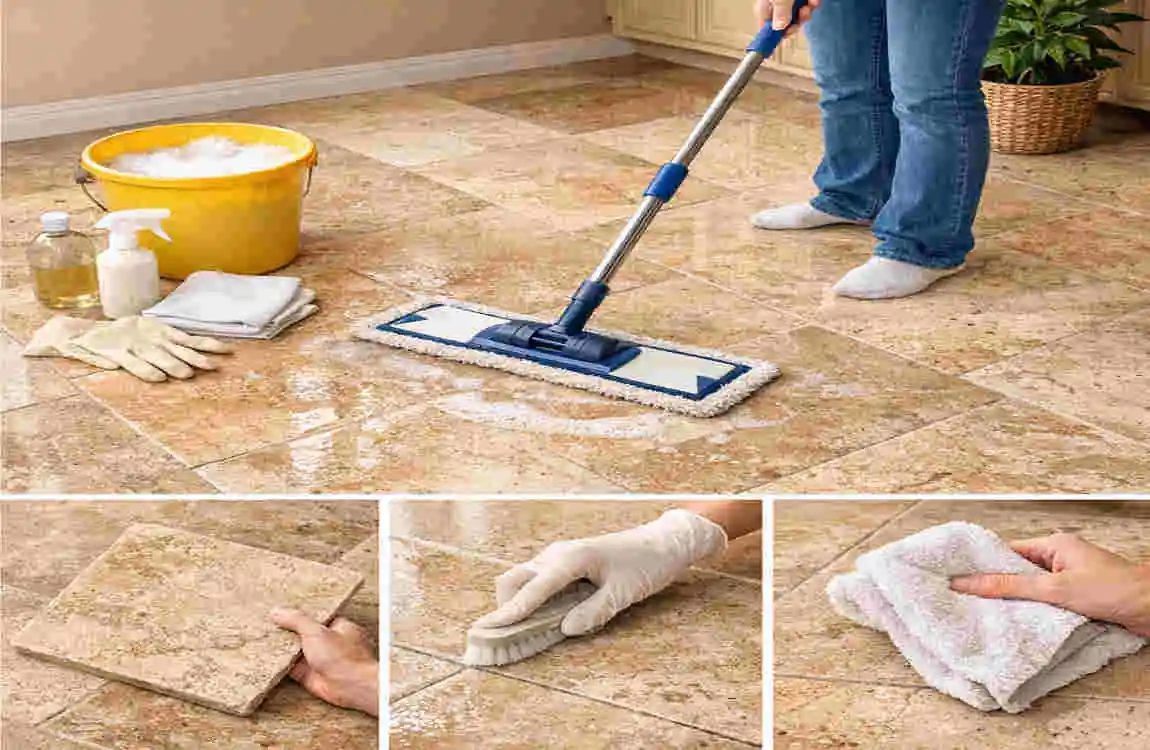
Travertine is a beautiful natural stone that can make any home feel warm, elegant, and timeless. But if you want it to stay that way, you need to clean it properly.
Knowing how to clean travertine flooring matters because this stone is softer and more porous than ceramic or porcelain. That means harsh cleaners, too much water, or rough scrubbing can leave it dull, stained, or scratched.
The good news is that travertine is not hard to care for when you follow simple steps. With the right tools, safe cleaners, and regular upkeep, you can protect its shine and keep it looking fresh for years.
Understanding Travertine Flooring Before Cleaning
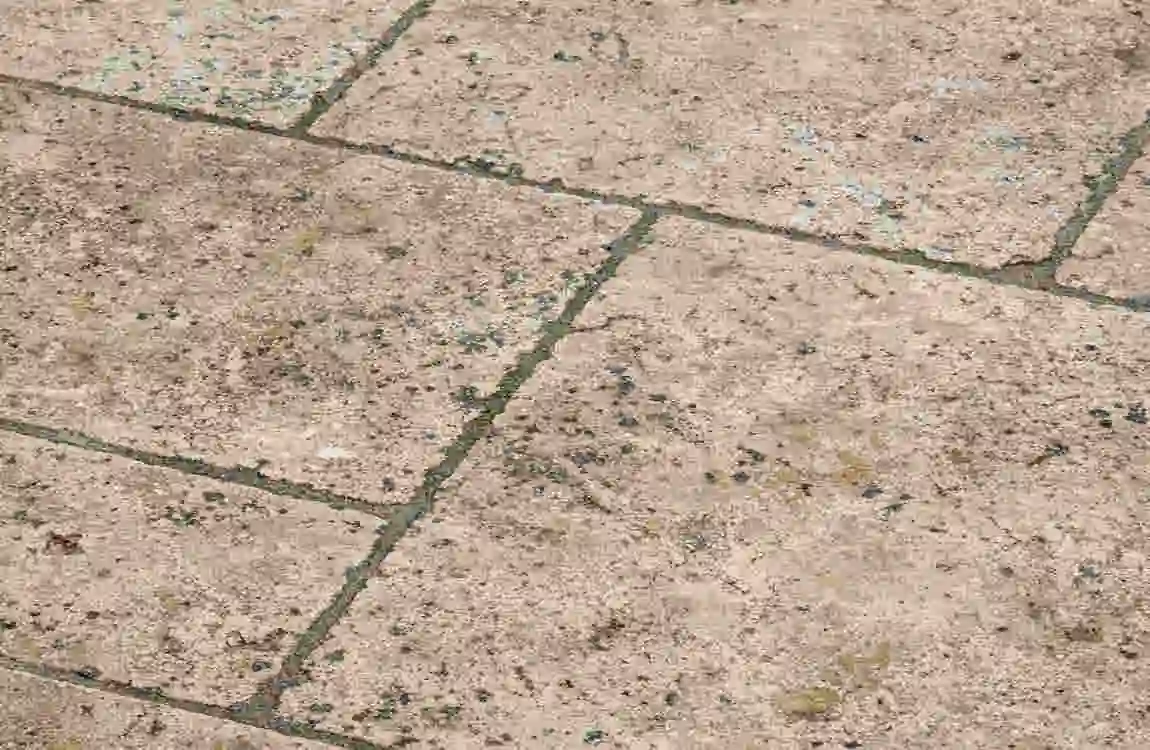
What Makes Travertine Different From Other Floors?
Travertine is a natural stone made from limestone. It has small holes, a soft texture, and unique patterns that give it a very natural look.
Because it is porous, it can absorb liquids more easily than many other flooring types. That is why cleaning natural stone floors requires a gentler approach.
Common Issues With Travertine Floors
Travertine floors can run into a few common problems:
- Dirt buildup
- Water stains
- Oil or food stains
- Scratches
- Loss of shine
These issues usually happen when the floor is cleaned with the wrong products or not maintained regularly.
Why Proper Cleaning Matters
When you clean travertine carefully, you protect the surface and help the floor last longer. You also keep the stone looking natural instead of dull or damaged.
Good maintenance can also save you money later by reducing the need for repairs or restoration.
Tools and Supplies Needed to Clean Travertine Floors
Recommended Cleaning Tools
Keep these tools on hand:
- Soft microfiber mop
- Soft-bristle broom
- Dust mop
- Bucket
- Clean microfiber towels
- Vacuum without a hard brush attachment
These tools help remove dirt without scratching the stone.
Safe Cleaning Products for Travertine
The best cleaner for travertine floors is usually a pH-neutral stone cleaner. These cleaners are made for natural stone and do not damage the surface.
You can also use mild soap solutions, but always use them lightly and rinse properly.
Cleaning Products to Avoid
Some products can damage travertine fast. Avoid:
- Vinegar
- Lemon juice
- Bleach
- Ammonia-based cleaners
- Abrasive powders
- Harsh bathroom cleaners
These products are too acidic or too strong for natural stone and can cause etching or dull spots.
Step-by-Step Guide: How to Clean Travertine Flooring Safely
Remove Dust and Loose Dirt
Start by sweeping or vacuuming the floor. This removes sand, dust, and small debris that can scratch the stone while mopping.
Try to do this often, especially in high-traffic areas like hallways, kitchens, and entryways.
Prepare the Cleaning Solution
Fill a bucket with warm water and add a stone-safe cleaner according to the label instructions. Do not add extra cleaner thinking it will work better.
Too much chemical can leave residue behind and may harm the stone over time.
Mop the Travertine Floor Properly
Use a damp microfiber mop, not a soaking wet one. Travertine does not like excess water.
Work in small sections so you can clean evenly. If the mop becomes dirty, rinse it before continuing.
Remove Stubborn Spots and Stains
Some marks need extra attention.
Oil Stains
Use a stone poultice cleaner made for oil. This type of product helps draw the stain out of the stone.
Water Marks
Use a travertine-safe cleaner and dry the area fully after cleaning.
Dirt in Grout Lines
Use a soft brush and mild cleaner. Do not scrub too hard, because that can damage the grout or surrounding stone.
Dry and Polish the Surface
After mopping, wipe away extra moisture with a microfiber towel. This helps prevent water spots and streaks.
Drying the floor also helps keep the stone looking clean and polished.
Daily and Weekly Travertine Floor Maintenance Tips
Daily Cleaning Routine
A little care each day goes a long way.
Try to:
- Sweep high-traffic areas
- Clean spills immediately
- Use rugs near entrances
This helps keep dirt from grinding into the surface.
Weekly Deep Cleaning Routine
Once a week, do a more complete cleaning. Damp-mop the floor, check for stains, and clean grout areas as needed.
This keeps buildup from becoming a bigger problem.
Monthly Maintenance Tips
Once a month, inspect the floor carefully. Look for scratches, dull spots, or areas that may need sealing.
If the floor has lost its protective layer, it may be time to refresh it.
How to Protect Travertine Floors From Damage
Seal Travertine Flooring Regularly
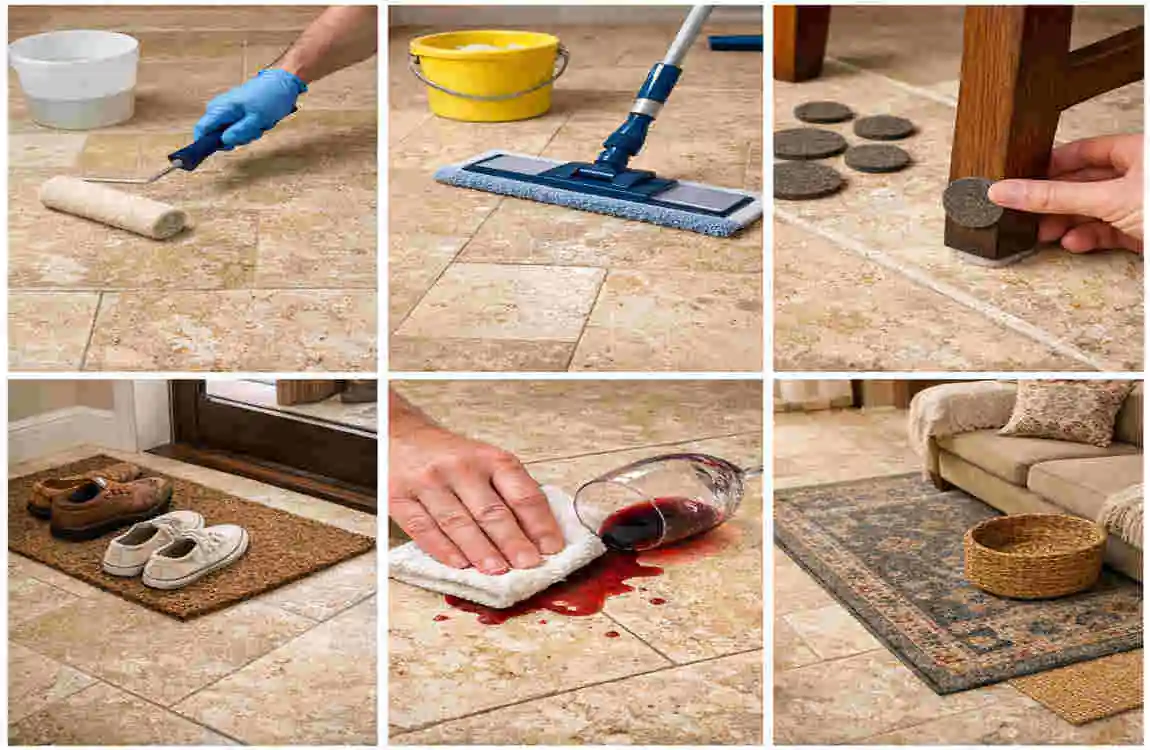
One of the most important travertine sealing tips is to reseal the stone when needed. A good sealer helps block stains and moisture.
Sealing frequency depends on the type of sealer and the amount of traffic the floor gets. Many homes benefit from resealing every one to three years.
Prevent Scratches and Wear
To reduce damage, use furniture pads, lift heavy items rather than drag them, and keep outdoor dirt off the floor.
Small habits like these help protect the finish over time.
Control Moisture Exposure
Wipe spills quickly and avoid standing water. Use mats near sinks, doors, and other wet spots.
Too much moisture can seep into the stone and leave marks behind.
Common Mistakes When Cleaning Travertine Floors
Using Acidic Cleaners
This is one of the biggest mistakes. Acidic products like vinegar and lemon juice can etch the stone and leave permanent damage.
Using Too Much Water
Travertine absorbs moisture more easily than many floors. Too much water can cause staining or weaken the finish.
Scrubbing With Hard Brushes
Hard brushes can scratch the surface and remove protective coatings. Stick with soft tools.
Ignoring Sealing
Unsealed travertine is much more likely to stain. If you skip sealing, the floor becomes harder to protect.
DIY Natural Cleaning Solutions for Travertine Floors
If you prefer simple options, warm water with a small amount of pH-neutral cleaner is usually the safest choice.
You can also use mild soap solutions, but keep them light and rinse carefully.
Just remember that natural does not always mean safe. Avoid homemade mixtures with vinegar, lemon, or other acidic ingredients.
Benefits of Maintaining Travertine Flooring Properly
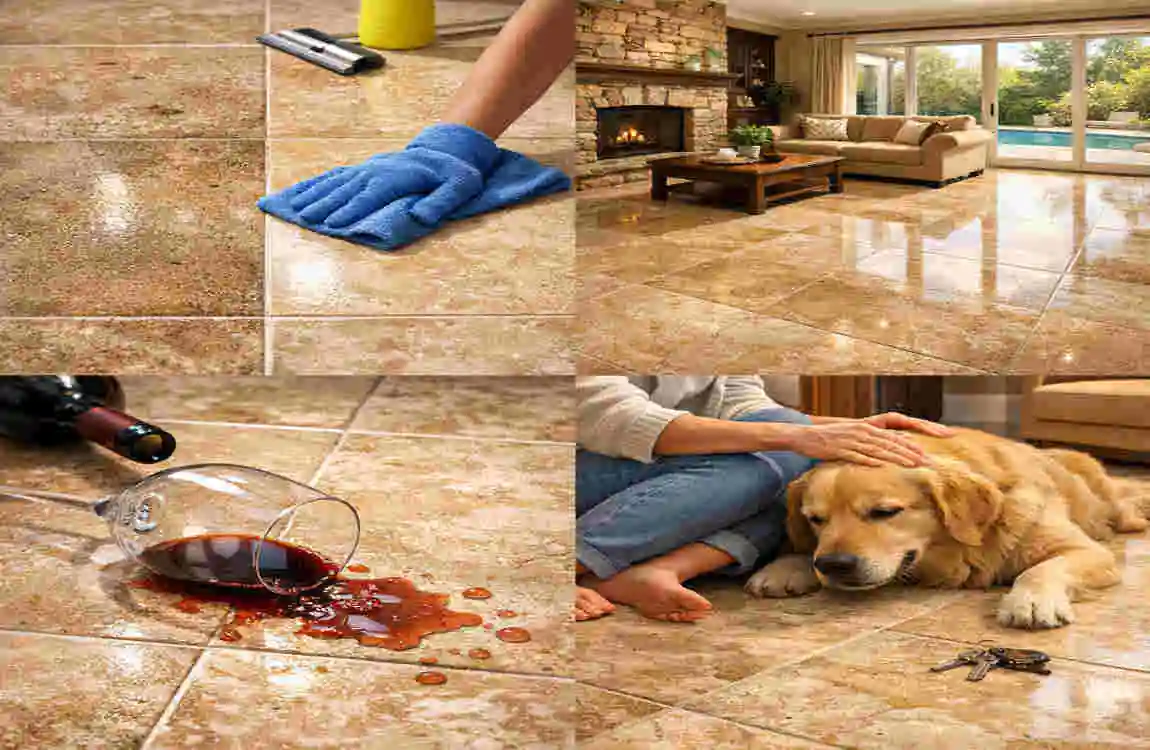
Good care gives you real benefits:
- Longer floor lifespan
- Improved appearance
- Better home value
- Reduced repair costs
- Healthier indoor environment
A floor clean, well-kept travertine floor can make your whole home feel more polished and inviting.
Frequently Asked Questions
How often should I clean travertine floors?
Sweep or dust daily in busy areas, and do a damp clean weekly.
Can I use vinegar to clean travertine flooring?
No. Vinegar is acidic and can damage the stone surface.
What is the best cleaner for travertine floors?
A pH-neutral stone cleaner is the safest and best choice for most homes.
How do I remove stains from travertine floors?
Use stone-safe stain removers or a poultice treatment designed for natural stone.
Should travertine floors be sealed?
Yes. Sealing helps protect against stains and moisture.
| Topic | Information |
|---|---|
| What Are Travertine Floors? | Travertine is a natural limestone flooring material known for its elegant appearance, durability, and unique patterns. It requires gentle cleaning methods to maintain its beauty. |
| Best Daily Cleaning Method | Sweep or dust mop regularly to remove dirt, sand, and debris that can scratch the surface. Use a soft microfiber mop for routine cleaning. |
| Recommended Cleaning Solution | Use a pH-neutral stone cleaner mixed with warm water. Avoid acidic cleaners like vinegar, lemon, or harsh chemicals that can damage travertine. |
| Step-by-Step Cleaning Process | 1. Remove loose dirt 2. Apply a safe stone cleaner 3. Mop gently 4. Rinse with clean water 5. Dry the floor to prevent water spots. |
| Stain Removal Tips | Clean spills immediately. Use a stone-safe poultice cleaner for tough stains such as oil, coffee, or grease. |
