
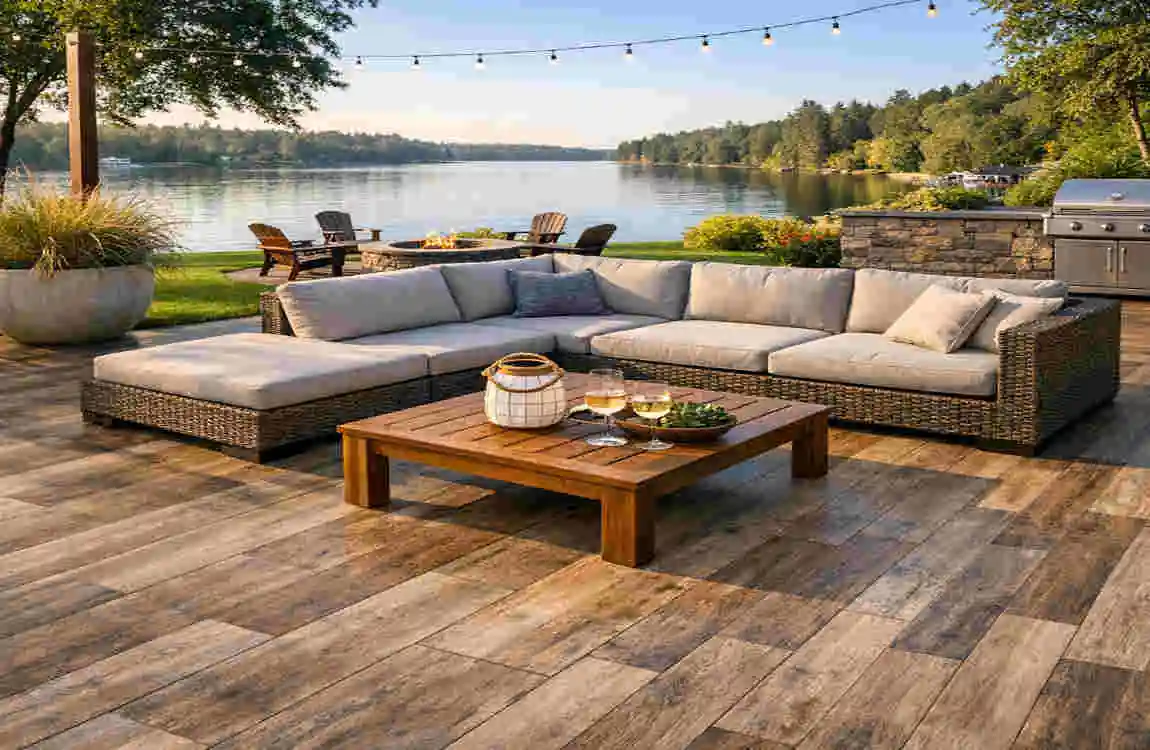
Vinyl plank flooring has become a favorite choice in many homes because it looks good, feels comfortable, and is easy to care for. People love it for kitchens, living rooms, bedrooms, and basements. It gives the look of wood without the same price or upkeep.
Because of that popularity, many homeowners start asking, can vinyl plank flooring be used outside on patios, balconies, porches, or outdoor rooms? It is a fair question, especially if you want a smooth, stylish floor that connects your indoor and outdoor spaces.
The short answer is this: standard vinyl plank flooring is not made for full outdoor exposure. Sunlight, rain, heat, cold, and moisture can all damage it over time. Some outdoor-rated vinyl products may work in covered or protected spaces, but regular indoor vinyl is usually not the right choice.
Can Vinyl Plank Flooring Be Used Outside?
Understanding Vinyl Plank Flooring Materials
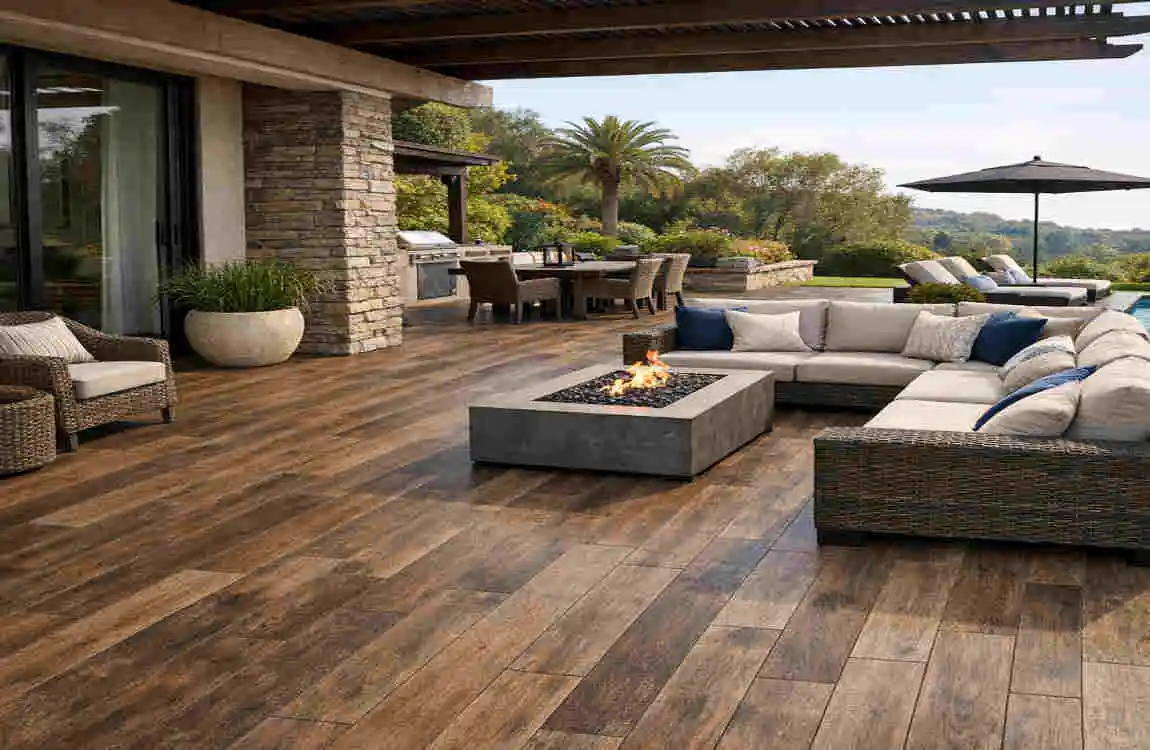
Vinyl plank flooring is made from layered synthetic material. It is designed to copy the look of real wood while staying affordable and practical.
Most vinyl planks include:
- PVC layers for strength and flexibility
- Printed design layer for the wood or stone look
- Wear layer for surface protection
- Protective coating for easier cleaning
These layers work very well indoors because the home environment stays more stable. Inside, the temperature does not swing wildly, and the flooring is not constantly exposed to weather.
Outside, however, conditions are much tougher. The same layers that make vinyl plank flooring useful indoors can break down when exposed to direct sun, rain, and extreme heat or cold.
Why Standard Vinyl Plank Flooring Is Not Recommended Outdoors
Standard vinyl plank flooring is usually not recommended for outdoor use. It may look fine at first, but the material was designed mainly for interior spaces.
Here are the most common problems:
- UV damage from sunlight
- Extreme temperature changes
- Water damage from rain
- Expansion and contraction issues
- Shortened lifespan
Sunlight can fade the color. Rain can seep into weak spots. Heat can make the planks expand. Cold can make them shrink or become brittle. These changes can lead to warping, lifting, cracking, or general wear.
So, if you are wondering whether vinyl plank flooring can be used outside, the safest answer is usually no unless it is specifically made for outdoor conditions.
Indoor Vinyl vs Outdoor-Rated Vinyl Flooring
Not all vinyl flooring is the same. Some products are built for interior use only, while others are made for more demanding areas.
FeatureIndoor Vinyl PlankOutdoor-Rated Flooring
UV Resistance Limited High
Water Resistance Good Excellent
Weather Protection Low High
Temperature Stability Moderate Better
Lifespan Short outdoors Longer
Outdoor-rated vinyl products are designed to withstand moisture, sunlight, and other challenging conditions. Even then, they often perform best in covered or semi-covered areas rather than in fully exposed spaces.
What Happens When Vinyl Plank Flooring Is Used Outdoors?
Fading and Color Damage
Direct sunlight is one of the biggest threats to vinyl plank flooring. Over time, UV rays can break down the top layer, causing the color to fade.
This is especially noticeable in darker finishes or printed wood-look patterns. Once the color starts fading, the floor can look patchy and uneven.
Some products have UV-resistant coatings, but even those can only do so much in full sun.
Cracking and Warping Problems
Vinyl reacts to temperature changes. When it gets hot, it expands. When it gets cold, it contracts. That movement is normal, but outdoors the changes can become too extreme.
If the planks expand and contract again and again, they may:
- Pull apart at the seams
- Curl at the edges
- Crack in stressed areas
- Lose their smooth surface
This is one of the main reasons regular indoor vinyl does not hold up well outdoors.
Moisture and Mold Concerns
People often hear that vinyl is waterproof and assume that means it is safe outdoors. That is not always true.
Waterproof does not always mean weatherproof. Outdoors, vinyl may still face problems from:
- Rain
- Snow
- Standing water
- Humidity
If water gets trapped underneath, mold, mildew, and damage can follow. The subfloor can also suffer if drainage is poor.
Types of Vinyl Flooring That May Work Outdoors
Outdoor Vinyl Flooring Options
Some special products are better suited for outdoor use than standard vinyl planks.
These include:
- Outdoor vinyl tiles
- Marine-grade vinyl flooring
- Waterproof outdoor flooring systems
- Specialized luxury vinyl made for exterior spaces
These products are designed with stronger protection in mind. They may be more resistant to moisture, sunlight, and wear.
Still, you should always check the manufacturer’s instructions carefully. A product may be called “waterproof,” but that does not automatically mean it can sit in open weather all year.
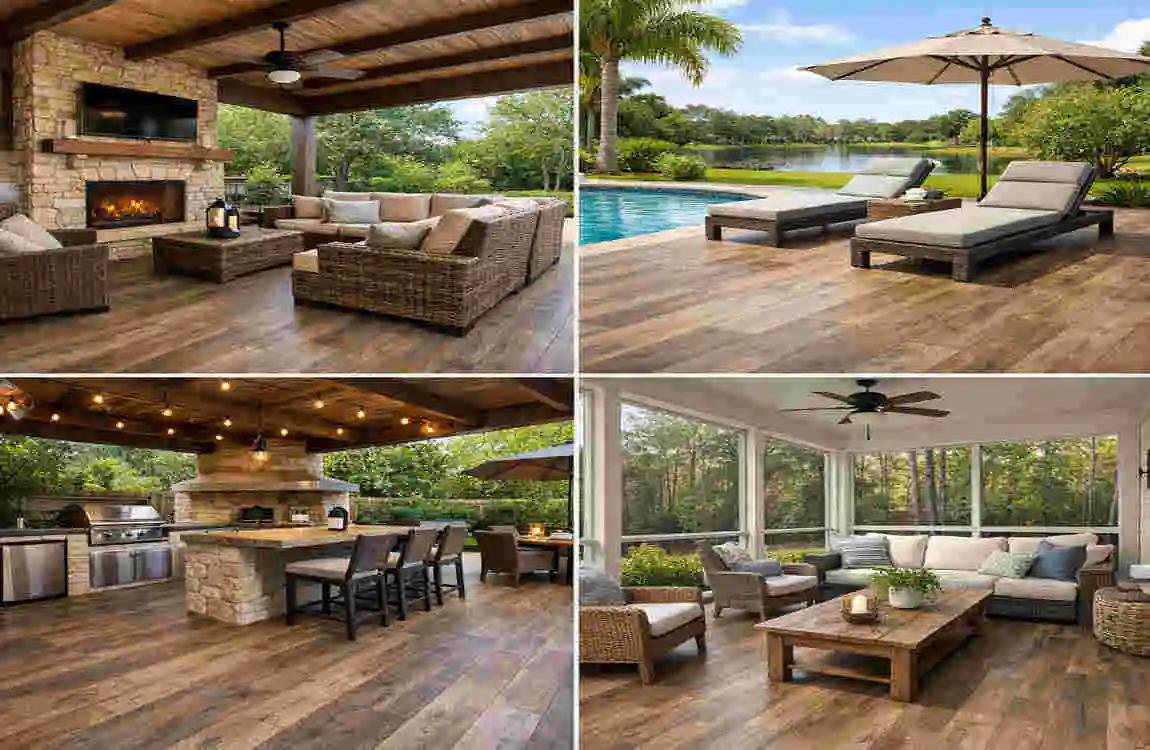
Vinyl Flooring for Covered Outdoor Areas
Vinyl often performs better in areas that have some protection from the weather.
Good examples include:
- Covered patios
- Screened porches
- Sunrooms
- Outdoor kitchens with roof cover
In these spaces, vinyl is less exposed to direct sunlight and rain. That gives it a better chance of lasting longer and staying looking good.
If your outdoor space has a roof, walls, or partial shade, vinyl may be more practical than in a fully open area.
Best Places to Use Vinyl Plank Flooring Outside
Covered Patio Areas
A covered patio is one of the better places to use vinyl flooring outdoors. Since the area is sheltered, the floor does not constantly face full sun or heavy rain.
This makes installation easier and reduces the risk of fast damage. Still, the floor should sit on a stable, dry, and well-prepared surface.
Outdoor Living Rooms
Some homeowners create outdoor living spaces that feel almost like indoor rooms. These areas may include sofas, rugs, and weather-protected seating.
Vinyl can work here if the space is covered and carefully designed. It gives a soft, attractive look and can help create a cozy feel.
Balcony Flooring
Balconies can be tricky because they often face moisture and drainage issues. If water pools on the surface, vinyl may not hold up well.
If you want to use vinyl on a balcony, choose a slip-resistant and outdoor-rated product. You also need to make sure the floor drains properly and does not trap water.
Factors to Consider Before Installing Vinyl Plank Flooring Outdoors
Weather Conditions
Your local climate matters a lot. A flooring choice that works in a mild area may fail in a harsh one.
Think about:
- Hot climates
- Freezing temperatures
- Heavy rainfall
- Humidity levels
If your area gets strong sun, heavy rain, or winter frost, standard vinyl is likely to struggle.
Sun Exposure
Sunlight can damage vinyl faster than many people expect. If the space receives direct sun for many hours each day, the risk of fading and surface wear increases significantly.
Shade structures like pergolas, awnings, or roof covers can help protect the flooring. That extra protection may make vinyl more practical in semi-outdoor spaces.
Proper Surface Preparation
The surface underneath the flooring matters just as much as the flooring itself.
Before installation, the base should be:
- Level
- Clean
- Dry
- Well-drained
- Stable
If the surface shifts or holds water, the floor above it will not perform well. Good preparation can make a big difference.
Installation Method
How the floor is installed also affects outdoor performance.
Common installation methods include:
- Floating installation
- Glue-down installation
- Outdoor-specific installation systems
For outdoor use, a secure, weather-resistant installation is important. A poor install can let moisture in and reduce the life of the floor.
Benefits of Using Suitable Vinyl Flooring Outdoors
Affordable Flooring Solution
Compared with stone, tile, or hardwood, vinyl is often more budget-friendly. That makes it attractive for homeowners who want a stylish floor without spending too much.
If you are covering a semi-outdoor area, vinyl can be a lower-cost option that still provides a finished look.
Attractive Appearance
Vinyl comes in many looks, including:
- Wood-look finishes
- Modern styles
- Stone patterns
This gives you a lot of design freedom. You can make the outdoor space feel warm, clean, or elegant depending on the style you choose.
Easy Maintenance
Vinyl is known for being easy to care for. Most of the time, you can clean it with simple sweeping and gentle washing.
It does not usually need sealing or heavy upkeep. That is a major advantage for homeowners who want a low-maintenance surface.
Comfortable Walking Surface
Vinyl feels softer than concrete, which makes it more comfortable to walk on. That can matter a lot in outdoor spaces where people gather, relax, or stand for long periods.
It also helps the area feel more like an extension of the home.
Drawbacks of Using Vinyl Plank Flooring Outside
Limited Lifespan
Even strong vinyl products usually last longer indoors than outdoors. Full exposure to weather can quickly shorten the life of the floor.
If you want a long-term solution for an open patio or deck, consider a more durable outdoor material.
Repair Challenges
If one plank gets damaged, you may need to replace it. If the damage is caused by water or sun exposure, a larger part of the floor may need attention.
That can become frustrating and costly over time.
Not Suitable for All Climates
Vinyl is not the best match for every climate.
It may struggle in:
- Extreme heat
- Heavy snow
- Frequent rain
If your region has tough weather, a more weather-resistant flooring type may be safer and smarter.
Alternative Outdoor Flooring Options
If you still want a strong outdoor surface, you may want to compare vinyl with other flooring choices.
Flooring Type Durability Maintenance Best Use
Outdoor Tile High Low Patios
Composite Decking High Low Decks
Concrete Very High Medium Outdoor areas
Natural Stone High Medium Luxury spaces
Outdoor Vinyl Medium-High Low Covered areas
These options tend to handle weather better than standard indoor vinyl. The best choice depends on your space, budget, and climate.
How to Make Vinyl Flooring Last Longer Outdoors
Add Shade Protection
Shade helps protect vinyl from the sun. You can use:
- Pergolas
- Umbrellas
- Covered structures
Even partial shade can help reduce fading and heat damage.
Choose UV-Resistant Products
If you want to use vinyl outside, choose a product designed for outdoor use. UV resistance is one of the most important features.
Do not assume all vinyl flooring is the same. Read the product details carefully before buying.
Maintain Proper Drainage
Water should not sit on or under the floor. Good drainage helps reduce moisture problems and mold growth.
Make sure the space stays dry as much as possible after rain or cleaning.
Clean Regularly
Outdoor spaces collect dirt quickly. Keep the floor in good shape by:
- Removing dirt and debris
- Avoiding harsh chemicals
- Checking for damage often
Regular cleaning helps you spot problems early before they become serious.
Expert Tips Before Choosing Outdoor Vinyl Flooring
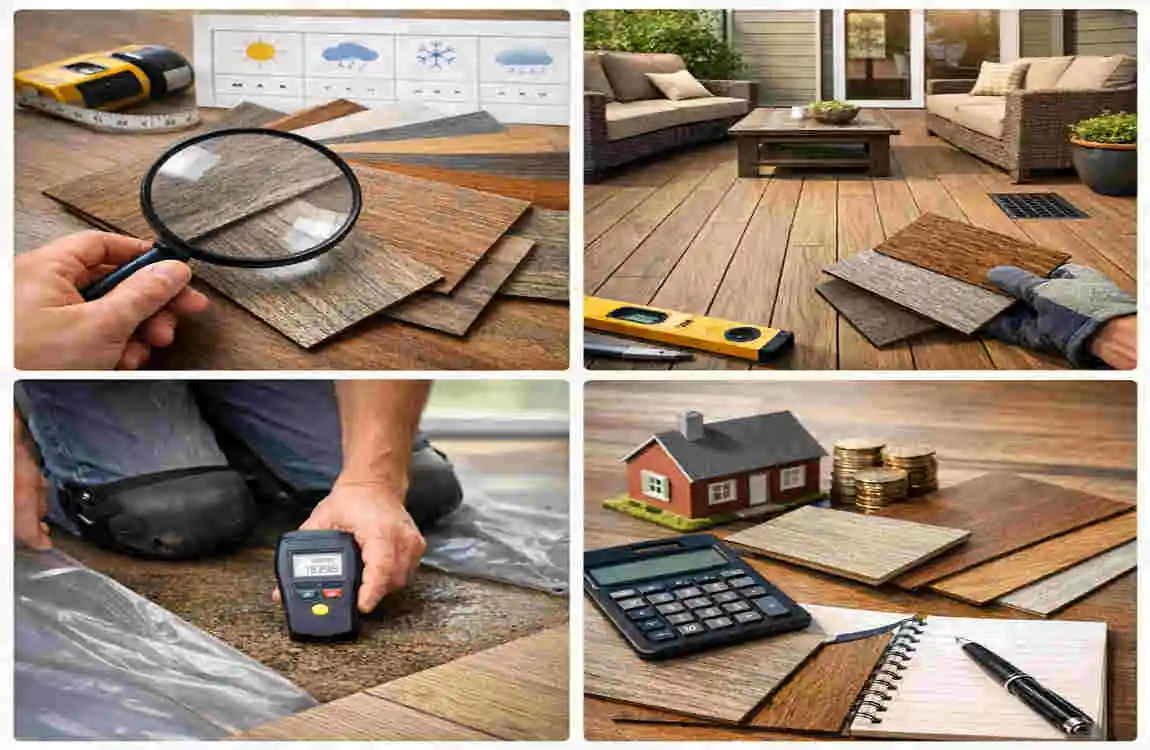
Before you make a final choice, keep these points in mind:
- Check manufacturer recommendations
- Consider your local weather
- Avoid regular indoor vinyl for open outdoor spaces
- Choose commercial-grade products when possible
- Think about long-term replacement costs
The right flooring is not just about looks. It is also about how well the material can handle your actual environment.
Frequently Asked Questions
Can vinyl plank flooring be used outside?
Standard vinyl plank flooring is not recommended for outdoor use because it is not designed to withstand UV rays, temperature fluctuations, and constant exposure to the elements.
Is waterproof vinyl flooring good for outdoor use?
Waterproof vinyl can resist moisture, but that does not always mean it can handle full outdoor weather conditions.
Can vinyl plank flooring be installed on a patio?
It may work on a covered patio with limited exposure, but outdoor-rated flooring is usually a better choice.
How long does vinyl flooring last outside?
That depends on the product, climate, and level of protection. Outdoor-rated vinyl lasts longer than regular indoor vinyl.
What flooring is better than vinyl for outdoors?
Options such as composite decking, outdoor tile, concrete, and natural stone are often better suited to exposed areas.
Does sunlight damage vinyl plank flooring?
Yes. Long exposure to sunlight can cause fading, discoloration, and material damage.
| Topic | Information |
|---|---|
| Can Vinyl Plank Flooring Be Used Outside? | Standard vinyl plank flooring is not recommended for outdoor use because it is designed for controlled indoor environments. |
| Why Not Use Regular Vinyl Planks Outdoors? | Exposure to sunlight, rain, temperature changes, and moisture can cause fading, warping, peeling, and damage. |
| Best Outdoor Alternatives | Consider outdoor-rated composite decking, porcelain tiles, concrete, natural stone, or specially designed outdoor vinyl products. |
| Water Resistance | Vinyl planks are water-resistant but not fully designed to handle constant outdoor moisture, standing water, or extreme weather. |
| UV Protection | Most indoor vinyl flooring lacks UV resistance, meaning direct sunlight can discolor and weaken the material over time. |
| Temperature Effects | Heat can cause vinyl planks to expand, while freezing temperatures may make them brittle and crack. |
| Possible Outdoor Uses | Some waterproof vinyl products may work in covered patios, screened porches, or protected areas with limited exposure. |
| Installation Concerns | Outdoor installation requires proper drainage, a stable surface, and materials specifically rated for exterior conditions. |
