
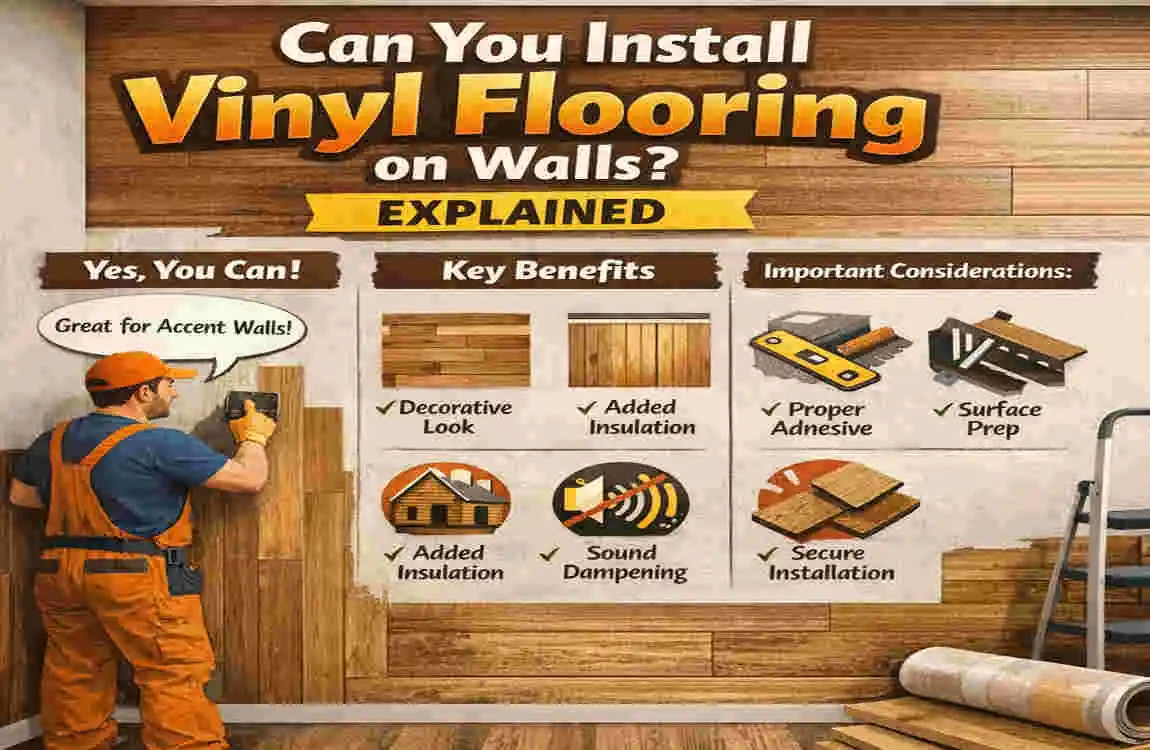
Vinyl flooring is no longer just for floors. Many homeowners now use it on walls to create a modern, clean, and stylish look. It can work well in accent areas, bathrooms, kitchens, and even living rooms.
So, can you put vinyl flooring on the walls? Yes, you can in some cases. But the product type, wall surface, adhesive, and moisture level all matter a lot. Not every vinyl floor product is made for vertical use.
Can You Put Vinyl Flooring on the Walls?
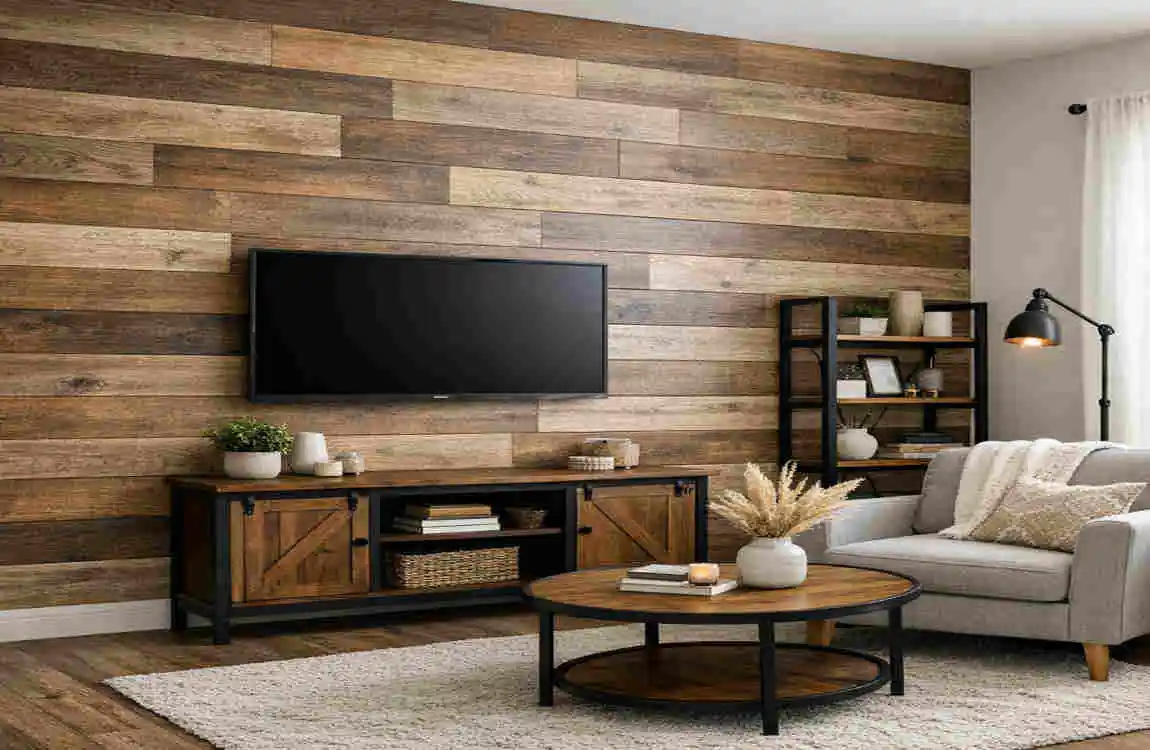
Yes, certain types of vinyl flooring can be installed on walls. This includes some luxury vinyl planks, luxury vinyl tiles, vinyl sheets, and peel-and-stick products.
The big thing to remember is that walls are not floors. A floor must handle walking, weight, and impact. A wall does not. That means some vinyl products can work better on walls than others, as long as they are light enough and the adhesive is right.
You should always check the product label before starting. Some flooring is made only for horizontal use. If the manufacturer does not allow wall installation, do not assume it will work anyway.
Is Vinyl Flooring Safe for Wall Installation?
Vinyl can be safe on walls when the product is suitable, and the wall is prepared properly. The surface must be clean, smooth, dry, and strong enough to hold the material.
You also need the right adhesive. If the glue is not suitable for wall use or does not match the vinyl product, the panels may loosen or fall off.
Moisture is another important point. In bathrooms or basements, humidity can affect how well the material holds its position. So yes, it can be safe, but only if you plan carefully.
Can You Use Luxury Vinyl Planks on Walls?
Yes, LVP on walls is a popular design choice. It gives a wood-look finish without the cost or care needs of real wood.
Luxury vinyl planks are often used for feature walls, bedroom walls, entertainment areas, and bathroom accents. They can create a warm look while still being easier to clean than many other wall finishes.
Still, not all LVP products are approved for wall use. Check the instructions before buying.
What Types of Vinyl Flooring Can Be Used on Walls?
Luxury Vinyl Planks (LVP)
LVP is one of the most common choices for wall projects. It often looks like wood, but it is lighter and easier to maintain than real timber.
It works well when you want a natural look without heavy upkeep. That is why many people use vinyl plank flooring on walls in accent spaces.
Luxury Vinyl Tiles (LVT)
LVT looks more like stone or ceramic tile. It can be a smart option for walls where you want a neat, patterned, or clean design.
It may work well for accent walls or certain wet-area applications, but only if the product is rated for those uses.
Vinyl Sheets
Sheet vinyl is different from planks and tiles. It comes in larger rolls or sheets, which can help reduce the number of seams.
It can be useful in some wall applications, but it may be harder to handle because it is large and flexible. That means installation takes more care.
Peel-and-Stick Vinyl
Peel-and-stick products are often easier for DIY projects. They are simple to cut, place, and press onto the wall.
But the wall must be very smooth and clean. If the surface is rough, dusty, or damp, the adhesive may not hold well.
Where Can You Install Vinyl Flooring on Walls?
Bathroom Walls
Bathrooms are one of the most popular places for vinyl wall covering. Vinyl can handle moisture better than many materials, which makes it attractive for this space.
Still, you should be careful. Waterproofing behind the vinyl may be needed, especially in areas with direct water exposure. A shower wall is not the same as a decorative wall outside the shower zone.
Kitchen Walls and Backsplashes
Vinyl can also work in kitchens, especially as a backsplash or decorative wall. It offers an easy-to-clean surface and can help protect the wall from splashes.
However, you must think about heat. Vinyl should not be placed too close to open flames or very hot cooking areas unless the product is approved for that use.
Bedroom Accent Walls
This is where vinyl often shines. A wood-look vinyl wall can add a cozy, stylish touch to a bedroom without major construction.
Accent walls are a good place to use vinyl because they are mostly decorative and do not deal with heavy moisture.
Living Room Walls
Vinyl can look very modern in a living room, especially behind a TV or around an entertainment area. It can create texture and visual interest.
If you plan to use it near a fireplace, make sure the heat will not damage the product.
Basement Walls
Basements can be tricky. They often have humidity or moisture issues, so the wall must be dry before installation.
If dampness is present, vinyl may fail over time. Fix any water problem first.
Benefits of Putting Vinyl Flooring on Walls
Vinyl wall installation has become popular for good reasons.
- It creates a unique decorative look
- It comes in many colors and patterns
- It is usually easy to clean
- It can be more affordable than some wall finishes
- It can mimic wood or stone
- It works well for accent walls
- Some products resist moisture
- It may hide minor visual flaws when installed properly
If you want a design that stands out but still feels practical, vinyl can be a smart choice.
Drawbacks of Installing Vinyl Flooring on Walls
Vinyl on walls also has limits.
- Not every vinyl product is approved for walls
- Adhesion can be difficult
- Heavy planks may need extra support
- Poor wall prep can cause failure
- Some products do not perform well in wet areas
- Removing adhesive later may damage drywall
- Heat can affect some vinyl materials
- Installation needs careful measuring and alignment
Does Vinyl Flooring Fall Off Walls?
It can, if the wrong steps are taken.
Common causes include:
- Weak or wrong adhesive
- Dirty or uneven walls
- Damp surfaces
- Incorrect product choice
- Poor installation
This is why prep matters so much. A wall that looks fine may still be unsuitable if it is dusty, glossy, or weak.
How to Install Vinyl Flooring on Walls
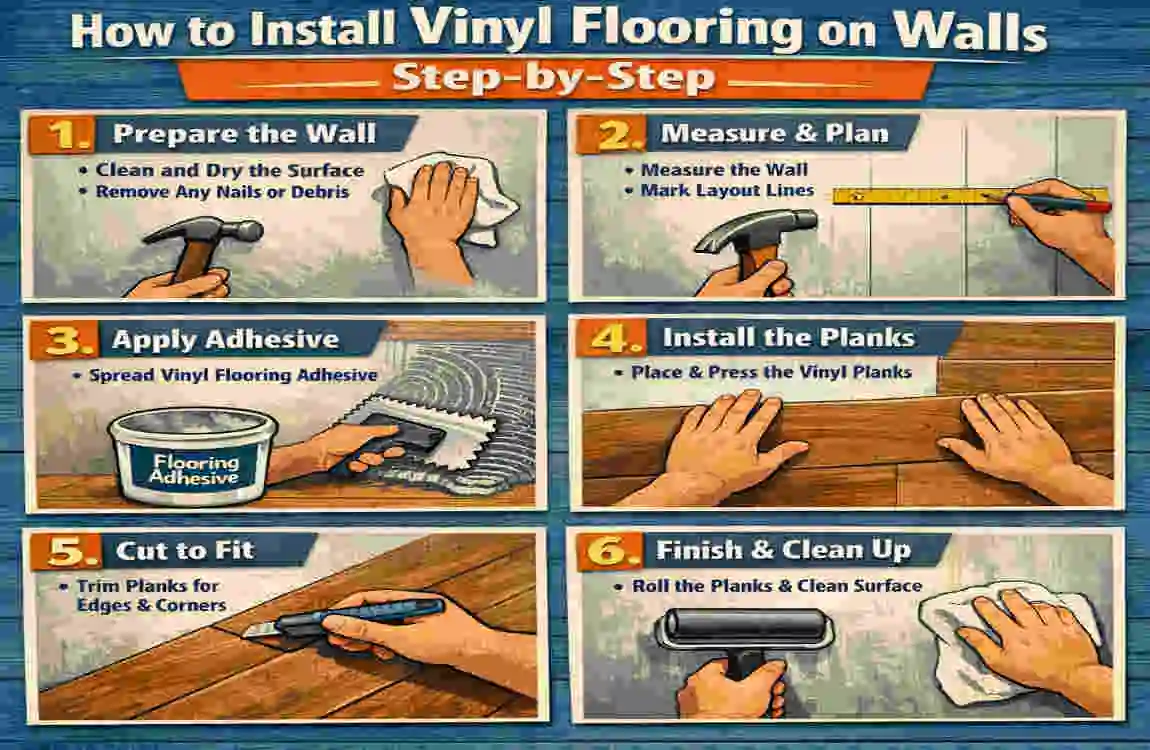
Choose the Right Vinyl Product
Start by checking the manufacturer’s instructions. This is the most important step.
Look for a product that is approved for vertical use. Also check the weight, thickness, and moisture resistance.
Prepare the Wall
The wall must be clean and dry. Remove:
- Dust
- Grease
- Loose paint
- Old adhesive
- Dirt
Fill holes and cracks. Remove outlet covers if needed. A smooth wall gives the vinyl a better chance to bond.
Measure the Wall
Measure the height and width carefully. Then figure out how much material you need, including waste for cuts.
This helps you avoid running short in the middle of the project.
Plan the Layout
Before adding glue, dry-fit the pieces first. This lets you see where seams will land and how the pattern will look.
Try to plan around:
- Doors
- Windows
- Outlets
- Corners
Apply the Correct Adhesive
Use the adhesive the manufacturer recommends. Do not guess and use household glue.
The wrong adhesive can cause peeling, shifting, or total failure.
Install the Vinyl
Start from a straight reference line. Press each piece firmly against the wall and keep the seams neat.
Work slowly. It is easier to align the first few pieces than to fix a crooked wall later.
Finish the Edges
Use trim or molding to create a clean look. Reinstall outlet and switch covers after the adhesive is ready.
If the product is being used in a wet area, follow the approved sealing instructions.
Allow the Adhesive to Cure
Do not disturb the wall while the adhesive sets. Let it cure for the full recommended time.
That waiting period helps the material stay secure.
What Adhesive Should You Use for Vinyl Flooring on Walls?
The choice of adhesive is a major part of the project. The best adhesive depends on both the vinyl product and the wall surface.
Common options may include:
- Construction adhesive
- Vinyl flooring adhesive
- Pressure-sensitive adhesive, if approved
Can You Use Construction Adhesive for Vinyl Planks on Walls?
Sometimes, but not always. Compatibility depends on the vinyl type and wall material.
Check both the vinyl instructions and the adhesive instructions. If either one says no, do not use it.
The wrong adhesive can lead to loose panels or a messy finish.
Preparing Different Wall Surfaces for Vinyl Flooring
Drywall
Drywall is common, but it must be in good shape. It should be clean, dry, and smooth.
If the paint is peeling or the wall is damaged, repair it first.
Painted Walls
Painted walls can work, but the finish must be sound. Glossy paint may need sanding or extra preparation so the adhesive can bond properly.
Concrete Walls
Concrete walls may need more prep because they can be dusty, uneven, or damp. Make sure the surface is dry and stable.
Tile Walls
Tile can sometimes be covered, but the surface needs proper cleaning and inspection. Loose tiles or bad grout should be fixed first.
Vinyl Flooring on Walls vs. Traditional Wall Materials
Feature Vinyl Flooring on WallsPaintCeramic TileWood Paneling
Design options High Very high High High
Easy cleaning Yes Moderate Yes Moderate
Moisture resistance Depends on product Low–Moderate High Depends on finish
Installation difficulty Moderate Easy High Moderate
Maintenance Low Moderate Low Moderate
Accent-wall potential Excellent Excellent Excellent Excellent
Vinyl gives you a mix of style and practicality. It is not always the easiest option, but it can deliver a strong visual result.
How Much Does It Cost to Put Vinyl Flooring on Walls?
The cost depends on several things:
- Material price
- Adhesive
- Wall prep
- Trim and finishing pieces
- Tools
- Labor
- Wall size and complexity
DIY vs. Professional Installation
If you already have some DIY experience, this may be a manageable project. A simple accent wall with peel-and-stick vinyl can be a good starting point.
But if the wall is large, damp, uneven, or highly visible, hiring a professional may make more sense. A skilled installer can help prevent alignment issues and adhesive failures.
The total cost varies widely, so it is better to compare project needs than to expect a single fixed price.
Tips for a Successful Vinyl Wall Installation
Here are a few simple tips that can help:
- Always check the manufacturer’s installation instructions.
- Prepare the wall thoroughly before starting.
- Use the recommended adhesive.
- Measure carefully and plan the layout.
- Do not install over damp or damaged walls.
- Allow enough curing time.
- Use trim for a clean finish.
- Choose moisture-rated products for wet areas.
These basic steps can make a big difference in how long the wall lasts and how good it looks.
Common Mistakes to Avoid
Using Any Vinyl Flooring Without Checking Its Specifications
Not every vinyl product is made for walls. Some are designed only for floors. If you skip this check, the wall may fail later.
Installing Over Damp Surfaces
Moisture weakens adhesion. It can also cause mold or other hidden problems behind the wall.
Skipping Wall Preparation
Dust, grease, loose paint, or rough patches can prevent proper bonding.
Using Too Much or Too Little Adhesive
Always follow the instructions. Too much glue can create a mess, and too little can cause failure.
Ignoring Expansion and Product Requirements
Vinyl can expand or contract depending on the environment. Give the material the space and conditions it needs.
How to Maintain Vinyl Flooring on Walls
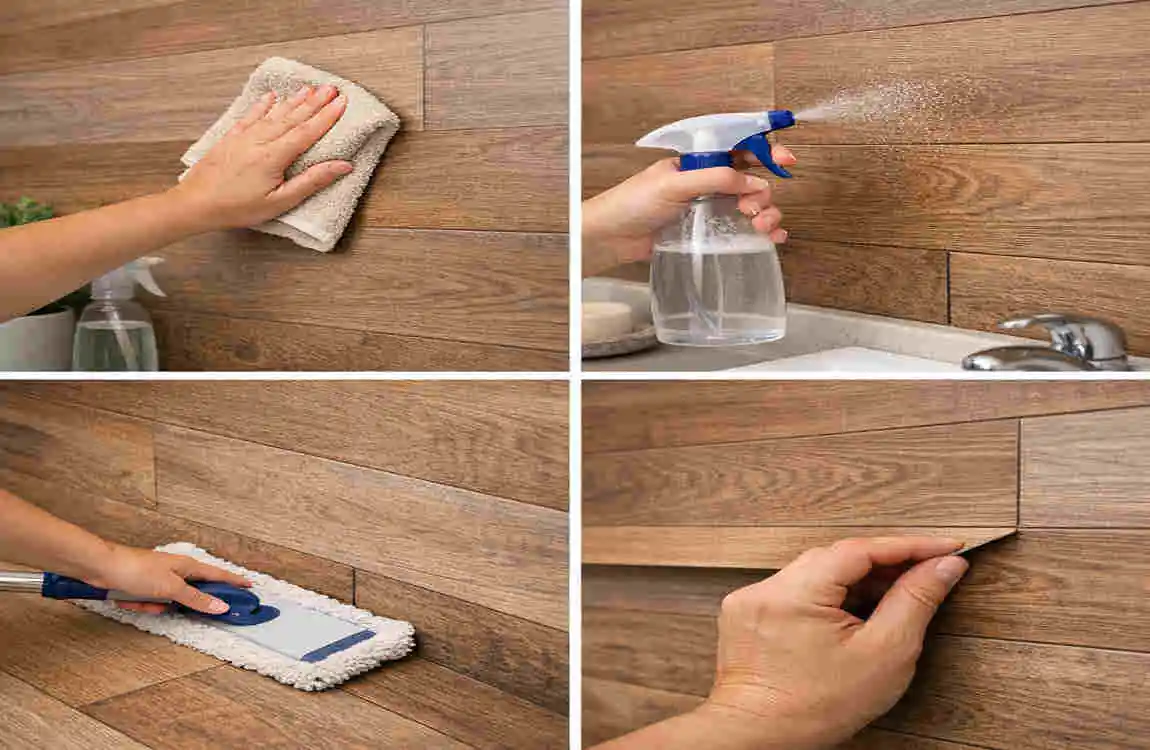
Vinyl wall coverings are usually easy to care for.
- Dust them regularly
- Wipe spills quickly
- Use approved cleaners
- Avoid rough tools or harsh chemicals
- Check edges and seams from time to time
- Repair loose spots early
A little care helps the finish stay attractive longer.
Frequently Asked Questions
Can you put vinyl flooring on the walls?
Yes, some vinyl flooring products can be installed on walls if the manufacturer allows it and the surface is prepared correctly.
Can you use peel-and-stick vinyl flooring on walls?
Yes, in some cases. The wall must be smooth, clean, dry, and suitable for the adhesive.
Can LVP be installed on walls?
Yes, some LVP on walls projects work very well, especially for accent walls. Always check the product specs first.
Will vinyl flooring stick to drywall?
It can, if the drywall is clean, dry, and properly prepared, and if the adhesive is compatible.
Can vinyl flooring be used on bathroom walls?
Some products can be used in bathroom areas, but moisture and waterproofing must be considered carefully.
What is the best adhesive for vinyl flooring on walls?
The best adhesive depends on the specific vinyl product and the wall surface. Use the adhesive approved by the manufacturer.
| Aspect | Quick Information |
|---|---|
| Can you do it? | Yes, vinyl flooring can be installed on walls if the product and adhesive are suitable. |
| Best vinyl type | Lightweight LVP or vinyl plank is generally easier to use than heavy flooring materials. |
| Wall condition | The wall should be clean, dry, smooth, and structurally sound before installation. |
| Adhesive | Use a manufacturer-approved wall adhesive designed for the specific vinyl product. |
| Main benefits | Creates a stylish accent wall, is easy to clean, and can provide a wood- or stone-like appearance. |
| Best locations | Accent walls, bathrooms, laundry areas, and other suitable interior spaces. |
| Important limitation | Not every vinyl flooring product is approved for wall installation, so always check the manufacturer’s instructions. |
