
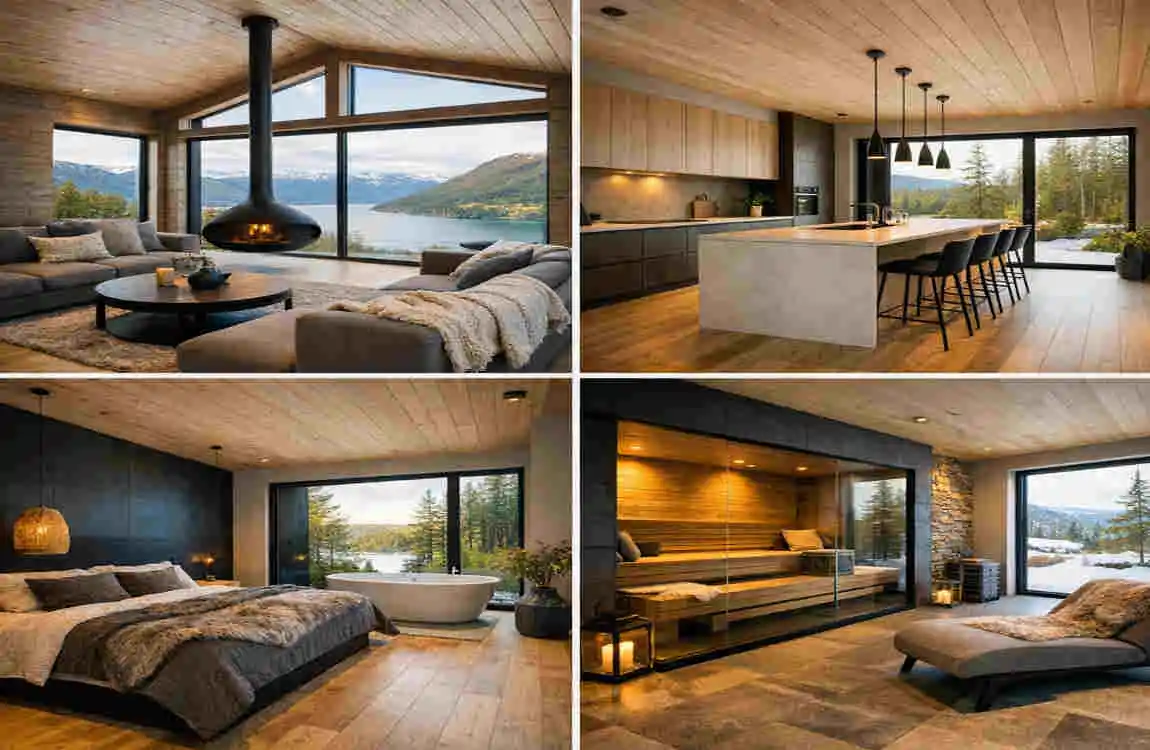
Norway modern homes are loved around the world because they feel simple, warm, and deeply connected to nature. They combine clean design with practical living, which makes them both beautiful and easy to enjoy every day.
What makes these homes special is the way they balance modern architecture, natural materials, and energy efficiency. In Norway, homes are often designed to handle cold weather while still feeling bright and welcoming inside. That is why they usually include large windows, open layouts, and soft, neutral colours.
What Are Norway Modern Homes?
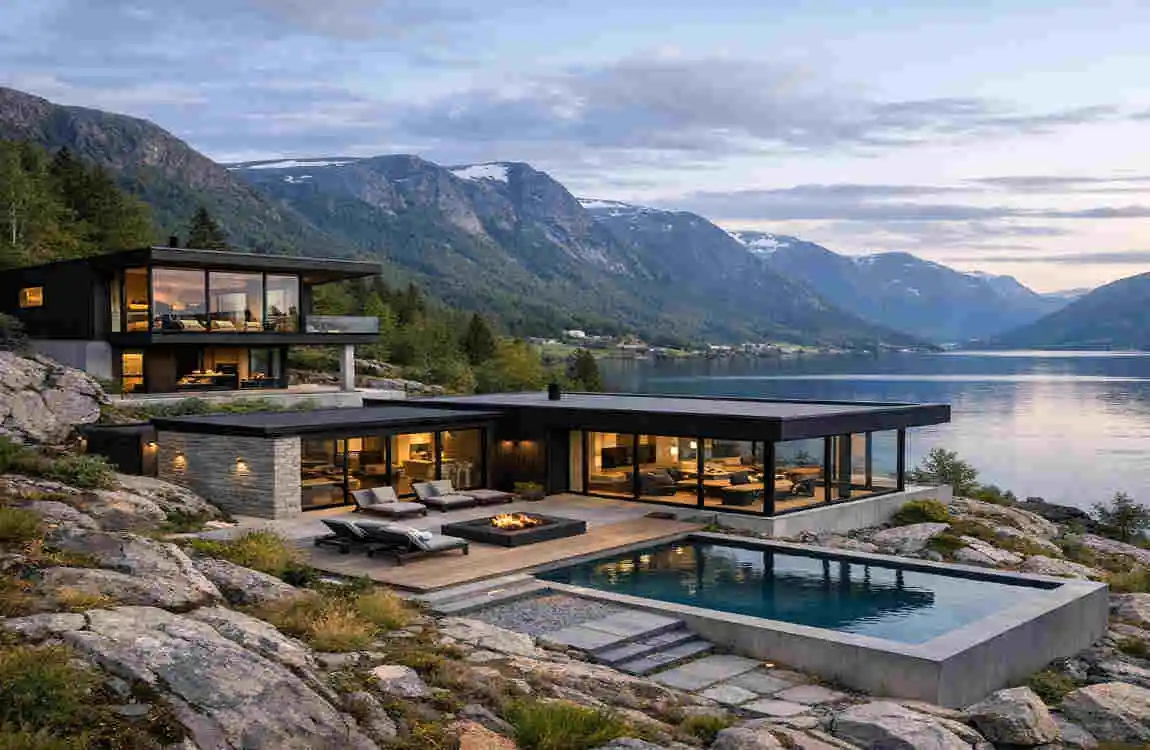
Definition of Modern Norwegian Homes
Norway’s modern homes feature contemporary design, simple layouts, and natural materials. They usually avoid heavy decoration and instead focus on clean lines and a calm feel.
These homes are built to be practical as well as stylish. Every part of the design has a purpose, from the placement of the windows to the choice of materials.
Why They’re Popular Worldwide
People love this style because it supports a minimalist lifestyle. It feels peaceful and uncluttered, which many homeowners want today.
These homes are also popular because they are often eco-friendly. They use energy-saving features and materials that work well with nature. Just as important, they create a strong connection between the home and the surrounding landscape.
Key Features of Norway Modern Homes
Large Floor-to-Ceiling Windows
Large windows are among the most noticeable features. They bring in natural daylight and make the home feel open and fresh.
They also let people enjoy views of forests, mountains, or the sea. In colder seasons, they can help capture the sun’s natural warmth.
Open Floor Plans
Many modern homes in Norway use open layouts. The kitchen, dining area, and living room often flow into one another.
This design makes the home feel larger and supports family life. It also gives you more flexibility when arranging furniture or hosting guests.
Natural Building Materials
Timber, stone, glass, and steel are common in this style. These materials look modern, but they also feel warm and grounded.
Wood is especially important because it adds softness and helps the home blend into the natural surroundings.
Neutral Colour Palette
The colour scheme is usually simple and calm. You will often see white, grey, beige, and natural wood finishes.
These shades keep the home bright and timeless. They also make rooms feel larger and more peaceful.
Smart Home Technology
Many modern Norwegian homes also include smart systems. These may control heating, lighting, or home security.
This makes daily life easier and helps improve energy use. It also fits the practical nature of Scandinavian living.
Popular Architectural Styles in Norway
Scandinavian Minimalist Homes
These homes focus on very clean lines and simple shapes. They feel bright, functional, and calm.
Contemporary Mountain Cabins
Modern cabins in Norway often use wood, glass, and strong roof lines. They are designed to handle snow while still looking elegant.
Modern Coastal Houses
Coastal homes often feature light colours, open views, and natural textures. They feel airy and relaxed.
Eco-Friendly Passive Homes
Passive homes are built to use very little energy. They rely on smart insulation, good windows, and efficient layouts.
Black Timber Homes
Black timber homes are bold but still natural. The dark finish creates contrast with the landscape and gives the home a strong, modern look.
Interior Design Trends in Norway Modern Homes
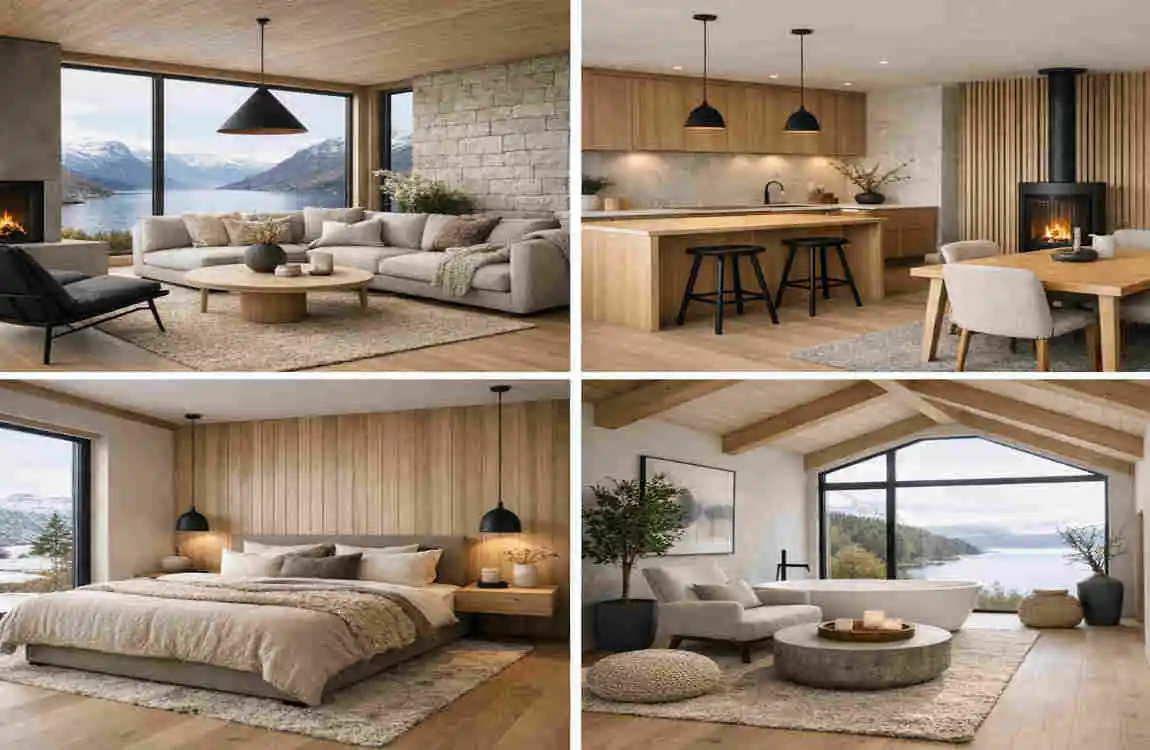
Minimal Furniture
Furniture is usually simple, useful, and not too bulky. This keeps the space open and easy to move around in.
Cozy Hygge Atmosphere
Even though the look is minimal, it is also warm. Soft blankets, gentle lighting, and comfortable seating help create a cozy feel.
Natural Textures
Wool, linen, wood, and stone are often used inside. These textures make the home feel more inviting.
Functional Storage Solutions
Storage is kept smart and hidden when possible. Built-in cabinets and clean shelving help reduce clutter.
Modern Scandinavian Kitchens
Kitchens in this style are practical and beautiful. They often use light wood, white surfaces, and simple finishes.
Sustainable Features of Norway Modern Homes
Sustainability is one of the biggest reasons these homes stand out. Many are designed to reduce energy use and last a long time.
Common eco-friendly features include:
- Energy-efficient insulation
- Triple-glazed windows
- Solar energy systems
- Heat pumps
- Green roofs
- Sustainable wood construction
These features help homes stay warm in winter and more efficient throughout the year.
Exterior Design Elements
Wooden Facades
Wooden exteriors are very common in Norway. They look natural and age beautifully over time.
Flat and Sloped Roof Designs
Both roof styles are popular, depending on the climate and the house’s look. Sloped roofs handle snow, while flat roofs create a more modern look.
Outdoor Decks and Terraces
Decks and terraces are often used to enjoy the outdoors. They help connect the home to nature.
Large Glass Walls
Glass walls bring in light and make the home feel more open. They also improve the view from inside.
Landscaping That Blends with Nature
Instead of heavy garden designs, many homes keep landscaping simple. Native plants, rocks, and natural paths work best.
Advantages of Norway Modern Homes
Norway modern homes offer many strong benefits:
- Lower energy bills
- Environmentally friendly living
- Comfort in all seasons
- Bright interiors
- Timeless architecture
- High property value
These advantages make the style both practical and attractive.
Challenges of Norway Modern Homes
As with any home style, there are some challenges, too.
- Higher construction costs
- Strict building rules
- Cold-weather maintenance
- Premium material choices
- Need for careful planning
Even so, many people feel the long-term benefits are worth it.
Norway Modern Homes vs Traditional Norwegian Homes
Feature Norway Modern Homes Traditional Homes
Design Minimalist Rustic
Materials Glass, steel, timber Mostly wood
Layout Open concept Separate rooms
Windows Large panoramic Smaller windows
Technology Smart home systems Basic utilities
Energy Efficiency Very high Moderate
Tips for Designing a Norway-Inspired Modern Home
Choose Natural Materials
Use wood, stone, and glass where possible. These materials help create a calm and timeless look.
Maximise Natural Light
Large windows and light colours will make your home feel brighter and more open.
Keep Interiors Minimal
Avoid too much decoration. Let the space feel clean and restful.
Invest in Energy Efficiency
Good insulation, efficient heating, and quality windows are important in this style.
Blend Indoor and Outdoor Spaces
Try to connect the inside with the outside through decks, views, and open layouts.
Common Mistakes to Avoid
Try not to make these mistakes:
- Overdecorating interiors
- Ignoring insulation quality
- Choosing dark interiors
- Using low-quality materials
- Forgetting functional storage
Keeping the design simple and practical will help the home feel more authentic.
Future Trends in Norway Modern Homes
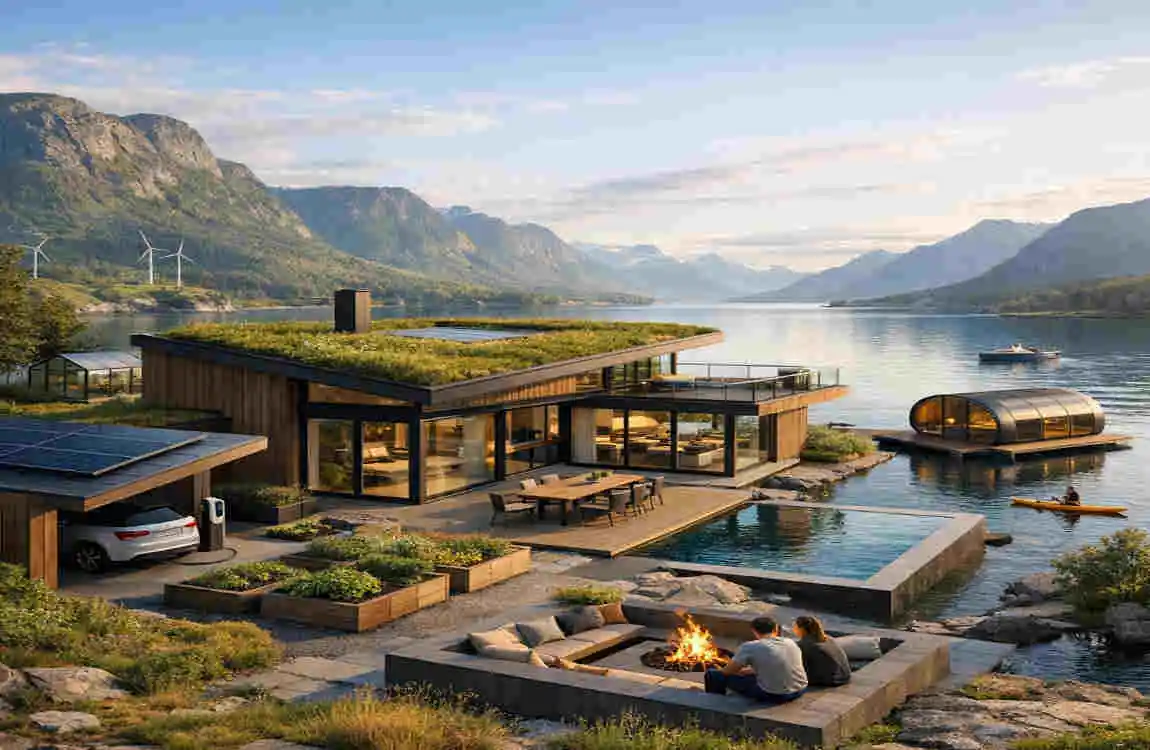
Carbon-Neutral Construction
More homes are being designed to reduce or remove carbon impact.
Modular Homes
Modular building methods are becoming more common because they are faster and more efficient.
Smart Energy Management
New systems help homeowners track and save energy more easily.
Eco-Friendly Building Materials
Builders are using safer, greener products that last longer.
Net-Zero Homes
These homes aim to produce as much energy as they use, which is a major future goal.
Frequently Asked Questions
What makes Norway modern homes unique?
They combine Scandinavian minimalism, sustainable materials, large windows, and energy-efficient construction.
Are Norway modern homes energy efficient?
Yes. Most include advanced insulation, triple-glazed windows, heat pumps, and eco-friendly building systems.
What materials are commonly used in modern homes in Norway?
Timber, stone, glass, steel, and sustainable wood products are common.
Why do modern homes in Norway have large windows?
They bring in natural light, improve energy efficiency, and highlight the beautiful landscape.
Can I build a Norway-inspired modern home outside Norway?
Yes. By using Scandinavian design ideas, natural materials, open layouts, and sustainable features, you can create this look anywhere.
| Feature | Details |
|---|---|
| Design Style | Minimalist, Scandinavian, contemporary, and nature-inspired architecture. |
| Exterior Materials | Natural wood cladding, stone, glass, and dark metal finishes for durability. |
| Roof Style | Simple gable, flat, or sloped roofs designed to handle snow and harsh weather. |
| Interior Layout | Open floor plans with spacious living areas and seamless room flow. |
| Natural Lighting | Large floor-to-ceiling windows maximize daylight and outdoor views. |
| Color Palette | Neutral shades like white, gray, beige, and natural wood tones. |
| Energy Efficiency | Triple-glazed windows, superior insulation, and eco-friendly heating systems. |
| Sustainability | Built with renewable materials, energy-saving technology, and green construction practices. |
| Popular Features | Cozy fireplaces, smart home systems, underfloor heating, and spacious outdoor decks. |
| Overall Appeal | Combines modern luxury, functionality, and a strong connection to Norway’s natural landscapes. |
