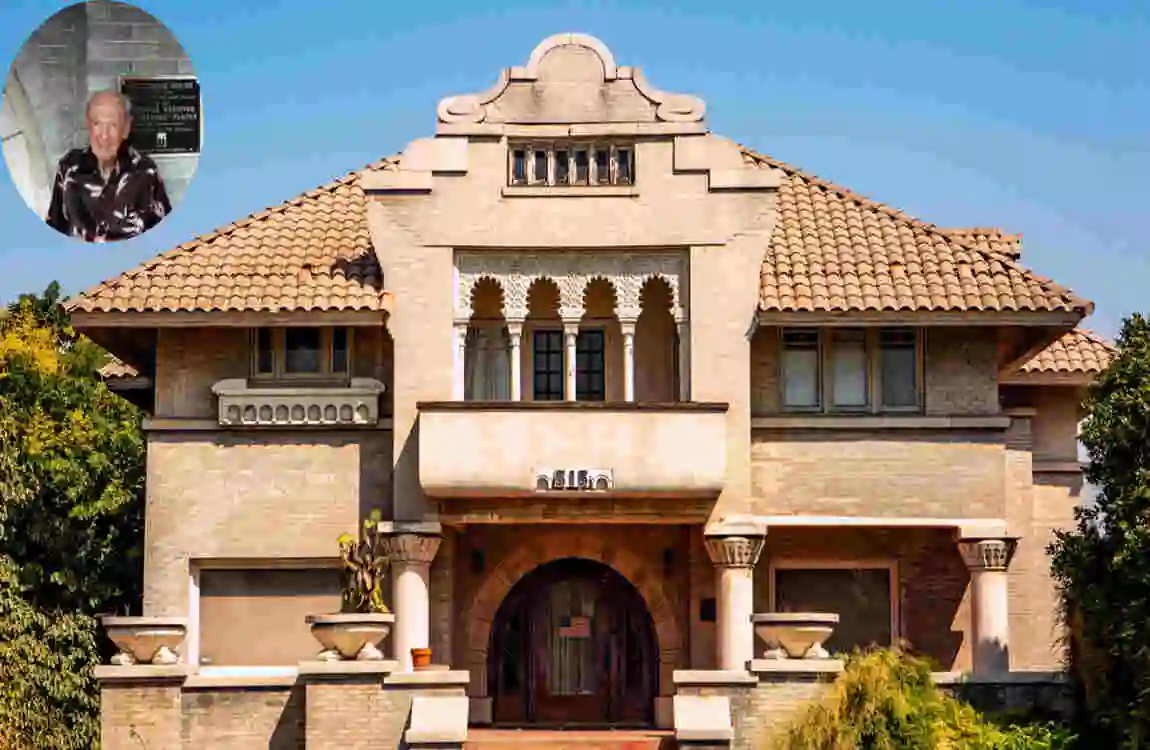
The John Hetebrink House is often discussed in architectural and historical circles for its unique identity. It represents more than just a building; it reflects a period, a lifestyle, and a design philosophy that still interests modern readers.
Many historic homes attract attention because they offer something rare—authentic craftsmanship and timeless design. This house is no exception.
John Hetebrink himself is believed to be associated with the property, adding personal historical value to its story. Even though details may vary in records, the house remains an interesting subject for architectural study.
| Category | Details |
|---|---|
| Full Name | John Hetebrink |
| Profession | Limited verified public information available |
| Nationality | Not publicly confirmed |
| Known For | No widely documented public career profile |
| Date of Birth | Not publicly available |
| Age | Not publicly available |
| Net Worth | Not publicly disclosed / no reliable estimate |
| Current Residence | Not publicly known |
| Family / Personal Life | Not publicly available |
Architectural Style of the John Hetebrink House
The architectural style of the John Hetebrink House gives it a visual identity. While exact classification may vary, it typically reflects traditional design influences.
The structure combines functionality and beauty, a key feature of historic homes.
Exterior Design Elements
The exterior of the house often includes:
- Balanced and symmetrical structure
- Sloped roofing with durable materials
- Carefully designed windows for ventilation and light
These features are not just aesthetic—they are practical design choices from earlier architectural methods.
Interior Architectural Features
Inside the house, design focuses on comfort and usability:
- Spacious room layouts for natural movement
- High ceilings to improve airflow
- Wooden detailing that adds warmth and character
Every part of the interior reflects craftsmanship and thoughtful planning.
Influence of Architectural Movements
The John Hetebrink house may reflect influences from older architectural movements, such as:
- Colonial design principles
- Early regional European-style housing
- Traditional craftsmanship-based construction
These influences help shape its timeless appearance.
Unique Design Features That Make the House Special
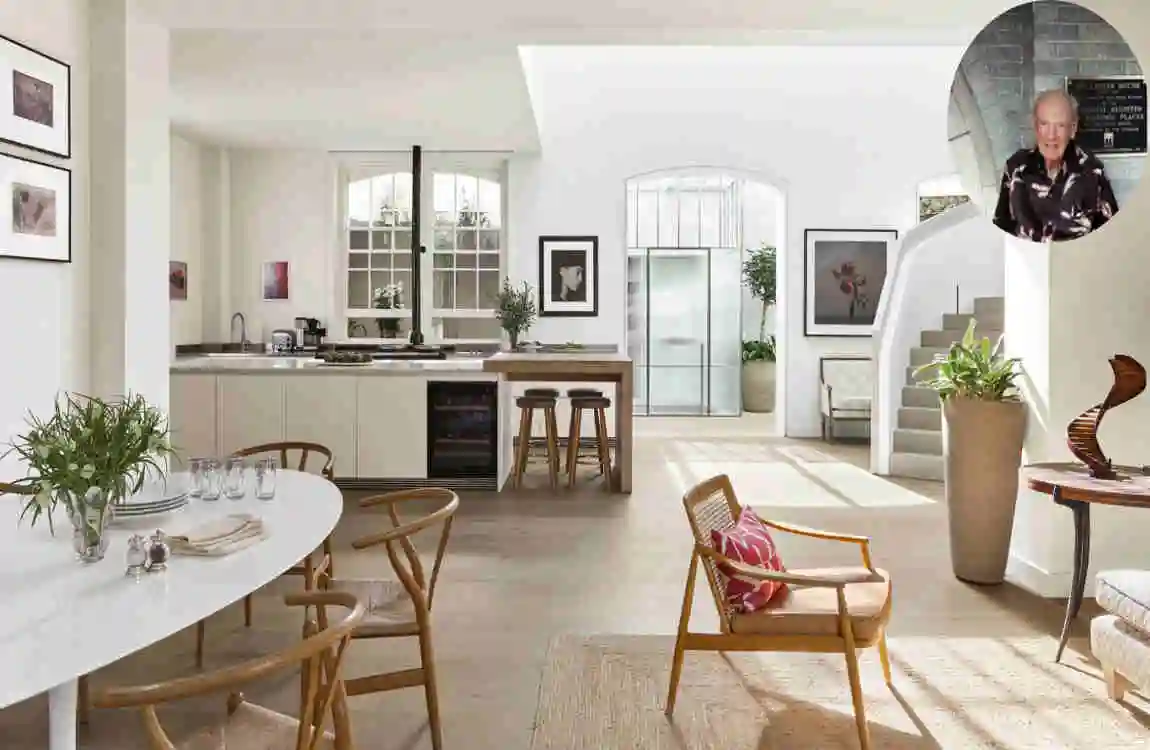
What makes the John Hetebrink House truly special is its attention to detail. It is not just about size or structure—it is about design thinking.
Craftsmanship and Detailing
One of the strongest highlights is craftsmanship. You may notice:
- Hand-carved wooden elements
- Decorative moldings and trims
- Strong masonry work that has lasted over time
These details show the effort and skill of traditional builders.
Use of Space and Functionality
The house is designed with practical living in mind:
- Rooms are arranged for easy movement
- Windows are placed for natural light
- Ventilation is naturally built into the structure
This makes the house both comfortable and efficient.
Integration with Natural Surroundings
Another special feature is how the house blends with its environment:
- Gardens or open spaces around the structure
- Natural flow between indoor and outdoor areas
- Use of landscape to enhance beauty
It feels like the house belongs to its surroundings, not separate from them.
Interior Design and Living Experience
Inside the John Hetebrink House, the design reflects a lifestyle focused on simplicity and comfort.
Room-by-Room Breakdown
Each space has its own purpose:
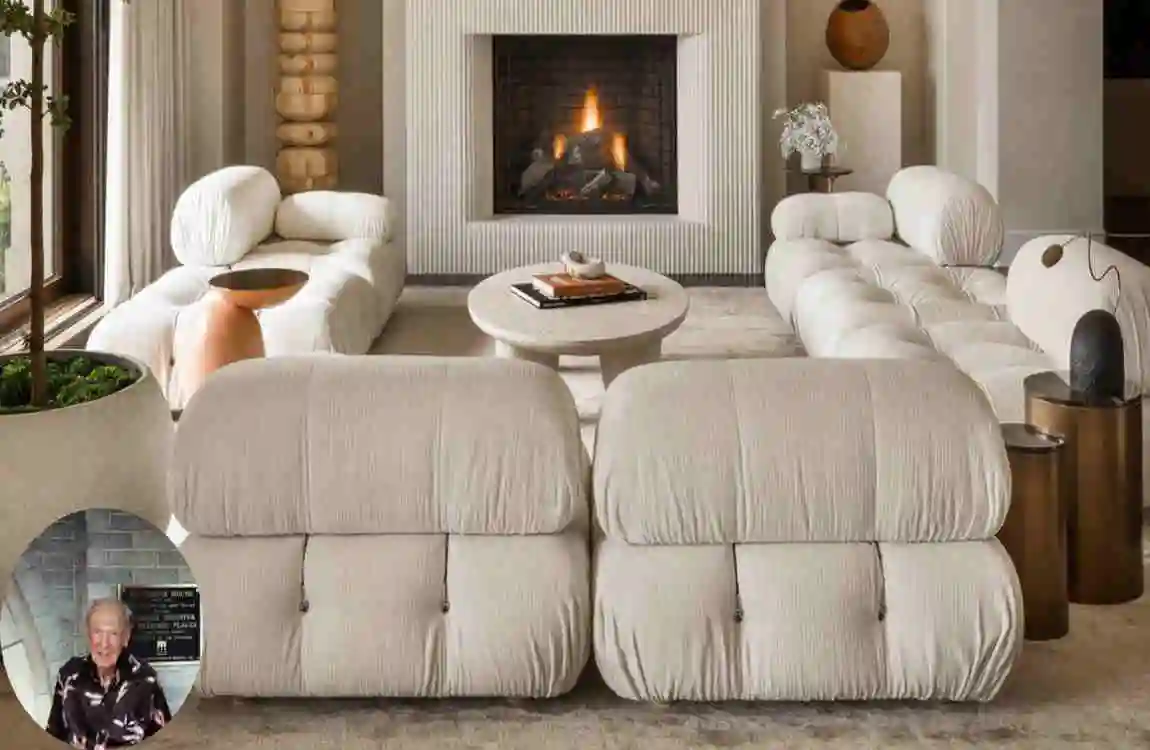
- Living Room: A central gathering space with warm design elements
- Kitchen & Dining: Practical layout focused on family use
- Bedrooms: Simple, quiet, and designed for rest
The structure encourages a natural flow between rooms.
Materials Used in Interior Construction
Common materials include:
- Natural wood for flooring and furniture
- Stone or brick for structural strength
- Plaster walls for smooth finishing
Some parts may remain original, while others may be restored over time.
Landscape and Outdoor Environment
The outdoor space is an important part of the John Hetebrink House experience.
Garden Design Philosophy
The landscaping typically follows two ideas:
- Natural and relaxed garden layouts
- Balanced mix of greenery and open space
This creates a peaceful environment around the house.
Outdoor Functional Spaces
Outdoor areas may include:
- Sitting verandas
- Open courtyards
- Walking paths or garden zones
These spaces were often used for relaxation and social interaction.
Cultural and Historical Importance of the John Hetebrink House
The house is more than a physical structure—it carries cultural meaning.
Contribution to Local Identity
It plays a role in:
- Reflecting local architectural history
- Preserving traditional design methods
- Connecting present communities with the past
Preservation Efforts
Like many historic homes, preservation is important:
- Maintaining original structure
- Restoring damaged areas carefully
- Protecting architectural authenticity
This ensures future generations can appreciate its value.
Comparison With Similar Historic Houses
When compared with similar properties, the John Hetebrink House holds its own identity.
Architectural Comparisons
Similar homes may share:
- Traditional layouts
- Similar building materials
- Period-based design styles
However, each house has unique detailing.
Value Comparison
Value is often influenced by:
- Condition of preservation
- Historical importance
- Architectural uniqueness
The John Hetebrink House stands out for its combination of historical and design features.
Estimated Value and Real Estate Perspective
From a real estate perspective, historic homes like this are valuable for several reasons.
Factors Influencing Property Worth
Key factors include:
- Location and surroundings
- Age and architectural style
- Historical background
Market Demand for Heritage Homes
There is growing interest in such properties because:
- Investors value uniqueness
- Buyers appreciate historical charm
- Preservation trends are increasing
Interesting Facts About the John Hetebrink House
Some interesting aspects include:
- It reflects traditional construction methods rarely used today
- The design prioritizes natural lighting and airflow
- It represents an older architectural lifestyle that focused on simplicity
These small details make the house even more fascinating.
Visitor Experience and Public Interest
The John Hetebrink House often attracts attention from architecture enthusiasts.
People are interested in:
- Its historical background
- Its unique design structure
- It’s preserved architectural elements
Photography and Media Interest
The house is also popular for:
- Architectural photography
- Historical documentation
- Social media interest in heritage buildings
Preservation Challenges and Future Outlook
Like all old structures, the house faces challenges.
Environmental and Structural Challenges
Common issues include:
- Natural aging of materials
- Weather-related wear and tear
- Need for regular maintenance
Future Conservation Possibilities
Future efforts may focus on:
- Careful restoration work
- Protecting original design features
- Maintaining historical authenticity
Frequently Asked Questions (FAQs) About John Hetebrink House
What is the John Hetebrink house known for?
It is known for its historical value and traditional architectural design.
Who was John Hetebrink?
He is associated with the property’s history and background.
Is the house still preserved today?
It is believed to retain historical and architectural significance.
Can the public visit the property?
Access depends on ownership and preservation status.
Why is the house historically important?
Because it reflects the architectural styles and cultural values of its time.
| Category | Details |
|---|---|
| Name | John W. Hetebrink House |
| Address | 515 E. Chapman Ave, Fullerton, California, USA |
| Built | 1914 |
| Architectural Style | Mission Revival (with Craftsman influences) |
| Architects | Elwing & Tetford (also attributed to Bishop & Cole in some records) |
| Structure | 2-story historic mansion with basement |
| Original Owner | John W. Hetebrink (early Fullerton ranch owner & farmer) |
| Original Use | Private residence on large agricultural ranch (tomatoes, walnuts, citrus) |
| Key Features | Red clay tile roof, stucco exterior, arched entryways, decorative parapets, beveled glass, wide porch design |
| Historic Significance | One of Fullerton’s early agricultural estate homes; reflects early 20th-century ranch development in Orange County |
| Current Status | Historic landmark; still standing, not used as a normal family residence |
| Historic Listing | Listed on the U.S. National Register of Historic Places (1993) |
| Estimated Worth | Not officially valued; historical landmark status means value is tied to land + preservation (not standard market price) |
Where Does John Hetebrink Currently Live?
There is no publicly verified information showing where “John Hetebrink” currently lives.
John Hetebrink House Photos