
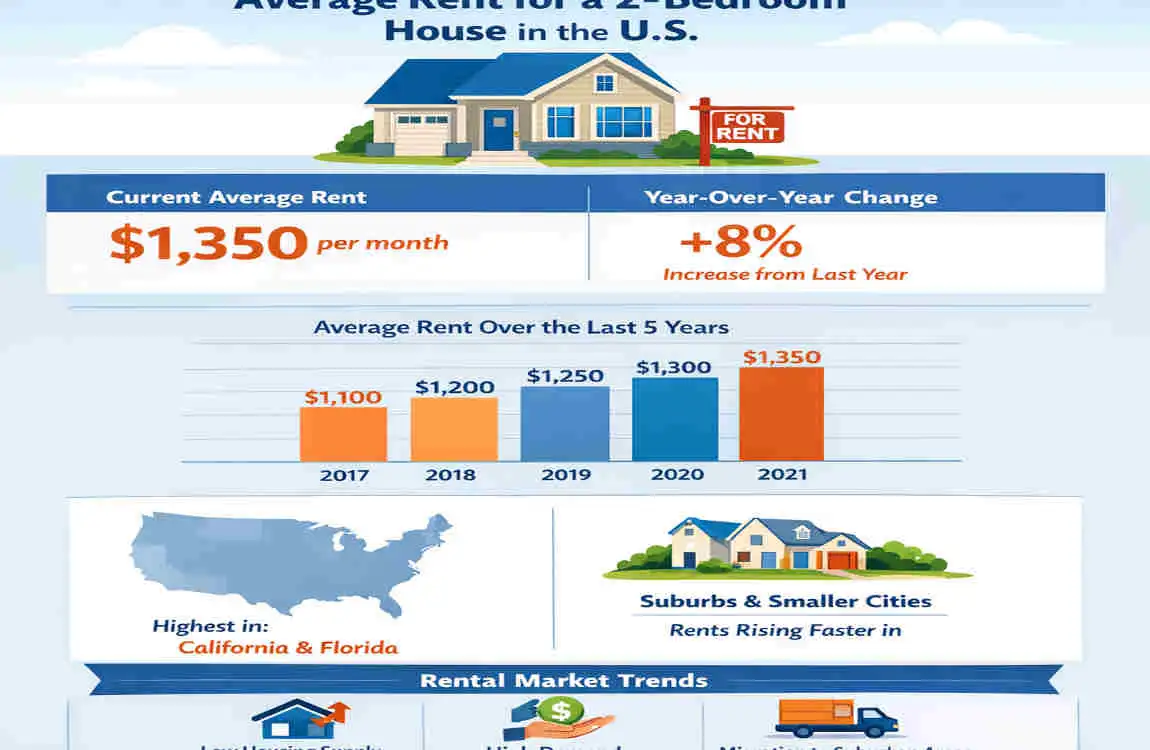
If you are searching for the average 2 bedroom house rent, you are probably trying to figure out what is fair, what fits your budget, and what to expect in today’s rental market. That is a smart place to start.
The truth is, rental prices can vary widely depending on location, property condition, house size, and even the time of year. A two-bedroom house in a major city may cost much more than a similar home in a smaller town. That is why it helps to understand the average, not just the asking price of a single listing.
What Is the Average 2 Bedroom House Rent?
Definition of Average Rent
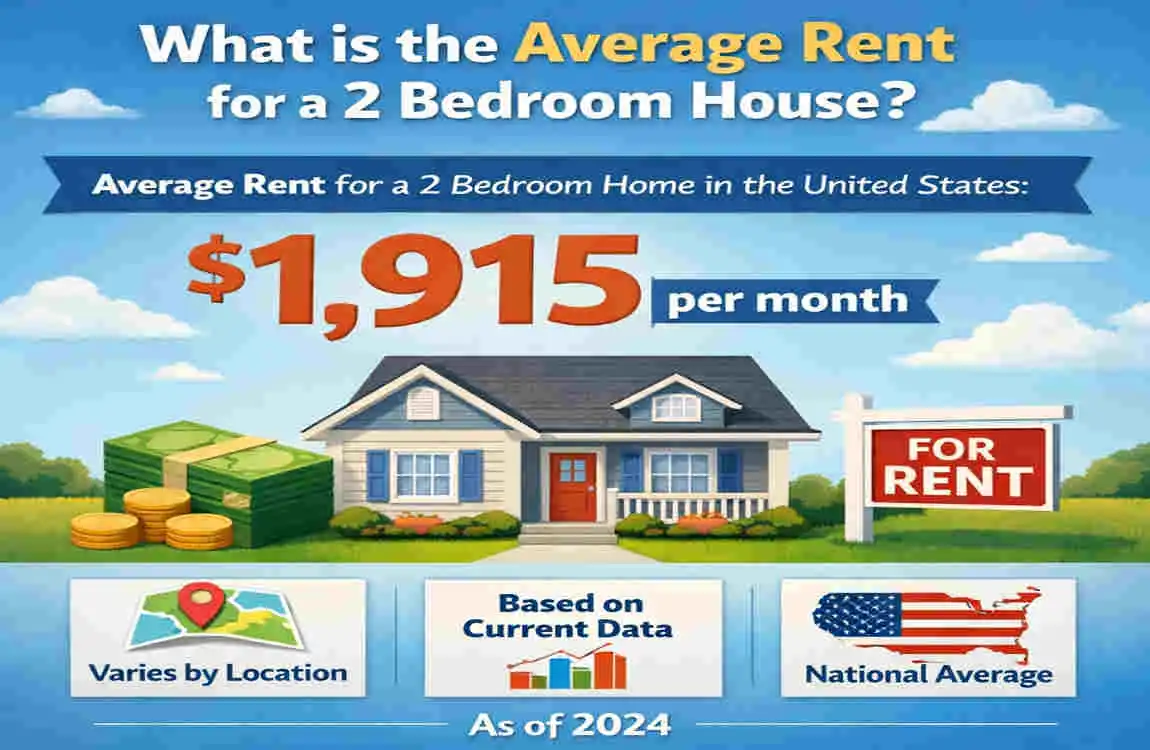
The average 2-bedroom house rent is the typical monthly price people pay for a 2-bedroom home in a given area. It can be measured in two ways: national average and local average.
The national average gives you a broad idea of the market. The local average tells you what is normal in your city, town, or neighborhood. Local pricing matters more because rent can change quickly from one place to another.
Current Average Rental Prices
In 2026, a two-bedroom house may rent for very different amounts depending on its location.
- Urban areas: usually higher because demand is strong
- Suburban areas: often mid-range and more spacious
- Rural locations: usually cheaper, with more room for the money
A renter in a major city may pay close to luxury pricing, while someone in a small town may find much better value.
Apartment vs. House Rent
A two-bedroom house is often more expensive than a two-bedroom apartment because it usually offers more privacy, outdoor space, and extra room. But apartments may come with shared amenities and lower maintenance responsibility.
If you want a yard, more storage, or fewer shared walls, a house may be worth the higher rent. If you want lower monthly costs, an apartment can be the more budget-friendly choice.
Average 2 Bedroom House Rent by Region
High-Cost Cities
In high-cost cities, rent is usually much higher because more people want to live there. Jobs, transport, schools, and city amenities all raise demand.
These areas often have:
- newer homes
- better public transport
- closer access to jobs
- strong rental competition
That means the average rent for a 2-bedroom house can rise quickly, especially in popular neighborhoods.
Mid-Priced Markets
Mid-priced markets often include suburbs and medium-sized cities. These places can offer a better balance between price and comfort.
You may get:
- more space
- quieter streets
- family-friendly areas
- lower rent than major cities
For many renters, this is the sweet spot. You still get decent access to work and services, but without the steep city price tag.
Budget-Friendly Locations
Small towns and rural communities often have the lowest rental prices. The homes may be older, but they often offer more space for less money.
This can be a strong choice if you:
- work remotely
- do not need to live near a city center
- want a lower monthly bill
- prefer a quieter lifestyle
Estimated Average 2 Bedroom House Rent by Area
Location Type Average Monthly Rent Typical Features
Major City $2,000–$3,500 Prime location, modern amenities
Suburb $1,300–$2,200 Larger homes, quieter neighborhoods
Small Town $900–$1,500 Affordable living, more space
Rural Area $700–$1,200 Lowest rental costs
Factors That Affect Average 2 Bedroom House Rent
Property Location
Location is one of the biggest price drivers. Homes near jobs, shopping, transport, and schools usually cost more.
House Size and Layout
A larger house or one with a better layout often rents for more. Even if both homes have two bedrooms, one may feel bigger and more useful.
Property Condition
A freshly painted home with updated kitchens and bathrooms usually commands a higher rent than an older property in poor shape.
Neighborhood Safety
Safer neighborhoods often attract more renters. That higher demand can push prices up.
Nearby Schools
Good schools can raise rental prices, especially for families.
Public Transportation
Homes near buses, trains, or subway lines tend to cost more because they are easier to commute from.
Local Job Market
When jobs are strong in a city, more people move there. That can push rent higher.
Seasonal Demand
Rental demand often rises during moving season, summer months, and around school changes. Prices may be higher during those periods.
Average Rent Trends
Market Growth
Many areas continue to see rent growth in 2026. This happens when demand stays strong, but available homes stay limited.
Inflation Effects
When everyday costs rise, landlords may raise rent too. Higher repair costs, insurance, and property taxes can also affect prices.
Housing Supply
If fewer rental homes are available, prices usually go up. More supply can help keep rent lower.
Demand for Family Homes
Two-bedroom houses remain popular because they fit many renters. Couples, small families, and shared households all want them.
Future Rental Predictions
The trend for 2026 suggests that rent will likely stay firm in busy areas. Smaller towns may remain more affordable, but good-quality homes will still be in demand.
Costs Beyond Monthly Rent
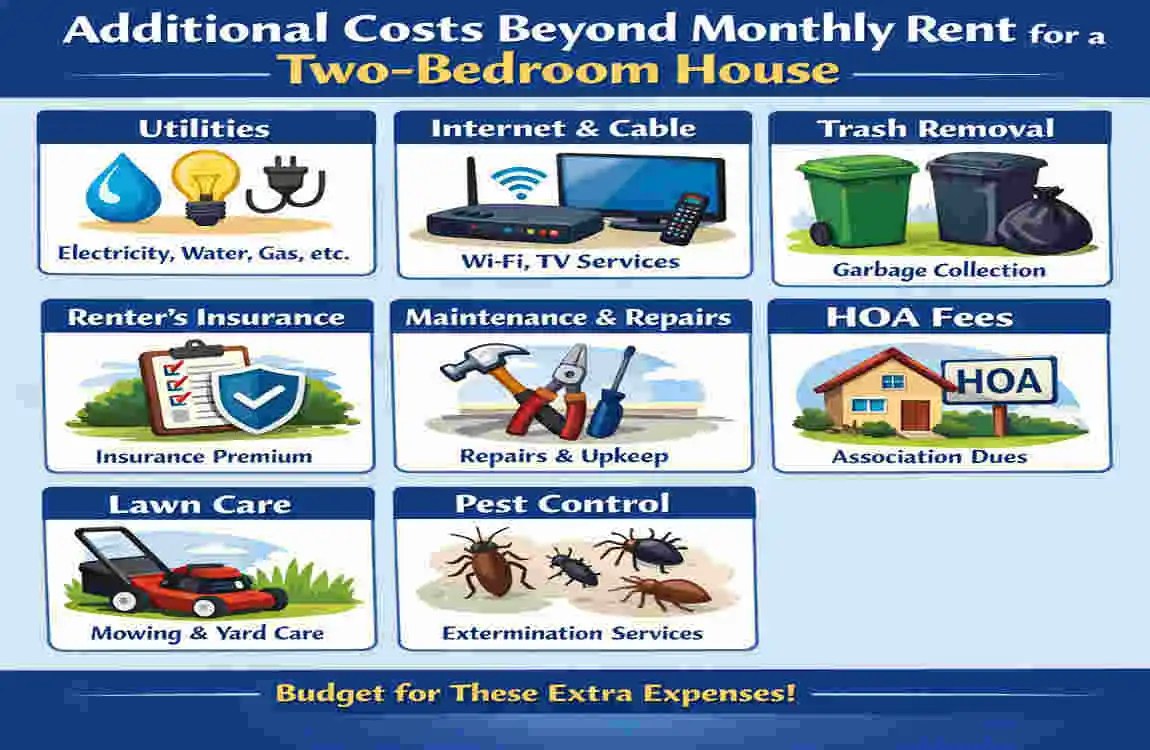
Rent is only part of the full monthly cost. Many renters forget the extra bills until later.
Security Deposit
Most landlords ask for a deposit before move-in. This is usually one of the highest upfront costs.
Utility Bills
Electricity, gas, water, and trash services may not be included in rent.
Internet and Cable
These are common monthly expenses if you work from home or stream often.
Parking Fees
Some homes charge for parking, especially in cities.
Pet Fees
If you have a pet, you may face extra monthly or one-time charges.
Renter’s Insurance
This helps protect your belongings and is often required.
Maintenance Responsibilities
Some homes expect renters to handle basic upkeep, such as yard care and minor cleaning tasks.
How to Find an Affordable 2 Bedroom House
Compare Multiple Listings
Do not take the first home you see. Compare several listings to spot fair pricing.
Search in Nearby Neighborhoods
A nearby area may offer the same home style for much less money.
Negotiate Rent
If the home has been listed for a while, you may be able to ask for a lower price.
Rent During Off-Peak Seasons
You may find better deals when fewer people are moving.
Consider Older Homes
Older homes can be cheaper, especially if the landlord has not upgraded them much.
Watch for Rental Specials
Some landlords offer move-in deals, such as reduced deposits or a discounted first month.
Is Renting Better Than Buying?
Benefits of Renting
Renting can be a good choice if you want:
- lower upfront costs
- flexibility
- less repair responsibility
- the ability to move easily
Drawbacks of Renting
Renting does not build ownership. Your monthly payments help the landlord, not you.
Benefits of Homeownership
Buying gives you long-term control and the chance to build equity. It can also protect you from rent increases.
Which Option Fits Your Budget?
That depends on your income, savings, and plans. If you may move soon, renting could be smarter. If you want stability and can handle the upfront costs, buying may be better.
Budgeting for a 2 Bedroom House Rent
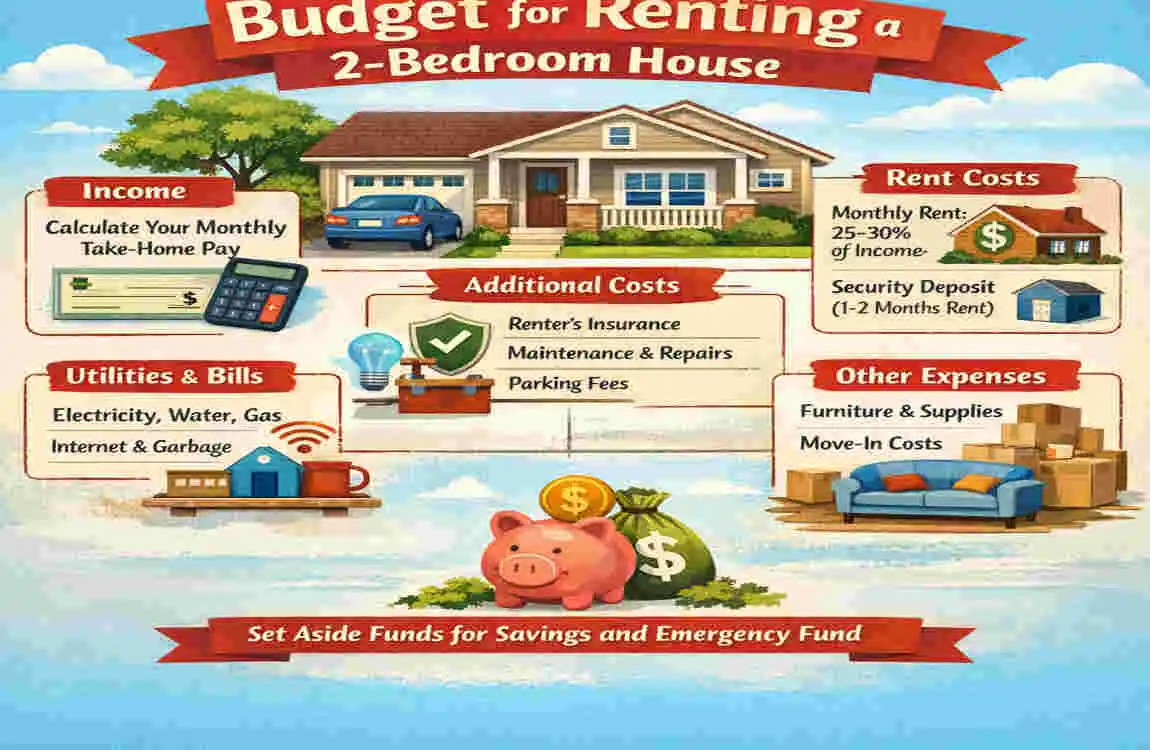
Calculate Monthly Housing Costs
Do not just look at rent. Add utilities, insurance, parking, and other regular costs.
Follow the 30% Income Rule.
A common rule says housing should take no more than 30% of your gross monthly income. This is not a hard rule, but it is a useful guide.
Build an Emergency Fund
Unexpected repairs, job changes, or moving costs can happen. A small savings cushion helps.
Save on Utilities
Use efficient lights, close windows properly, and manage heating or cooling carefully.
Avoid Hidden Costs
Read the lease closely so you know about fees, late charges, and extra service costs before signing.
Common Mistakes Renters Should Avoid
Ignoring Lease Terms
Always read the full lease. Hidden rules can cost you later.
Skipping Property Inspections
Check the home before moving in. Look for leaks, damage, and safety issues.
Underestimating Extra Expenses
Rent is not the only cost. Plan for the full monthly amount.
Not Researching the Neighborhood
A cheap rent is not always a good deal if the area does not suit your lifestyle.
Signing Without Comparing Prices
Compare options first. It helps you understand whether the rent is fair.
Tips to Lower Your Rental Expenses
Share Housing Costs
If possible, sharing with a roommate can reduce the burden.
Choose Energy-Efficient Homes
Better insulation and newer appliances can lower utility bills.
Negotiate Lease Renewal
When your lease ends, ask if there is luxury room for a better rate.
Reduce Utility Usage
Small habits make a difference, like turning off lights and using less heating or cooling.
Take Advantage of Discounts
Some landlords offer specials for long leases, quick move-ins, or good rental history.
Frequently Asked Questions
What is the average 2 bedroom house rent in 2026?
Rental prices generally range from $700 to $3,500 per month, depending on location and property type.
Why does average 2 bedroom house rent vary so much?
It changes because of location, demand, house condition, nearby services, and local economic conditions.
Is renting a 2 bedroom house cheaper than buying one?
Renting usually requires less upfront cash, but buying may be better in the long term, depending on your plans and finances.
How much income should go toward rent?
A common guide is to spend no more than 30% of your gross monthly income on housing.
What extra costs should renters expect?
Utilities, insurance, parking, pet fees, and deposits are common extra costs.
| Category | Details |
|---|---|
| Average Monthly Rent | A 2-bedroom house typically rents between $1,200–$2,500 per month depending on location and market demand. |
| Low-Cost Areas | Smaller towns and rural areas may offer 2-bedroom rentals around $800–$1,200/month. |
| High-Cost Areas | Major cities can exceed $3,000/month due to high demand and limited housing supply. |
| Main Factors Affecting Rent | Location, house size, neighborhood quality, amenities, age of property, and local job market. |
| Current Rent Trend | Rental prices continue to rise in many areas due to inflation, housing shortages, and increased demand. |
| Most Affordable Options | Suburban areas, older homes, and properties farther from city centers usually have lower rents. |
| Extra Monthly Costs | Tenants may also pay utilities, maintenance fees, parking charges, and renter’s insurance. |
| Future Outlook | 2-bedroom house rents are expected to remain competitive as more people seek affordable family housing. |
