
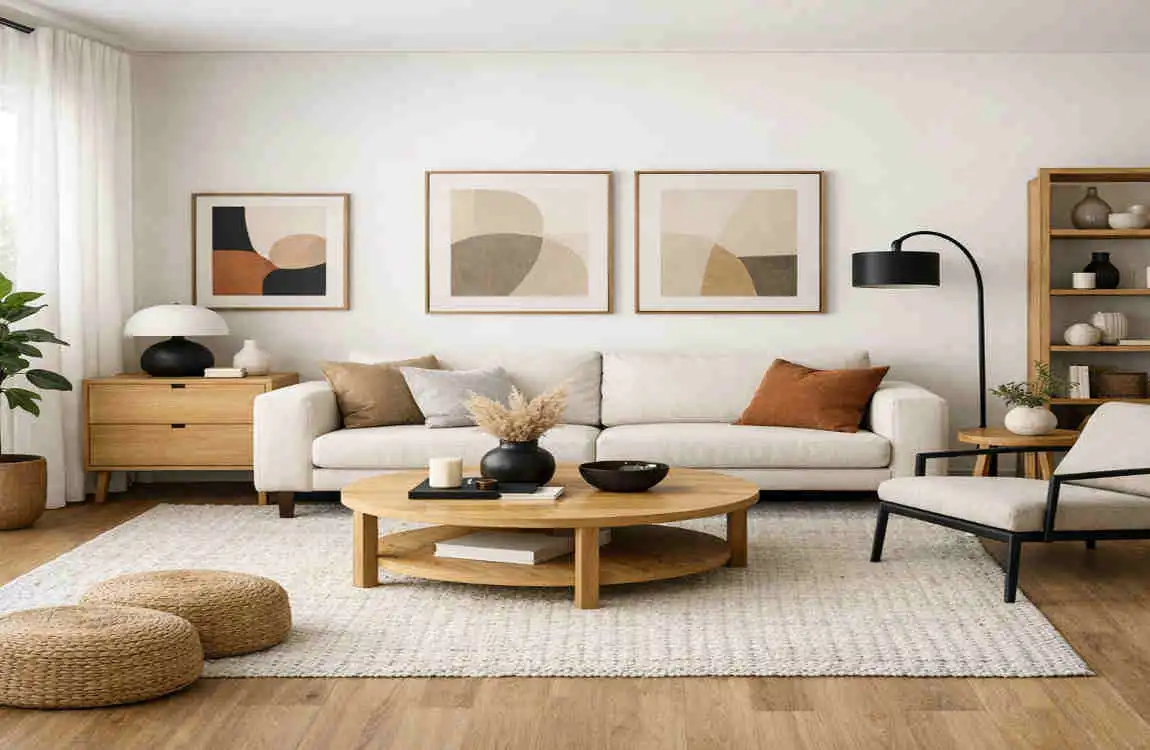
Designing your living room furniture is not just about making the room look nice. It is also about making the space feel comfortable, easy to use, and balanced for daily life.
When you plan the layout well, your living room becomes a place where you can relax, talk with family, watch TV, or welcome guests without feeling crowded. That is why learning how to design furniture in a living room is so useful.
Why Living Room Furniture Design Is Important
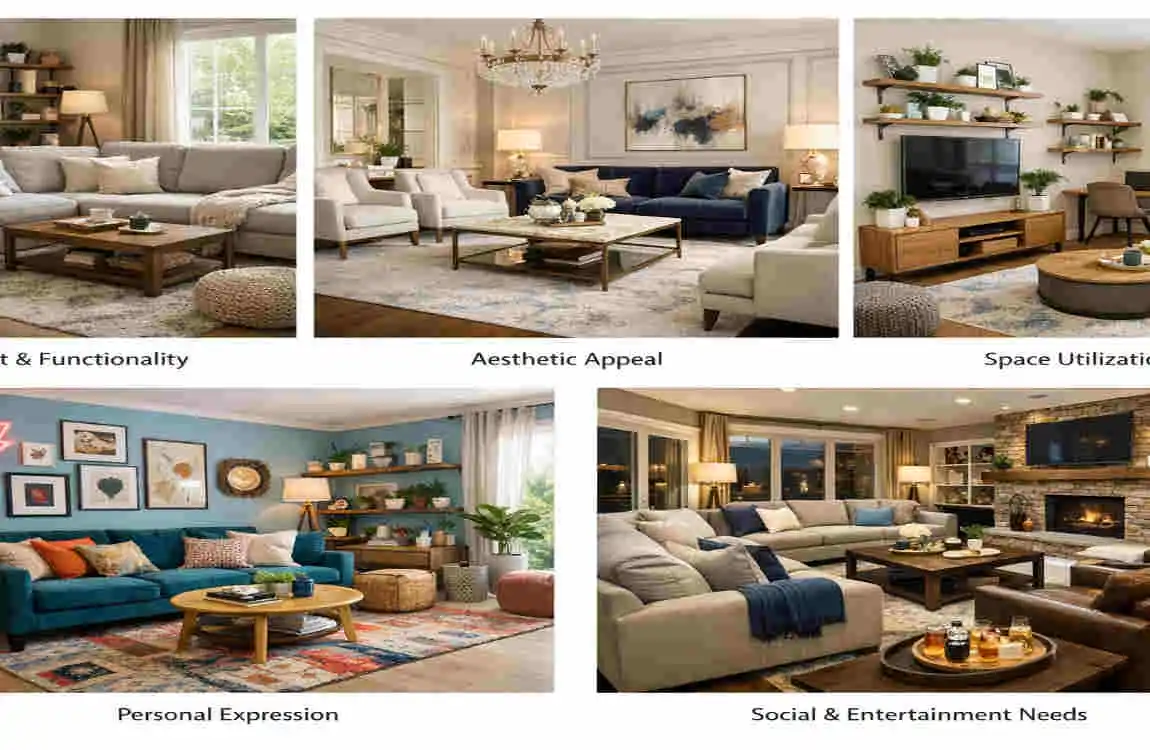
A good living room design makes a big difference in how your home feels.
Creates a Comfortable Space
When furniture is placed properly, people can sit, move, and relax without feeling blocked. A comfortable room feels open, welcoming, and easy to live in.
Improves Home Appearance
A balanced layout makes the room look more polished. Even simple furniture can look stylish when it is arranged in the right way.
Increases Functionality
Your living room should work for your real life. You may use it for family time, reading, watching TV, or entertaining guests. Good design helps the room do all of that well.
Measure Your Living Room Before Buying Furniture
Before you buy anything, measure your space. This is one of the most important steps.
Measure Room Dimensions
Measure the length, width, and height of the room. This helps you avoid furniture that is too large or too small.
Identify Doors, Windows, and Walkways
Take note of where doors open, where windows sit, and how people move through the room. These areas must stay clear.
Decide the Room’s Main Purpose
Ask yourself what the room is for. Is it mostly for TV time, family gatherings, or quiet reading? Your answer will guide your furniture choices.
Choose the Right Living Room Furniture
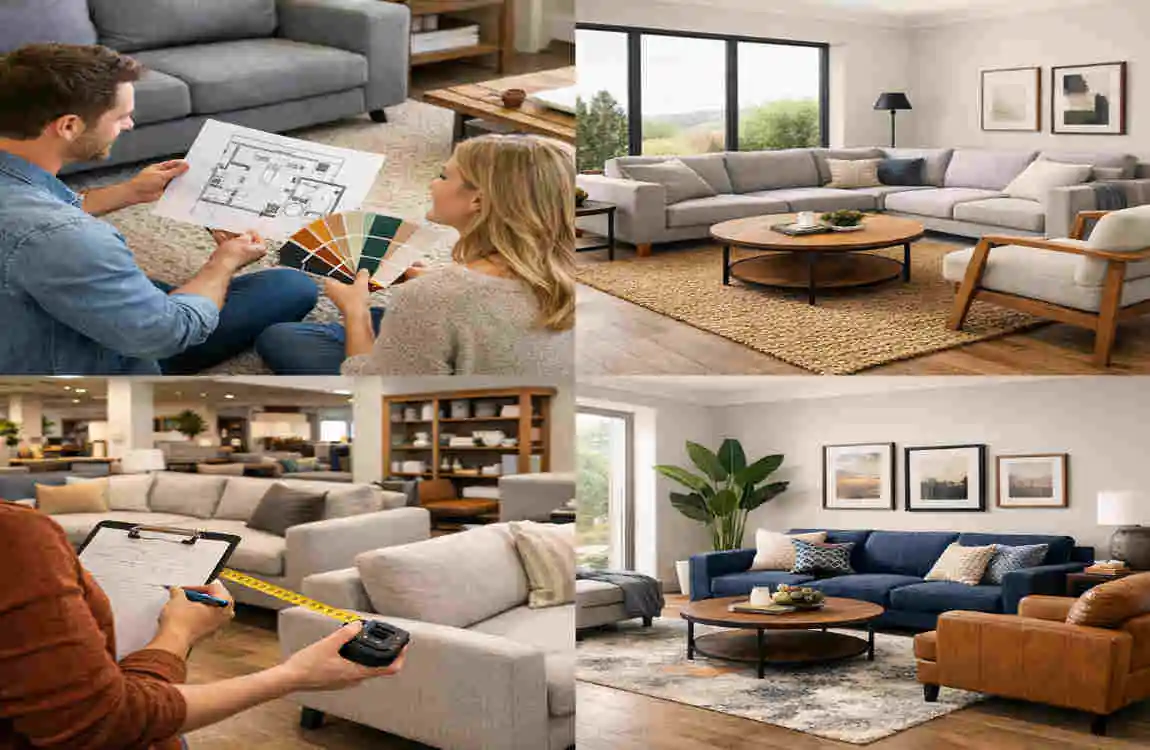
The right furniture should fit your room size and daily needs.
Select the Right Sofa Size
The sofa is usually the main piece in the room. In a small room, choose a compact sofa. In a larger room, a sectional or longer sofa may work better.
Pick Comfortable Chairs
Chairs add extra seating and style. Try to choose ones that match the sofa without making the space feel crowded.
Coffee Table Selection
A coffee table should be useful and easy to reach. Leave enough space around it so people can walk comfortably.
TV Unit or Entertainment Centre
If your living room has a TV, choose a stand or cabinet that fits the TV’s screen size and the room’s width.
Storage Furniture
Use shelves, cabinets, or storage ottomans to keep the room neat. Storage helps reduce clutter and makes the room feel calmer.
How to Design Furniture in Living Room Layout
This is where the room starts to come together. The layout controls how the space looks and feels.
Small Living Room Layout Ideas
For a small room, choose fewer pieces and keep them light in appearance. A sofa, one chair, and a small table may be enough.
Place furniture close enough for conversation, but do not block walking paths. Use wall space wisely.
Medium Living Room Arrangement
A medium room gives you more freedom. You can use a sofa with two chairs or a sectional with a side table.
Try to create a simple conversation area. This helps the room feel organised and inviting.
Large Living Room Furniture Placement
Large rooms need careful planning, or they can feel empty. Use rugs, chairs, tables, and lighting to create separate zones.
You can also place furniture farther apart, but keep the arrangement connected so it does not feel scattered.
Open-Concept Living Room Design
In open spaces, furniture helps define areas. Use the sofa, rug, or chairs to separate the living room from the dining or kitchen space.
Keep the flow open, but make sure each section still feels distinct.
Furniture Placement Around a Fireplace
If your room has a fireplace, it can become the main focal point. Arrange seating so people can enjoy the fireplace while still talking easily.
Do not push every piece directly against the walls. A more natural setup often feels warmer and more balanced.
Tips for Arranging Living Room Furniture
A few simple rules can make your layout much better.
Create a Focal Point
Every living room needs one main focus. It could be a TV, fireplace, window, or artwork. Arrange furniture around it.
Keep Enough Walking Space
Leave enough space for movement. If people keep bumping into furniture, the layout needs adjusting.
Balance Large and Small Furniture
Do not crowd the room with too many heavy pieces. Mix larger items with smaller ones so the room feels balanced.
Use Rugs to Define Areas
A rug can pull the whole room together. It also helps separate seating areas in larger or open rooms.
Add Side Tables and Lighting
Side tables make the room more useful, while lamps add comfort and help the space feel complete.
Living Room Decorating Ideas
Furniture works best when the rest of the room supports it.
Add Throw Pillows
Pillows are an easy way to add colour and softness. They also help tie the whole look together.
Use Wall Art
Art gives the room personality. Choose pieces that match the mood you want, whether calm, bold, or cosy.
Indoor Plants
Plants bring life and freshness into the room. Even one or two can make the space feel more relaxed.
Curtains and Window Treatments
Curtains can soften the room and add style. Light-colored curtains can also help a small room feel brighter.
Decorative Accessories
Use simple items like vases, candles, or books. Just do not overdo it. Too many accessories can make the room feel busy.
Common Furniture Design Mistakes to Avoid
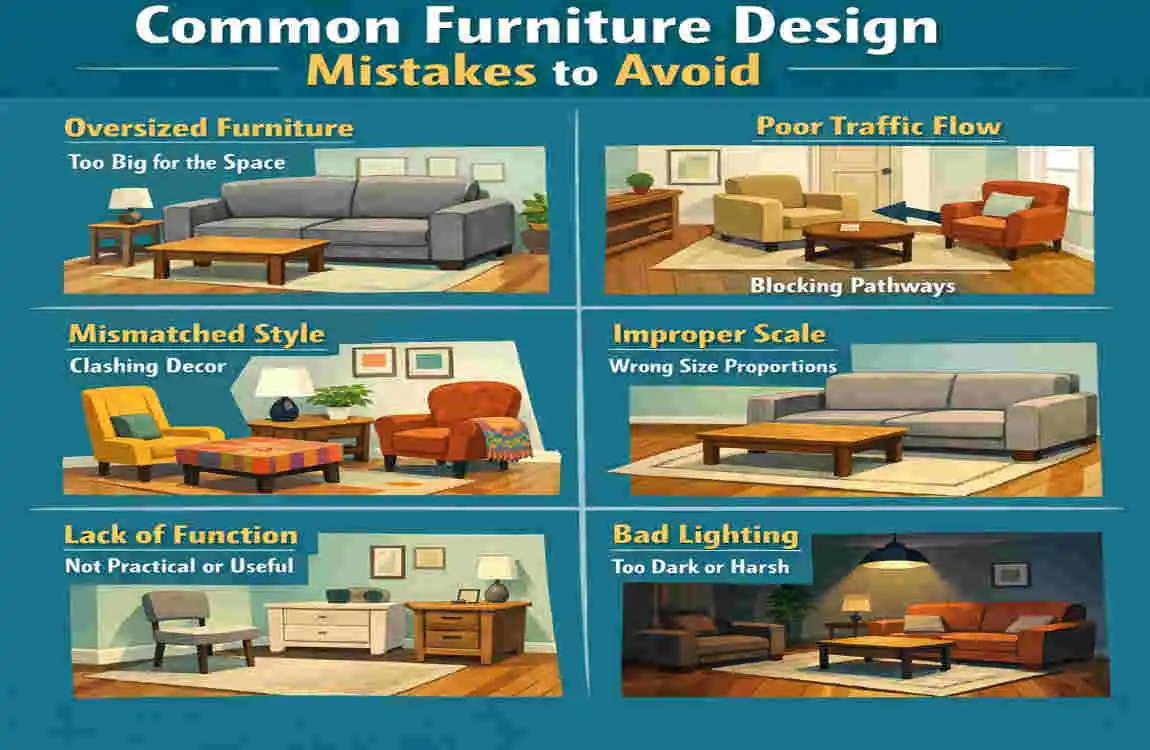
A few mistakes can make even a nice room feel awkward.
Buying Oversized Furniture
Big furniture in a small room can make the space feel cramped. Always check measurements before buying.
Blocking Walkways
Furniture should never get in the way of movement. Clear paths make the room safer and easier to use.
Ignoring Lighting
A room can look flat without good lighting. Use a mix of natural light, lamps, and overhead lights when possible.
Poor Furniture Spacing
If pieces are too far apart, the room feels disconnected. If they are too close, it feels crowded. Aim for balance.
Too Many Decorations
Decorations should support the room, not overwhelm it. Keep the look clean and simple.
Easy Tips to Make a Small Living Room Look Bigger
If your space is small, do not worry. Smart design can make it feel larger.
Use Light Colours
Light walls, soft furniture colours, and bright fabrics help open up the room.
Choose Multi-Functional Furniture
Pick pieces that do more than one job, like storage ottomans or a sofa bed.
Add Mirrors
Mirrors reflect light, making the room feel more open.
Keep the Room Clutter-Free
A tidy room always looks bigger. Use storage to keep things out of sight.
Simple Furniture Layout Guide
Here is a quick look at how different room types can work.
Room Type Best Furniture Approach Key Tip
Small Living Room Compact sofa, one chair, small table Keep walkways open
Medium Room Sofa with chairs and side tables Create a clear seating area
Large Room Multiple seating zones with rugs Fill space without crowding it
Open Concept Furniture used to divide the space Keep flow between areas
FAQ
How do I design furniture in a living room?
Start by measuring the room, choosing a focal point, and arranging furniture so people can move comfortably.
What is the best furniture layout for a small living room?
Use compact furniture, keep walkways clear, and choose space-saving pieces.
How far should a coffee table be from the sofa?
Leave about 14–18 inches between the sofa and coffee table.
What is the first piece of furniture to place in a living room?
The sofa is usually the first piece because it helps shape the whole layout.
How can I make my living room look more stylish?
Use matching colours, pillows, rugs, lighting, plants, and wall art while keeping the room uncluttered.
How do I arrange furniture around a TV?
Place seating at a comfortable viewing distance and make sure it does not block walkways or windows.
| Aspect | Information |
|---|---|
| Topic | How to Design Living Room Furniture |
| Goal | Create a comfortable, functional, and visually appealing living room. |
| First Step | Measure the room and create a simple floor plan before arranging furniture. |
| Choose a Focal Point | Arrange furniture around a TV, fireplace, large window, or statement wall. |
| Select the Right Sofa | Pick a sofa that fits the room size and complements your lifestyle. |
| Furniture Layout | Leave clear walking paths and avoid overcrowding the space. |
| Coffee Table Placement | Position it about 14–18 inches from the sofa for easy access. |
| Accent Chairs | Add one or two chairs to create balanced seating and conversation areas. |
