
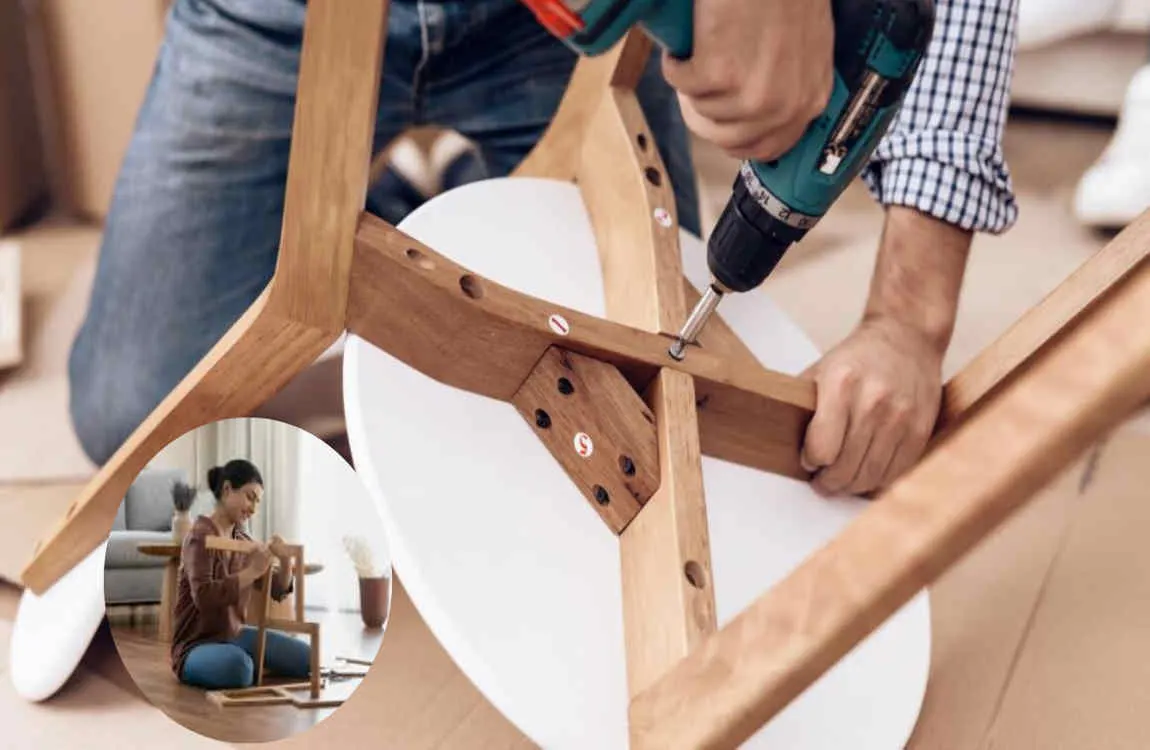
Assembling furniture can sometimes feel like a difficult and time-consuming task. A new table, chair, bed, or cabinet may arrive in several pieces with many screws, bolts, and confusing instructions. Without proper planning, a simple project can quickly become frustrating.
Learning how to assemble furniture the right way can save you time, prevent mistakes, and help you create strong and long-lasting furniture. The secret is not just working faster; it is working smarter.
With the right tools, organized parts, and a clear process, furniture assembly becomes much easier. Whether you are setting up new furniture for your home or completing a DIY project, following the correct steps can make the entire process smoother.
Understanding the Basics of Furniture Assembly
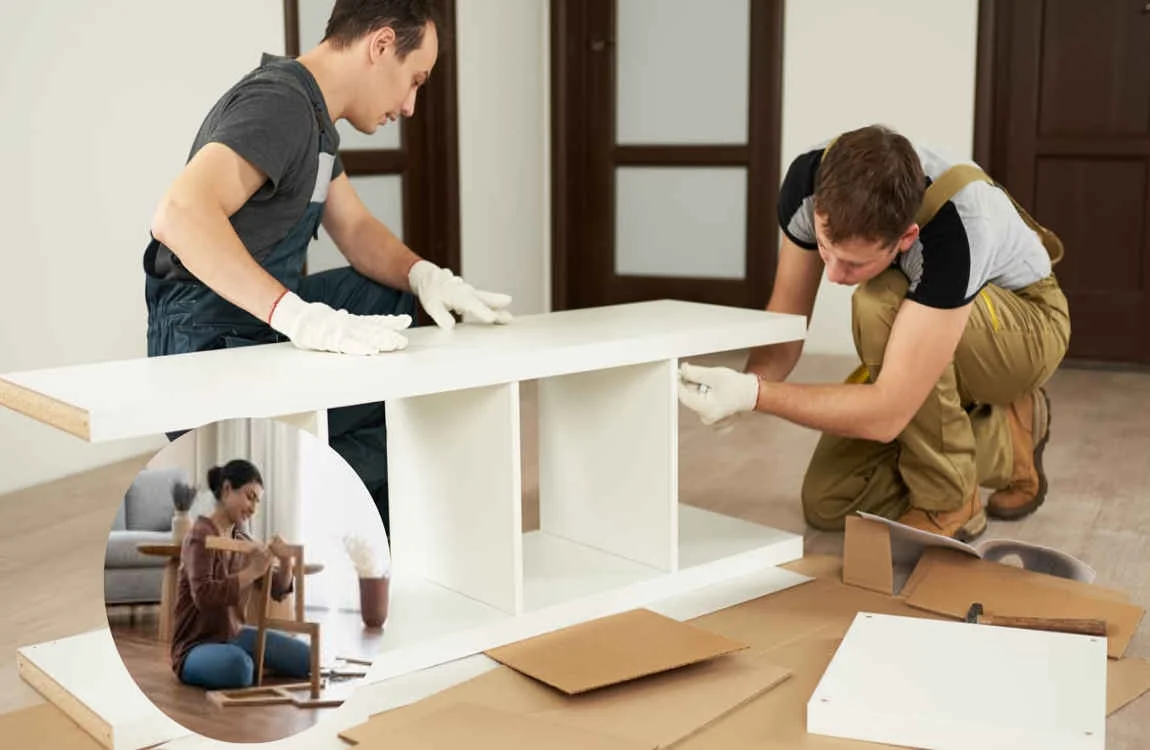
Furniture assembly means putting different pieces together to create a complete and usable item. Most modern furniture comes with separate parts because it is easier to transport and store.
Although furniture assembly may look simple, many people struggle because they start without proper preparation.
Why Furniture Assembly Takes Longer Than Expected
Many factors can make furniture assembly take more time than planned:
- Too many small parts: Screws, bolts, washers, and connectors can be difficult to organize.
- Unclear instructions: Some manuals use diagrams that are confusing for beginners.
- Wrong tools: Using unsuitable tools can slow down the process.
- Incorrect order: Installing parts in the wrong sequence can create extra work.
- Poor preparation: Starting without checking parts can lead to delays.
Taking a few minutes to prepare before starting can save a lot of time later.
Benefits of Learning How to Assemble Furniture Properly
When you understand the correct assembly process, you can enjoy many benefits:
- Creates stronger and safer furniture
- Prevents scratches and damage
- Improves the final appearance
- Reduces unnecessary repairs
- Makes future projects easier
A properly assembled piece of furniture not only looks better but also lasts longer.
Prepare Before You Start Assembling Furniture
Preparation is one of the most important steps in easy furniture assembly. Many mistakes happen because people immediately start connecting pieces without understanding the instructions.
Read the Instructions Carefully
Before opening your tools, read the complete instruction manual.
Do not only look at the first step. Review the entire process so you understand:
- Which parts connect
- Which screws belong to each section
- What order the steps follow
- Which steps may require extra attention
Pay close attention to diagrams and labels. A few minutes spent reading can prevent hours of fixing mistakes.
Organize All Furniture Parts
A messy workspace can make assembly slower. Before starting:
- Separate screws, bolts, and connectors
- Place similar hardware together
- Label small parts if needed
- Keep screws in small containers
- Arrange large furniture pieces nearby
A simple organization system helps you quickly find what you need.
Choose the Right Workspace
Your workspace affects how easily you can assemble furniture.
Choose an area that has:
- A flat surface
- Good lighting
- Enough room to move around
- A clean floor area
Use a protective sheet or blanket under furniture pieces to prevent scratches.
A comfortable workspace allows you to work safely and efficiently.
Essential Tools for Faster Furniture Assembly
Having the right tools makes furniture assembly much easier. Basic tools can handle most household furniture projects.
Basic Tools You Should Have
ToolPurpose
Screwdriver Tightening screws
Allen key Common furniture bolts
Drill Faster screw installation
Measuring tape Checking alignment
Rubber mallet Joining parts safely
Level tool Keeping furniture straight
These tools help you complete projects faster while improving accuracy.
Power Tools That Save Time
Power tools can speed up furniture assembly, especially for larger projects.
Useful options include:
- Electric screwdriver: Helps install many screws quickly.
- Cordless drill: Makes drilling and fastening easier.
- Bit sets: Allow you to work with different screw types.
- Battery-powered tools: Provide flexibility without cables.
However, use power tools carefully.
Avoid Overusing Power Tools
Although power tools save time, they can also cause problems if used incorrectly.
Avoid:
- Damaging screw heads
- Tightening screws too much
- Cracking wooden parts
A good method is to use power tools for speed and finish tightening by hand for better control.
Step-by-Step Guide: How to Assemble Furniture Faster
Following a clear process is the best way to complete furniture assembly successfully.
Check All Parts Before Assembly
Before putting anything together, compare all pieces with the instruction list.
Check:
- Are all parts included?
- Are screws and connectors available?
- Are any pieces damaged?
Finding missing parts early prevents interruptions.
Build the Main Frame First
Start with the largest structural pieces.
For example:
- Build the table frame before adding accessories.
- Assemble the bed frame before attaching decorations.
- Create the cabinet structure before installing doors.
Keep screws slightly loose at first. This allows you to adjust the position easily.
Follow the Correct Assembly Order
Always follow the instructions step by step.
Avoid:
- Guessing where parts go
- Skipping steps
- Installing pieces too early
Manufacturers design instructions in a specific order for a reason.
Tighten Screws at the Right Time
Many beginners make the mistake of fully tightening every screw immediately.
A better approach:
- Attach all pieces loosely.
- Check alignment.
- Adjust positions.
- Tighten everything securely.
This prevents uneven furniture and alignment problems.
Test Stability Before Finishing
Before using your furniture, inspect everything.
Check:
- Loose screws
- Wobbly legs
- Uneven surfaces
- Drawer movement
- Door alignment
A final inspection ensures safety and durability.
Smart Tips to Assemble Different Types of Furniture
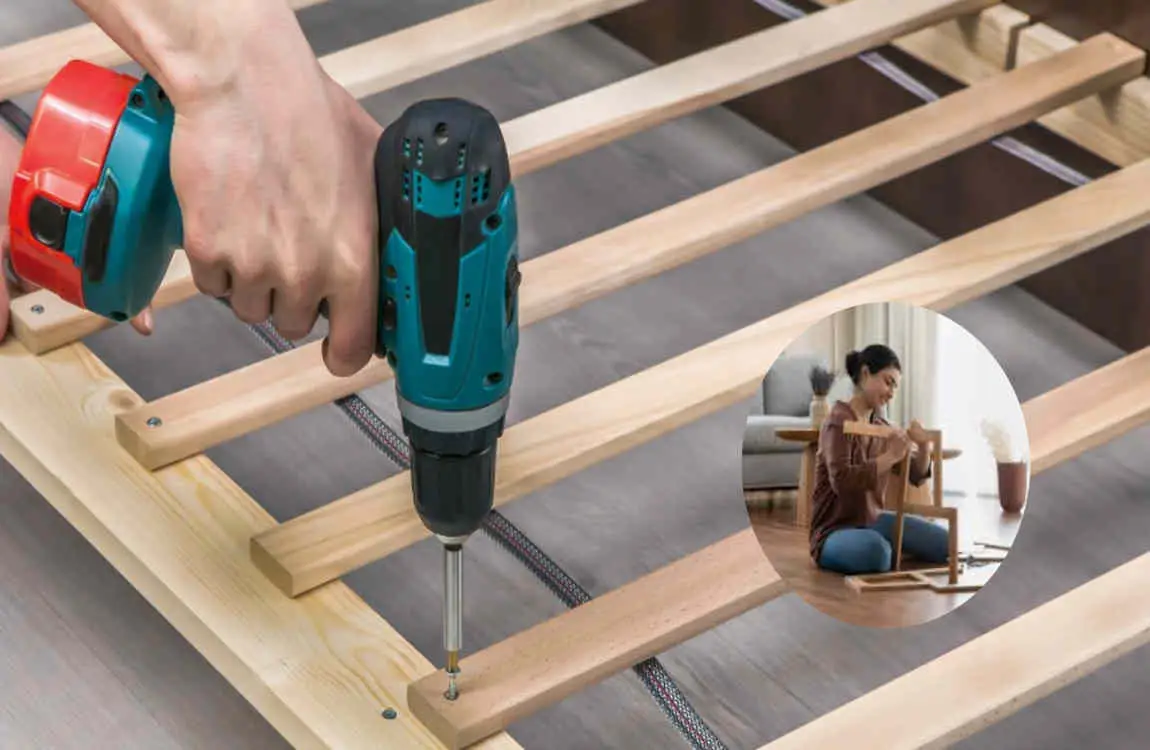
Different furniture pieces require different techniques. Understanding these differences makes assembly easier.
How to Assemble Tables and Desks
Tables and desks usually require careful alignment.
Tips:
- Attach legs evenly.
- Protect the tabletop surface.
- Check balance before tightening screws.
- Use a level tool if needed.
A slightly uneven leg can make the entire table unstable.
How to Assemble Chairs
Chairs need strong connections because they support body weight.
Focus on:
- Proper seat alignment
- Tight connections
- Strong support points
Always test the chair before regular use.
How to Assemble Cabinets and Shelves
Cabinets require accuracy because doors and shelves must align properly.
Important steps include:
- Keeping the cabinet level
- Adjusting doors correctly
- Securing tall furniture safely
Large shelves may require wall support for extra stability.
How to Assemble Beds
Beds need strong construction because they support weight every night.
Pay attention to:
- Frame connections
- Support beams
- Slat placement
- Bolt tightening
A properly assembled bed provides better comfort and safety.
Common Furniture Assembly Mistakes to Avoid
Even simple furniture projects can go wrong if you rush.
Skipping the Instructions
Ignoring instructions often leads to:
- Incorrect installation
- Extra work
- Damaged furniture
Always review the guide before starting.
Using the Wrong Tools
Wrong tools can cause:
- Damaged screws
- Weak connections
- Longer assembly time
Using proper tools makes the job cleaner and easier.
Tightening Everything Too Early
Fully tightening screws before alignment can create problems.
Loose assembly first allows you to adjust furniture pieces properly.
Working Alone When Help Is Needed
Some furniture is too large for one person.
Ask for help with:
- Large wardrobes
- Heavy tables
- Beds
- Cabinets
Extra assistance improves safety and reduces damage risk.
How to Make Furniture Assembly More Efficient
Creating a simple routine can make every project faster.
Create an Assembly Routine
Follow these steps:
- Prepare your tools.
- Sort all parts.
- Read instructions.
- Assemble in order.
- Inspect the finished product.
A consistent process saves time and reduces mistakes.
Use Time-Saving Techniques
Try these smart methods:
- Assemble similar furniture.
- Keep tools within reach.
- Take pictures before disassembling furniture.
- Store extra hardware safely.
Small habits can make future furniture projects much easier.
When Should You Hire Professional Furniture Assembly Services?
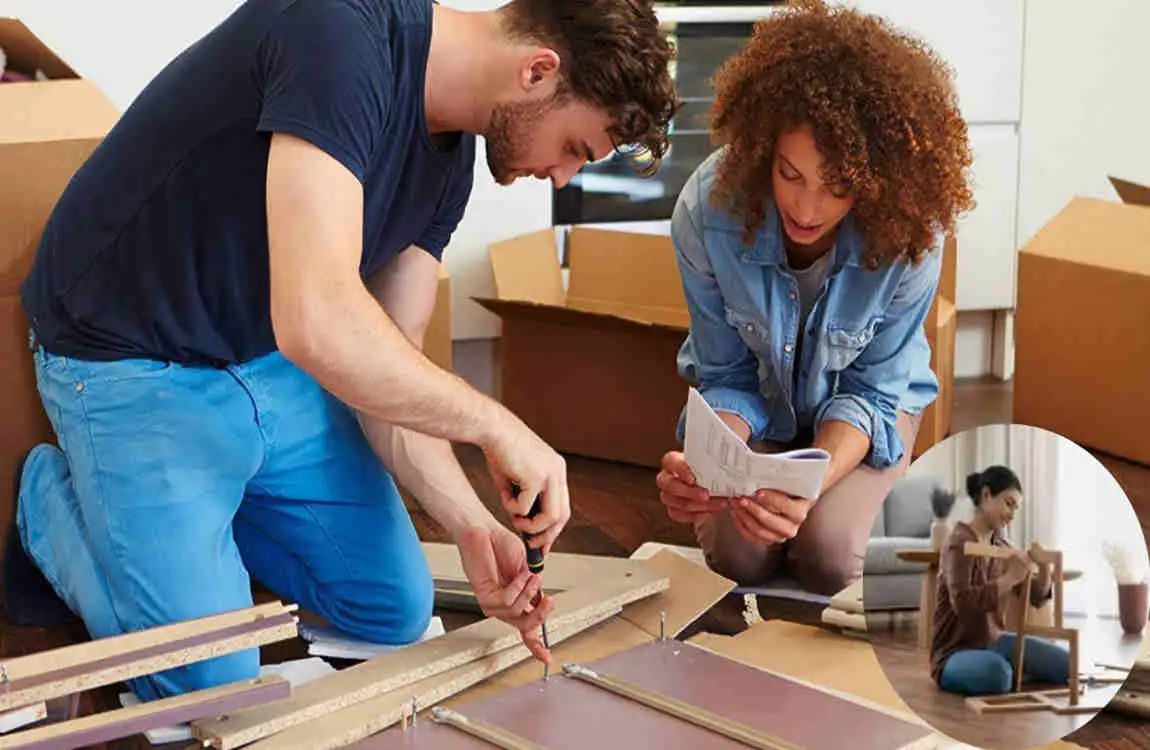
DIY furniture assembly is not always the best option. Professional help may be useful for:
- Large wardrobes
- Complex office furniture
- Heavy furniture
- Time-sensitive projects
- People without proper tools
Professional assembly offers:
- Faster installation
- Better accuracy
- Reduced risk of damage
For complicated furniture, expert help can save both time and effort.
Frequently Asked Questions (FAQ)
What is the easiest way to assemble furniture?
The easiest method is to prepare your tools, organize parts, read instructions carefully, and follow each step in order. Avoid rushing because mistakes usually create more work.
How long does it take to assemble furniture?
The time depends on the furniture size and design. Small items may take around 30 minutes, while large furniture pieces can require several hours.
Can I assemble furniture without power tools?
Yes. Most furniture can be assembled using basic hand tools. However, power tools can make the process faster.
How can I avoid mistakes when assembling furniture?
Read the instructions completely, check all parts before starting, and avoid skipping steps. Taking your time improves the final result.
Should I tighten furniture screws completely during assembly?
No. Keep screws slightly loose until all pieces are properly aligned. Tighten them fully after confirming the correct position.
Is it cheaper to assemble furniture myself?
DIY assembly can save money, but professional services may be better for large or complicated furniture.
What tools are needed to assemble furniture?
Common tools include screwdrivers, Allen keys, drills, measuring tape, rubber mallets, and level tools.
| Topic | Information |
|---|---|
| Plan Before Starting | Read the instruction manual, check all parts, and organize tools before assembling to avoid delays. |
| Prepare Your Workspace | Choose a clean, spacious area with enough room to spread out furniture pieces and hardware. |
| Sort Hardware | Separate screws, bolts, washers, and small parts into labeled groups for faster access. |
| Use the Right Tools | Keep basic tools like a screwdriver, Allen key, drill, and measuring tape ready for efficient assembly. |
| Follow Instructions Carefully | Assemble furniture step-by-step to prevent mistakes and the need to redo sections. |
| Build in the Correct Order | Start with the main frame, then attach panels, shelves, doors, and finishing parts. |
| Avoid Over-Tightening Screws | Tighten screws firmly but avoid forcing them, as this can damage materials. |
| Use Power Tools Wisely | A cordless drill can speed up assembly, but use low power settings to prevent damage. |
| Ask for Help When Needed | Large items like wardrobes, beds, and cabinets are easier and safer with two people. |
| Check Alignment | Make sure all parts are straight and level before final tightening. |
| Keep Extra Parts Safe | Store spare screws or unused pieces in case replacements are needed later. |
| Clean After Assembly | Remove packaging materials and wipe the furniture before placing it in your room. |
| Time-Saving Tip | Preparing everything first can reduce assembly time and make the process smoother. |
| Safety Tip | Wear protective gloves, lift heavy pieces carefully, and secure tall furniture to walls if required. |
