
Vinyl flooring is a smart choice for many homes. It looks clean, feels comfortable, and often costs less than other flooring options. It also works well in rooms where you want a practical, easy-to-care-for surface.
But before installation, a common question arises: do I need underlayment for vinyl flooring on plywood?
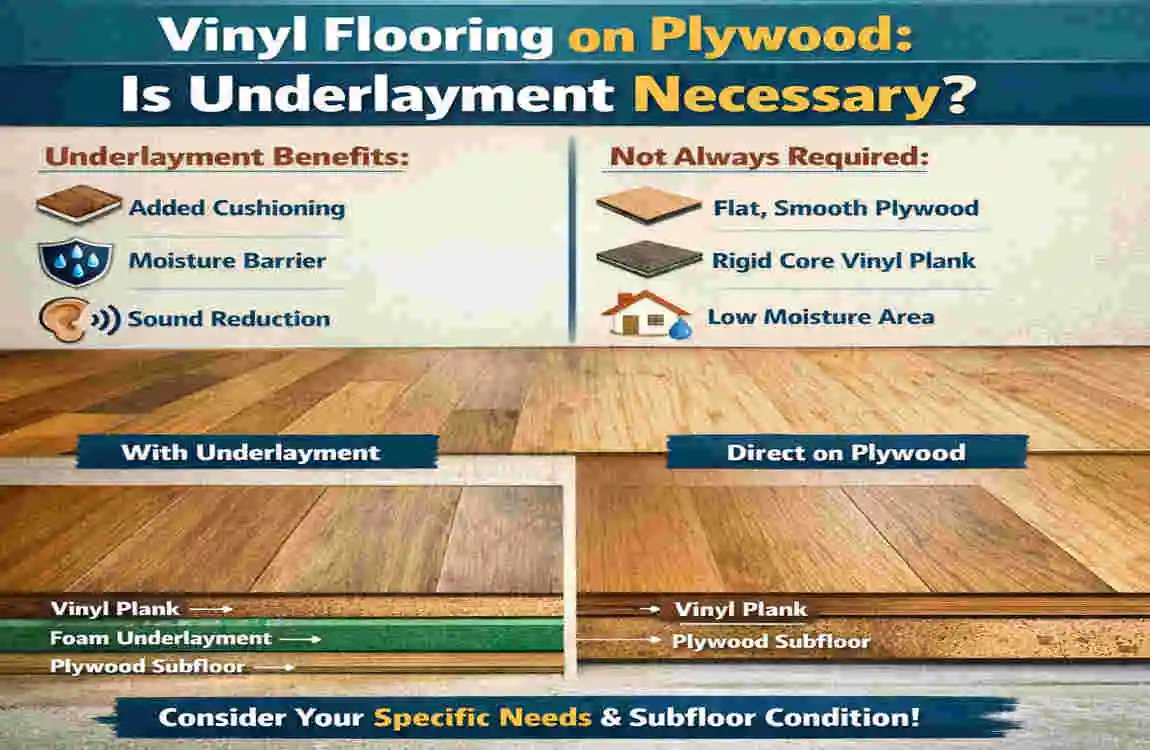
The short answer is not always. In many cases, vinyl can go directly over plywood if the surface is clean, dry, smooth, and stable. Still, the final answer depends on the type of vinyl flooring you choose and the manufacturer’s instructions.
Is Underlayment Necessary for Vinyl Flooring on Plywood?
In Many Cases, No
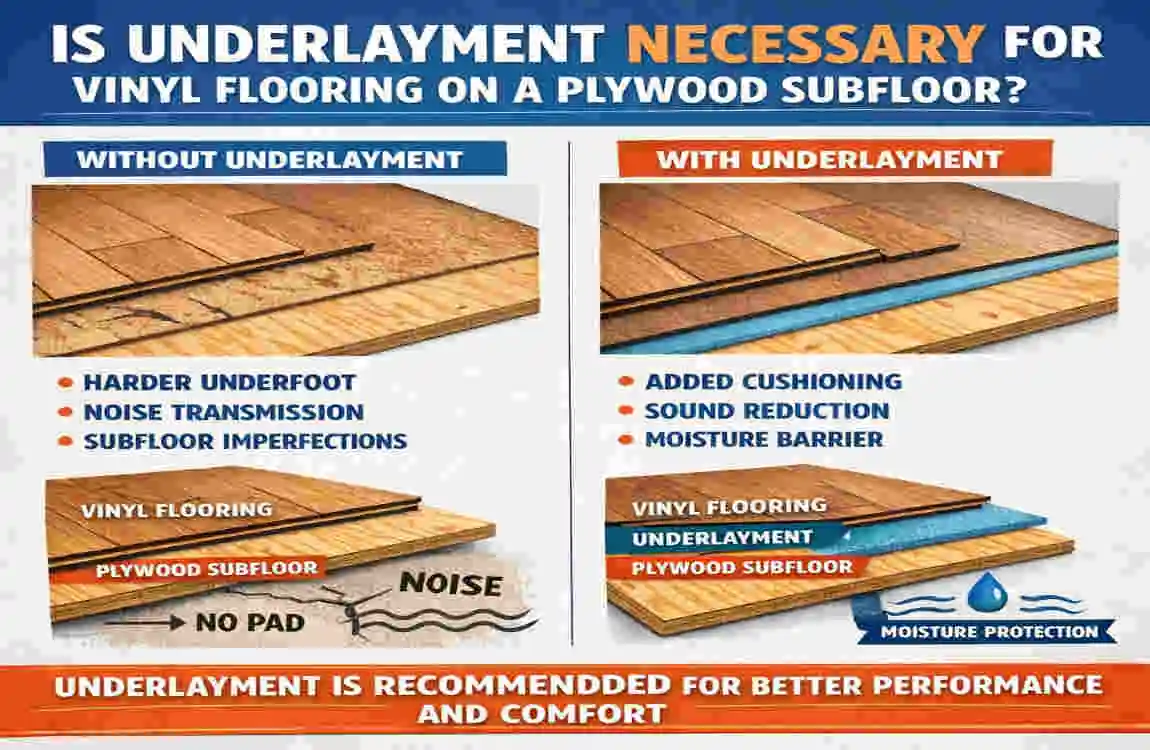
For many vinyl flooring products, a separate underlayment is not required. If the plywood subfloor is in good condition, the vinyl may be installed directly on top of it.
That said, the plywood must be properly prepared. Vinyl flooring can show bumps, dips, and other flaws underneath it, so the surface needs to be smooth and solid.
Sometimes, Yes
Underlayment can be useful in certain cases. It may help with:
- minor sound reduction
- light cushioning
- smoothing small imperfections
- meeting a specific product requirement
The most important rule is simple: follow the flooring manufacturer’s instructions. Some vinyl products already include an attached pad, and adding another layer can cause problems.
When You May Need Underlayment
The Product Requires It
Some vinyl flooring systems are designed to work with a specific underlayment. If the instructions say to use one, you should use only the approved type.
The Plywood Needs Extra Smoothing
If the subfloor has minor flaws that cannot be easily corrected, an underlayment may help create a better surface. Even then, preparation is still important.
You Want Extra Comfort or Sound Control
Some homeowners want flooring that feels slightly softer or sounds quieter underfoot. In those situations, the right underlayment may help.
The Installation System Calls for It
Certain click-lock or floating flooring systems need specific materials underneath them. Using the wrong underlayment can cause movement, soft spots, or poor performance.
How to Prepare Plywood for Vinyl Flooring
Check the Plywood First
Before anything else, inspect the plywood carefully. Look for:
- soft or damaged spots
- water damage
- loose boards
- cracks or splits
- areas that move when walked on
If the plywood is damaged, repair or replace it before installing the vinyl.
Make the Surface Smooth
Vinyl flooring does not hide imperfections very well. Bumps, seams, and holes can show through later.
Sand down high spots and fill low spots with a suitable floor patching compound if needed. The smoother the surface, the better the finished floor will look.
Clean the Subfloor Well
Remove dust, dirt, grease, and debris from the plywood. A clean surface helps the flooring sit properly and reduces installation problems.
Check for Moisture
Plywood should be dry before installation. Too much moisture can lead to swelling, mold, or flooring failure.
If the area has any dampness issues, fix those first.
Vinyl Flooring Types and Underlayment
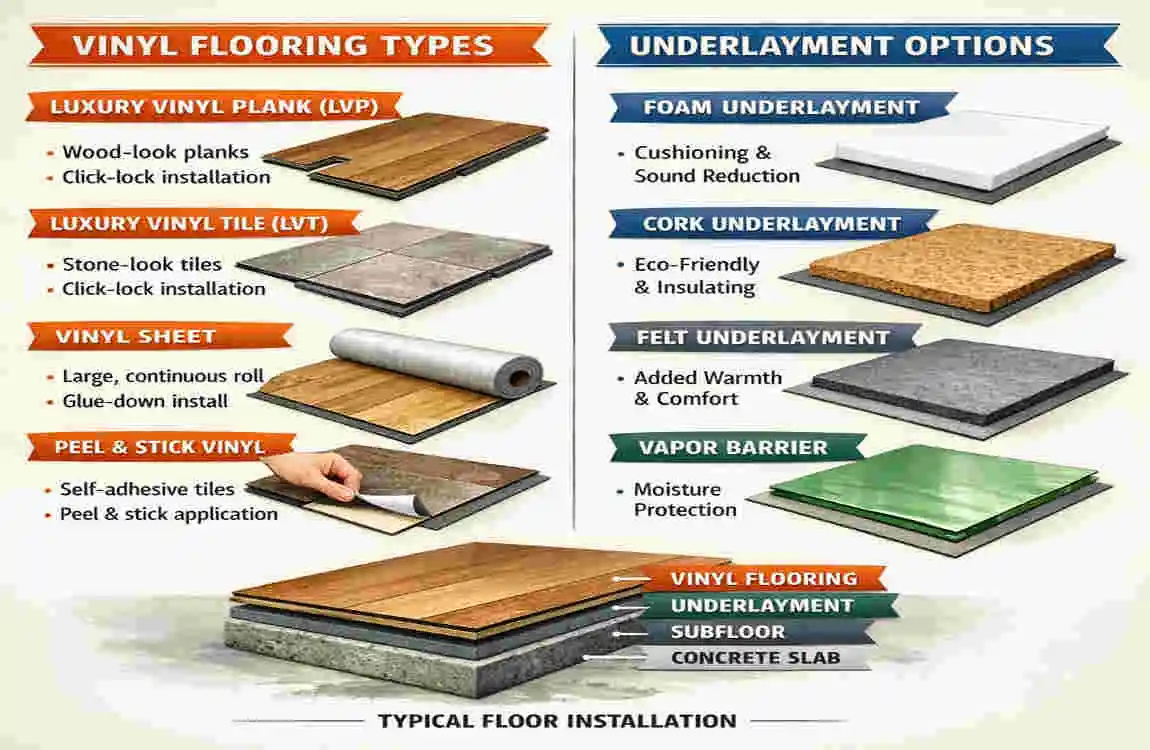
Vinyl Flooring Type Underlayment Needed? Notes
Luxury Vinyl Plank (LVP) Sometimes not Many products can go directly over plywood, especially with attached padding.
Luxury Vinyl Tile (LVT) Depends on the product Some require an approved underlayment; others do not.
Sheet Vinyl: Usually, smooth prep is key. Imperfections may show through, so subfloor quality matters a lot.
Luxury Vinyl Plank
Many LVP products can be installed directly over a prepared plywood floor. Some even come with an attached underlayment, so no separate layer is needed.
Luxury Vinyl Tile
LVT requirements vary more. Some products are flexible, while others need a specific subfloor setup. Always check the product details.
Sheet Vinyl
Sheet vinyl needs a very smooth surface. Even small imperfections in the plywood can become visible later, so preparation is especially important here.
Common Mistakes to Avoid
Using the Wrong Underlayment
Not every underlayment works with vinyl flooring. A foam layer that seems helpful may actually create too much movement and damage the floor.
Installing Over Damaged Plywood
Never cover weak, rotten, or loose plywood and hope for the best. Vinyl flooring needs a solid base.
Skipping Surface Prep
Even if underlayment is not needed, the plywood must still be smooth and clean. This step matters a lot.
Ignoring Manufacturer Instructions
This is one of the biggest mistakes. The product instructions should always guide your decision.
FAQs
Can vinyl flooring be installed directly over plywood?
Yes. Many vinyl products can go directly over properly prepared plywood.
Do you need underlayment for LVP over plywood?
Not always. Some LVP floors come with attached padding, while others may require a specific underlayment.
Can I use foam underlayment under vinyl flooring?
Only if the manufacturer approves it can the wrong foam cause flooring problems.
What should I put under vinyl flooring on plywood?
Often, nothing beyond a well-prepared plywood subfloor. Some products may need an approved underlayment.
Does plywood need to be perfectly smooth under vinyl flooring?
It should be smooth enough to avoid visible bumps and dips. Vinyl can show imperfections.
| Aspect | Quick Answer |
|---|---|
| Vinyl Flooring on Plywood | Vinyl can usually be installed directly over plywood. |
| Is Underlayment Necessary? | Often no, especially with vinyl products that have an attached backing. |
| When to Use It | Use underlayment only when the flooring manufacturer specifically recommends it. |
| Plywood Condition | The plywood should be clean, dry, smooth, level, and securely fastened. |
| Why It Matters | Uneven plywood can cause bumps, gaps, or visible imperfections in vinyl flooring. |
| Best Tip | Always check the flooring installation instructions before adding underlayment. |
