
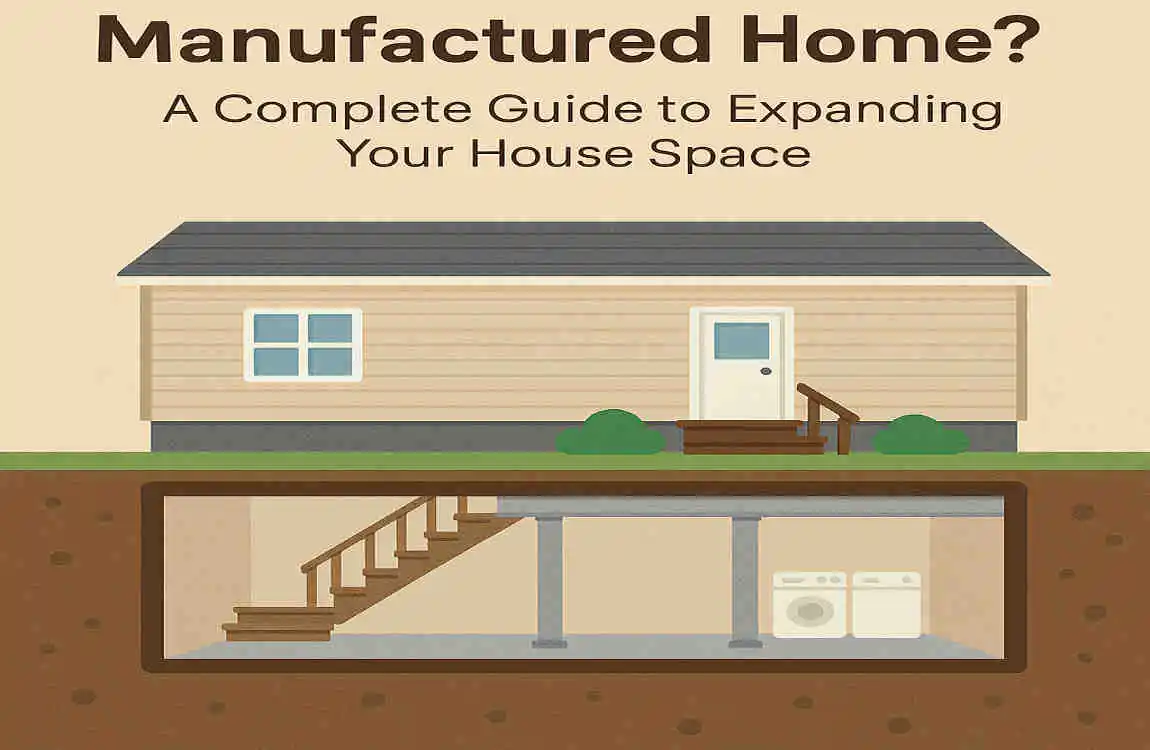
Manufactured homes have become a popular housing choice for many due to their affordability, efficiency, and modern design options. However, one challenge that often arises with these homes is the limited living space. As families grow or storage needs increase, homeowners start exploring ways to expand their home’s functionality.
One of the most effective ways to add space and improve functionality is by adding a basement. A basement not only provides extra square footage but also increases storage capacity and enhances your home’s overall value.
What Is a Manufactured Home?
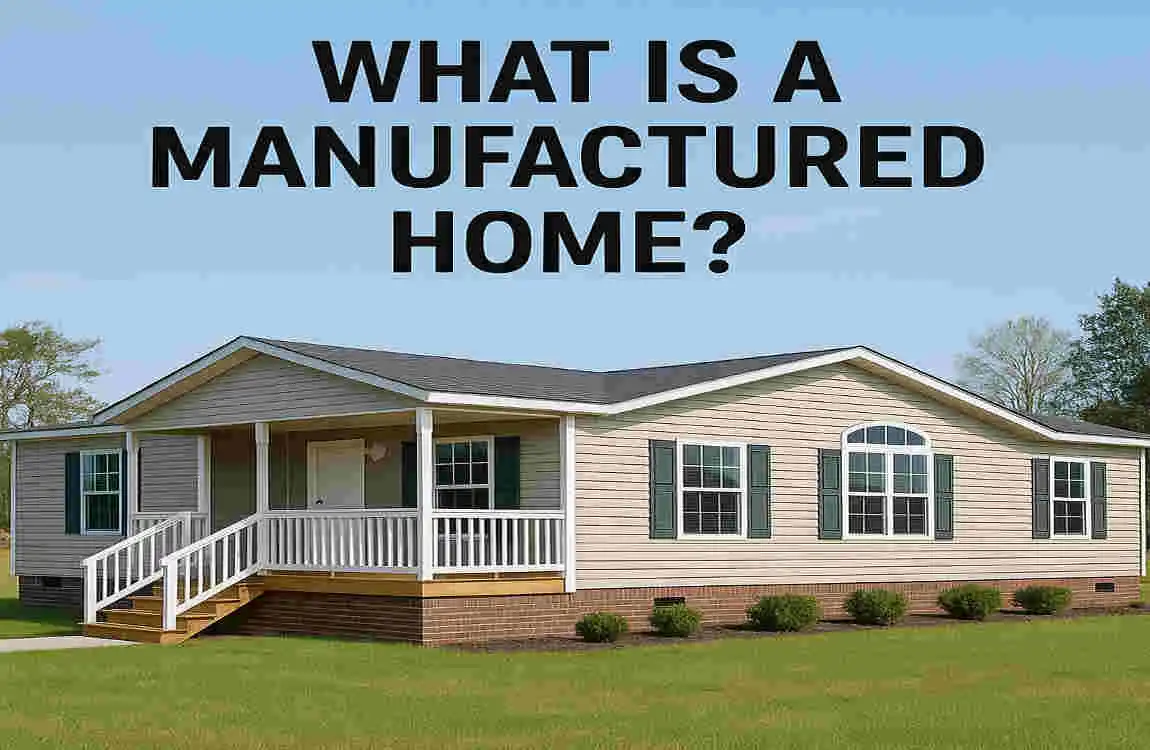
To fully understand the feasibility of adding a basement, let’s first clarify what a manufactured home is and how it differs from other types of housing.
Definition and Characteristics
A manufactured home is a factory-built house that is constructed off-site and then transported to its permanent location for installation. These homes are built according to strict federal standards set by the U.S. Department of Housing and Urban Development (HUD), ensuring safety, durability, and energy efficiency.
Manufactured homes are often confused with modular homes, but the key difference lies in their construction standards. Manufactured homes are built on a permanent steel chassis, making them mobile, while modular homes follow the same construction codes as site-built homes.
Foundation Types Used for Manufactured Homes
The type of foundation under your manufactured home is a critical factor in determining whether you can add a basement. Common foundation types include:
- Pier Foundation: Homes are elevated on piers with open space underneath.
- Slab Foundation: A concrete slab supports the home directly.
- Crawlspace Foundation: A small, enclosed space under the home allows for limited access to utilities.
Why Consider Adding a Basement?
Adding a basement to your manufactured home can be a game-changer. Let’s explore some key reasons why this might be a worthwhile investment.
Extra Living Space
A basement provides additional square footage that can be used as a family room, home office, bedroom, or gym. This is especially valuable for growing families or those who work from home.
Increased Storage Capacity
If you’re tired of clutter or lack storage for seasonal items, a basement is the perfect solution. It offers ample space for storing furniture, tools, and personal belongings.
Boost in Property Value
A finished basement can significantly increase your home’s resale value. Buyers often view basements as a bonus, making your property stand out in the market.
Overcoming Space Limitations
Manufactured homes typically offer limited expansion options due to their construction. Adding a basement lets you maximise the available land without altering the home’s footprint.
Can You Add a Basement to a Manufactured Home?
The short answer is: Yes, you can add a basement to a manufactured home, but it’s not as simple as digging a hole and pouring concrete. Let’s break down the key considerations.
Foundation Type Matters
The type of foundation your home currently sits on plays a significant role in determining feasibility. Homes on pier foundations may require more extensive work compared to those on slab or crawlspace foundations.
Structural Considerations
Manufactured homes are built with specific structural designs. Before adding a basement, you’ll need to assess whether the home’s frame and structure can support the additional weight and stress.
Local Codes and Zoning
Every locality has its own building codes and zoning laws. You’ll need to check with your local authorities to ensure compliance with regulations regarding basement additions.
Types of Basement Foundations for Manufactured Homes
When adding a basement, you’ll need to choose a foundation type that suits your home and property. Here are the main options:
Full Basement
A full basement extends beneath the entire home, providing the most space. It’s ideal if you need significant living or storage space, but it can be the most expensive option.
Pros: Maximum space, potential for multiple uses.
Cons: High cost, longer construction time.
Crawlspace with Finishing Potential
If your home already has a crawlspace, it can be converted or expanded into a functional basement area.
Pros: Often less expensive than a full basement.
Cons: Limited height, not suitable for all uses.
Daylight Basement (Walkout Basement)
A daylight basement is built partially above ground, allowing for windows and direct outdoor access. This option is perfect for homes on sloped lots.
Pros: Natural light, additional entrance.
Cons: Requires specific land conditions.
Basement Type Pros Cons
Full Basement Maximum space, versatile High cost, longer timeline
Crawlspace Conversion: Less expensive, and uses existing space. Limited height, less versatile
Daylight Basement Natural light, outdoor access Land-specific, higher cost
Step-by-Step Process to Add a Basement to a Manufactured Home
Adding a basement to a manufactured home is a complex process that involves several steps. Here’s a detailed breakdown:
Assess Your Home and Land
Start by evaluating whether your property is suitable for a basement addition. Factors like soil type, drainage, and land slope will play a crucial role.
Consult Professionals
Hire a structural engineer and a contractor experienced in working with manufactured homes. They’ll assess the home’s structure and create a viable plan.
Obtain Permits
Work with your contractor to secure the necessary building permits and ensure compliance with local codes.
Excavation and Foundation Preparation
Excavate the ground beneath your home to prepare for the foundation. This step requires heavy machinery and skilled labour.
install the Basement Foundation
Pour and reinforce the concrete foundation. This step is critical to ensure the basement can support the weight of your home.
Manage Utilities and Waterproofing
Relocate utilities, such as plumbing and HVAC systems, as needed. Waterproofing is also essential to prevent moisture issues.
Finish the Interior
Once the foundation is complete, you can finish the basement to match your needs, whether it’s for living space or storage.
Challenges and Considerations
Adding a basement to a manufactured home isn’t without its challenges. Here are some key obstacles and tips to overcome them:
- Engineering Complexities: The mobility and design of manufactured homes can complicate the process.
- Costs: Basement additions can be expensive. Setting a realistic budget is crucial.
- Soil and Weather: Unstable soil or extreme weather conditions can delay construction.
- Insurance Adjustments: Adding a basement may impact your home insurance, so check with your provider.
Alternatives to Adding a Basement
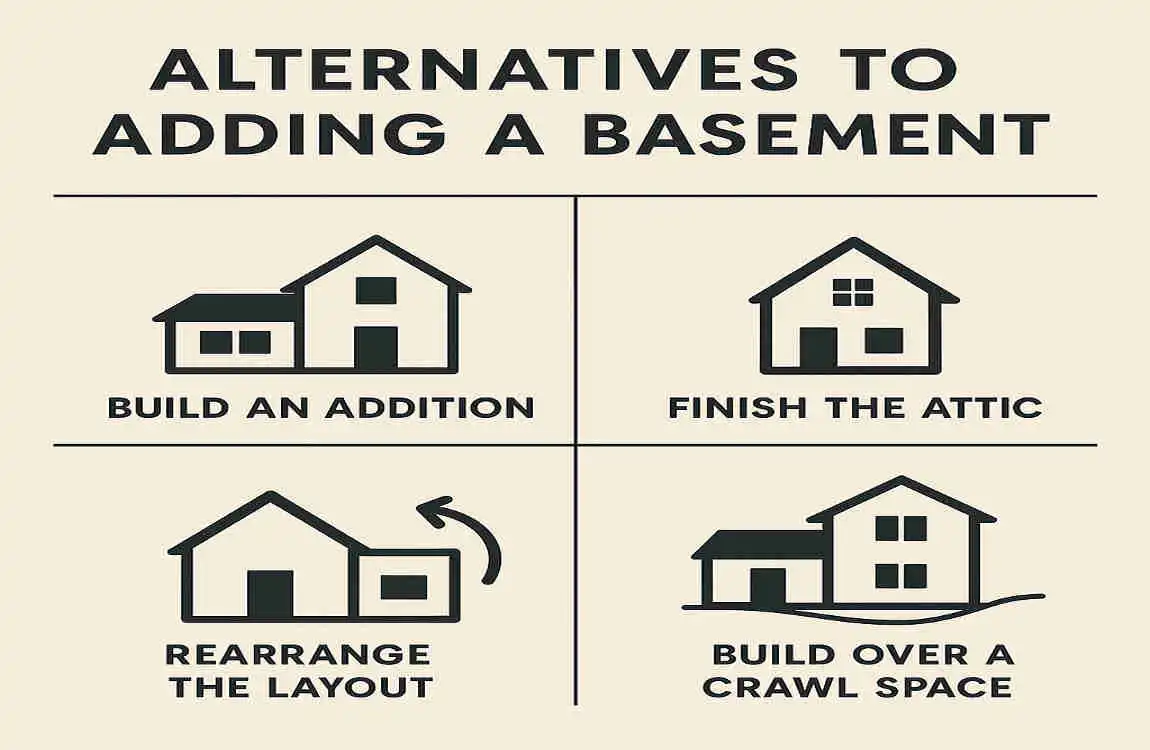
If adding a basement isn’t feasible, consider these alternatives:
- Room Additions: Build an extra room on the side or back of your home.
- Above-Ground Storage: Invest in a shed or storage unit.
- Bump-Outs: Extend a portion of your home outward for more space.
Real-Life Examples and Case Studies
Here’s a real-life example:
Case Study:
The Smith family in Colorado successfully added a walkout basement to their manufactured home. By working with local contractors and ensuring zoning compliance, they gained a 1,200-square-foot basement for a home office and extra bedrooms. The project took six months and increased the value of their home by 30%.
