
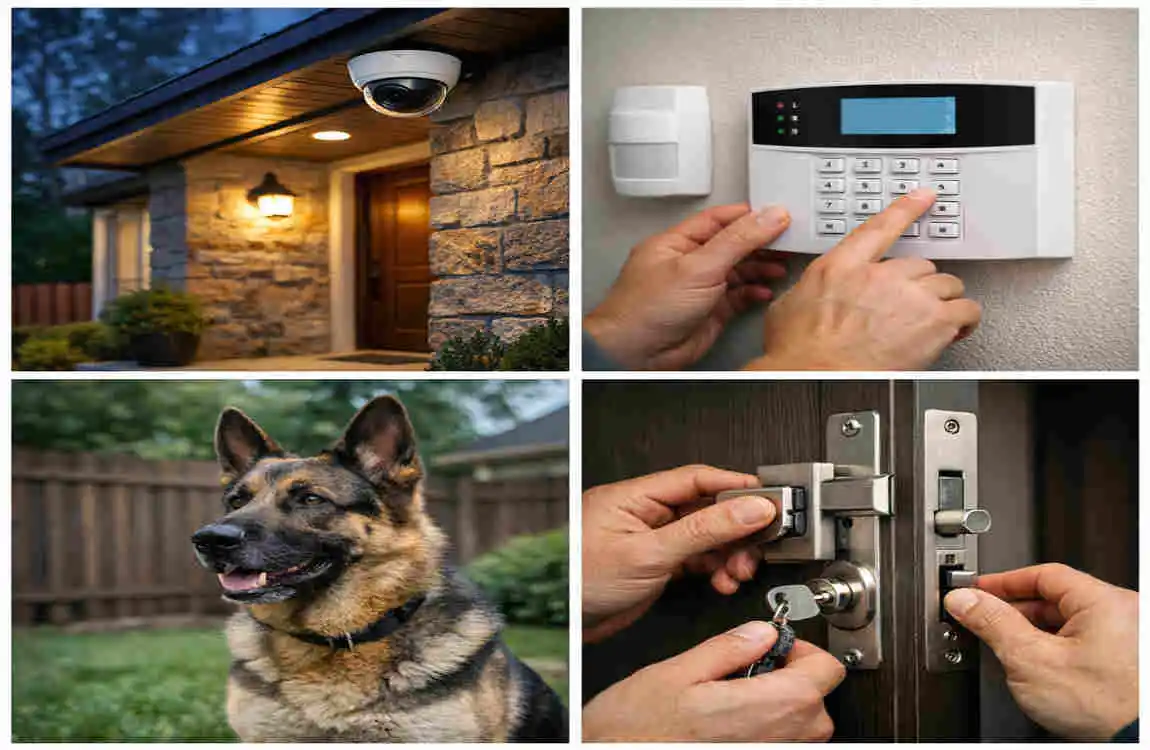
Home security matters because it protects the people and things you care about most. A safe home helps you feel calm, whether you are inside sleeping, at work, or away on a trip.
The most common risks are burglary, package theft, unauthorized entry, and even fire-related dangers. That is why good security is never just one thing. It usually combines strong locks, good lighting, cameras, alarms, and smart habits.
What Is the Best Security for a House?
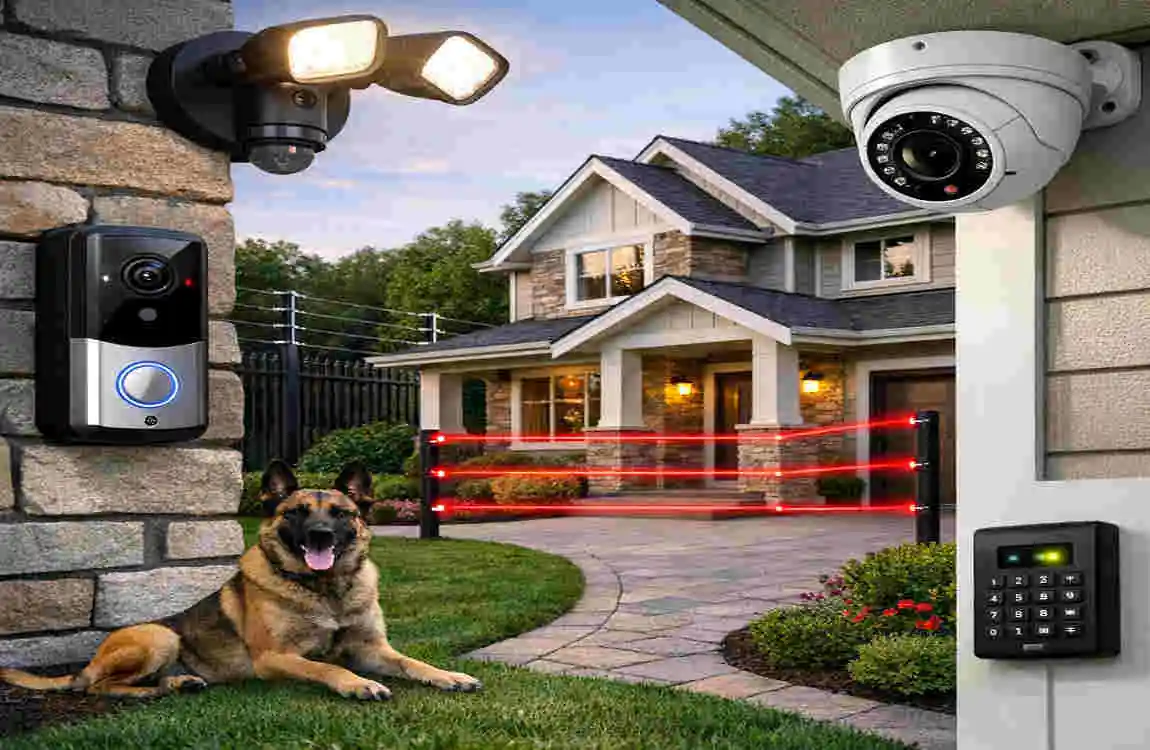
There is no single device that works perfectly for every home. The best home security usually comes from layers of protection working together.
That means your home should have more than one defense. For example, a strong door lock helps, but a camera, a motion light, and an alarm provide additional protection. If one layer fails, another layer is still there.
A small apartment may only need a few smart devices. A larger house may need a full system with cameras and monitoring. Your location, home size, family needs, and budget all play a role in what works best.
Start With Strong Doors and Locks
Your doors are one of the first places to secure. A weak door lock is an easy target.
Focus on:
- Solid exterior doors
- Quality deadbolts
- Reinforced door frames
- Secure sliding doors
A strong lock system is one of the simplest and most effective ways to improve home safety.
Add Security Cameras
Cameras help you see what is happening around your property. They can also make a thief think twice before approaching.
Useful camera types include:
- Doorbell cameras
- Outdoor cameras
- Indoor cameras
Use motion detection and mobile alerts to monitor activity in real time.
Use a Home Alarm System
Alarms add another strong layer of protection. They can alert you when a door or window opens unexpectedly.
Common parts include:
- Door and window sensors
- Motion sensors
- Glass-break sensors
You can choose a DIY system or a professional one, depending on your comfort level and your home’s size.
Essential Home Security Features
Secure Doors and Windows
Doors and windows are the most common weak points in a house. If they are easy to open, your home is easier to enter.
Check that window locks work properly. If possible, use reinforced glass or stronger lock hardware. Do not forget the garage door, since it can also be an entry point.
Improve Outdoor Lighting
Dark areas around a home can create security concerns. Good lighting makes it easier to see movement and reduces hiding spots.
Helpful lighting areas include:
- Front door
- Back door
- Driveway
- Garage
- Side yard
Motion-activated lights are especially useful because they turn on when movement is detected.
Install a Video Doorbell
A video doorbell lets you see who is at your door without opening it. This helps with package protection and visitor monitoring.
It also allows two-way communication, so you can talk to someone even when you are not home. Smartphone alerts make it easier to respond quickly.
Consider Smart Home Security
Smart security tools make your home easier to monitor and control. You can check locks, lights, and cameras from your phone.
Popular smart devices include:
- Smart locks
- Smart lights
- Connected cameras
- Remote monitoring systems
These tools are especially helpful if you travel often or want more control while away.
Best Security System for Different Types of Homes
Home Type Recommended Security
Apartment Smart lock, door sensor, video doorbell
Small house Cameras, alarm, strong locks
Large house Full alarm system, multiple cameras, smart locks
Rental home Portable cameras and sensors
House with garage Garage sensor, camera, reinforced access door
Family home Layered security with alarms and outdoor lighting
Security for Small Homes
If your home is small, focus on the main entry points first. You do not need a huge system to start with.
Affordable smart devices can give you a lot of value. A doorbell camera, basic alarm sensors, and strong locks may be enough to begin.
Security for Large Homes
Larger homes usually have more entrances and blind spots. That means more cameras, sensors, and lighting may be needed.
A professional monitoring system can also be useful if you want faster response and broader coverage.
Security for Rental Properties
If you rent, choose devices that do not require permanent changes. Portable cameras, smart sensors, and removable locks can still provide good protection without affecting the property.
How to Secure Your House Step by Step
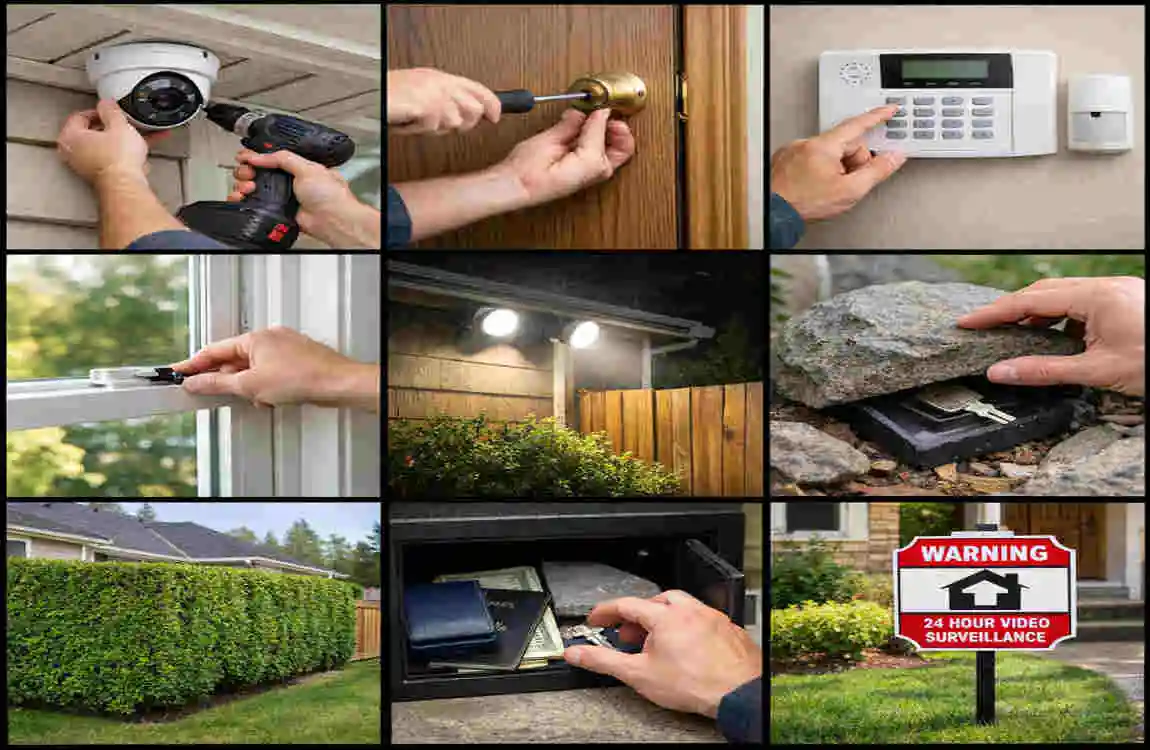
Check All Entry Points
Walk around your home and inspect every possible access point. Look at doors, windows, garage areas, basement entries, and sliding doors.
You may find small problems you never noticed before.
Upgrade Locks
Replace weak or damaged locks as soon as possible. Add deadbolts where needed and make sure door frames are strong.
A secure lock is a basic but important starting point.
Add Exterior Lighting
Install lighting around key areas of your home. Bright entrances make it easier to spot movement and reduce the number of dark hiding spots.
Motion lights work especially well near driveways, side yards, and back doors.
Install Cameras
Cameras should cover important approaches, not just random spots. Place them where they can clearly see doors, driveways, and major walkways.
The goal is coverage, not clutter.
Add an Alarm
Sensors on doors and reachable windows can alert you quickly if something opens unexpectedly. This is especially helpful when you are away or asleep.
Create a Security Routine
Good security also depends on habits.
Remember to:
- Lock doors and windows
- Avoid hiding spare keys outside
- Keep valuables out of sight
- Close the garage properly
- Check devices regularly
Even small habits can make a big difference.
DIY vs. Professional Home Security
Advantages of DIY Security
DIY systems are popular because they are usually:
- Lower in cost
- Easy to install
- Flexible to upgrade
- Controlled through smartphones
This makes them a good fit for smaller homes or people who want a simple setup.
Advantages of Professional Security
Professional systems often include expert installation and monitoring. They may be better for larger homes or families who want extra support.
They can also offer a more complete setup with fewer technical headaches.
Which Option Is Better?
If you want affordability and control, DIY may be best. If you want full coverage and support, professional security may be worth the extra cost.
The best choice depends on your home and your comfort level.
How Much Does Home Security Cost?
Home security costs vary a lot. The price depends on the devices you choose, the size of your home, and whether you want monitoring.
A basic setup may include a few locks, a camera, and a motion light. A more advanced setup may include multiple cameras, sensors, alarms, and professional monitoring.
Keep in mind that the cheapest option is not always the best. Compare features, reliability, and ease of use, not price alone.
Common Home Security Mistakes to Avoid
Many people weaken their own security without realizing it.
Avoid these mistakes:
- Relying on only one security device
- Leaving windows or doors unlocked
- Hiding spare keys outside
- Installing cameras with poor coverage
- Ignoring garage security
- Using weak or repeated passwords
- Skipping device updates
- Forgetting alarm and camera maintenance
A strong system only works well when it is used correctly.
Simple Tips to Make Your House Safer
A few small changes can improve safety right away.
- Keep shrubs and trees trimmed near entry points
- Make the house look occupied when you are away
- Secure packages quickly
- Know your neighbors
- Keep emergency contacts easy to find
- Test security devices regularly
- Avoid sharing travel plans publicly
These habits help support the rest of your security system.
Best Home Security Setup on a Budget
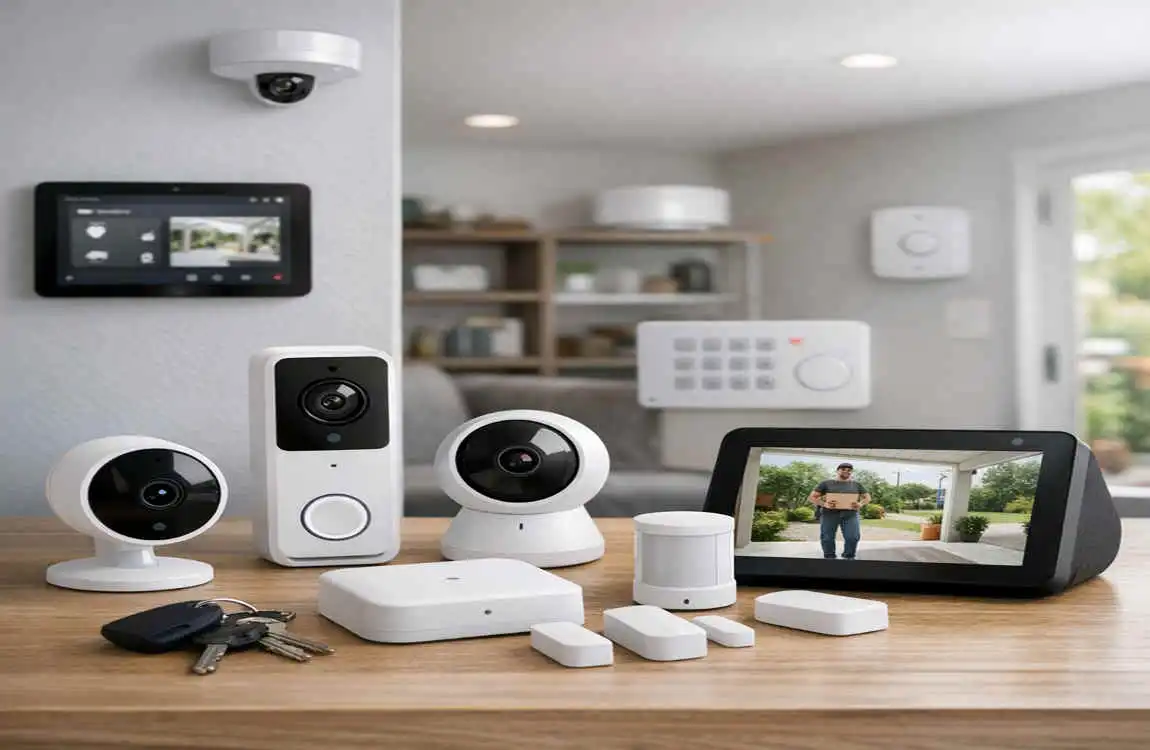
If you want a practical starter plan, begin with these basics:
- Strong exterior door locks
- Motion-activated exterior lighting
- Video doorbell
- Basic door/window alarm sensors
- One or more well-placed cameras
This combination gives you a strong start without making things too expensive.
You can always upgrade later as your needs grow.
FAQ About the Best Security for a House
What is the best security for a house?
The best security for a house is a layered system that combines strong locks, lighting, cameras, alarms, and smart safety habits.
Are security cameras enough to protect a house?
Cameras help a lot, but they are not enough on their own. They work best when paired with locks, lights, and alarms.
Is a home alarm system worth it?
Yes, especially if you want an extra layer of warning when doors or windows open unexpectedly.
What is the most important part of home security?
Securing doors and windows should be the priority because they are the most common entry points.
Should I choose DIY or professional home security?
DIY is good for lower cost and flexibility. Professional systems are better suited to larger homes or to people who want full monitoring.
How many security cameras does a house need?
That depends on the size and layout of the property. Start with key entry points and expand as needed.
| Security Option | Main Benefit | Best For |
|---|---|---|
| Security Cameras | Monitor your property and deter intruders | Overall surveillance |
| Smart Door Locks | Keyless entry and access control | Front and back doors |
| Motion Sensor Lights | Illuminate movement around the home | Dark outdoor areas |
| Alarm System | Alerts you to unauthorized entry | Whole-house protection |
| Strong Door Locks | Makes forced entry more difficult | Exterior doors |
| Window Locks | Helps prevent window break-ins | Ground-floor windows |
| Video Doorbell | Lets you see and communicate with visitors | Front entrance |
