
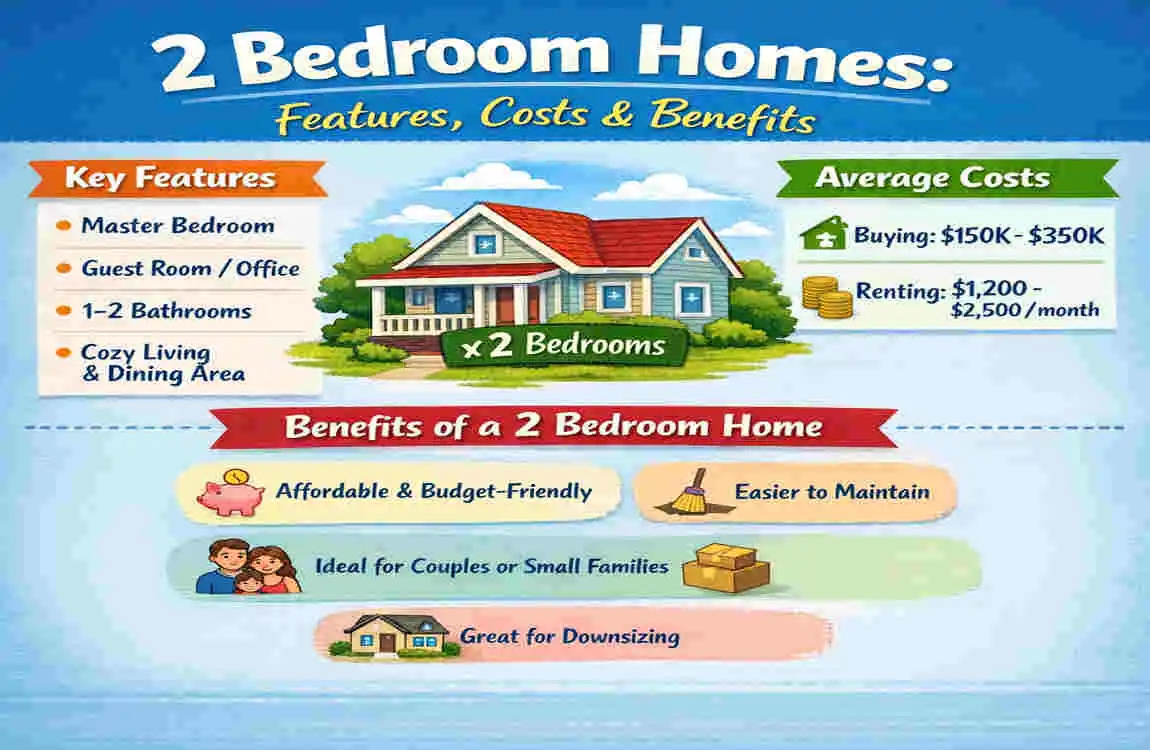
A 2-bedroom home is one of the most practical housing choices for many people. It gives you enough space to live comfortably without the high cost and upkeep of a larger house. That is why it works so well for first-time buyers, couples, small families, retirees, and investors.
What Is a 2 Bedroom Home?
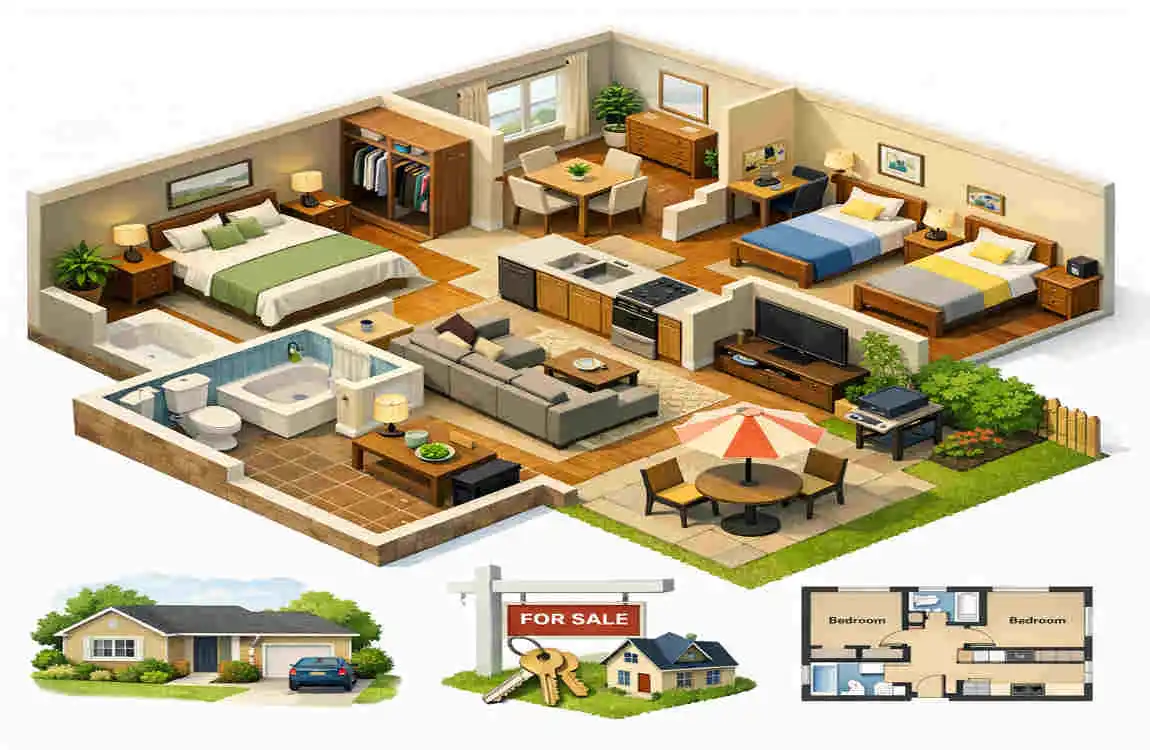
A 2 bedroom home is any house, condo, apartment, or cottage with two separate bedrooms, along with a kitchen, living area, and at least one bathroom. Some homes may have two bathrooms, extra storage, or outdoor space like a porch, balcony, or yard.
Most of these homes range from 700 to 1,500 square feet, depending on the layout and location. Some are compact and simple, while others feel spacious and modern.
The main idea is easy: you get enough room for daily living, guests, or work, but without too much extra space to manage.
Common Features of 2 Bedroom Homes
A two-bedroom home usually includes the basic spaces you need for daily comfort. Some are very simple, while others include extra features that make life easier.
FeatureDescription
Bedrooms Two private bedrooms
Bathrooms 1–2 bathrooms
Living Space Living room and dining area
Kitchen Full-sized or open-concept kitchen
Storage Closets, pantry, or utility room
Outdoor Space Yard, patio, balcony, or porch
Bedrooms
The biggest feature, of course, is the two private bedrooms. One is often used as the main bedroom, while the other can serve many purposes depending on your needs.
This setup gives you flexibility. You can use the second room for family, guests, or work.
Bathrooms
Most 2-bedroom homes have one bathroom, but some have two. Having two bathrooms can make daily life easier, especially if more than two people live in the home.
Even one well-planned bathroom can work well if the layout is smart.
Living and Dining Areas
Many two-bedroom homes include a shared living and dining area. This open setup helps the home feel bigger and more connected.
It also makes everyday routines easier because you can cook, eat, relax, and spend time together in nearby spaces.
Kitchen and Storage
The kitchen is usually full-sized, even in smaller homes. Some homes have closed kitchens, while others use an open-concept design.
Storage is also important. Closets, shelves, pantry space, and utility rooms help keep the home neat and functional.
Outdoor Space
Not every 2 bedroom home has outdoor space, but many do. You may get a small yard, balcony, deck, patio, or front porch.
Even a small outdoor area adds value by giving you a place to relax, grow plants, or enjoy fresh air.
Average Cost of a 2 Bedroom Home
The cost of a 2-bedroom home depends on many factors, including the property’s location, age, size, and condition. A home in a busy city will usually cost much more than a similar home in a rural area.
Home Type Estimated Price
Small Rural Home $100,000–$250,000
Suburban Home $250,000–$500,000
Urban Home $500,000+
Condo or Apartment Varies by city and market
These numbers are only general guides. The final price can vary widely depending on the local market and the features included.
Other Costs to Keep in Mind
When buying a home, the purchase price is only part of the total cost. You also need to think about:
- Property taxes
- Home insurance
- Maintenance and repairs
- Utility bills
- HOA fees, if applicable
A smaller home often keeps these expenses lower, which is one reason many people prefer it.
Benefits of a 2 Bedroom Home
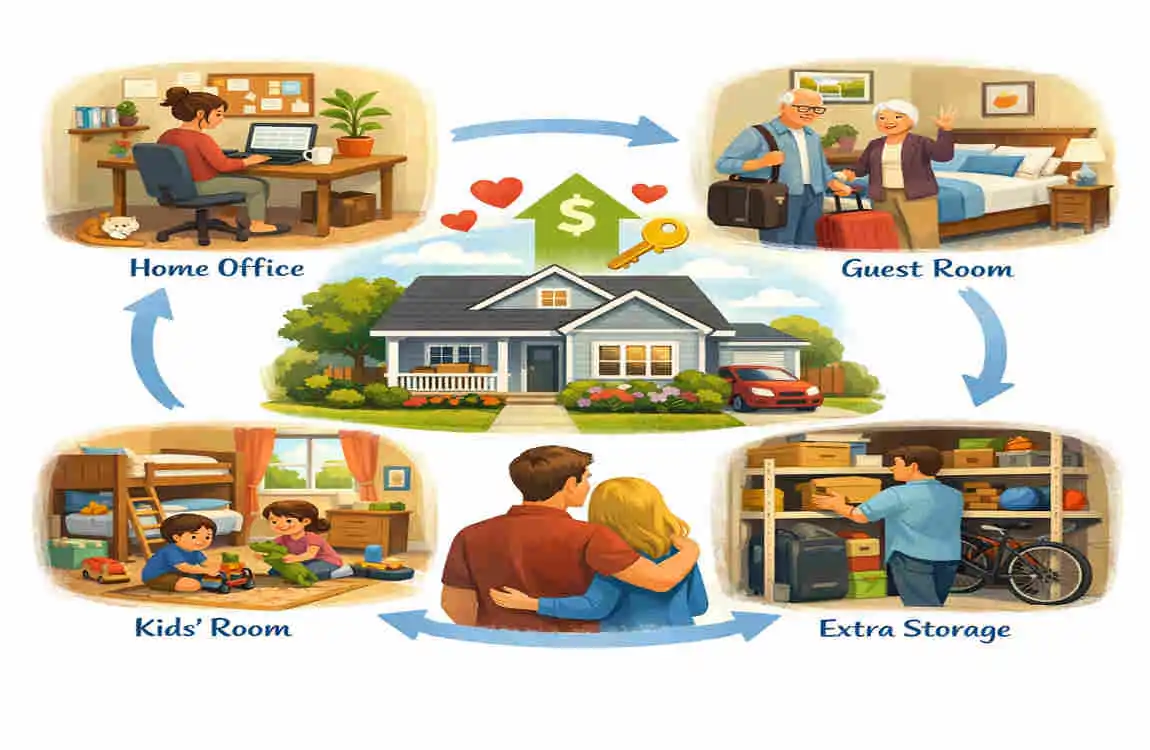
A two-bedroom home offers several important benefits. It is not just about size. It is also about convenience, value, and flexibility.
Affordable Purchase Price
One of the biggest advantages is the lower price. Compared to larger homes, 2-bedroom homes are usually easier to buy and finance.
This makes them a strong choice for people who want to enter the housing market without taking on too much debt.
Lower Maintenance
Smaller homes are easier to care for. You have fewer rooms to clean, fewer surfaces to maintain, and often fewer repairs to handle.
That means less stress and more free time for the things that matter to you.
Energy Efficiency
A smaller house often uses less energy for heating and cooling. That can lower your monthly utility bills.
If you care about saving money over time, this is a major benefit.
Flexible Living Space
The second bedroom gives you options. It can easily become:
- A guest room
- A home office
- A nursery
- A hobby room
- A rental room for extra income
This flexibility makes a two-bedroom home useful for many different stages of life.
Good Investment Potential
Two-bedroom homes are often in high demand. Many buyers and renters look for homes in this size range because they are affordable and practical.
That makes them attractive to real estate investors seeking steady demand and long-term value.
Who Should Buy a 2 Bedroom Home?

A 2 bedroom home works well for many types of buyers. It is especially useful if you want comfort without too much extra space.
It is a great fit for:
- First-time homebuyers
- Couples
- Small families
- Retirees
- Remote workers needing a home office
- Real estate investors
If you fit into one of these groups, a two-bedroom home may be a smart choice for you.
Things to Consider Before Buying
Before you choose a 2-bedroom home, take a moment to think about your long-term needs. What works well today may not work forever.
Think About Space Needs
If your family may grow, you may need extra room later. If you work from home, one bedroom may need to function as an office.
It helps to plan so you do not outgrow the home too quickly.
Look at the Neighborhood
The location matters just as much as the house itself. Check nearby schools, shops, parks, and transportation options.
A good neighborhood can improve your daily life and support the home’s future value.
Review Resale Value
If you plan to sell the home later, consider whether the layout will still appeal to future buyers. A smart layout and a good location usually help.
Check Taxes and Fees
Always look at the full cost, not just the listing price. Property taxes, HOA fees, and insurance can change your monthly budget.
Storage and Parking
A smaller home should still meet your everyday needs. Make sure there is enough storage for your belongings and enough parking for your household.
Why a 2 Bedroom Home Makes Sense
A 2 bedroom home gives you a practical way to live comfortably without going over budget. It is simple, flexible, and often easier to maintain than a larger house.
If you want a smart home that feels manageable but still gives you room to grow, this type of property can be a very smart choice.
Frequently Asked Questions
Are 2 bedroom homes good for families?
Yes. They work well for couples and small families with one child, though larger families may eventually need more space.
How big is a typical 2 bedroom home?
Most 2 bedroom homes range from 700 to 1,500 square feet, depending on the floor plan and location.
Are 2 bedroom homes cheaper to maintain?
Yes. They usually have lower utility bills, maintenance costs, and property taxes than larger homes.
Is a 2 bedroom home a good investment?
Yes. Two-bedroom homes are often popular with both buyers and renters, which makes them a solid investment in many markets.
| Aspect | Details |
|---|---|
| Home Type | Residential home with 2 bedrooms, suitable for small families, couples, or singles. |
| Typical Size | Around 700–1,400 sq. ft. (65–130 sq. m.), depending on the design. |
| Common Layout | 2 bedrooms, 1–2 bathrooms, kitchen, living room, dining area, and laundry space. |
| Average Cost | Typically $150,000–$450,000+, depending on location, materials, and market conditions. |
| Best For | First-time buyers, retirees, couples, roommates, and small families. |
| Key Features | Functional floor plan, lower maintenance, energy-efficient, and flexible room usage. |
| Main Benefits | More affordable than larger homes, lower utility bills, easier cleaning, and reduced maintenance costs. |
| Potential Drawbacks | Limited space for large families, guests, or extensive storage. |
| Popular Styles | Ranch, bungalow, cottage, modern, farmhouse, and tiny home designs. |
| Resale Value | Generally maintains strong demand, especially in urban and suburban housing markets. |
