
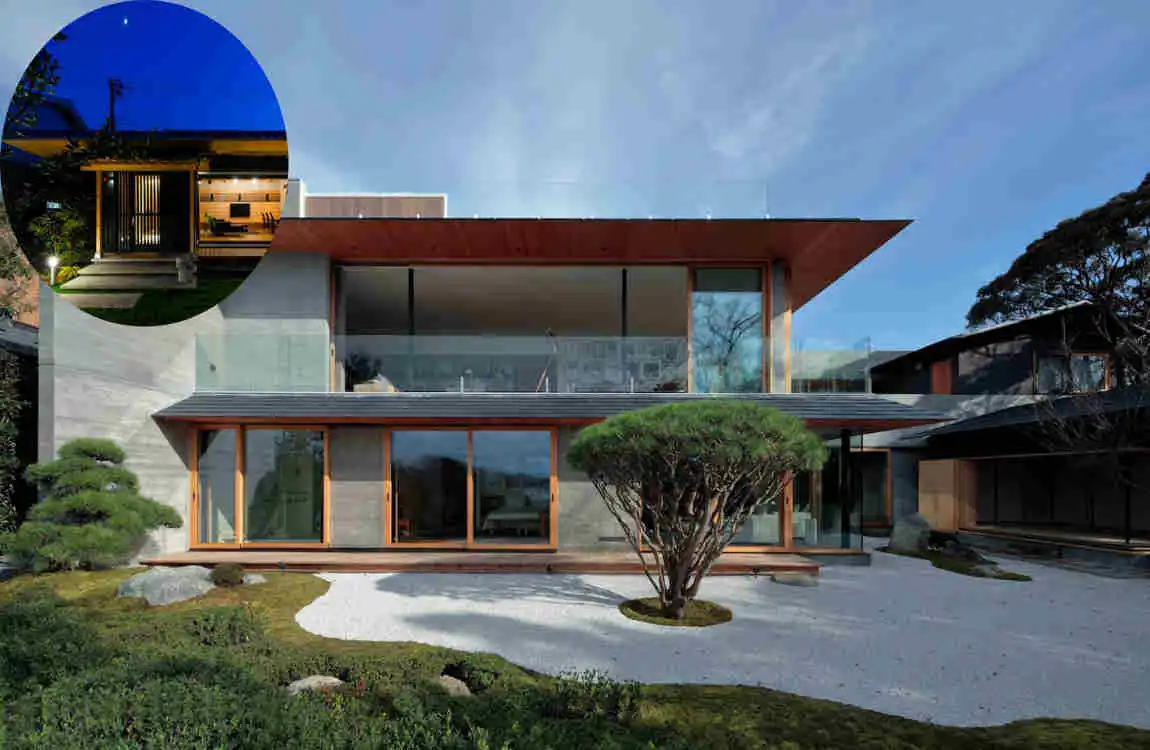
Modern Japanese style homes are becoming increasingly popular because they offer a perfect balance between simplicity, comfort, and natural beauty. These homes are designed around the idea of creating peaceful spaces where people can relax, feel connected to nature, and enjoy a clutter-free lifestyle.
Japanese architecture focuses on minimalism, functionality, and harmony with the environment. Modern designs combine traditional Japanese elements like wood, gardens, and simple layouts with contemporary features such as smart technology, large windows, and energy-efficient solutions.
What Are Modern Japanese Style Homes?
The Concept Behind Japanese Home Design
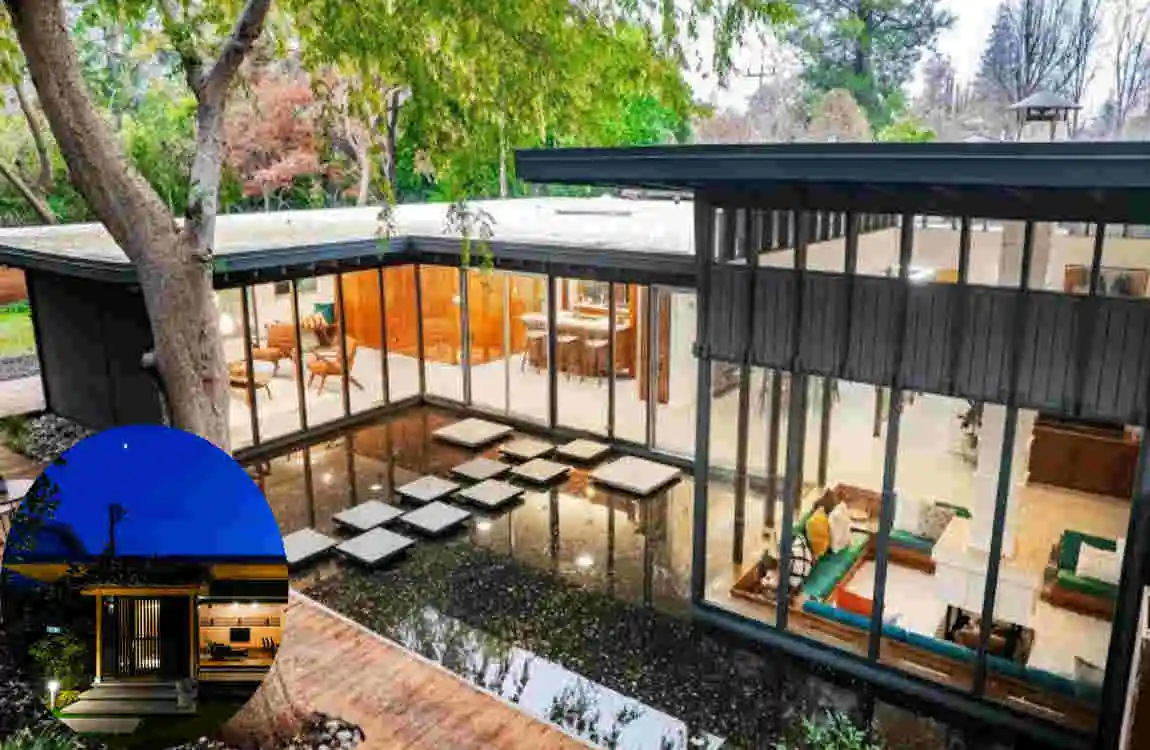
Japanese home design is based on the philosophy of balance, simplicity, and connection with nature. Instead of filling rooms with unnecessary decorations, Japanese architecture focuses on creating spaces where every item has a purpose.
The main principles include:
- Minimalism: Keeping spaces clean and free from clutter.
- Functionality: Designing rooms that are practical and comfortable.
- Natural connection: Bringing outdoor elements inside through plants, light, and materials.
- Balance: Creating harmony between colours, textures, and layouts.
Modern Japanese homes are not only about appearance. They are about creating a peaceful lifestyle where homeowners can enjoy comfort and relaxation.
How Traditional Japanese Homes Influence Modern Designs
Many modern Japanese homes take inspiration from traditional houses. Classic elements are updated to match today’s lifestyles while keeping their original charm.
Common traditional features include:
- Shoji sliding doors made with wood and paper-inspired panels.
- Tatami flooring that adds a natural and traditional feel.
- Wooden structures that create warmth.
- Indoor gardens that bring nature into living areas.
- Low furniture that keeps rooms open and spacious.
These features help create a peaceful atmosphere while adding cultural character.
Why Modern Japanese Homes Are Becoming Popular
Modern Japanese-style homes are gaining attention because they provide many lifestyle benefits.
People choose this style because it offers:
- A calm and relaxing environment.
- Better use of available space.
- Eco-friendly design choices.
- A clean and organised appearance.
- A timeless look that does not quickly become outdated.
Key Features of Modern Japanese Style Homes
Minimalist Exterior Design
The exterior of a modern Japanese home usually features a simple and elegant appearance. Instead of complicated decorations, these homes focus on clean shapes and natural textures.
Common exterior features include:
- Simple geometric designs.
- Straight architectural lines.
- Neutral colors.
- Large windows.
- Wooden or stone finishes.
The goal is to create a home that feels peaceful and welcoming while blending naturally with its surroundings.
Use of Natural Materials
Natural materials play an important role in Japanese architecture. They add warmth, texture, and a connection to the outdoors.
Material Purpose in Japanese Homes
Wood Adds warmth and natural beauty
Stone Creates a strong connection with nature
Bamboo Provides traditional Japanese character
Glass Improves natural lighting and openness
Wood is especially popular because it creates a comfortable and inviting atmosphere.
Open and Functional Floor Plans
Modern Japanese homes often use open layouts to make spaces feel larger. Walls are reduced, and rooms are designed to serve multiple purposes.
Popular ideas include:
- Open living and dining areas.
- Multi-purpose rooms.
- Hidden storage solutions.
- Minimal furniture arrangements.
This approach makes homes easier to maintain and more comfortable for everyday living.
Connection Between Indoor and Outdoor Spaces
One of the most important features of Japanese design is the connection between indoor and outdoor areas.
Homes often include:
- Large glass doors.
- Garden views.
- Small courtyards.
- Outdoor seating areas.
This creates a smooth transition between nature and the living space.
Best Modern Japanese Style Homes Exterior Ideas
Contemporary Wooden Japanese Homes
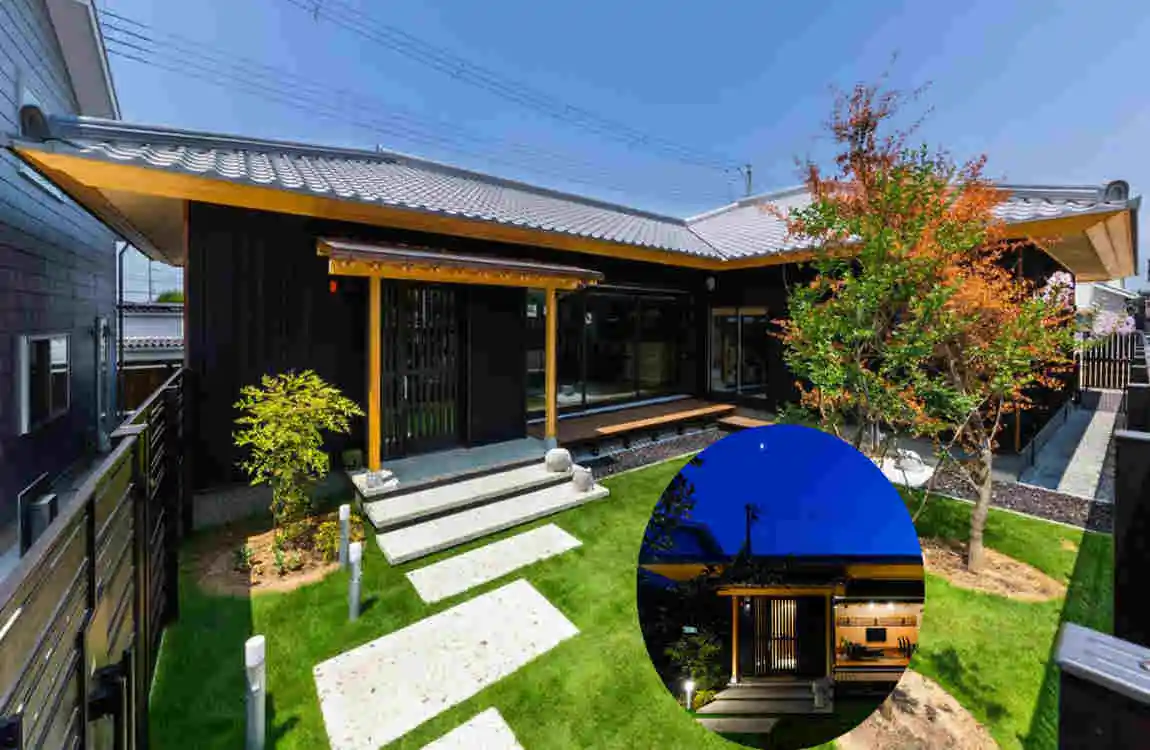
Wooden Japanese homes create a warm and natural appearance. Modern designs often use wooden panels, natural finishes, and simple shapes.
Benefits of wooden designs include:
- A cosy appearance.
- Better connection with nature.
- Sustainable construction options.
- A timeless look.
Wood can be combined with glass and stone to create a modern architectural style.
Modern Japanese Homes with Glass Walls
Glass walls are another popular feature in modern Japanese homes. They allow sunlight to enter and make interiors feel more spacious.
Advantages include:
- More natural light.
- Better views of gardens.
- Open and airy spaces.
- Strong indoor-outdoor connection.
Large windows are especially useful in homes surrounded by beautiful landscapes.
Small Modern Japanese Style Homes
Japanese design works extremely well for small houses. The focus on smart organisation helps homeowners maximise every corner.
Small home ideas include:
- Built-in storage.
- Foldable furniture.
- Compact kitchens.
- Open layouts.
These designs are perfect for urban areas where space is limited.
Two-Story Japanese Modern Houses
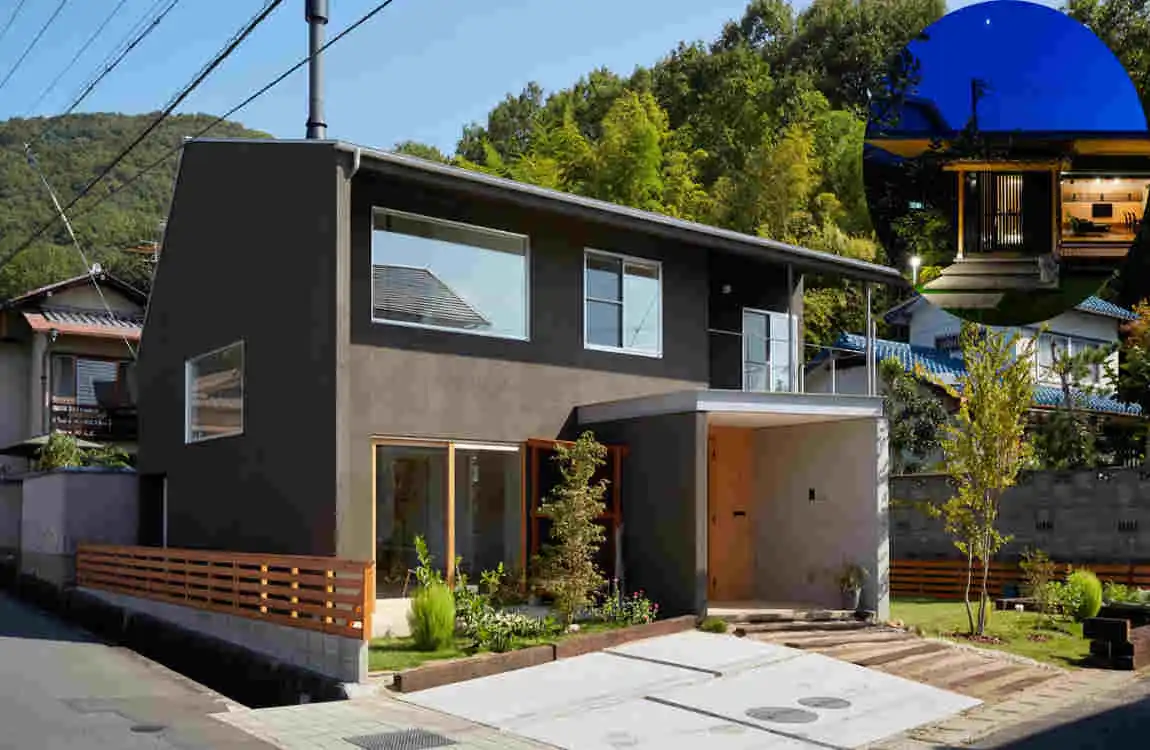
Two-story Japanese homes use vertical space efficiently while maintaining a simple appearance.
Common features include:
- Open balconies.
- Minimal exterior decoration.
- Functional room placement.
- Large windows.
These homes provide more living space without requiring a large property.
Modern Japanese Style Home Interior Design Ideas
Japanese Minimalist Living Rooms
A Japanese-inspired living room focuses on comfort and simplicity.
Important elements include:
- Low-profile furniture.
- Wooden flooring.
- Soft neutral colours.
- Simple decorations.
- Natural lighting.
The goal is to create a relaxing area without unnecessary items.
Japanese-Inspired Kitchens
Modern Japanese kitchens combine beauty with efficiency.
Popular features include:
- Clean cabinets.
- Natural wood finishes.
- Hidden storage.
- Modern appliances.
- Organised countertops.
A simple kitchen design makes cooking easier and keeps the home looking neat.
Japanese Style Bedrooms
Japanese bedrooms focus on creating a peaceful sleeping environment.
Common features include:
- Simple bedding.
- Soft colors.
- Natural fabrics.
- Minimal furniture.
The design encourages relaxation and comfort.
Modern Japanese Bathrooms
Japanese bathrooms often feel like personal spa spaces.
Popular ideas include:
- Wooden accents.
- Natural stone.
- Soaking tubs.
- Soft lighting.
- Simple layouts.
These features create a calming experience at home.
Popular Colour Schemes for Modern Japanese Style Homes
Japanese homes usually use natural and calming colours.
Neutral Colors
Common shades include:
- White
- Beige
- Gray
- Soft brown
These colours make rooms feel bright, peaceful, and spacious.
Natural Earth Tones
Earth-inspired colours help create a connection with nature.
Popular choices include:
- Green shades.
- Sand colors.
- Warm wood tones.
Black and Wood Combination
Black accents combined with wood create a modern luxury appearance.
This combination adds:
- Strong contrast.
- Elegant style.
- Contemporary appeal.
Color StyleDesign Effect
White and beige Bright and peaceful
Wood tones Warm and natural
Black accents Modern and elegant
Japanese Landscaping Ideas for Modern Homes
Zen Gardens
Zen gardens are an important part of Japanese design. They create peaceful outdoor spaces for relaxation.
Common elements include:
- Rocks.
- Water features.
- Plants.
- Meditation areas.
A simple garden can make any home feel more connected to nature.
Indoor Green Spaces
Plants are often used inside Japanese homes to create freshness.
Ideas include:
- Indoor plants.
- Small courtyard gardens.
- Green corners near windows.
These features improve the atmosphere and add natural beauty.
Small Japanese Garden Ideas
Even small spaces can include Japanese landscaping.
Simple ideas include:
- Stone pathways.
- Minimal plants.
- Small water features.
- Wooden seating areas.
Sustainable Features in Modern Japanese Style Homes
Japanese design naturally supports sustainable living.
Common eco-friendly features include:
- Energy-efficient windows.
- Natural ventilation.
- Solar panels.
- Sustainable materials.
- Water-saving systems.
These features reduce energy use and create a healthier living environment.
Benefits of Choosing Modern Japanese Style Homes
Peaceful Living Environment
Japanese homes reduce visual clutter and create relaxing spaces. A clean environment can make daily life feel more comfortable.
Better Space Utilisation
This style works well for both small and large houses because every area is carefully planned.
Timeless Design Appeal
Minimal designs remain attractive for many years because they focus on quality rather than temporary trends.
Improved Connection With Nature
Large windows, gardens, and natural materials help homeowners feel closer to the outdoors.
Tips to Create Your Own Modern Japanese Style Home
Follow these simple ideas:
- Choose simple and functional furniture.
- Use natural materials like wood and stone.
- Avoid excessive decorations.
- Add plants and greenery.
- Focus on natural lighting.
- Create organised storage spaces.
Small changes can help transform your home into a peaceful Japanese-inspired space.
Common Mistakes to Avoid in Japanese Home Design
Avoid these common mistakes:
- Adding too many decorations.
- Using artificial-looking materials.
- Ignoring functionality.
- Creating dark interiors.
- Mixing too many design styles.
Japanese design works best when simplicity and balance remain the main focus.
FAQ About Modern Japanese Style Homes
What Makes Modern Japanese Style Homes Unique?
Modern Japanese style homes are unique because they combine minimalism, natural materials, functional layouts, and harmony with nature.
Are Modern Japanese Homes Good for Small Spaces?
Yes, they are excellent for small spaces because they use smart layouts, storage solutions, and efficient designs.
What Materials Are Commonly Used in Japanese Style Homes?
Wood, bamboo, stone, glass, and natural fabrics are commonly used.
How Can I Make My Home Look Japanese Style?
Use neutral colours, simple furniture, natural materials, indoor plants, and organised spaces.
Are Modern Japanese Style Homes Expensive to Build?
The cost depends on size, materials, and design choices. Simple designs can be affordable, while luxury versions may cost more.
Do Japanese Homes Focus on Sustainability?
Yes, many Japanese homes focus on energy efficiency, natural ventilation, and eco-friendly materials.
| Modern Japanese Style Home Idea | Key Features | Why It Works |
|---|---|---|
| Minimalist Zen Home Design | Clean lines, simple furniture, neutral colors, open spaces | Creates a calm and peaceful living environment |
| Wood and Natural Material Homes | Use of timber, bamboo, stone, and natural textures | Brings warmth and a connection with nature |
| Indoor-Outdoor Living Design | Large glass doors, gardens, patios, and courtyards | Allows natural light and fresh air to flow inside |
| Modern Japanese Tiny Homes | Compact layouts, smart storage, multifunctional spaces | Maximizes comfort in small areas |
| Japanese Courtyard Homes | Private gardens, water features, and peaceful outdoor spaces | Adds privacy and a relaxing atmosphere |
| Open Floor Plan Homes | Flexible rooms, fewer walls, spacious interiors | Makes homes feel larger and more functional |
| Traditional Meets Modern Style | Sliding doors, tatami-inspired areas, modern finishes | Combines Japanese heritage with contemporary living |
| Black and Wood Exterior Homes | Dark siding, wooden accents, simple architecture | Creates a stylish and modern appearance |
| Eco-Friendly Japanese Homes | Energy-efficient designs, natural ventilation, sustainable materials | Supports comfortable and environmentally friendly living |
| Modern Japanese Luxury Homes | High-quality materials, smart technology, elegant interiors | Offers a sophisticated and peaceful lifestyle |
