Close Menu

    Subscribe to Updates

    Get the latest creative news from FooBar about art, design and business.

    What's Hot

    Justin Trudeau’s Rideau Cottage: Inside His Official PM House Tour

    April 4, 2026

    7 House Types of Architecture Explained: From Residential to Industrial Designs

    April 4, 2026

    Are Mobile Home Toilets Different from House Ones? Key Facts Homeowners

    April 3, 2026
    Facebook X (Twitter) Instagram
    Facebook X (Twitter) Instagram
    Crazzy Homes
    Button
    • HOME
    • HOME IMPROVEMENT
      • HOME DECOR
      • ARCHITECTURE
      • FURNITURE
      • FLOORING
      • CLEANING
      • INTERIOR
        • BEDROOM
        • BATHROOM
        • DOORS
        • WINDOW
      • EXTERIOR
        • GARDENING
    • CELEBRITY HOME

      Justin Trudeau’s Rideau Cottage: Inside His Official PM House Tour

      April 4, 2026

      Bart Scott House in Morristown: Inside the Former NFL Star’s Luxury New Jersey Home

      April 1, 2026

      Inside Chip Ganassi’s Luxe Fox Chapel Mansion: Racing Tycoon’s $5M Home Tour

      April 1, 2026

      Bill Rancic’s Luxurious House: Inside the Apprentice Star’s Chicago Mansion Tour

      March 31, 2026

      Bryan Adams’ Stunning Paris Carriage House: Inside the Rockstar’s Île Saint-Louis Retreat

      March 31, 2026
    • Real Estate
    • PLUMBING
    • KITCHEN
      • APPLIANCES
    • LIFE STYLE
    Crazzy Homes
    Home » 7 House Types of Architecture Explained: From Residential to Industrial Designs
    ARCHITECTURE

    7 House Types of Architecture Explained: From Residential to Industrial Designs

    Stella VictoriaBy Stella VictoriaApril 4, 2026No Comments18 Mins Read
    Facebook Twitter Pinterest LinkedIn Tumblr Email
    7 House Types of Architecture Explained
    Share
    Facebook Twitter LinkedIn Pinterest Email

    Ever wondered what the 7 different types of architecture are that shape our homes, our neighborhoods, and our sprawling cities? You interact with these diverse structures every single day, often without even realizing the distinct design principles at play.

    Think about it. When you leave your cozy home, stop by a modern office building, and later take a relaxing stroll through a beautifully planned city park, you are experiencing the grand evolution of human design. House architecture has journeyed an incredibly long way. We have transitioned from the simple, ancient stone dwellings of our ancestors to the incredibly sleek, hyper-connected spaces that dominate the market in 2026.

    Understanding these core architectural categories is no longer just for professional builders or history buffs. If you are a homeowner looking to renovate, a buyer searching for your dream property, or a business owner planning a new workspace, grasping these concepts is absolutely vital. Today’s fast-paced world demands structures that are not only beautiful but also highly sustainable and functional.

    When you know exactly what options exist, you make much smarter investments. You can better communicate your vision to contractors. You can align your personal lifestyle with the physical walls that surround you.

    Table of Contents

    Toggle
    • Why Architecture Types Influence Modern House Design
    • Residential Architecture: Homes for Everyday Living
      • Key Features and Characteristics
      • Famous Examples and Modern Twists
      • Pros, Cons, and  Applications
    • Commercial Architecture: Functional Spaces for Business
      • Defining Elements
      • Iconic Case Studies
      • Trends and Business Benefits
    • Landscape Architecture: Blending Houses with Nature
      • Core Principles
      • Innovative Examples
      • Sustainable Integration
    • Interior Architecture: Inside the House Walls
      • Design Fundamentals
      • Residential vs. Other Applications
      • Smart Tech Trends
    • Urban Design Architecture: City-Scale House Planning
      • Urban vs. Rural Focus
      • Global Examples
      • Challenges and Solutions
    • Green Architecture: Eco-Friendly House Types
      • Sustainable Materials and Tech
      • Leading Projects
      • Cost Savings for Businesses
    • Industrial Architecture: Robust Designs for Heavy Use
      • Structural Strengths
      • Adaptive Reuse Examples
      • Modern Industrial Homes
    • Comparing the 7 Different Types of Architecture
    • How to Choose the Right Architecture Type for Your Project
    • FAQ
      • What are the exact 7 types of architecture?
      • Which of these 7 types is best for building my dream house?
      • What does “Green architecture” mean for modern homes?
      • Can I use “Industrial” design inside a regular residential house?
      • Why should I care about “Landscape architecture” if I just want a house?

    Why Architecture Types Influence Modern House Design

    7 House Types of Architecture Explained

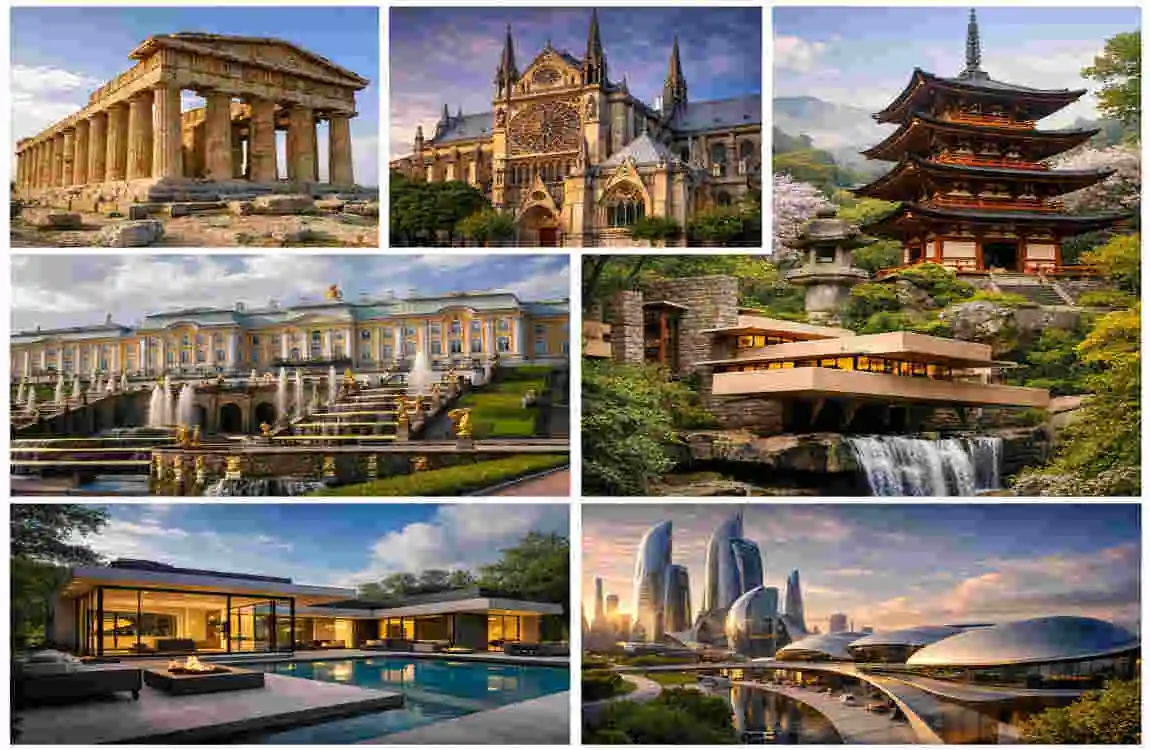
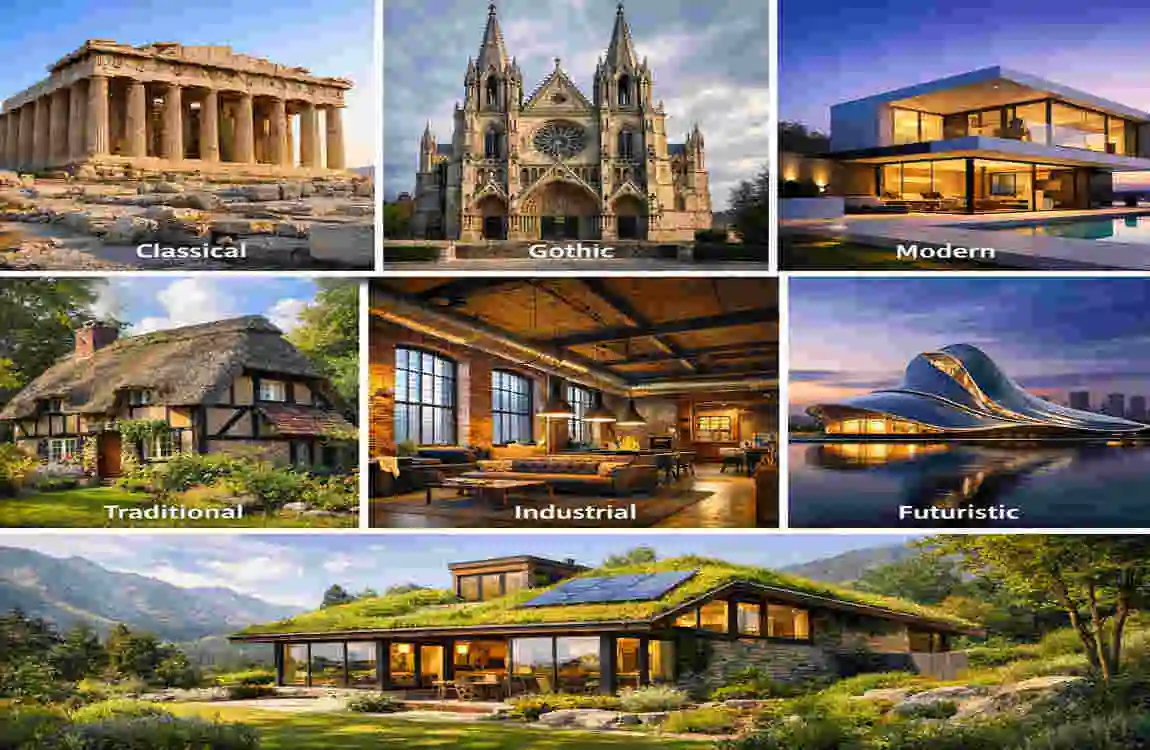
    Before we jump into our main list, we need to talk about why these categories matter so much to your daily life. Historically, architectural styles were defined by grand, sweeping movements. You might picture the imposing stone columns of Classical Greek temples or the dramatic, pointed arches of towering Gothic cathedrals.

    Over centuries, these heavily decorative styles slowly evolved into highly practical, functional categories. Today, architects focus less on strict historical replication and much more on how a space actually serves the people living or working inside it. They ask themselves: How does the light flow? How does the building handle a growing family? How does the structure impact the local environment?

    As we navigate 2026, several massive trends are actively reshaping all 7 types of architecture. Sustainability is no longer an optional add-on; it is a mandatory baseline. We are seeing a massive surge in smart home integrations, modular builds that assemble in weeks instead of months, and eco-friendly materials that drastically lower utility bills.

    These modern demands heavily influence how we design and categorize buildings. For instance, a traditional family home now often incorporates elements of green architecture right from the blueprint stage.

    From a business perspective, our design company leverages these exact categories to deliver flawless client projects. We help you explore the 7 different types of architecture to choose the best house design for your specific lifestyle and budget. When you understand the blueprint, you control the outcome.

    Residential Architecture: Homes for Everyday Living

    When most people think about architecture, this is the very first category that comes to mind. Residential designs focus entirely on creating comfortable, safe, and highly livable spaces for individuals and families.

    Key Features and Characteristics

    The absolute primary goal of residential architecture is everyday human comfort. Architects design these spaces to support the private, daily routines of life—sleeping, cooking, relaxing, and raising families.

    You will find a massive variety of structures within this single category. It includes traditional single-family homes sitting on spacious suburban lots. It also covers sprawling apartment complexes, cozy duplexes, and multi-level townhouses.

    The key characteristics almost always include a clear separation between public areas (such as living rooms and kitchens) and private areas (such as bedrooms and bathrooms). In 2026, we also see a huge emphasis on creating multi-functional spaces, where a spare bedroom easily transitions into a professional home office.

    Famous Examples and Modern Twists

    Looking back in time, Victorian row houses stand out as iconic examples of residential architecture. They featured highly ornate woodwork, steep rooflines, and narrow, vertically stacked layouts designed for dense city living.

    Today, we see fascinating modern twists on these classic house architecture types. The contemporary minimalist bungalow is currently taking the real estate market by storm. These modern homes strip away the heavy, ornate decorations of the past.

    Instead, they favor clean, straight lines, massive floor-to-ceiling windows, and completely open floor plans. This modern twist allows natural light to flood the home, making even a modestly sized house feel incredibly expansive and welcoming.

    Pros, Cons, and  Applications

    Why choose a standard residential build? The biggest advantage is personalization. You have total control over the layout, the paint colors, and the landscaping. They are also incredibly ideal for family expansions, allowing you to add a new room or finish a basement as your family grows.

    On the downside, standalone residential homes often require significant ongoing maintenance. You alone are responsible for the roof, the plumbing, and the yard work.

    However, in 2026, new residential applications are making homeownership much easier. We see a significant rise in affordable, modular residential homes that offer high-end aesthetics at a fraction of the cost of traditional construction, making homeownership a reality for a new generation.

    Commercial Architecture: Functional Spaces for Business

    While residential architecture focuses on private comfort, commercial architecture is all about the public hustle. This category encompasses the buildings where we conduct business, shop for goods, and spend our economic energy.

    Defining Elements

    Commercial architecture relies heavily on functionality, safety, and brand identity. These structures include towering office buildings, expansive retail stores, luxury hotels, and busy shopping malls.

    When an architect designs a commercial space, they must prioritize traffic flow above almost everything else. They need to ensure that hundreds, or even thousands, of people can easily navigate the building without creating frustrating bottlenecks.

    Furthermore, commercial buildings must adhere to incredibly strict safety codes, fire regulations, and accessibility standards. They also serve as a physical representation of a company’s brand, meaning the exterior design often needs to be striking and memorable.

    Iconic Case Studies

    If you want to see commercial architecture at its absolute peak, look no further than the iconic skyscrapers that define our global cities. The Burj Khalifa in Dubai stands as a monumental case study.

    While it holds the title of the world’s tallest building, it is also a masterclass in commercial adaptation. It houses luxury corporate suites, high-end retail spaces, and a world-renowned hotel.

    The architects had to solve massive engineering challenges to ensure the building could withstand extreme wind forces while still providing a comfortable, luxurious experience for the businesses operating thousands of feet in the air.

    Trends and Business Benefits

    The corporate world has changed dramatically, and commercial architecture is shifting rapidly to keep up. In 2026, the rigid, cubicle-heavy office spaces of the past are completely obsolete.

    Today’s trends heavily favor open-plan layouts designed specifically for hybrid work models. Businesses want flexible spaces with collaborative lounge areas, soundproof pods for remote video calls, and plenty of natural light to boost employee morale.

    Investing in high-quality commercial architecture offers massive business benefits. A well-designed office improves worker productivity, while a stunning retail storefront naturally attracts more foot traffic. If you want to see how this works in practice, you can always check out our recent commercial project portfolios to see these open-concept designs in action.

    Landscape Architecture: Blending Houses with Nature

    Architecture does not stop at the front door. Landscape architecture is the beautiful, delicate art of designing outdoor spaces that harmonize perfectly with the built environment around them.

    Core Principles

    Many people mistakenly believe landscape architecture is just planting a few bushes or mowing a lawn. In reality, it is a highly complex design discipline. It focuses on shaping the land’s natural topography, managing water drainage, and selecting appropriate plant species for the local climate.

    The core principles involve creating outdoor spaces that extend a home’s living area. Landscape architects design everything from massive public city parks and botanical gardens to intimate, private backyard patios.

    They work diligently to blur the harsh lines between the rigid, artificial house and the soft, organic beauty of nature.

    Innovative Examples

    One of the most innovative and celebrated examples of landscape architecture in the modern world is the High Line in New York city.

    Architects and city planners transformed an abandoned, elevated, rusting railway track into a stunning public park. It weaves directly through the dense urban buildings, providing city dwellers with a peaceful, green escape elevated above the noisy traffic.

    This project proved that nature and dense urban architecture can coexist beautifully, sparking a global movement to integrate more green spaces directly into our concrete jungles.

    Sustainable Integration

    As we look at the trends dominating 2026, sustainable integration is leading the charge in landscape architecture. Homeowners no longer want massive, thirsty lawns that require endless watering and chemical fertilizers.

    Instead, they are opting for eco-friendly yards. This involves xeriscaping—using drought-resistant native plants that thrive naturally without extra water. We also see a massive increase in residential rain gardens that naturally filter stormwater.

    By beautifully integrating these sustainable outdoor features, you drastically reduce your environmental footprint while simultaneously skyrocketing the overall aesthetic and financial value of your house.

    Interior Architecture: Inside the House Walls

    You might assume that once the exterior walls go up, the architect’s job is finished. However, interior architecture is an entirely distinct and crucial discipline that focuses on the structural design of a building’s interior.

    Design Fundamentals

    Please do not confuse interior architecture with interior decorating. A decorator chooses the sofa fabric and the wall paint. An interior architect, on the other hand, manipulates the physical space itself.

    Their design fundamentals revolve around space optimization, structural flow, and permanent material choices. They decide where the interior load-bearing walls should go, how the staircases flow from one floor to the next, and how natural sunlight travels through the interior corridors.

    They also focus heavily on custom, built-in materials. They select the permanent fixtures, the flooring types, and the ceiling structures that give a room its fundamental character before a single piece of furniture ever enters the space.

    Residential vs. Other Applications

    Interior architecture plays a massive role in both residential and commercial settings, but the goals differ wildly.

    In a commercial setting, an interior architect might design a grand, imposing hotel lobby to impress guests the moment they walk through the revolving doors.

    In a residential home, the focus shifts toward intimate functionality. A perfect example is the custom kitchen. Interior architects will meticulously design the workflow between the sink, the stove, and the refrigerator. They will tear down non-load-bearing walls to merge the kitchen seamlessly into the living room, creating the open-concept environments that modern families desperately crave.

    Smart Tech Trends

    The biggest revolution in interior architecture right now is the seamless integration of invisible technology. In 2026, smart tech is no longer just a gadget sitting on a counter; it is built directly into the very bones of the house.

    We are seeing interior designs that feature fully voice-controlled environments. You can walk into a room and use a simple voice command to dim the lights, lower the window shades, and adjust the ambient temperature.

    Interior architects now actively design hidden wall cavities to conceal massive wiring hubs, ensuring that the home remains a technological powerhouse while maintaining a sleek, minimalist, and clutter-free aesthetic.

    Urban Design Architecture: City-Scale House Planning

    What happens when you need to design not just one single house, but thousands of them? That is where the massive, macro-level scale of urban design architecture comes into play.

    Urban vs. Rural Focus

    Urban design is the complex process of designing entire neighborhoods, city grids, and metropolitan districts. It zooms out far beyond a single building lot.

    In rural architecture, the focus is often on isolating a home in nature, utilizing massive plots of land, and connecting to distant utilities. In stark contrast, urban design focuses entirely on managing high-density housing clusters.

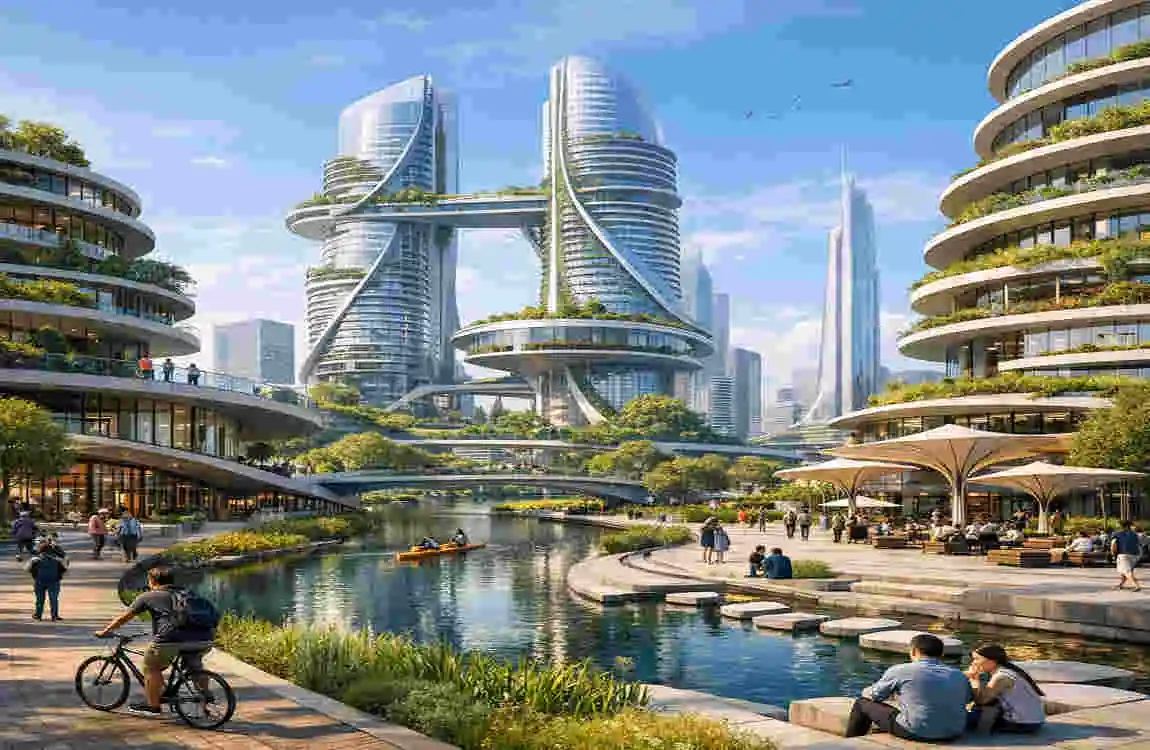
    Urban architects must figure out how to pack thousands of people into a tight geographical area without making the environment feel chaotic or claustrophobic. They plan street layouts, the placement of public transit hubs, and the integration of community green spaces.

    Global Examples

    If you want to witness urban design architecture executed with absolute brilliance, you must look at Singapore.

    Faced with a rapidly growing population and severely limited land, Singapore completely reimagined high-density living. Their Housing & Development Board (HDB) flats are a global masterclass in urban planning.

    Instead of building depressing, concrete blocks, they designed massive, beautiful residential towers that incorporate community gardens, open-air food courts, and seamless connections to a world-class subway system. They created vertical neighborhoods that foster a deep sense of community, proving that dense urban living can be highly desirable when planned correctly.

    Challenges and Solutions

    Urban design is incredibly difficult because you are dealing with millions of competing variables. Traffic congestion, pollution, and housing affordability are constant, daily battles.

    One of the primary solutions urban architects use is smart zoning. By implementing mixed-use zoning, cities can build neighborhoods where residential apartments sit directly above ground-floor grocery stores and retail shops.

    This drastically reduces the need for cars, creating walkable, livable cities where residents have everything they need right outside their front doors.

    Green Architecture: Eco-Friendly House Types

    As global awareness regarding climate change peaks, green architecture has rapidly evolved from a niche alternative into one of the most important architectural categories of our time.

    Sustainable Materials and Tech

    Green architecture—often called sustainable architecture—focuses on minimizing the negative environmental impact of buildings. This involves a total rethink of how we source materials and consume energy.

    Architects in this field prioritize locally sourced, recycled, or highly renewable building materials, such as reclaimed wood, recycled steel, and sustainable bamboo.

    However, it is in technology that green architecture truly shines. These eco-friendly house architecture types utilize massive solar panel arrays to generate their own electricity. They also employ passive cooling techniques—strategically placing windows and roof overhangs to capture breezes and block the harsh summer sun naturally —drastically reducing the need for power-hungry air conditioning systems.

    Leading Projects

    If you want to see the future of green architecture, look no further than the Bullitt Center in Seattle, Washington. It is frequently called the “greenest commercial building in the world.”

    This incredible structure was designed to be a completely net-zero model. That means the building generates as much energy as it consumes over the course of a year. It features a massive overhanging solar roof, a rainwater harvesting system that supplies all the building’s water needs, and composting toilets that eliminate blackwater waste.

    Projects like the Bullitt Center prove that we can build massive, highly functional structures without draining the earth’s natural resources.

    Cost Savings for Businesses

    While building a highly sustainable structure sometimes comes with a higher upfront price tag, the long-term math heavily favors green architecture.

    For businesses and homeowners alike, the Return on Investment (ROI) on green retrofits is absolutely staggering. When you install energy-efficient windows, heavy insulation, and smart climate control systems, your monthly utility bills plummet.

    Furthermore, in 2026, many governments will offer massive tax incentives and rebates to businesses that build eco-friendly facilities. Green architecture is no longer just a moral choice to save the planet; it is a highly aggressive financial strategy to save money.

    Industrial Architecture: Robust Designs for Heavy Use

    Finally, we arrive at the rugged, heavily functional workhorses of the building world. Industrial architecture styles prioritize extreme durability, safety, and massive scale over delicate aesthetics.

    Structural Strengths

    Industrial architecture includes structures like massive manufacturing factories, sprawling distribution warehouses, power plants, and vast storage facilities.

    The structural strengths required here are immense. These buildings must house extremely heavy machinery, withstand intense vibrations, and provide enough open floor space for forklifts and large trucks to navigate safely.

    Because of this, industrial buildings rely heavily on exposed steel beams, poured concrete floors, and incredibly high ceilings. They are often located on the outskirts of cities, carefully positioned near major highways or rail lines to keep heavy shipping traffic safely away from quiet residential zones.

    Adaptive Reuse Examples

    One of the most exciting trends over the last decade is adaptive reuse. As manufacturing moved away from city centers, many massive, beautiful brick factories and textile mills were left abandoned.

    Instead of tearing these historic buildings down, clever architects began converting them into vibrant new spaces. They took these rugged industrial shells and transformed them into chic art galleries, bustling breweries, and stunning urban living spaces.

    This practice prevents tons of building materials from going to the landfill while preserving the rich industrial history of our older cities.

    Modern Industrial Homes

    This adaptive reuse trend gave rise to an entirely new interior style: the modern industrial home. You do not actually need to live in an abandoned factory to capture this highly sought-after aesthetic.

    Modern homeowners are now intentionally incorporating industrial architecture into their brand-new homes.

    Here are a few ways this trend shows up in 2026:

    • Exposed Brick Walls: Leaving interior brickwork unpainted and uncovered for a rugged, textured look.
    • Visible Ductwork: Intentionally leaving silver air conditioning ducts exposed along the ceiling rather than hiding them behind drywall.
    • Heavy Metal Accents: Using black steel for staircase railings, window frames, and kitchen hardware to give the home a robust, warehouse-inspired edge.

    Comparing the 7 Different Types of Architecture

    Now that we have thoroughly explored the 7 house types of architecture explained, you might be wondering how they all stack up against one another.

    To help you easily digest this massive amount of information, we have put together a quick visual comparison table. This breakdown will help you instantly scan and understand the primary uses, the most common building materials, and the general cost levels associated with each major architectural type.

    Architecture Type Primary Use Key Materials Best Suited For General Cost Level

    Residential Private Homes Wood framing, brick, drywall Growing Families & Individuals Medium

    Commercial Offices & Retail Heavy steel, massive glass panes Business Owners & Corporations High

    Landscape Outdoor Spaces Native plants, natural stone, water Nature Lovers & Community Planners Low-Medium

     Interior Inside Layouts Luxury fabrics, custom metals, lighting Customization & Comfort Seekers Variable

    Urban Design city Planning Poured concrete, asphalt, steel High-Density Populations Extremely High

    Green (Eco) Sustainable Builds Recycled materials, solar tech , Sustainability & Energy Savers Medium-High

    7. Industrial Factories & Mills Raw metal, heavy concrete Heavy Durability & Manufacturing Low (per sq ft)

    As you can see, each style serves a highly specific purpose. While industrial buildings keep their costs low by skipping expensive interior finishes, commercial buildings require massive budgets to construct striking glass facades that impress high-end corporate clients.

    How to Choose the Right Architecture Type for Your Project

    7 House Types of Architecture Explained

    How do you actually use this information? If you are planning a major renovation, buying a new property, or starting a commercial venture, you must strategically select from the 7 types of architecture to ensure your project’s success.

    Choosing the right path comes down to evaluating three critical decision factors:

    1. Your Budget: You must be realistic. If you want a fully integrated green home with state-of-the-art solar tech, you need a higher initial budget. If you are starting a warehouse business, a simple industrial shell will keep your startup costs manageable.
    2. Your Location: Are you building in a dense urban grid, or a sprawling rural landscape? Your geographic location will heavily dictate whether you need a vertical townhouse or a sprawling single-family residential bungalow.
    3. Your Daily Needs: Do you work from home? Do you love hosting massive dinner parties? Your daily lifestyle must dictate the interior architecture and the flow of your space.

    Do not try to navigate this massive, complex journey alone! If you are feeling overwhelmed by your options, we encourage you to reach out to our design experts. Contact our business today for a personalized consultation. We will help you review your budget, analyze your land, and select the architectural style that brings your exact vision to life.

    FAQ

    What are the exact 7 types of architecture?

    To keep it incredibly simple, the seven core categories that shape our built environment are Residential (everyday homes), Commercial (business spaces), Landscape (outdoor nature), Interior (inside layouts), Urban (city planning), Green (eco-friendly builds), and Industrial (factories and warehouses). You interact with a unique mix of these structures every single day!

    Which of these 7 types is best for building my dream house?

    If you are building a home, you will primarily focus on Residential architecture. This specific category strictly prioritizes your daily comfort, your family’s needs, and your private living spaces. However, you should absolutely blend in other types! For example, you can use Green architecture to save on energy bills or hire an Interior architect to perfect your custom kitchen layout.

    What does “Green architecture” mean for modern homes?

    Green architecture simply means designing a house that actively protects the earth while simultaneously saving you money. You achieve this amazing balance by installing solar panels, utilizing sustainable materials like bamboo, and adding smart windows that naturally cool your rooms. It is all about building an eco-friendly house that drastically lowers your monthly utility costs.

    Can I use “Industrial” design inside a regular residential house?

    Yes, absolutely! You can easily bring the rugged industrial architecture style right into your cozy living room. Think about adding exposed brick walls, dark metal staircase railings, or intentionally leaving your ceiling ductwork visible. This clever design choice gives your standard home a very trendy, modern warehouse vibe.

    Why should I care about “Landscape architecture” if I just want a house?

    You must remember that your home does not stop at your front door! Landscape architecture ensures your outdoor spaces beautifully match your indoor aesthetic. It helps you design highly functional backyards, proper rainwater drainage, and cozy patio spaces where you can comfortably relax with your friends and family.

    Share. Facebook Twitter Pinterest LinkedIn Tumblr Email
    Stella Victoria

    Related Posts

    Architect vs Interior Designer: 7 Key Differences for Your Dream House Build

    March 17, 2026

    Celebrity Architecture Styles: Midcentury Luxe Homes of Hollywood Stars

    January 10, 2026

    Beverly Hills House: Luxury Market & Modern Living

    November 25, 2025
    Leave A Reply Cancel Reply

    Top Posts

    Blueface House costs how much?

    May 24, 2024

    Justin Trudeau’s Rideau Cottage: Inside His Official PM House Tour

    April 4, 2026

    Unveiling the Secret of Luke Combs House in Nashville

    June 16, 2024
    Stay In Touch
    • Facebook
    • YouTube
    • TikTok
    • WhatsApp
    • Twitter
    • Instagram
    Latest Reviews

    Stay Connected

    Fill the form below and get early updates.

    Most Popular

    Blueface House costs how much?

    May 24, 2024

    Justin Trudeau’s Rideau Cottage: Inside His Official PM House Tour

    April 4, 2026

    Unveiling the Secret of Luke Combs House in Nashville

    June 16, 2024
    Latest Posts

    Justin Trudeau’s Rideau Cottage: Inside His Official PM House Tour

    April 4, 2026

    7 House Types of Architecture Explained: From Residential to Industrial Designs

    April 4, 2026

    Are Mobile Home Toilets Different from House Ones? Key Facts Homeowners

    April 3, 2026

    Did we make a mistake?

    Submit a correction suggestion and help us fix it!

    Facebook X (Twitter) Instagram Pinterest
    • About us
    • Contact us
    • Privacy Policy
    • Disclaimer
    • Terms And Conditions
    © 2026 ThemeSphere. Designed by ThemeSphere.

    Type above and press Enter to search. Press Esc to cancel.