

Buying or selling a home comes with a mountain of paperwork. While signing page after page, you might wonder what all these documents actually do. One of the most important pieces of paper you will ever handle as a homeowner is your real estate property deed.
Simply put, a real estate house deed is the official legal document that transfers ownership from the seller to the buyer. It is your ultimate proof that you legally own your property. Understanding this document is crucial because it protects your rights and ensures no one else can claim your home. It acts as a safety net for both buyers and sellers during property transactions.
What Is a Real Estate House Deed?

Definition of a Property Deed
A property deed is a physical, legal document that shows the transfer of real estate ownership from one person or entity to another. When you buy a home, the seller signs this document to transfer the property to you officially.
Many people confuse a deed with a property title, but they are different. A title is a concept—your legal right to own and use the space. The deed is the physical proof of that right. Every homeowner needs to understand their property ownership documents because they detail exactly what they own and how they hold that ownership.
Why Is a House Deed Important?
You might be wondering why this single piece of paper holds so much power. Your house deed is important for several key reasons:
- Provides proof of ownership: If anyone ever questions whether you own your home, your recorded deed settles the debate.
- Protects property rights: It clearly outlines the boundaries of your land and your specific ownership rights.
- Helps during selling, refinancing, or inheritance: You cannot legally sell, mortgage, or pass down a property without a valid, recorded deed.
TermMeaning
Deed The physical legal document used to transfer property ownership.
Title The legal concept or right to own, use, and modify a property.
Mortgage A loan agreement where your property is used as security for the debt.
How a Deed of Real Estate House Works
The Basic Process of a Property Deed
The process of transferring property might seem complicated, but it follows a very logical path. Here is the basic step-by-step journey of a property deed:
- Buyer and seller agree on property sale: Both parties sign a purchase agreement and finalize the terms.
- A deed is prepared with correct information: a title company or real estate attorney drafts the document, ensuring all legal descriptions are accurate.
- Both parties sign the document: The seller (often called the grantor) must sign the deed to release their ownership.
- The deed is notarized: A notary public witnesses the signing and stamps the document to verify the identities of everyone involved.
- The deed is recorded with the local government office: The final and most important step is filing the deed with the county clerk or recorder’s office, making the transfer public knowledge.
Information Included in a House Deed
A valid deed must contain very specific details to be legally binding. When you review your ownership papers, you will usually find:
- Names of property owner and buyer: Clearly identifying who is giving the property and who is receiving it.
- Property address: The everyday street address of the home.
- Legal description: A highly detailed mapping of the property lines, often using lot numbers and land surveying terms.
- Transfer date: The exact day the ownership changes hands.
- Signatures: The seller’s signature, and sometimes the buyer’s, depending on state laws.
- Restrictions or conditions: Any rules about what you can or cannot do with the land (like easements or neighborhood association rules).
Different Types of Real Estate House Deeds
Not all real estate transfers are the same. Because of this, the law provides different types of deeds to fit different situations.
Warranty Deed
A warranty deed is the gold standard for home buyers. It provides the strongest protection you can get. With this document, the seller absolutely guarantees that they own the property free and clear of any hidden debts, liens, or claims. You will see this deed in almost all traditional home sales.
Quitclaim Deed
A quitclaim deed transfers ownership quickly, but it comes with zero guarantees. The seller is essentially saying, “I transfer whatever rights I might have to this property, but I make no promises.” People often use quitclaim deeds between trusted family members, such as parents giving a house to a child, or to correct simple spelling mistakes in older property records.
Special Warranty Deed
A special warranty deed offers a middle ground. It provides limited ownership protection. The seller guarantees that the title was clear only during the specific time they owned the home. They do not promise anything about the property’s history before they bought it. You will often see this type of deed when buying a foreclosed home from a bank.
Grant Deed
A grant deed confirms that the seller has the legal right to transfer the property and has not already sold it to someone else. It offers more protection than a quitclaim but less than a full warranty deed. This type of deed is very common in certain states, like California.
Deed TypeBuyer ProtectionCommon Use
Warranty Deed High Standard home sales and purchases.
Quitclaim Deed Low Fast family transfers or simple name corrections.
Special Warranty Deed Medium Bank-owned homes or commercial property sales.
Grant Deed Medium State-specific property transfers.
What Is the Difference Between a House Deed and Title?
Understanding Property Title
People use the words “deed” and “title” interchangeably, but they actually mean different things. Property title is the invisible concept of ownership. It means you hold the legal rights to use, modify, and sell the home. Before you buy a house, a title company will perform a “title search” to dig through historical records. They do this to ensure no one else has a legal claim to those rights.
Deed vs Title: Key Differences
Think of the title as the idea of ownership, while the deed is the physical receipt.
DeedTitle
Physical, tangible legal document. Abstract concept of ownership rights.
Transfers property rights from one person to another. Shows your legal right to possess the property.
Signed and stamped during the closing of a sale. Verified through historical public records searches.
How to Get a Copy of Your Real Estate House Deed
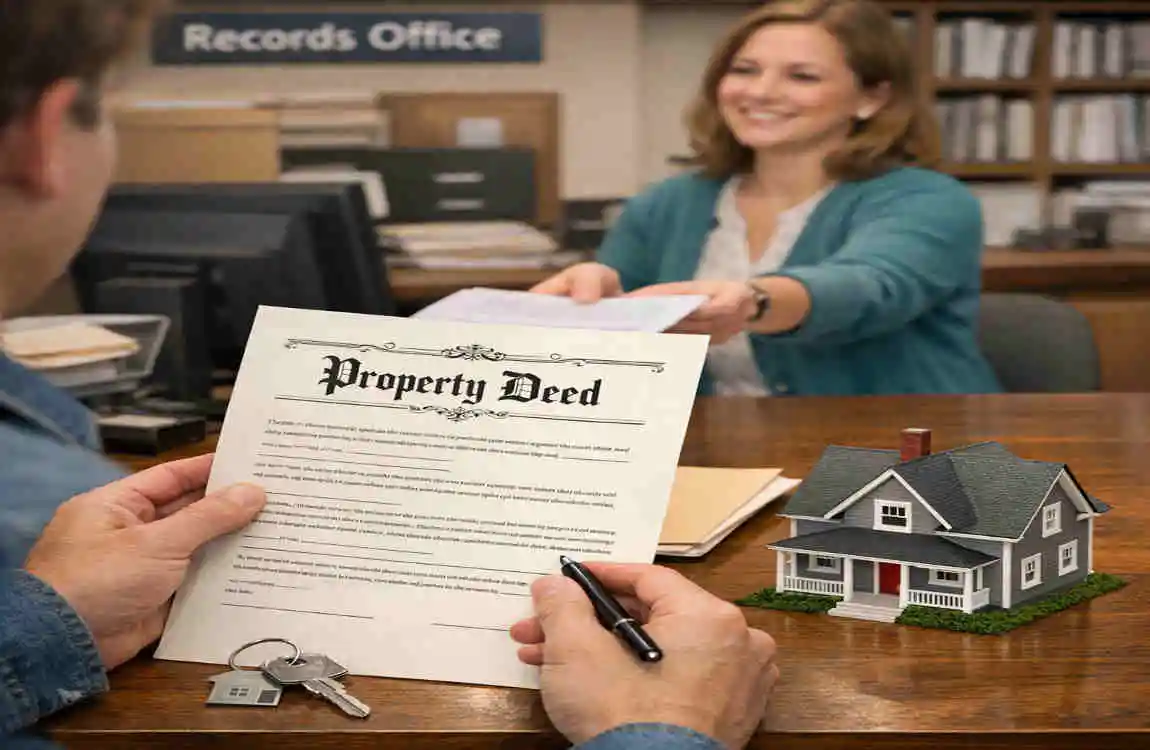
Where Can You Find a Property Deed?
If you lose your original paperwork, do not panic. Because deeds are public records, getting a copy is quite easy. You can find your property deed at:
- The county recorder or clerk’s office: The local government where the property is located keeps all the original filings.
- Land registry office: Depending on your state, this office manages land records.
- Online property records: Many modern counties allow you to search and download deeds directly from their websites.
- Your title company: The company that handled your closing usually keeps digital copies on file.
Steps to Request a Copy
Getting your hands on a copy requires a few simple steps:
- Provide property details: You will need the owner’s name, the property address, or the specific parcel number.
- Pay required fees: Most counties charge a small fee for printing or certifying the document.
- Download or receive official copy: You can instantly download an unofficial copy online, or wait for a mailed, certified copy if you need it for legal reasons.
How to Transfer a House Deed to Another Person
Common Reasons for Deed Transfer
Homeowners transfer deeds for a variety of life events. Some of the most common reasons include:
- Selling a house: Moving ownership to the new buyer.
- Adding a spouse: Putting a new husband or wife on the property record after marriage.
- Removing an owner: Taking an ex-spouse off the deed after a divorce.
- Estate planning: Placing the home into a living trust to protect it for your children.
- Gift transfer: Giving the property to a family member without a traditional sale.
Steps for Transferring a Property Deed
If you need to move ownership, you must follow the law closely. Here is how you do it:
- Choose the correct deed type: Decide if you need a warranty, quitclaim, or grant deed.
- Prepare the legal document: Draft the paperwork, ensuring the legal description is perfectly accurate.
- Sign and notarize: Sign the deed before a licensed notary public.
- File with the recording office: Take the notarized document to your local county recorder.
- Update ownership records: Once the county stamps and files it, the legal transfer is completely official.
Common Mistakes to Avoid With House Deeds
Incorrect Names or Property Information
Accuracy is everything in real estate. Spelling a name wrong or missing a single number in the property’s legal description can create massive ownership headaches. Always double-check every single letter and number before signing.
Not Recording the Deed
A deed is valid between the buyer and seller once signed, but it is not protected against the rest of the world until it is recorded. If you forget to file your deed at the county office, previous owners might still appear as the legal owners, creating a messy legal battle later.
Using the Wrong Type of Deed
Choosing the wrong deed type can rob you of important legal protections. For instance, using a quitclaim deed to buy a house from a stranger is a terrible idea, as it offers you zero guarantees that they actually own the home.
Ignoring Legal Advice
Real estate laws are complex and vary greatly by location. Trying to handle complex transfers—such as transferring a property into a trust or navigating a messy divorce—without a real estate attorney or title professional often leads to costly mistakes.
Importance of a House Deed During Real Estate Transactions
Buying a Home
When you buy a house, the deed is your ultimate prize. It legally ensures that the ownership transfer is complete. It protects your rights and officially declares you as the new, proud owner of the property.
Selling a Home
If you are selling, you cannot close the deal without signing a deed. It proves you have the legal authority to sell the space. Handing over the signed deed is the final step in the closing process that releases you from your property responsibilities.
Estate Planning
A properly managed deed is a gift to your family. By using specific estate planning deeds (like a transfer-on-death deed or moving the house into a trust), you can easily transfer the property to your heirs. This keeps your family out of stressful and expensive probate courts after you pass away.
How Much Does a Real Estate Deed Cost?
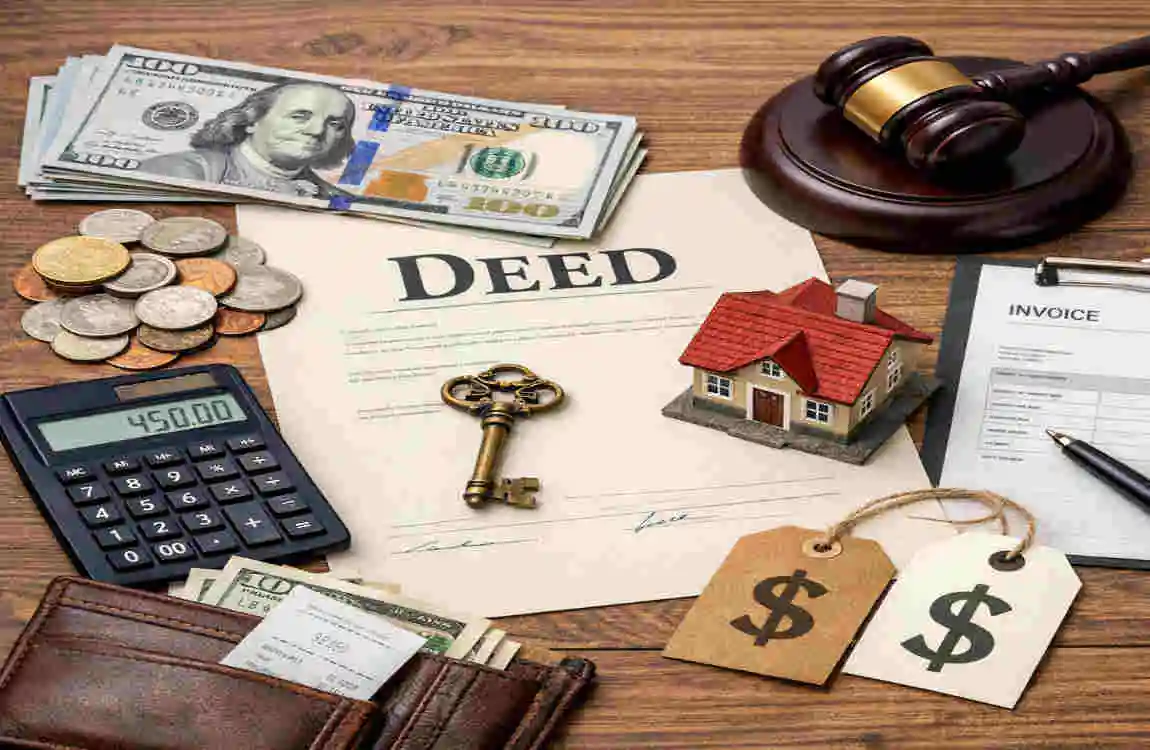
Creating and recording a deed is not free, but it is usually one of the smaller expenses in a real estate transaction. Your costs will depend on the professionals you use and your local government fees.
You should budget for:
- Document preparation fees: Paid to a title company or online service to draft the form.
- Notary fees: A small charge to have your signature legally witnessed.
- Recording fees: The tax or fee charged by your county to file the document into public records.
- Attorney fees (if needed): If your situation is complex, a lawyer will charge for their time and advice.
Service Possible Cost
Notary Low fee (usually $5 to $20)
Recording Government fee (usually $15 to $100 depending on the county)
Legal Assistance Depends on complexity (usually $150 to $500+)
Can You Change a House Deed?
Reasons to Update a Deed
Life changes, and sometimes your property records need to change with it. You might need to update your deed due to:
- Marriage or divorce
- Adding or removing co-owners
- Correcting name misspellings
- Transferring the home into a family trust for estate planning
How to Modify a Deed
You cannot simply take a pen and cross out a name on your original deed. To make a change, you actually have to prepare a completely new deed.
You must draft a new document reflecting the new ownership arrangement, complete all required notarized signatures, and record the updated document with the county clerk. The new deed will then override the old one in the public records.
Frequently Asked Questions (FAQ)
What is a deed of real estate house?
A house deed is a physical, legal document that proves the transfer of ownership from one person or entity to another.
How does a deed of a real estate house work during a purchase?
During a purchase, the seller signs the deed to release their rights. The deed is then handed to the buyer and recorded with the local government, officially transferring legal ownership.
Is a deed the same as a house title?
No. A deed is the physical document you hold in your hand. A title represents the invisible legal rights you have to own and use the property.
Who keeps the original house deed?
Usually, the property owner keeps the original deed once it is mailed back from the county recorder. However, in some states, your mortgage lender may hold onto it until your loan is paid in full.
Can a house be sold without a deed?
Generally, no. A valid written deed is required by law to transfer real estate ownership from one party to another legally.
| Topic | Information |
|---|---|
| What Is a House Deed? | A house deed is a legal document that proves ownership of a property and transfers property rights from one person to another. |
| Purpose of a Deed | It provides official proof of ownership and records important details about the property transaction. |
| Information Included in a Deed | Owner names, property description, transfer date, signatures, and legal details of the property. |
| Common Types of House Deeds | Warranty Deed, Quitclaim Deed, Special Warranty Deed, and Grant Deed are common types used in real estate. |
| Warranty Deed | Gives the buyer strong protection because the seller guarantees they own the property and can transfer it legally. |
| Quitclaim Deed | Transfers whatever ownership interest a person has in a property without guaranteeing a clear title. |
