
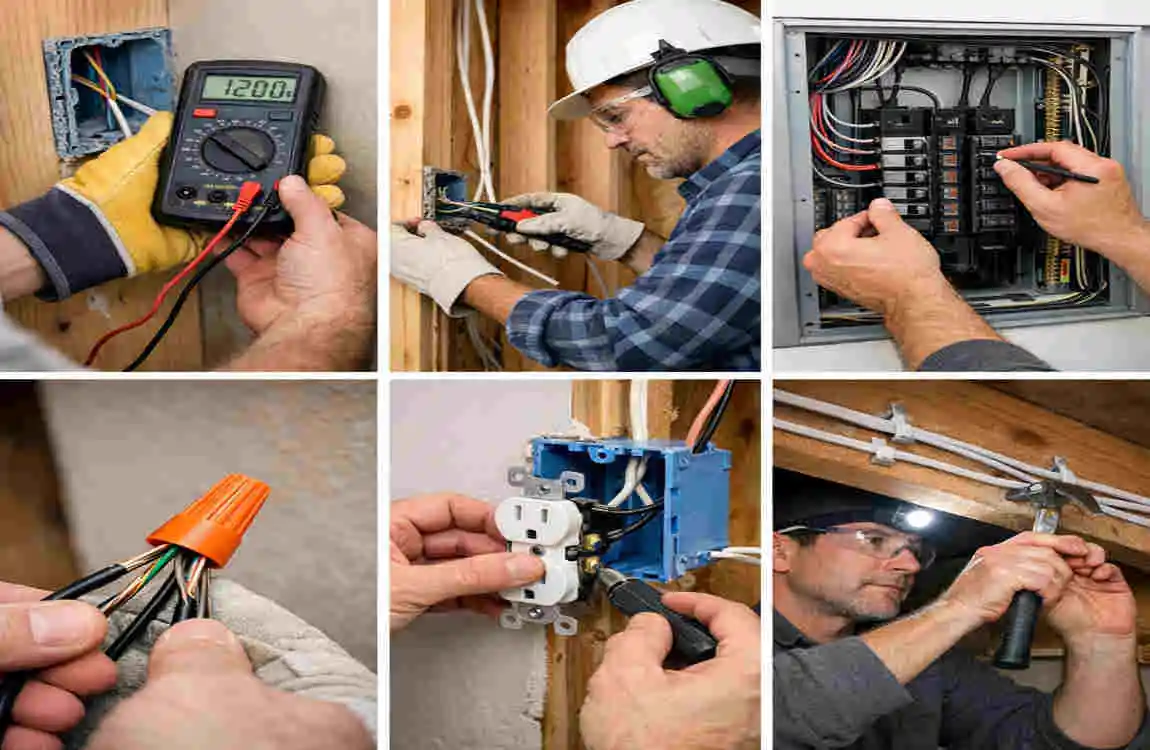
Wiring a house is one of the most important parts of any home build or renovation. It powers your lights, outlets, appliances, and everything that keeps daily life running smoothly. When the wiring is done well, your home feels safe and comfortable. When it is done badly, the risks can be serious.
That is why beginners often ask, How to do wiring in a house? The answer is not just about connecting wires. It is about planning carefully, using the right tools, following safety rules, and knowing when to step back and call a professional.
What Is House Wiring and How Does It Work?
Understanding the Basics of Electrical Wiring
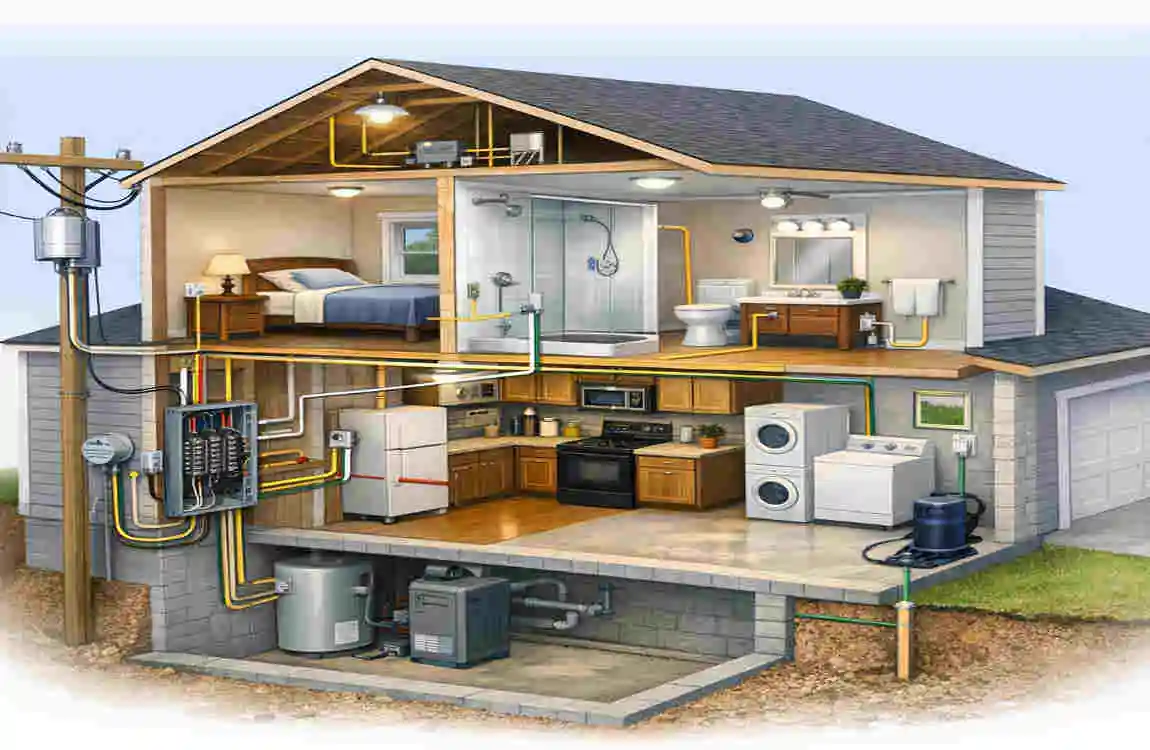
House wiring is the system that carries electricity from the power source to different parts of your home. It travels through wires, forms circuits, and reaches outlets, switches, lights, and appliances.
In simple terms, electricity starts at the electrical panel and travels through the home in a controlled path. Each path is called a circuit. That circuit may power a room, a group of lights, or a large appliance.
Here is the basic idea:
- Wires carry electricity
- Circuits split power into sections
- Switches turn lights and devices on or off
- Outlets give you places to plug things in
Each part has a clear job. When all parts work together, the home runs safely and smoothly.
Main Components of a Home Electrical System
ComponentPurpose
Electrical Panel Controls electricity distribution
Circuit Breakers Protect circuits from overload
Wires Carry electrical current
Switches Control lights and appliances
Outlets Provide power connections
Ground Wire Prevents electrical shocks
The electrical panel is often called the heart of the system. It sends power where it needs to go and shuts off circuits if something goes wrong.
Can Beginners Wire a House Safely?
Understanding Your Skill Level
Beginners can learn a lot about wiring, but not every wiring task is safe for DIY work. Some small jobs may be manageable with proper guidance, but a full home wiring project is more complex.
You need to understand how electricity works, how to read wiring diagrams, and how to follow local code rules. If any part of the project feels unclear, that is a sign to stop and get help.
A good rule is this: basic learning is fine, but a licensed electrician should usually do major electrical work.
Electrical Work That Beginners Can Learn
Some beginner-friendly tasks may include:
- Understanding basic wiring diagrams
- Replacing a switch or outlet
- Installing a simple light fixture with power turned off
Even with simple jobs, you should still test the wires, follow safety steps, and avoid rushing.
Electrical Work That Requires Experts
Some jobs are not safe for beginners, including:
- Installing a new electrical panel
- Whole-house rewiring
- Main power connections
- High-voltage work
These jobs involve serious risk. A mistake can cause shock, fire, or long-term damage to the home.
Tools Needed for Basic House Wiring
Common Electrical Wiring Tools
Before doing any electrical work, you need the right tools. Using the wrong tool can make the job harder and less safe.
Here are some basic tools many electricians use:
- Wire cutters
- Wire strippers
- Voltage tester
- Screwdrivers
- Electrical tape
- Pliers
- Drill
- Cable clamps
- Wire connectors
Each tool has a simple purpose. Wire cutters trim cables. Wire strippers remove the plastic covering. A voltage tester helps you check whether power is still flowing.
Safety Equipment for Electrical Work
Safety gear is just as important as the tools themselves.
You should wear:
- Insulated gloves
- Safety glasses
- Proper footwear
- Protective clothing
These items help reduce risk if something goes wrong. Good protection does not replace skill, but it does add an important layer of safety.
How to Do Wiring in a House? Step-by-Step Guide
Create an Electrical Wiring Plan
Every safe wiring project starts with a plan. Do not begin by cutting into walls or running cable randomly.
You need to map out where the lights, switches, outlets, and appliances will go. Think about how the room will be used. A kitchen needs different wiring than a bedroom. A home office may need extra outlets. A living room may need more lighting points.
A clear plan helps you:
- Avoid wasted wire
- Place circuits in the right spots
- Reduce confusion during installation
It also makes the work easier to inspect later.
Turn Off the Main Power Supply
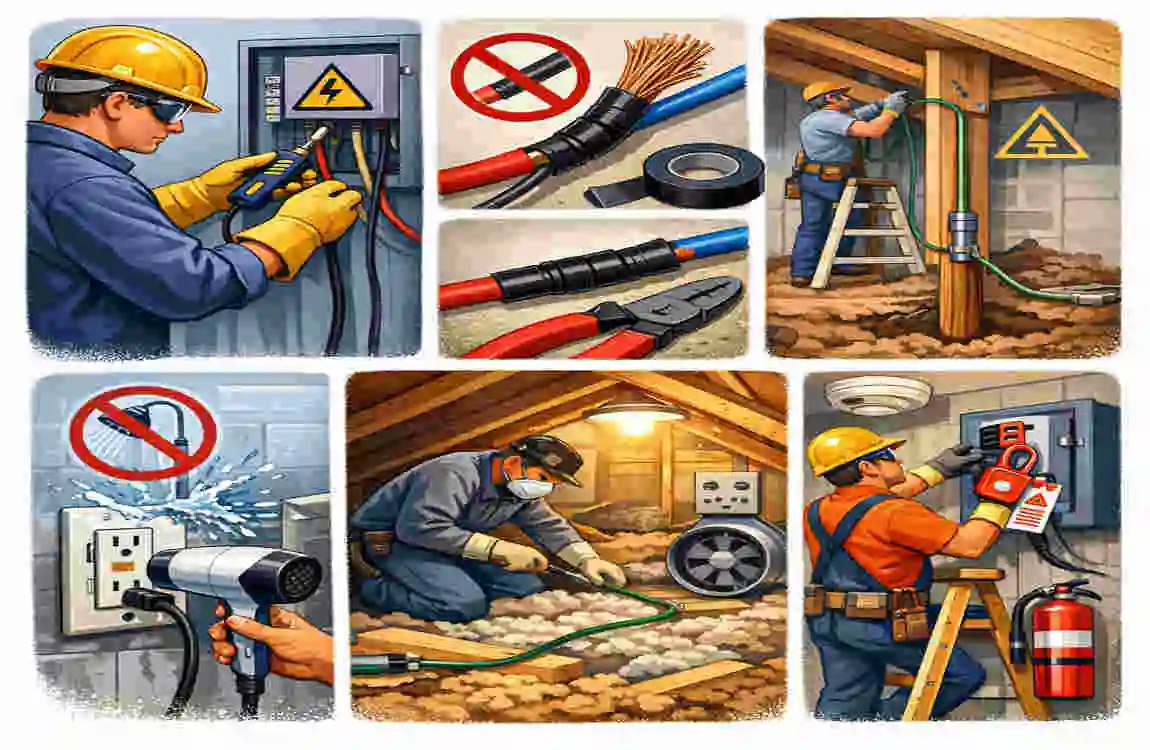
This is one of the most important safety steps. Never work on live wires.
Before touching anything, switch off the main power supply. Then use a voltage tester to confirm the wires are not live. Do not assume a wire is safe just because a switch is off.
Always test first. That simple habit can prevent serious injury.
Install Electrical Boxes
Electrical boxes hold outlets, switches, and sometimes light fixture connections. They also help keep wires protected and organized.
Boxes should be placed in the correct positions before you run cable through the walls. Make sure they are secured properly and sit at the right height for the room.
A box should always be installed to keep wiring neat and safe. Loose or badly placed boxes can cause trouble later.
Run Electrical Cables Through Walls
Once the boxes are in place, the next step is to run the cables.
Use the correct cable type for the job. Run the wires through wall studs, ceilings, and other safe paths. Keep them away from sharp edges and places where they could get damaged.
Good cable routing means:
- No tight bends
- No loose hanging wires
- Proper support along the path
This part matters because damaged cables can create fire or shock risks.
Connect Wires to Switches and Outlets
Most home wiring uses three main wire types:
- Hot wire
- Neutral wire
- Ground wire
The hot wire carries power. The neutral wire returns it. The ground wire protects against shock.
When connecting switches and outlets, each wire must go to the correct spot. Loose connections can generate heat and cause problems. That is why wire connectors and proper tightening are so important.
Take your time here. This is not a step to rush.
Connect Circuits to the Electrical Panel
The electrical panel is where circuits are organized and controlled. Each circuit gets connected to a breaker, which protects the line if the load becomes too high.
You also need to label circuits clearly so you know which breaker controls each one.
Important note: a licensed electrician should usually handle panel connections. This is one of the most sensitive parts of the system and is not a good place for guesswork.
Test the Electrical System
After everything is installed, test the system carefully.
Check:
- Voltage levels
- Outlet function
- Switch operation
- Grounding
- Breaker response
Also look for exposed wires, loose connections, or any signs that something is not working right. If you see a problem, stop and fix it before using the system.
Different Types of House Wiring Systems
Traditional Electrical Wiring
Traditional wiring is the most common kind in homes. It uses standard circuits, outlets, and switches to power the house.
This type is reliable and familiar, which is why it remains so widely used. The main limitation is that older systems may not effectively meet modern electrical demands.
Modern Electrical Wiring Systems
Modern wiring systems may include smart home features, better energy control, and advanced safety devices.
They are designed to support:
- Smart switches
- Security systems
- Energy-efficient lighting
- High-demand appliances
These systems are more flexible and often easier to update over time.
Types of Electrical Wires Used in Homes
Wire Type Common Use
Copper Wire Residential circuits
Aluminum Wire Older homes
NM Cable Interior wiring
Ground Wire Safety protection
Copper is the most common choice in modern homes. Aluminum is more commonly found in older houses and requires extra care.
Important Safety Tips When Wiring a House
Always Follow Electrical Codes
Electrical codes are rules that help keep homes safe. They control factors such as wire sizes, outlet placement, grounding, and circuit protection.
Following code is not just about legal approval. It is about preventing danger.
Avoid Overloading Circuits
A circuit should only carry so much power. If too many devices run on one circuit, it can overload.
Signs of overload may include:
- Breakers tripping often
- Lights flickering
- Warm outlets
- Buzzing sounds
Circuit breakers help protect the system, but the best approach is to avoid overload in the first place.
Keep Wires Organized
Neat wiring is safer and easier to maintain. Label your circuits, keep wires grouped properly, and avoid tangled runs.
A clean layout also makes future repairs much easier.
Never Ignore Warning Signs
Warning signs should never be brushed aside. If you notice:
- Flickering lights
- Burning smells
- Warm outlets
- Frequent breaker trips
Stop using that circuit and get it checked.
Common House Wiring Mistakes to Avoid
Working Without Turning Off Power
This is one of the most dangerous mistakes. Even one live wire can cause severe shock.
Always shut off the power and test before touching any part of the system.
Using Incorrect Wire Sizes
Different jobs need different wire sizes. If the wire is too small for the load, it can overheat.
That can damage equipment and increase the risk of fire. Wire gauge matters more than many beginners realize.
Poor Grounding
Grounding protects people and equipment. Without it, shocks become more likely.
A weak grounding system is not something to ignore. It is a core part of home safety.
Ignoring Electrical Codes
Code rules exist for a reason. If you skip them, you may create dangerous wiring and also fail inspection.
That can lead to expensive corrections later.
Making Loose Connections
Loose connections can create heat. Heat can lead to damage or fire.
Every connection should be secure, tight, and properly made.
How Much Does It Cost to Wire a House?
The cost depends on the size of the home, the type of wiring, the number of circuits, and whether the work is new construction or a full rewiring project.
Factor Impact on Cost
House Size Larger homes require more materials
Wiring Type Modern systems cost more
Labor Professional installation increases cost
Electrical Panel Upgrades increase expenses
New Construction Wiring Costs
Wiring a new house is usually easier than rewiring an old one because the walls are open and the layout is planned from the start.
Rewiring Older Homes
Older homes often cost more to rewire because the old wiring must be removed or updated. There may also be hidden damage inside walls.
DIY vs Professional Costs
DIY may look cheaper, but mistakes can become expensive fast. A professional electrician may cost more upfront, but the work is more likely to be safe and code-compliant.
Benefits of Proper House Wiring
Good wiring does more than power a home. It improves the whole living experience.
Benefits include:
- Improved home safety
- Better energy efficiency
- Reduced electrical problems
- Increased property value
- Support for modern appliances
A well-wired home is easier to live in and easier to maintain.
When Should You Hire a Professional Electrician?
Some jobs are just too important to risk.
You should hire a professional if you are dealing with:
- Complete home wiring
- Electrical panel replacement
- Frequent electrical issues
- Old or damaged wiring
- Major renovations
A licensed electrician knows the code, understands the system, and can spot danger before it becomes a problem.
Expert Tips for Beginners Learning House Wiring
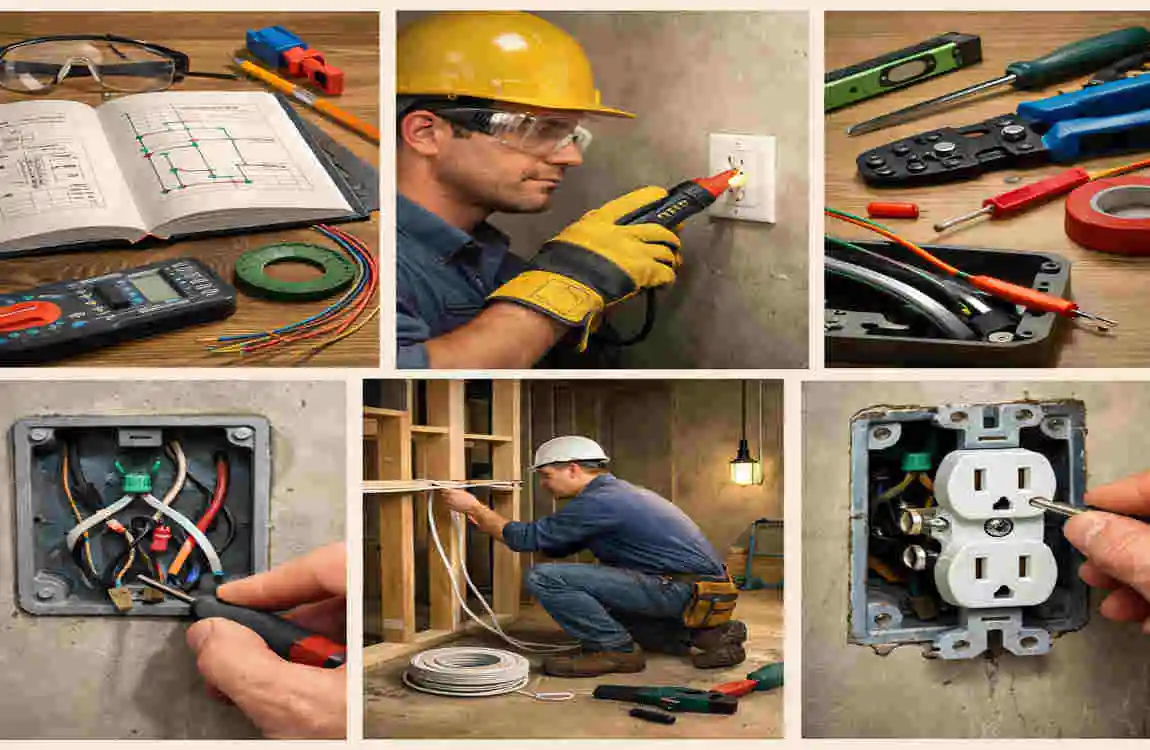
If you are just starting, keep these tips in mind:
- Learn electrical basics first
- Always prioritize safety
- Use proper tools
- Follow wiring diagrams
- Never rush electrical work
- Ask professionals when unsure
The goal is not to become reckless. The goal is to understand the system well enough to make smart decisions.
Frequently Asked Questions
How to do wiring in a house for beginners?
Beginners should start by planning, learning the basics, installing boxes, running cables, carefully connecting wires, and testing the system safely.
Can I wire my own house without an electrician?
You may be able to handle small tasks, but full-house wiring usually requires a professional due to safety and code requirements.
What are the three main wires in house wiring?
They are the hot, neutral, and ground wires.
How long does it take to wire a house?
It depends on the size of the home, the layout, and whether it is new construction or a renovation.
What tools are needed for house wiring?
Common tools include wire cutters, wire strippers, a voltage tester, screwdrivers, pliers, electrical tape, and cable clamps.
What is the safest way to start electrical wiring?
Start by learning the basics, turning off the power, testing the wires, and following safety rules.
| Topic | Key Information |
|---|---|
| Understand Electrical Basics | Learn about circuits, voltage, wires, breakers, and electrical safety before starting any wiring work. |
| Turn Off Power First | Always switch off the main power supply and use a voltage tester before touching any wires. |
| Plan the Wiring Layout | Create a clear electrical plan showing outlets, switches, lighting points, and circuit paths. |
| Choose Correct Wire Sizes | Use the right wire gauge based on the electrical load to prevent overheating and fire risks. |
| Install Proper Circuit Breakers | Use correctly rated breakers to protect appliances and prevent electrical overloads. |
| Follow Electrical Codes | Make sure wiring follows local building and electrical safety regulations. |
| Use Quality Materials | Choose certified wires, outlets, switches, and electrical boxes for long-lasting performance. |
