
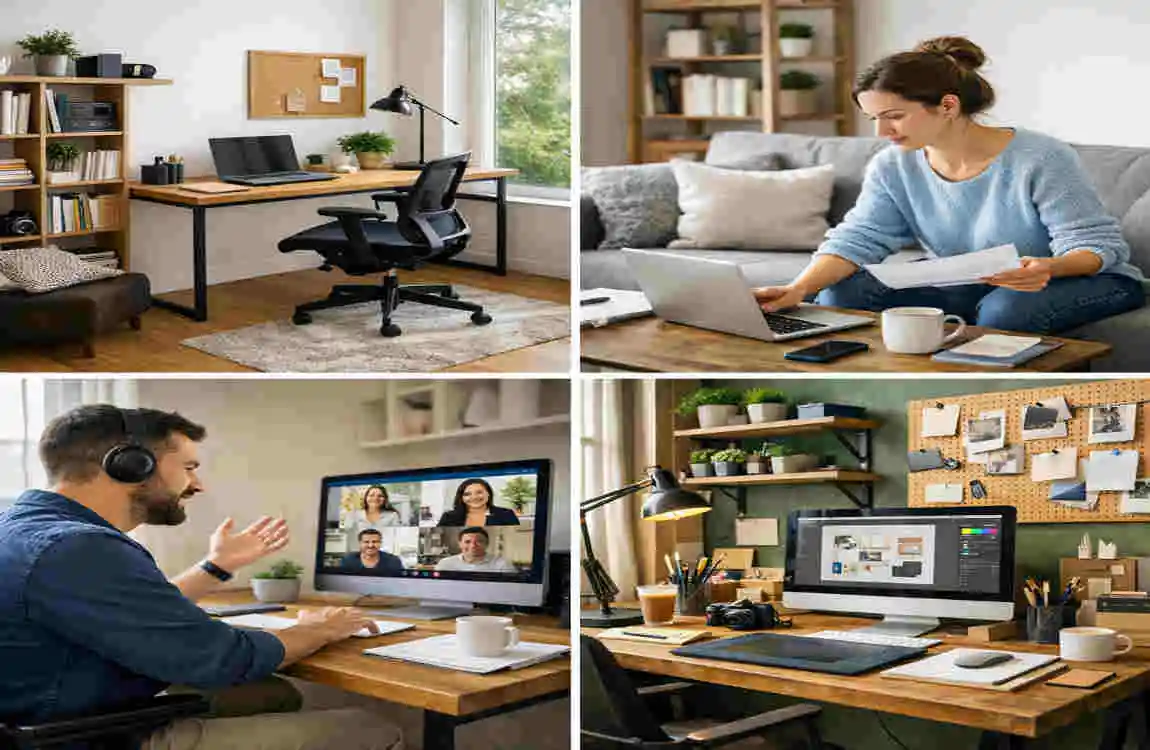
A home office is a space in your home for work, study, or business tasks. It can be a full room, a small desk in a corner, or even a quiet spot in a bedroom or living area. The main idea is simple: it gives you a place to focus and get things done.
Today, many people use home offices for remote work, freelancing, online meetings, schoolwork, creative projects, and small businesses. Because of that, understanding what a home office is has become more useful than ever.
What Is a Home Office?
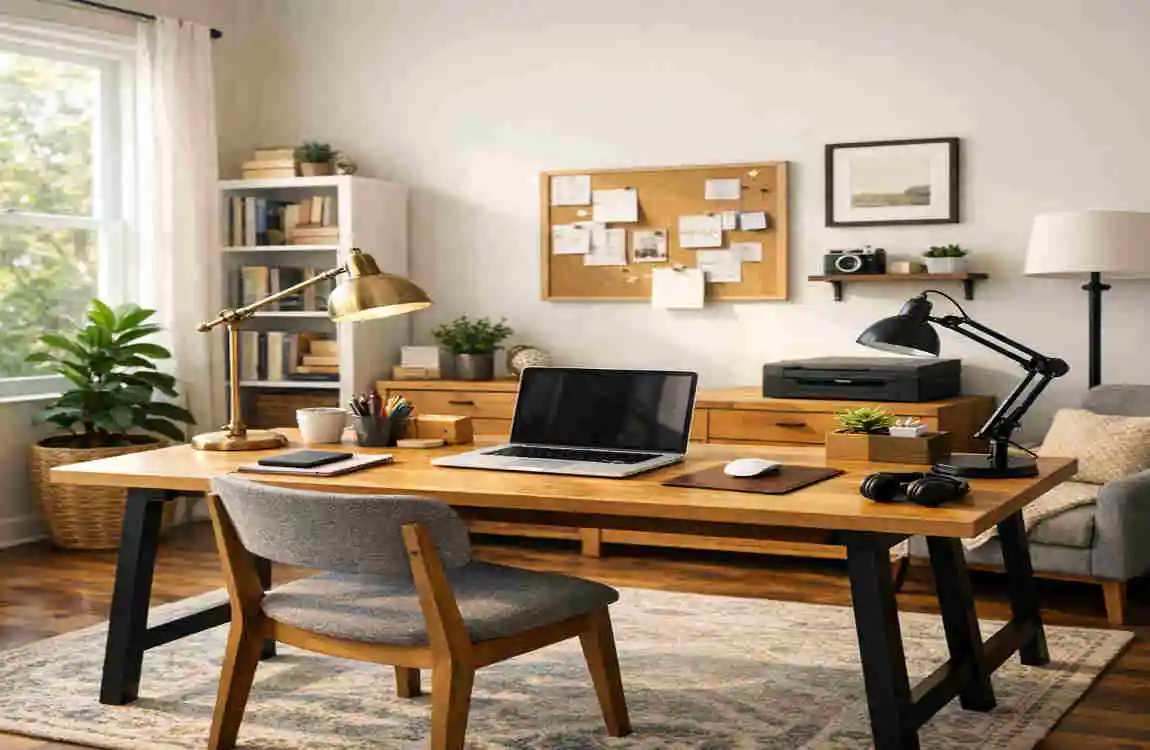
Simple Definition of a Home Office
A home office is a dedicated area in your home designed for work-related activities. It may be large or small, simple or stylish, but its purpose stays the same: to help you work in a focused and organized way.
A casual workspace is often temporary and unplanned. A proper home office, on the other hand, is set up with comfort, function, and productivity in mind.
What Is a Home Office Used For?
A home office can be used for many different tasks, such as:
- Remote work
- Freelancing
- Running a small business
- Online meetings
- Studying and research
- Creative work
- Managing bills and household paperwork
- Handling online stores or side projects
This makes it a flexible space for many kinds of users.
Does a Home Office Need to Be a Separate Room?
No, it does not. A home office can be a separate room, but it does not have to be. Many people create home offices in:
- A spare bedroom
- A living room corner
- A dining area
- A closet workspace
- A section of a bedroom
What matters most is privacy, comfort, and usefulness. Even a small space can work well if it is planned properly.
Why Is a Home Office Important?
Creates a Dedicated Work Environment
A home office helps separate work from personal life. When you have one set place for work, your mind can switch into work mode more easily. This can make it easier to stay focused and complete tasks.
Supports Remote and Flexible Work
Many people now work from home some or all of the time. A home office gives them a reliable place to join meetings, respond to emails, and complete daily work without leaving the house.
Improves Organization
A good home office keeps your supplies, papers, and tools in one place. With shelves, drawers, and storage boxes, you can reduce clutter and make your work area easier to use.
Benefits of Having a Home Office
Better Productivity
When you work in a dedicated space, you are less likely to get distracted by household activities. A simple routine can help too. Sitting at the same desk every day can make work feel more structured.
Greater Comfort and Convenience
A home office saves you from commuting. You also have easy access to your kitchen, bathroom, and personal items. Plus, you can design the space the way you like it.
Better Work-Life Separation
A clearly defined workspace can help you set boundaries. When work time ends, you can close the laptop, leave the room, or put your tools away. This helps you relax more easily after work.
Cost and Time Savings
Working from home can save money on fuel, transport, meals, and other daily expenses. It also saves time that would otherwise be spent traveling.
Professional Environment for Meetings
A neat home office can make video calls look more professional. Good lighting, a clean background, and a tidy desk can improve how you appear to others online.
How to Design a Home Office
Choose the Right Location
The best location depends on your needs, but try to look for:
- Good natural light
- Low noise
- Enough privacy
- Easy access to power outlets
- Strong internet connection
- Enough space for your desk and chair
If your home is busy, pick the quietest corner you can find.
Select a Suitable Desk
Your desk should match the kind of work you do. A compact desk is great for small spaces, while a larger desk works better if you use many tools.
Common desk types include:
- Standard work desks
- Corner desks
- Standing desks
- Built-in desks
- Compact desks
Choose an Ergonomic Chair
A good chair matters a lot. If you sit for long hours, you need proper back support and a comfortable seat. An adjustable chair can help you stay comfortable and reduce strain.
Add Proper Lighting
Lighting affects both comfort and focus. Use natural light when possible, then add a desk lamp or overhead light for darker hours. Try to avoid screen glare, as it can strain your eyes.
Include Practical Storage
Storage keeps your office clean and easy to use. Simple options include shelves, filing cabinets, drawers, and storage boxes. When everything has a place, your workspace feels calmer.
Home Office Ideas for Different Spaces
Small Home Office Ideas
If your space is limited, keep it simple. Use a compact desk, wall shelves, and furniture that serves multiple purposes. A clean, simple color scheme can also make the area feel larger.
Home Office in a Bedroom
A bedroom office works well if you create a little separation between sleep and work. Place the desk near a window if possible, and use storage that blends with the room.
Living Room Home Office
A living room office should fit in with the rest of the room. A corner desk or floating desk works well. Choose furniture that looks neat and does not crowd the space.
Home Office in a Spare Bedroom
A spare bedroom is one of the best places for a home office. It gives you enough room for a full desk, shelves, a chair, and maybe even a small meeting area.
Modern Home Office Ideas
Modern designs usually feel clean and calm. Think about:
- Neutral colors
- Simple furniture
- Hidden cables
- Smart devices
- Clean wall décor
This style helps the room feel open and organized.
Essential Home Office Equipment
Here is a simple list of items many home offices need:
- Computer or laptop
- Desk
- Comfortable chair
- Monitor
- Keyboard and mouse
- Desk lamp
- Webcam
- Headphones
- Printer or scanner
- High-speed internet
- Power strips
- Cable organizers
The exact setup depends on your work. A writer may need less equipment than a designer or business owner.
How to Make a Home Office More Productive
Reduce Distractions
Keep only what you need on your desk. If possible, use headphones, set boundaries with family members, and keep entertainment devices away from your work area.
Keep the Workspace Organized
A tidy office helps you think more clearly. Put everyday items within reach, file papers properly, and clean your desk regularly.
Use Technology Wisely
Helpful digital tools can save time and reduce stress. For example, you can use:
- Digital calendars
- Cloud storage
- Backup systems
- Video meeting tools
- Productivity apps
Create a Consistent Work Routine
Try to begin and end work at roughly the same time each day. Short breaks also help you stay fresh and focused.
Home Office Décor Ideas
Choose a Suitable Color Scheme
Soft and neutral colors can make a home office feel calm and clean. You can also add small pops of color through pillows, folders, or wall art.
Add Plants and Natural Elements
Plants, wood accents, and natural textures can make the space feel warm and welcoming. Even one small plant can improve the mood of the room.
Use Wall Décor
Wall décor can be both useful and attractive. Good options include:
- Shelves
- Artwork
- Calendars
- Corkboards
- Inspirational prints
Keep Décor Functional
Try not to overcrowd the space. In a home office, function matters as much as style.
Common Home Office Mistakes to Avoid
A home office works best when you avoid these common mistakes:
- Choosing an uncomfortable chair
- Ignoring lighting
- Letting clutter build up
- Forgetting cable management
- Placing the desk in a noisy area
- Using the wrong desk size
- Skipping storage
- Not planning for internet or power needs
- Overdecorating the room
- Failing to create work-life boundaries
A few smart choices can save you a lot of stress later.
How Much Space Do You Need for a Home Office?
There is no single perfect size. A home office can be very small and still work well. You only need enough room for a desk, a chair, and basic equipment.
Home Office TypeTypical SetupBest For
Small Corner Compact desk + chair Limited-space homes
Bedroom Office Desk + storage Remote workers
Spare Room Full office setup Full-time home workers
Shared Office Two workstations Couples or roommates
Creative Office Large desk + storage Designers and creators
Even a small corner can become a useful workspace if you plan it well.
How to Create a Home Office on a Budget
Repurpose Existing Furniture
You do not need to buy everything new. An old table, shelf, or cabinet can often be reused.
Prioritize Essential Items
Start with the most important pieces first: chair, desk, lighting, and computer setup. You can add décor later.
Use Affordable Storage Solutions
Budget-friendly storage can include baskets, drawer organizers, floating shelves, and storage boxes.
Improve the Space Without Major Renovations
Small changes can make a big difference. Try repainting a wall, moving furniture, improving lighting, or decluttering the area.
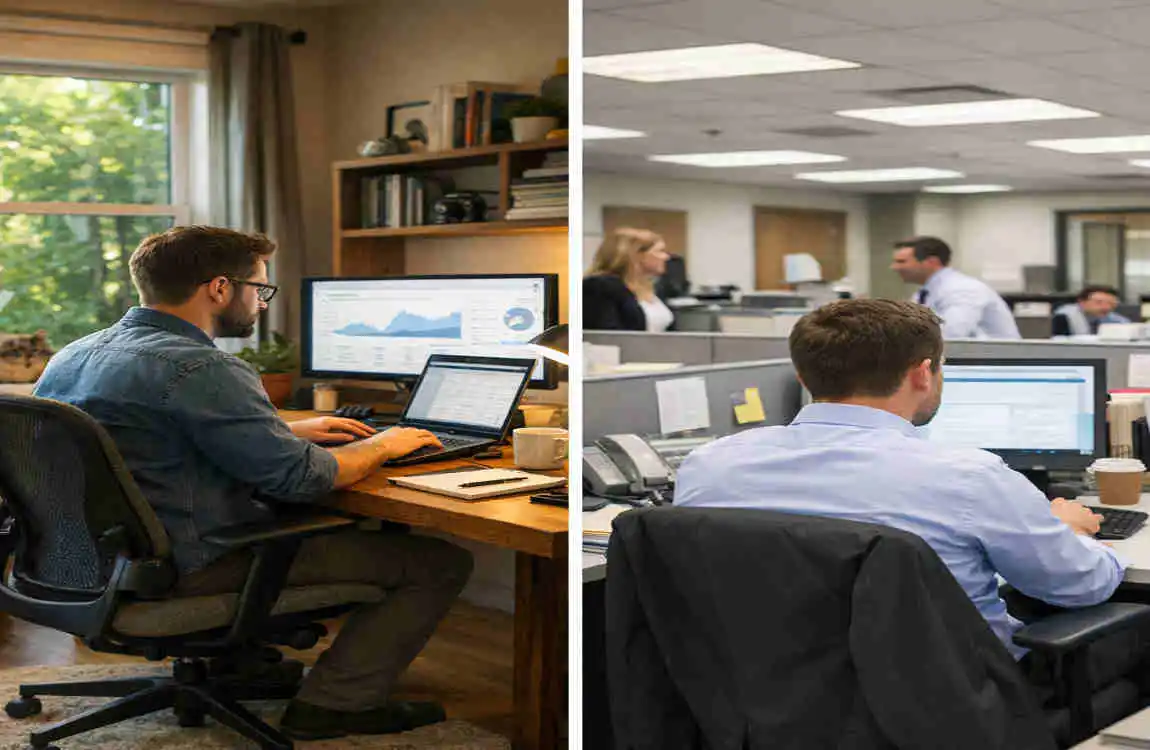
Home Office vs. Regular Workspace
A regular workspace may be temporary and unplanned. A home office is more intentional. It is designed for repeated use and usually offers better organization, greater comfort, and clearer boundaries.
That is why a home office often feels more professional and more reliable than a simple temporary desk.
Is a Home Office Worth It?
Yes, for many people it is. A home office is especially useful if you:
- Work remotely
- Run a business from home
- Freelance
- Study often
- Attend many online meetings
- Manage a side hustle
You do not need a large room to benefit. Even a small, well-planned workspace can make a big difference.
Tips for Creating a Professional Home Office
- Choose a quiet location
- Use ergonomic furniture
- Keep the desk clean
- Improve lighting
- Organize cables
- Make sure your internet is reliable
- Add enough storage
- Keep your video-call background neat
- Set clear work hours
These simple steps can help your workspace feel more serious and more comfortable.
Frequently Asked Questions About Home Offices
What is a home office?
A home office is a dedicated area in your home used for work, business, study, or remote tasks.
What is a home office used for?
It is used for working, studying, managing business tasks, attending meetings, and handling everyday professional activities.
Does a home office have to be a separate room?
No. It can be a room, corner, nook, or part of another room.
What should every home office have?
A desk, chair, good lighting, internet access, storage, and the equipment you need for your work.
How can I create a home office in a small space?
Use compact furniture, wall shelves, vertical storage, and simple organization.
Is a home office good for productivity?
Yes. A well-planned home office can help you focus, stay organized, and work more comfortably.
| Aspect | Quick Information |
|---|---|
| What Is a Home Office? | A dedicated space in a home designed for working, studying, or managing business tasks. |
| Main Uses | Remote work, online meetings, studying, freelancing, paperwork, and running a small business. |
| Key Benefits | Provides privacy, improves focus, saves commuting time, and creates a more organized workspace. |
| Essential Features | Comfortable desk, ergonomic chair, good lighting, storage, and reliable internet. |
| Small Home Office Idea | Use a corner, wall-mounted desk, or compact workstation to save space. |
