
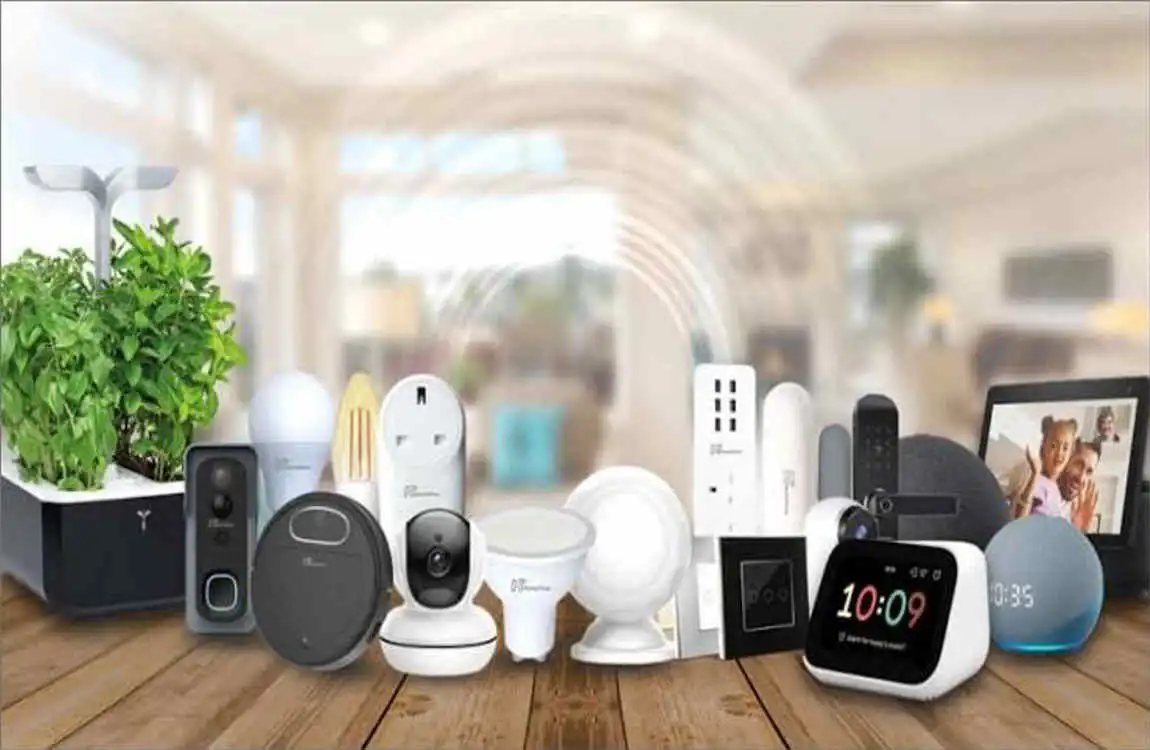
Smart technology has changed the way we manage our homes. From controlling the temperature with a phone to receiving a notification when the washing machine finishes, connected technology can make everyday tasks easier.
So, what are smart home appliances? Simply put, smart home appliances are household appliances that connect to the internet or to another smart home network. They can often be controlled through a smartphone app, voice assistant, or automatic settings.
Common examples include smart refrigerators, washing machines, ovens, dishwashers, robotic vacuum cleaners, thermostats, air conditioners, and air purifiers.
Unlike traditional appliances, smart models can offer features such as remote control, scheduling, notifications, energy monitoring, and automatic adjustments. However, they can also cost more and may depend on Wi-Fi or software.
What Are Smart Home Appliances?
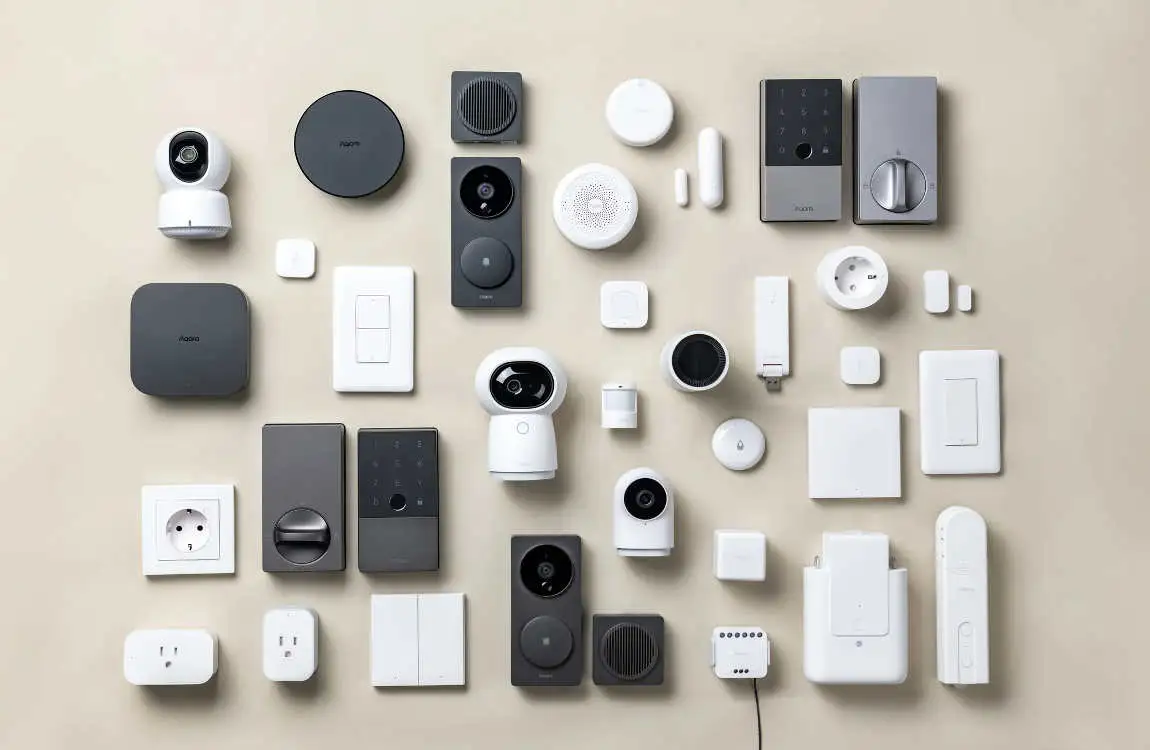
Simple Definition of Smart Home Appliances
Smart home appliances are connected household appliances that use digital technology to provide additional control and automation.
For example, a traditional washing machine runs the selected cycle. A smart washing machine may allow you to start a cycle from your phone, receive a completion notification, and check for maintenance issues.
The appliance usually connects to a home network through Wi-Fi or another supported connection. You can then manage certain functions through an app or compatible smart-home system.
How Smart Appliances Work
The basic process is fairly simple:
- The appliance connects to your home network.
- Built-in sensors collect information.
- The appliance processes the information or receives your command.
- You control it through an app, voice assistant, or automation.
- The appliance can send alerts or status updates.
You do not need to understand the technical details to use a smart appliance. Once it is properly connected, most functions can be managed through a simple app.
Smart Appliances vs. Traditional Appliances
FeatureTraditional ApplianceSmart Appliance
Remote control Usually no Often available
Mobile app No Often available
Automation Limited Advanced
Notifications Usually no Often available
Energy monitoring Limited Often available
Voice control Usually no Available on compatible models
The main difference is connectivity and control. A traditional appliance performs its basic job, while a smart appliance can provide additional digital features.
How Do Smart Home Appliances Work?
Wi-Fi and Internet Connectivity
Many smart appliances connect to your home’s Wi-Fi network. This allows the appliance to communicate with its mobile app and other compatible systems.
For example, you may be able to check your washing machine from another room or receive an alert while you are away.
A stable connection is useful because some advanced functions depend on internet or cloud services. However, the basic functions of many appliances can still work if the internet connection is temporarily unavailable.
Sensors and Automation
Sensors are an important part of smart appliances. Depending on the appliance, they may detect temperature, movement, water level, humidity, door position, or load size.
The appliance can use this information to make adjustments automatically.
For example, a smart washing machine may detect the load and adjust its operation. A smart thermostat can monitor indoor conditions and adjust the temperature according to a schedule.
Mobile Apps and Remote Control
Many smart appliances come with a dedicated smartphone app.
Depending on the model, the app may allow you to:
- Check appliance status
- Change settings
- Start or stop certain functions
- Create schedules
- Receive alerts
- View maintenance information
This can be particularly useful when you are busy or away from home.
Voice Assistants
Some smart appliances can work with compatible voice assistants. This lets you perform certain tasks using voice commands.
For example, you might ask your smart-home system to adjust a compatible thermostat or check an appliance’s status.
Voice control is convenient, but it is not available on every smart appliance.
Common Types of Smart Home Appliances
Smart Refrigerators
A smart refrigerator can offer more than basic cooling.
Depending on the model, features may include temperature control, door-open alerts, energy information, connected displays, and inventory-related functions.
A door notification can be particularly useful because leaving a refrigerator door open can affect its operation and energy use.
Smart Washing Machines and Dryers
Smart laundry appliances are designed to make washing and drying more convenient.
You may be able to select or monitor cycles from your phone, receive an alert when laundry is finished, and receive maintenance notifications.
Some models also provide information about water and energy use.
Smart Ovens and Cooktops
Smart ovens can provide convenient controls for cooking.
Features may include remote monitoring, timers, temperature adjustments, cooking presets, and safety notifications.
For busy households, these features can make it easier to monitor cooking without constantly checking the oven.
Smart Dishwashers
Smart dishwashers can provide notifications when a cleaning cycle finishes. Some models also offer remote controls, leak alerts, maintenance reminders, and different cleaning programs.
These features can make routine kitchen work easier to manage.
Smart Vacuum Cleaners
Robot vacuum cleaners are one of the most recognizable smart appliances.
Many models can create room maps, follow cleaning schedules, detect obstacles, return to their charging stations, and be controlled via a smartphone.
This means your floors can be cleaned automatically while you focus on other tasks.
Smart Thermostats
Smart thermostats help manage indoor temperatures through schedules and automatic adjustments.
You can often control them remotely and create different temperature settings for different times of the day.
Some models can also learn household preferences and provide information about energy use.
Smart Air Conditioners and Air Purifiers
Smart air conditioners may offer app-based temperature control, scheduling, and energy-saving settings.
Smart air purifiers can provide air-quality information and filter replacement alerts.
These features make it easier to monitor and manage indoor comfort.
Key Features of Smart Home Appliances
Remote Access
One of the biggest advantages is remote access. Instead of being physically beside the appliance, you may be able to monitor or control it through your phone.
Automation and Scheduling
Smart appliances can often perform tasks according to schedules or specific conditions.
For example, you can schedule a vacuum cleaner to operate while you are away or create a temperature schedule for a smart thermostat.
Smart Notifications
Notifications can keep you informed about household tasks.
You might receive an alert when:
- A washing cycle is complete
- A refrigerator door is left open
- A filter needs attention
- An appliance needs maintenance
Energy Monitoring
Some smart appliances provide information about energy consumption.
This information can help you understand how appliances are being used and identify opportunities to reduce unnecessary energy use.
Actual savings depend on the appliance, household habits, and how efficiently you use the available features.
Voice Control
Compatible appliances can sometimes be controlled using voice commands. This provides convenient hands-free operation.
Smart Diagnostics
Some connected appliances can identify certain problems and display troubleshooting information.
Instead of immediately guessing what went wrong, you may receive an alert explaining that maintenance or another action is required.
Integration With Other Smart Devices
Smart appliances can sometimes work with other connected products, including smart speakers, thermostats, lights, security systems, and smart-home hubs.
This can help create a more connected home environment.
Benefits of Smart Home Appliances
Greater Convenience
Convenience is one of the main reasons homeowners choose smart appliances.
You can monitor appliances, create schedules, and automate repetitive tasks. This can reduce the amount of time you spend manually managing household equipment.
Better Energy Efficiency
Some smart appliances can help reduce unnecessary energy use through scheduling and automatic adjustments.
For example, a smart thermostat can adjust its settings based on your daily routine rather than maintaining the same temperature all day.
However, smart technology does not automatically guarantee lower bills. How you use the appliance still matters.
Time Savings
Automation can save time on routine household work.
A robot vacuum can clean on a schedule, while a smart washing machine can notify you when the laundry is finished.
Small conveniences can make a noticeable difference when combined throughout your daily routine.
Improved Home Management
Smart notifications help you stay aware of what is happening around your home.
Instead of remembering every task yourself, your appliances can provide reminders and status updates.
Enhanced Safety
Some smart appliances include useful safety features such as automatic shutoff, leak detection, overheating alerts, and door-open notifications.
These features can provide an extra layer of awareness, although they should never replace normal safety practices.
Personalized Settings
Some appliances can store preferred settings or adapt to your routine.
This means the appliance may become easier to use over time because you spend less time manually changing the same settings.
Potential Long-Term Savings
Energy monitoring and efficient operation may help reduce unnecessary resource use.
Still, you should consider the purchase price as well as potential savings. A more expensive smart model is not automatically the better financial choice.
Are Smart Home Appliances Worth It?
Smart appliances can be worth considering if you value convenience, automation, remote control, and connected-home features.
They may be especially useful if you frequently forget appliance settings, want to monitor your home while away, or are already building a smart-home system.
They may be less useful if you prefer simple appliances or do not plan to use connected features.
Before buying, ask yourself what problem the smart feature will actually solve. If you only need an appliance to perform its basic function, a traditional model may provide better value.
Your budget, lifestyle, home network, and preferred features should guide your decision.
Potential Drawbacks of Smart Home Appliances
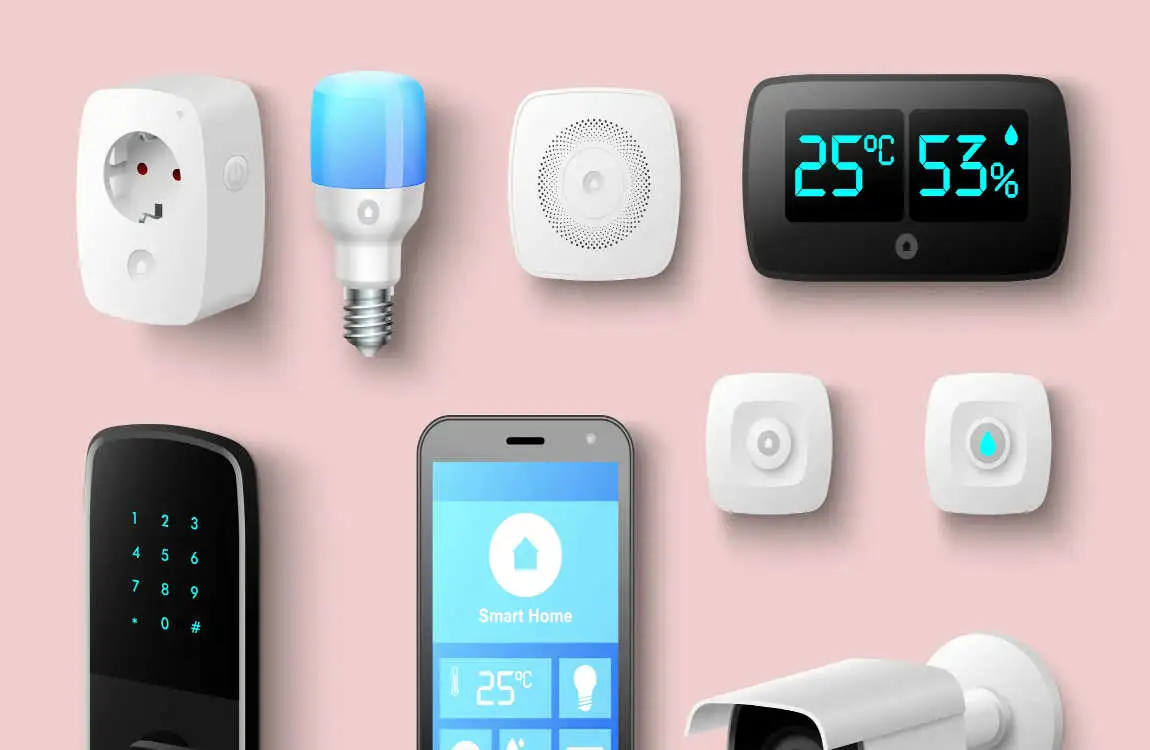
Higher Upfront Cost
Smart models can cost more than similar traditional appliances because they include additional technology and connectivity features.
Internet Dependence
Some functions may require an internet connection. If your Wi-Fi goes down, remote controls, cloud services, or notifications may temporarily stop working.
Privacy Considerations
Connected appliances can collect information about usage and settings. Before buying, review the manufacturer’s privacy information and available security settings.
Compatibility Issues
Not every smart appliance works with every smart-home platform.
Always check compatibility before purchasing, especially if you already use a particular smart-home ecosystem.
Software and App Updates
Smart appliances may require software or firmware updates. While updates can improve performance and security, they are another part of owning a connected appliance.
Technical Problems
Connectivity problems can occasionally prevent smart features from working properly.
The appliance itself may still function, but app-based controls could be temporarily unavailable.
How to Choose the Right Smart Home Appliance
Identify the Features You Actually Need
Do not choose an appliance simply because it has the longest list of smart features.
Think about your daily routine. If remote control and scheduling would genuinely help you, those features may be worth paying for.
Check Smart-Home Compatibility
If you already use connected devices, make sure your new appliance works with your preferred system.
Compatibility can make setup and everyday control much easier.
Consider Energy Efficiency
Look beyond smart features and check the appliance’s energy performance.
A connected appliance should still be efficient at its primary job.
Review App Features
A smart appliance is only useful if its app is easy to understand.
Look for practical controls, clear notifications, useful scheduling options, and reliable connectivity.
Check Security and Privacy
Use strong passwords and available security features. Review privacy settings and understand what information the appliance or its app may collect.
Compare Warranty and Support
Technology can occasionally create technical problems, so reliable customer support matters.
Check the warranty, repair options, and available customer assistance before purchasing.
Smart Home Appliances vs. Smart Home Devices
Smart appliances and smart-home devices are related, but they are not the same.
Smart appliances are household devices that perform traditional household tasks while offering connected features. Examples include refrigerators, ovens, washing machines, dishwashers, and vacuum cleaners.
Smart-home devices are a broader category of products that help control or monitor your home.
Examples include:
- Smart bulbs
- Smart locks
- Smart cameras
- Smart speakers
- Smart plugs
Both categories can work together. For example, a smart speaker may provide voice control for compatible appliances, while a smart plug can add basic control to certain traditional devices.
Tips for Setting Up Smart Home Appliances
Setting up a smart appliance is usually straightforward.
- Choose an appliance compatible with your home network.
- Install the manufacturer’s mobile app.
- Connect the appliance to Wi-Fi.
- Sign in or create an account if required.
- Pair the appliance with the app.
- Configure useful notifications and schedules.
- Connect compatible voice assistants if desired.
- Install available software updates.
- Review privacy and security settings.
Take your time during setup. A few minutes spent configuring the appliance correctly can make everyday use much easier.
Future of Smart Home Appliances
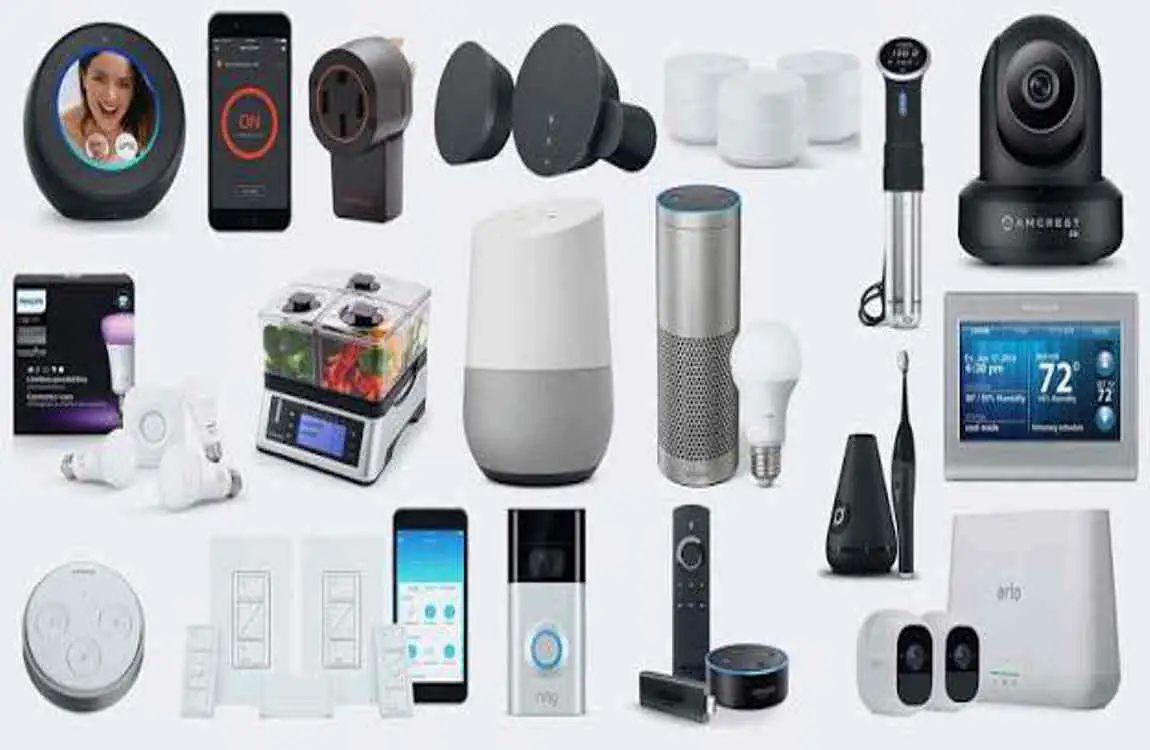
Smart home technology continues to develop, and appliances are becoming more connected and automated.
More Automation
Manufacturers are increasingly adding features that reduce manual tasks and allow appliances to respond to schedules or changing conditions.
Better Energy Management
Future connected systems may provide more detailed information about household energy use, helping homeowners understand where energy is being consumed.
Improved AI Features
Artificial intelligence may help appliances recognize patterns and personalize certain functions.
The goal is not simply to make appliances more complicated. Ideally, smarter technology should make them easier and more useful.
Greater Smart-Home Integration
Connected appliances are increasingly becoming part of broader home automation systems.
This can allow different devices to communicate and provide a more coordinated home experience.
Frequently Asked Questions About Smart Home Appliances
What are smart home appliances?
Smart home appliances are connected household appliances that offer features such as remote control, automation, notifications, monitoring, and smart scheduling.
What is the most common smart home appliance?
Popular categories include smart thermostats, robotic vacuum cleaners, washing machines, refrigerators, ovens, and air conditioners.
Do smart appliances need Wi-Fi?
Many smart features require Wi-Fi, particularly remote access and notifications. However, basic appliance functions may continue to work without an internet connection.
Can smart appliances save electricity?
Some smart appliances can help reduce energy use through scheduling, automatic adjustments, and energy monitoring. However, actual savings depend on the appliance and your usage habits.
Can I control smart appliances from my phone?
Yes. Many smart appliances offer mobile apps that allow you to monitor settings, receive notifications, and control certain functions remotely.
Are smart appliances safe?
Smart appliances can include safety features such as alerts and automatic shutoff. You should still follow the manufacturer’s safety instructions and protect your accounts with strong security settings.
Do smart appliances work with Alexa or Google Home?
Some models are compatible with popular voice assistants. Always check compatibility before buying a specific appliance.
Are smart appliances more expensive?
They often have a higher initial price than traditional appliances because they include additional technology and connected features.
Can smart appliances work without the internet?
Basic functions often continue to work, but remote control, cloud services, notifications, and some advanced features may not be available without an internet connection.
What should I consider before buying a smart appliance?
Consider compatibility, useful features, price, energy efficiency, privacy, security, warranty, and app quality. Most importantly, choose features that solve an actual problem in your home.
| Smart Appliance | Key Features | Main Benefits |
|---|---|---|
| Smart Refrigerator | Wi-Fi, touchscreen, temperature control | Better food management and energy efficiency |
| Smart Washing Machine | App control, automatic cycles, alerts | Saves time, water, and energy |
| Smart Oven | Remote control, cooking presets, timers | Easier and more precise cooking |
| Smart Dishwasher | Wi-Fi control, smart sensors, alerts | Efficient cleaning with less water |
| Smart Air Conditioner | App control, scheduling, smart temperature settings | Improves comfort and reduces energy use |
| Smart Coffee Maker | App scheduling, automatic brewing | Fresh coffee ready when you want it |
| Smart Vacuum Cleaner | Mapping, sensors, automated cleaning | Saves cleaning time and effort |
