
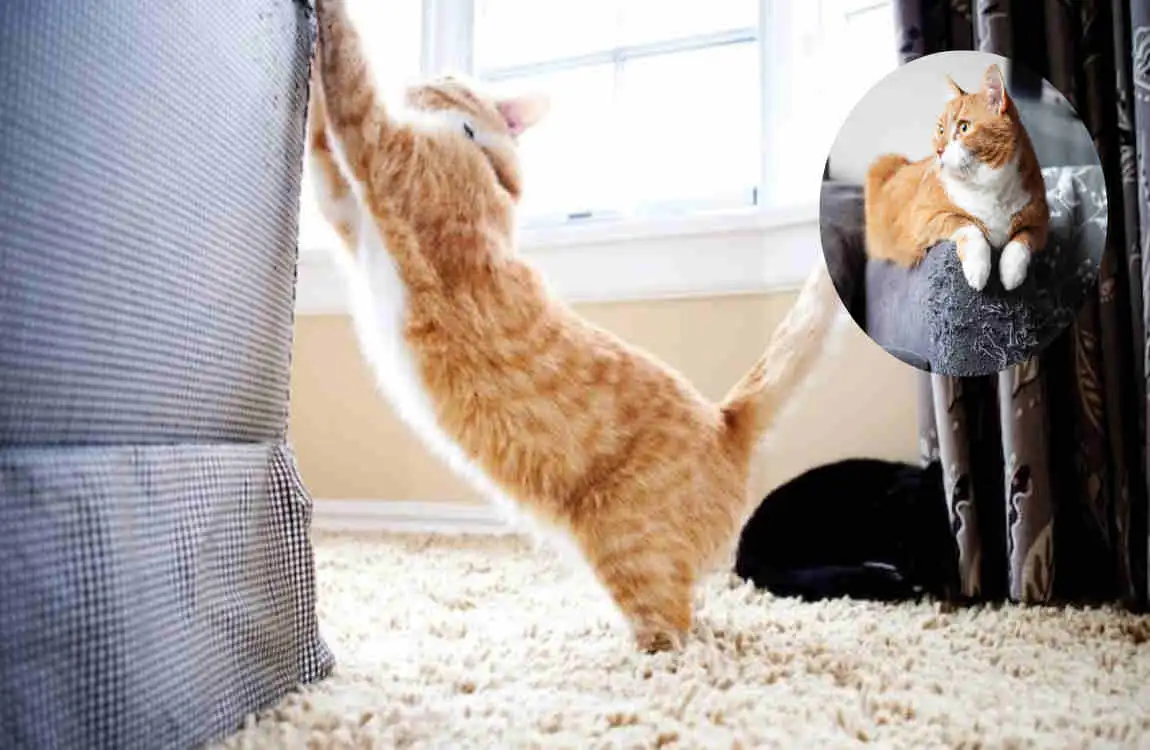
Cats scratching furniture is one of the most common challenges faced by cat owners. You may have a beautiful couch, but your cat may see it as the perfect place to stretch, scratch, and leave their mark. While this behavior can be frustrating, it is important to understand that scratching is a natural part of being a cat.
Cats do not scratch furniture because they are being naughty. Scratching helps them keep their claws healthy, exercise their muscles, and communicate with other cats. The goal is not to stop scratching completely but to teach your cat where scratching is allowed.
If you are searching for how to get cats to stop scratching on furniture, the best approach is to provide better alternatives, protect your couch, and use positive training methods. With patience and consistency, you can protect your furniture while keeping your cat happy and comfortable.
Cats Use Scratching to Mark Their Territory
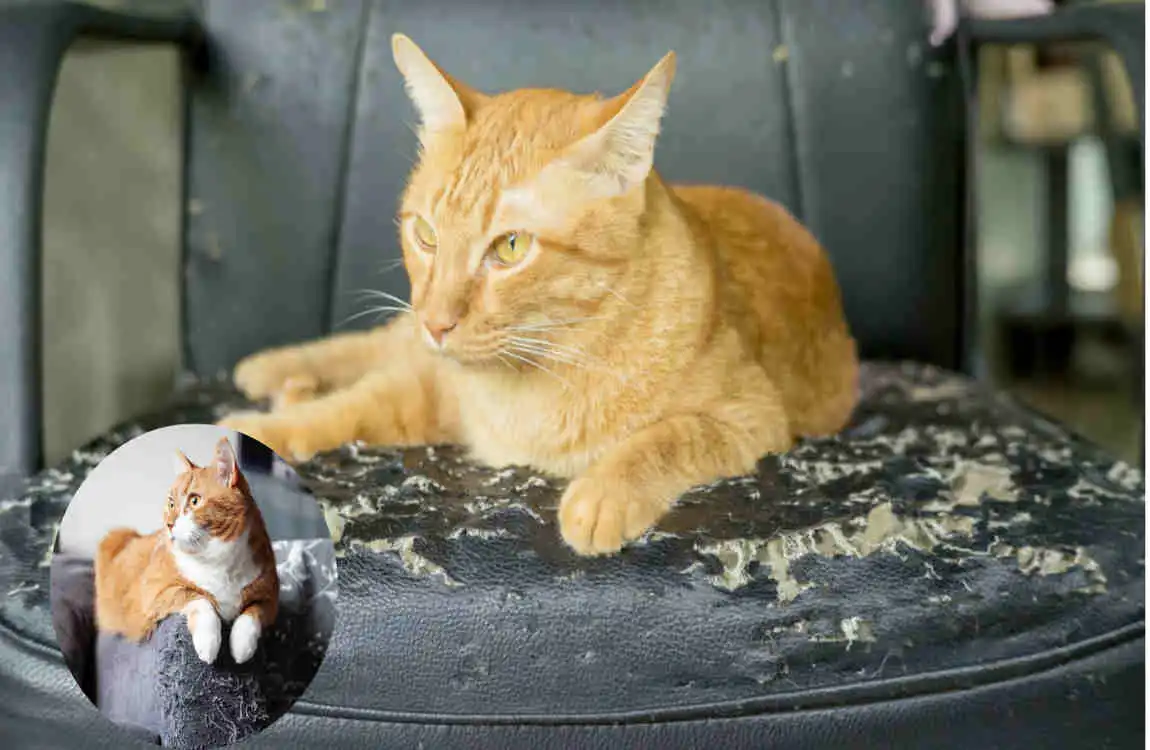
Cats have scent glands in their paws. When they scratch a surface, they leave behind their scent as a way of marking their territory.
Your couch may become a favorite scratching area because it is located in a central place where your cat spends time with the family.
Scratching helps cats feel secure because it tells them that the area belongs to them.
Your Couch May Have the Right Texture
Many couches attract cats because of their texture. Soft fabrics, woven materials, and leather surfaces can feel satisfying under their claws.
Cats often choose furniture because:
- The material provides resistance while scratching.
- The couch is large and stable.
- The location is convenient.
- The surface feels good on their paws.
Your cat is not choosing your couch to annoy you. They simply find it comfortable and effective for scratching.
How to Get Cats to Stop Scratching on Furniture
The best way to stop unwanted scratching is by offering a better option. Cats are more likely to use a scratching post when it meets their needs.
Provide an Attractive Scratching Post
A good scratching post can save your furniture. However, not every scratching post will interest your cat.
Choose a scratching post that is:
- Tall enough for your cat to fully stretch.
- Strong and stable so it does not move.
- Made from materials cats enjoy, such as sisal rope or cardboard.
Some cats prefer vertical scratchers, while others like horizontal scratching pads. Try different styles to discover what your cat likes.
Place the scratching post near the couch because cats often return to the same areas where they already scratch.
Make the Scratching Post More Interesting
Simply buying a scratching post does not guarantee your cat will use it. You may need to make it more appealing.
Try these methods:
- Sprinkle a small amount of catnip on the scratching surface.
- Place toys near the scratching post.
- Use treats when your cat scratches there.
- Play with your cat around the scratching area.
When your cat connects the scratching post with rewards and fun, they are more likely to choose it over your couch.
Cover and Protect Your Couch Temporarily
Changing your cat’s habits takes time. While training is happening, protect your furniture.
Useful temporary solutions include:
- Furniture covers
- Protective blankets
- Double-sided tape
- Plastic barriers
- Scratch-resistant covers
These methods reduce damage and make the couch less enjoyable for scratching.
Train Your Cat to Avoid Scratching the Couch
Training your cat requires patience and a positive approach. Cats respond better to encouragement than punishment.
Redirect Your Cat’s Attention
When you see your cat scratching the couch, calmly redirect them.
You can:
- Gently move your cat away from the couch.
- Place them near the scratching post.
- Encourage them to use the approved scratching area.
Avoid shouting or frightening your cat. Negative reactions can create stress and may make the problem worse.
Reward Good Behavior
Positive reinforcement is one of the most effective training methods.
Whenever your cat uses the scratching post, reward them with:
- Small treats
- Gentle praise
- Extra playtime
- Petting
Cats learn through repeated positive experiences. When scratching the post brings rewards, they will naturally choose it more often.
Be Consistent With Training
Changing a scratching habit does not happen overnight. Some cats may adjust within a few weeks, while others may need several months.
Stay consistent by:
- Keeping the scratching post available.
- Rewarding good behavior regularly.
- Protecting furniture during training.
- Avoiding mixed signals.
Patience is important because your cat is learning a new habit.
Best Products to Prevent Cats From Scratching Furniture
Different products can help protect your furniture while encouraging better scratching habits.
Product How It Helps
Scratching Posts Gives cats an approved scratching area
Furniture Covers Protects couch surfaces from damage
Cat Scratch Pads Provides another scratching option
Double-Sided Tape Makes furniture less appealing
Cat Repellent Sprays Helps discourage cats from certain areas
Using a combination of these products usually works better than relying on only one solution.
Common Mistakes Cat Owners Make When Stopping Scratching
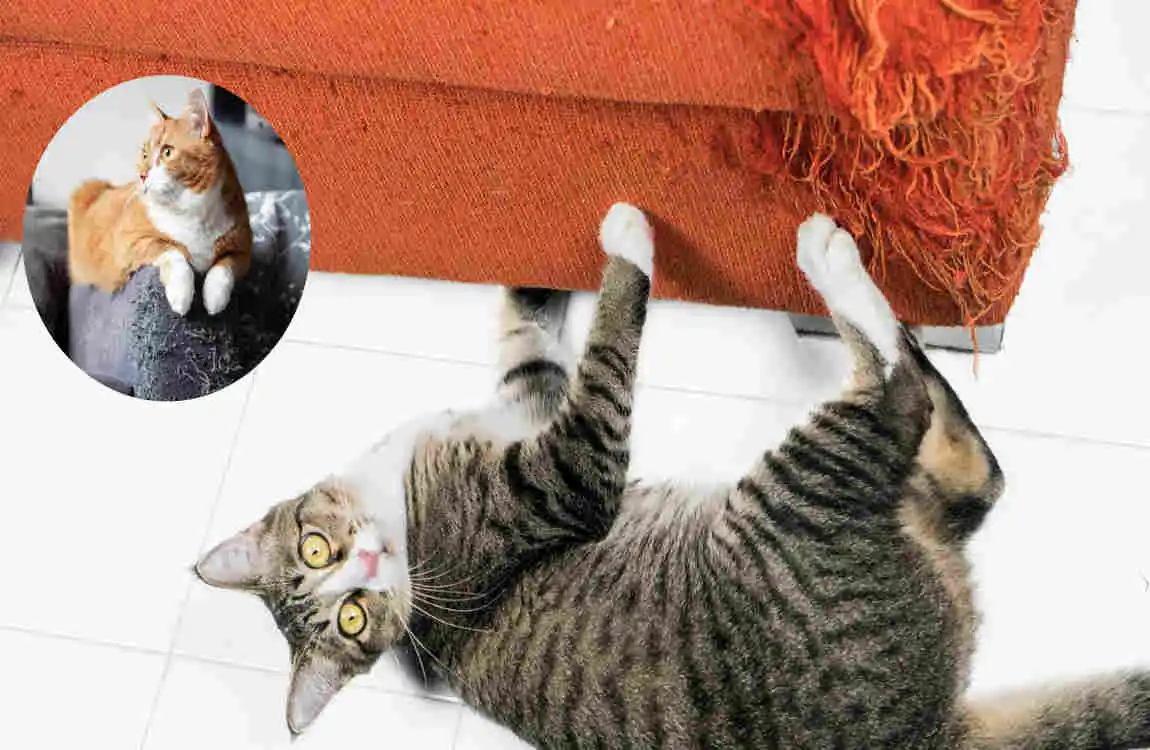
Many owners accidentally make scratching problems worse by using the wrong methods.
Punishing Your Cat
Yelling, hitting, or spraying water may scare your cat, but it does not teach them where they should scratch.
Punishment can cause:
- Stress
- Fear
- Confusion
- More unwanted behaviors
Positive training is a healthier and more effective solution.
Choosing the Wrong Scratching Post
A small or unstable scratching post may not interest your cat.
Common problems include:
- The post is too short.
- The base moves easily.
- The material does not feel satisfying.
- The location is inconvenient.
A quality scratching area should match your cat’s natural scratching style.
Removing Scratching Opportunities Completely
Some owners try to stop scratching by removing all scratching surfaces.
This does not work because cats still need to scratch. Without an appropriate outlet, they may simply find another piece of furniture.
The goal is redirection, not elimination.
Ignoring the Reason Behind Scratching
Sometimes excessive scratching happens because of:
- Boredom
- Stress
- Lack of exercise
- Environmental changes
Understanding your cat’s needs can help reduce unwanted scratching.
How to Protect Different Types of Furniture From Cat Scratches
Different materials require different protection methods.
Protecting Fabric Sofas
Fabric couches are common scratching targets because cats enjoy the texture.
To protect fabric furniture:
- Use washable covers.
- Place scratching posts nearby.
- Choose tightly woven fabrics.
- Redirect scratching quickly.
Regular cleaning and maintenance can also help reduce damage.
Protecting Leather Couches
Leather can be damaged easily by sharp claws.
Helpful prevention methods include:
- Using protective covers.
- Keeping scratching posts available.
- Applying pet-safe furniture protectors.
- Trimming claws regularly.
Protecting Wooden Furniture
Cats may scratch wooden m, especially corners and legs.
You can protect wood by:
- Covering vulnerable areas.
- Blocking access temporarily.
- Providing attractive scratching alternatives.
Natural Ways to Keep Cats Away From Your Couch
You can use natural methods to discourage your cat from scratching furniture.
Use Cat-Friendly Scents Cats Avoid
Some cats dislike certain smells, such as citrus scents.
You can use mild natural deterrents around furniture areas, but always make sure they are safe for pets.
Increase Playtime and Exercise
A bored cat may scratch more because they need stimulation.
Daily activities can help:
- Interactive toys
- Play sessions
- Climbing areas
- Puzzle feeders
A physically active cat is less likely to develop destructive habits.
Create a Cat-Friendly Environment
A comfortable environment reduces unwanted behavior.
Consider adding:
- Cat trees
- Window perches
- Toys
- Cozy resting areas
When cats have their own spaces, they are less likely to focus on your furniture.
How Long Does It Take to Stop a Cat From Scratching Furniture?
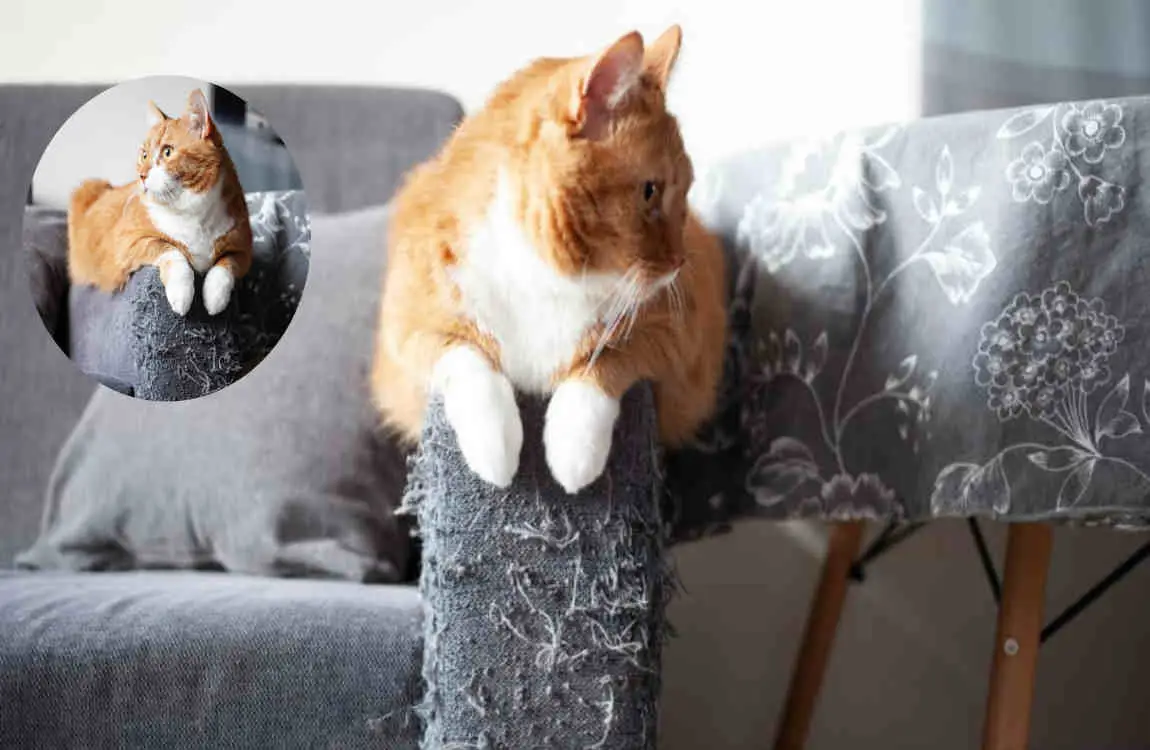
Every cat learns at a different speed. Some cats quickly switch to a scratching post, while others need more time.
Training time depends on:
FactorEffect
Age Younger cats may adjust faster
Personality Some cats are more stubborn
Previous Habits Long-term habits take longer to change
Training Consistency Regular practice improves results
The most important thing is to remain patient. Consistent guidance helps your cat understand what behavior you want.
Frequently Asked Questions (FAQ)
How do I stop my cat from scratching my couch?
Provide a scratching post near the couch, protect the furniture, and reward your cat when they use the correct scratching area.
Why does my cat keep scratching furniture?
Cats scratch because of instincts, claw maintenance, exercise needs, and territory marking.
Does spraying cats with water stop scratching?
Spraying water usually does not solve the problem. It may create fear without teaching your cat where scratching is allowed.
What is the best scratching post for cats?
The best scratching post is tall, sturdy, and covered with a material your cat enjoys scratching.
Can cats be trained not to scratch furniture?
Yes, cats can learn where they should scratch. Training works best with rewards and consistent guidance.
| Method | How It Helps Stop Scratching |
|---|---|
| Provide a Scratching Post | Gives cats a safe place to scratch instead of your couch. |
| Use Cat Scratch Pads | Place pads near furniture to redirect scratching habits. |
| Cover the Couch Area | Use blankets, covers, or protective sheets to block scratching spots. |
| Apply Cat-Safe Deterrents | Certain scents can discourage cats from scratching furniture. |
| Trim Cat’s Nails Regularly | Reduces damage caused by scratching. |
| Reward Good Behavior | Give treats or praise when cats use their scratching post. |
| Move Scratching Posts Near the Couch | Helps cats switch from the couch to the correct spot. |
| Keep Cats Active | Playtime and toys reduce boredom-related scratching. |
