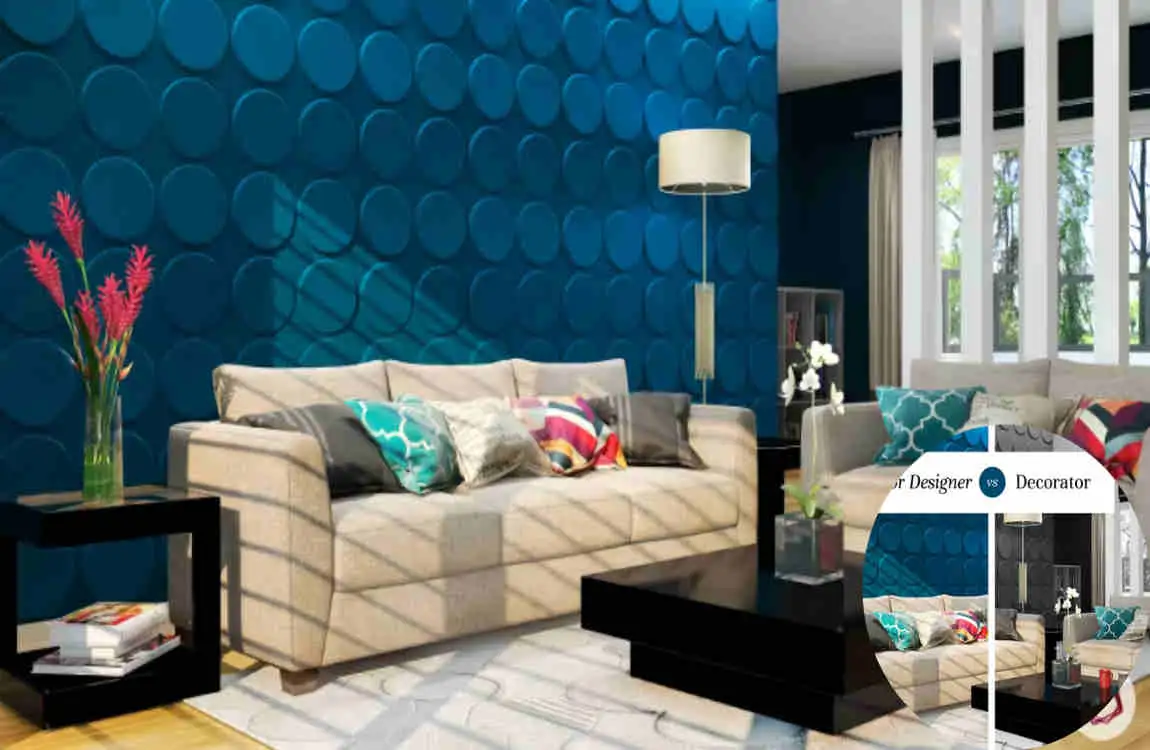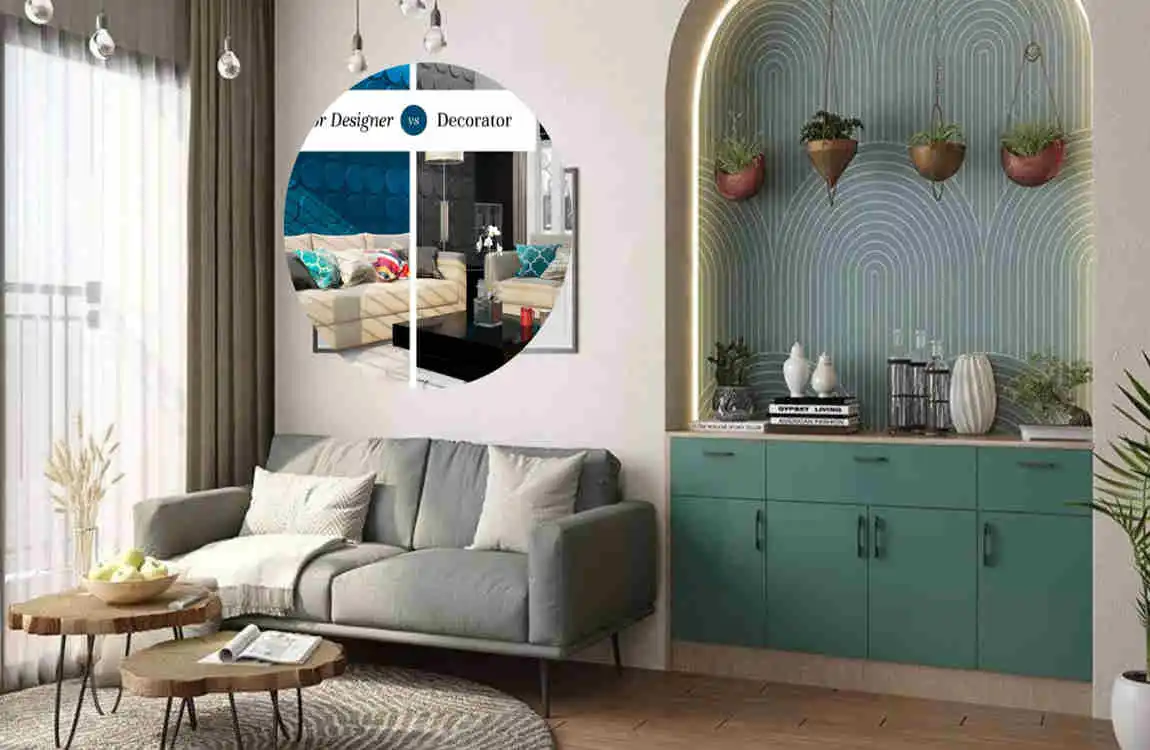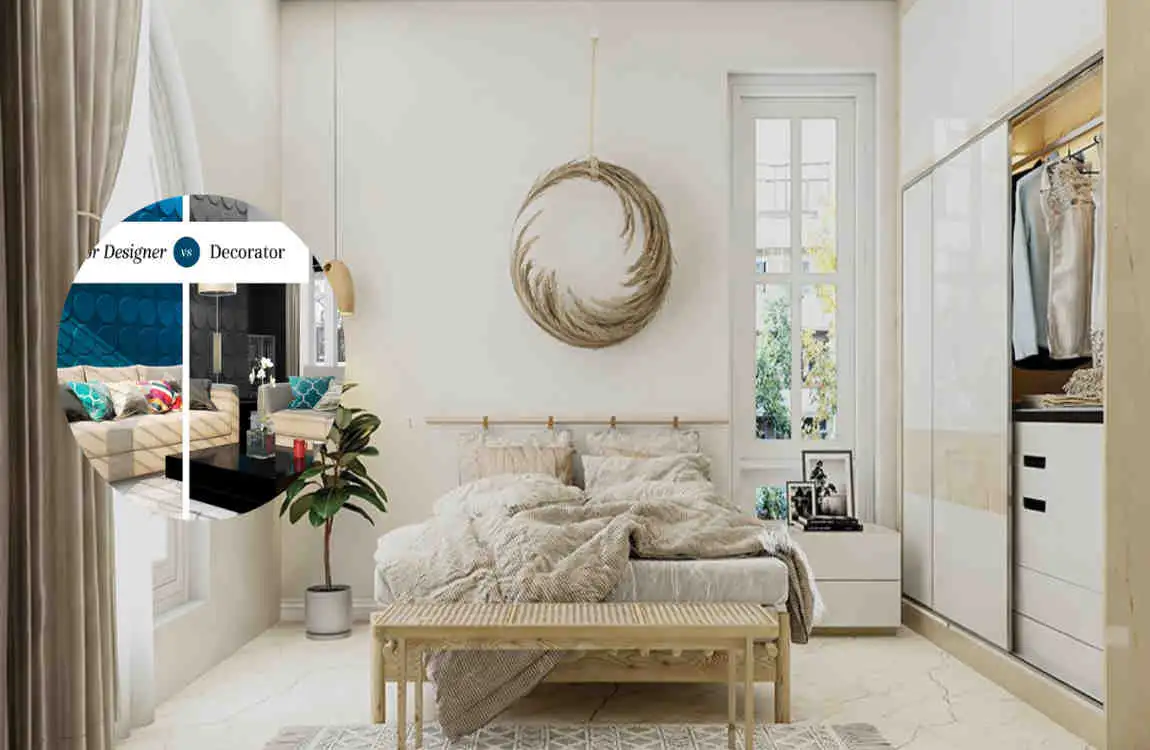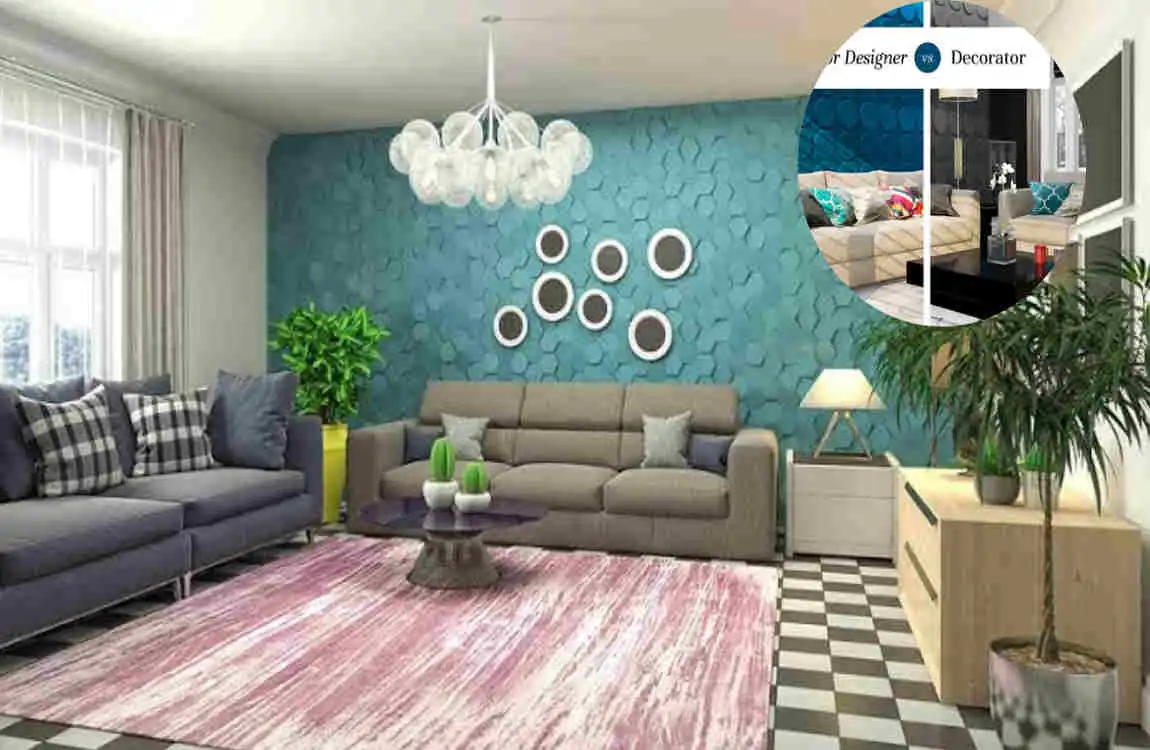
Many people use the terms interior designer and interior decorator interchangeably. In daily conversation, that mix-up is very common. Both professionals work with spaces, style, and comfort, so it is easy to assume they do the same job. But once you look closely, you will see that their roles are actually quite different.
If you have ever wondered what the difference between an interior designer and an interior decorator is, you are not alone. This question comes up often when people are planning a new home, remodelling a room, or simply trying to make their space look better. The confusion makes sense because both jobs can improve a home. Still, each one focuses on a different kind of work.
What Is an Interior Designer?

Definition and Core Role
An interior designer is a trained professional who plans how a space should work and look. Their job is not only about style. It is also about function, safety, and comfort. They think about how people move through a room, how the space is used, and how to make it both practical and attractive.
Interior designers often work on projects that involve changing a room’s structure or layout. They may help design a kitchen, plan a bathroom, or improve the flow of a living space. Their work often connects with architecture, construction, and technical planning. In simple words, they help create spaces that are beautiful and useful.
They do much more than pick paint colours or furniture. They look at the bigger picture. For example, they may ask questions like:
- Is the room easy to use?
- Is there enough light?
- Does the layout support daily life?
- Are the materials safe and suitable?
- Does the space meet local building rules?
Because of this, an interior designer plays a major role in shaping the entire environment, not just its appearance.
Education and Licensing
Most interior designers go through formal training. Many earn a degree or diploma in interior design, architecture, or a related field. Their education usually includes topics like design principles, space planning, materials, construction basics, and safety rules.
In many places, interior designers must also meet licensing or certification requirements. These rules depend on the country or region. In some areas, they need to pass exams or register with a professional body. This is because their work can affect building safety and code compliance.
This training matters because interior designers often deal with technical details. They must understand measurements, structural limits, and local regulations. Their knowledge helps them make choices that are not only stylish but also safe and practical.
Key Responsibilities
Interior designers handle a wide range of tasks. Their work often begins with understanding the client’s needs and the space itself. From there, they create a plan that brings everything together.
Some of their key responsibilities include:
- Space planning: deciding how rooms should be arranged for the best flow and function
- Building code compliance: making sure the design follows local safety and legal rules
- Electrical and plumbing coordination: working with experts to place lighting, outlets, sinks, and fixtures properly
- Material selection: choosing floors, wall finishes, cabinets, and other building elements
- Working with architects and contractors: helping turn design ideas into real spaces
This kind of work is important during remodelling, construction, or any project that changes a room’s structure. Designers also help avoid costly mistakes by planning carefully from the start.
When You Need an Interior Designer
You should consider hiring an interior designer when your project goes beyond simple decoration. They are the right choice when the space needs to be changed more deeply.
For example, you may need an interior designer if you are:
- Building a new home
- Renovating a kitchen or bathroom
- Changing walls or room layout
- Updating lighting or plumbing
- Making a space easier to use
If your project involves construction or technical planning, a designer is usually the best option. They can help you create a space that works well now and in the future.
What Is an Interior Decorator?
Definition and Core Role
An interior decorator focuses mainly on the appearance of a room. Their job is to make a space look attractive, stylish, and comfortable. Unlike designers, decorators do not usually change the structure of a room.
They work with what already exists. That means they improve the visual side of a space without moving walls or changing plumbing. Their attention is on the finishing touches that make a room feel complete.
Interior decorators think about things like:
- Color
- Texture
- Furniture
- Curtains
- Artwork
- Accessories
- Lighting style
Their goal is to create a pleasing look and a certain mood. If you want your home to feel warmer, brighter, more modern, or more elegant, a decorator can help bring that idea to life.
Skills and Training
Interior decorators do not usually need strict licensing. In many places, anyone with a good eye for style, colour, and arrangement may work as a decorator. That does not mean the job is simple. It just means the career is less regulated than interior design.
A strong interior decorator often has natural design talent, but many also take classes, workshops, or short training programs. They learn how to mix colours, choose materials, and build a balanced room design.
Their work depends heavily on creativity and taste. A good decorator knows how to make a space feel polished without making it look crowded or confusing. They understand how small changes can create a big visual impact.
Key Responsibilities
The responsibilities of an interior decorator are centred on style and presentation. They shape the mood of a space through the items people see and interact with every day.
Their work often includes:
- Furniture selection: choosing pieces that suit the room’s size and style
- Colour schemes: picking paint colours and matching tones
- Lighting choices: selecting lamps, fixtures, and decorative light elements
- Window treatments: curtains, blinds, and drapes
- Decorative accessories: rugs, pillows, mirrors, artwork, and plants
- Room styling: arranging objects to make the room feel finished and attractive
Decorators do not usually deal with structural changes or technical construction. Instead, they focus on how the room looks and feels once the main structure is in place.
When You Need an Interior Decorator
An interior decorator is a great choice when you want a visual refresh without major construction work. If your home already works well but needs a style update, a decorator can help.
You may want a decorator for:
- A home refresh
- Seasonal updates
- Furniture upgrades
- A new colour palette
- Styling a room for better visual appeal
Decorators are especially helpful when you want your home to feel more personal, modern, or coordinated. They can take a space that feels plain and turn it into something beautiful and inviting.
Interior Designer vs Interior Decorator: Key Differences
Scope of Work Comparison
The biggest difference between these two roles is the scope of work.
An interior designer works on both the structure and the appearance of a space. They deal with layout, function, and safety. Their job may include building changes, space planning, and coordination with technical professionals.
An interior decorator focuses on the surface-level look of a space. They work with furniture, colours, fabrics, and décor. They improve the room’s style but do not change its structure.
This difference is important because it helps you choose the right professional. If you need a room to work better, a designer is a better fit. If you need it to look better, a decorator may be all you need.
In simple terms:
- Designer = function + structure + style
- Decorator = style + finishing touches
Education and Certification Differences
Another major difference is training.
Interior designers usually complete formal education in design or a related field. They may also need licensing or certification, depending on where they work. Their training prepares them for the technical and legal parts of the job.
Interior decorators do not usually need a formal degree or license. Some learn through experience, short courses, or personal talent. Their work depends more on style sense than on technical knowledge.
This does not mean one role is better than the other. It simply means they are different. Designers work in a more regulated field, while decorators work in a less formal one.
Project Budget Differences
Budget is another area where the two roles differ.
An interior designer usually costs more because the work is more technical and detailed. They may be involved in planning, sourcing materials, coordinating with contractors, and checking code rules. That takes time and skill, and the price often reflects that.
An interior decorator is usually more budget-friendly. Since their work does not include structural planning or technical construction, the cost is often lower. Many homeowners choose a decorator when they want a stylish update without a big investment.
Of course, the final cost depends on the project’s size, location, and the professional’s experience level. Still, as a general rule, designers are more expensive than decorators.
Collaboration Between Both
In some projects, the best result comes from using both professionals.
For example, during a major home renovation, an interior designer may plan the layout, lighting, and structural changes. Then an interior decorator may help with furniture, colours, curtains, and styling. When they work together, the final result can feel both practical and beautiful.
This kind of teamwork is especially useful in larger homes, offices, or high-end projects. The designer builds the foundation, and the decorator adds the finishing personality.
How to Choose Between an Interior Designer and Decorator

Based on Your Project Type
The first thing to think about is the type of project you have.
If your project involves renovation, construction, or layout changes, choose an interior designer. They can help with technical planning and ensure the space functions properly.
If your project is about styling, updating, or decorating an existing room, choose an interior decorator. They can help improve the look without changing the structure.
A simple way to decide is this:
- Renovation or rebuild → designer
- Room styling or makeover → decorator
Based on the Budget
Your budget will also guide your choice.
If you have a larger budget and need more detailed planning, hiring a designer makes sense. Their work can save time and prevent mistakes, especially in bigger projects.
If your budget is limited and your space already functions well, a decorator may be the smarter option. They can still create a fresh and attractive look without the higher cost of design services.
Choosing the right expert for your budget helps you spend your money wisely.
Based on Goals
Think about your main goal.
Do you want better functionality? Then you need a designer.
Do you want better visual appeal? Then you need a decorator.
Sometimes people want both. In that case, you can start with a structural designer and then bring in a decorator to finalise the look. The key is to be honest about what your space really needs.
Ask yourself:
- Does this room work well, or does it need a better layout?
- Am I changing construction elements?
- Do I only want a style update?
- Do I want help choosing colours and furniture?
Your answers will point you in the right direction.
Common Misconceptions
“They are the same job”
This is one of the most common misunderstandings. While both professionals deal with interiors, they do not do the same work. Designers focus on function, planning, and structure. Decorators focus on appearance and styling.
“Decorators are less important”
Some people think decorators are just adding pretty items, but that is not true. A good decorator can completely change how a room feels. They help create comfort, balance, and personality. Their work has real value, especially in spaces that already function well but need a fresh look.
“Designers only make things look pretty”
This is also not true. Interior designers deal with a wide range of technical and practical details. They think about safety, space use, and building rules. Their work goes far beyond choosing attractive items.
These misconceptions often confuse. Once you understand the real roles, it becomes much easier to choose the right help for your project.
FAQs
What is the difference between an interior designer and an interior decorator?
An interior designer works on space planning, structure, and function, while an interior decorator focuses on aesthetics and styling.
Do interior designers decorate homes too?
Yes, they often do. However, decoration is only one part of their work. Their main role includes much more, such as planning layouts and coordinating technical details.
Can an interior decorator change the structural layout?
No. An interior decorator does not usually change walls, plumbing, or electrical systems. They focus on the visual side of a room.
Who is more expensive, a designer or a decorator?
An interior designer is usually more expensive because the work involves technical knowledge, planning, and sometimes licensing.
Do I need a designer or decorator for my home?
It depends on your project. If you need renovation or structural changes, hire a designer. If you want to improve style and appearance, hire a decorator.
| Aspect | Interior Designer | Interior Decorator |
|---|---|---|
| Primary Focus | Creates functional spaces by understanding how people use environments | Adorns/furnishes spaces to achieve a specific aesthetic |
| Education & Training | Requires rigorous education (architecture principles, space planning, building codes) | No formal training or licensure required |
| Scope of Work | Designs floor plans, marks blueprints, creates permit-ready construction documents | Adds/removes objects; selects furniture, art, accessories |
| Structural Changes | Modifies structure and works on layouts | Works with existing space; no structural modifications |
| Technical Work | Provides detailed CAD drawings specifying installation details | Focuses on non-permanent selections (paint, furniture, decor) |
| Trade Resources | Access to trade-only vendors and subcontractor connections | Typically works solo without trade accounts |
| Key Rule | May decorate as part of design projects | Does not design |