Close Menu

    Subscribe to Updates

    Get the latest creative news from FooBar about art, design and business.

    What's Hot

    What Are the Benefits of Living on 1 Acre?

    June 1, 2026

    Inside the Luxurious World of Frank Ragnow’s Residence House

    June 1, 2026

    How to Design Your Modern Castle Home

    June 1, 2026
    Facebook X (Twitter) Instagram
    Facebook X (Twitter) Instagram
    Crazzy Homes
    Button
    • HOME
    • HOME IMPROVEMENT
      • HOME DECOR
      • ARCHITECTURE
      • FURNITURE
      • FLOORING
      • CLEANING
      • INTERIOR
        • BEDROOM
        • BATHROOM
        • DOORS
        • WINDOW
      • EXTERIOR
        • GARDENING
    • CELEBRITY HOME

      Inside the Luxurious World of Frank Ragnow’s Residence House

      June 1, 2026

      Discover the Charm of Kate Davidson’s Home on Redfin

      May 26, 2026

      Inside Jeffrey Dean Morgan’s Dream Home: A Visual Tour

      May 25, 2026

      How to Tour Danny Wegman’s Stunning House

      May 23, 2026

      What Makes Danielle Fishel’s House Unique?

      May 22, 2026
    • Real Estate
    • PLUMBING
    • KITCHEN
      • APPLIANCES
    • LIFE STYLE
    Crazzy Homes
    Home ยป How to Design Your Modern Castle Home
    ARCHITECTURE

    How to Design Your Modern Castle Home

    Stella VictoriaBy Stella VictoriaJune 1, 2026No Comments25 Mins Read
    Facebook Twitter Pinterest LinkedIn Tumblr Email
    Modern Castle Home
    Share
    Facebook Twitter LinkedIn Pinterest Email

    Modern castle homes combine the drama of old-world architecture with the comfort of contemporary living. They take the best parts of medieval design, such as strong stone walls, towers, grand entrances, and a sense of privacy, and blend them with open floor plans, natural light, smart technology, and everyday convenience.

    That is what makes this style so appealing. It feels bold, elegant, and memorable, but it does not have to feel dark, heavy, or outdated. In fact, a well-designed modern castle home can be warm, functional, and very livable. It can give you the feel of a historic estate while still supporting how people live today.

    Table of Contents

    Toggle
    • Why Choose Modern Castle Homes?
        • Modern Castle Homes vs Traditional Luxury Homes
    • Key Design Principles for Modern Castle Homes
      • Massing and Silhouette
        • Do and Don’t Examples
      • Scale and Proportion
      • Materials and Texture
      • Light and Openings
      • Circulation and Flow
    • Planning and Site Considerations
      • Orientation and Views
      • Privacy and Natural Protection
      • Zoning, Codes, and Restrictions
      • Site Checklist
    • Exterior Design Elements
      • Faรงade Treatments
      • Towers, Turrets, and Rooflines
      • Entrances and Gateways
      • Windows and Openings
        • Visual ideas for exterior detail shots
    • Interior Layout and Key Spaces
      • The Modern Great Hall
      • Private Suites and Retreats
      • Kitchens and Dining Spaces
      • Circulation and Stairs
      • Flexible Spaces
      • Comfort Features to Include
    • Materials, Finishes, and Furnishings
      • Durable Material Choices
      • Interior Finishes
      • Furniture and Lighting
      • Maintenance Notes
    • Landscaping and Outdoor Features
      • Medieval-Inspired Gardens
      • Water Features
      • Outdoor Living
      • Security and Privacy
    • Modern Systems and Technology Integration
      • Smart-Home Essentials
      • Mechanical and Energy Systems
      • Concealing Modern Tech
    • Sustainability and Energy Efficiency
      • Passive Design Strategies
      • Responsible Material Choices
      • Renewables and Net-Zero Potential
    • Budgeting and Timeline
      • Main Cost Drivers
      • Rough Budget Ranges
      • Timeline Expectations
      • Financing and Contractor Selection
    • Working with Architects and Craftspeople
      • Choosing the Right Architect
      • Key Consultants
      • Craftspeople Matter
      • Documents and Mockups
    • Case Studies and Inspirational Examples
      • ย A Contemporary Hilltop Estate
      • ย A Courtyard-Focused Modern Castle Home
      • A Castle-Inspired Family Home with a Modern Interior
    • Common Mistakes castle home and How to Avoid Them
      • Common Mistakes
      • How to Avoid Them
    • FAQs
      • How much do modern castle homes cost per square foot?
      • Are castle-style homes practical in hot climates?
      • Can modern castle homes be energy-efficient?
      • How long does it take to build a castle-style house?
      • Do modern castle homes require special maintenance?
      • Can I add turrets or a tower to an existing home?
      • What makes a modern home feel successful in a great hall?
      • Is a courtyard a good idea for this style?

    Why Choose Modern Castle Homes?

    Modern Castle Home

    There is a reason people are drawn to castle-inspired design. It makes a statement. A home like this does not blend into the background. It stands out.

    A castle-inspired home also feels protected and grounded. Thick walls, deep openings, and a strong silhouette can create a sense of safety and calm. At the same time, modern planning can prevent the home from feeling closed off or gloomy. You get the strength of castle-inspired architecture with the comfort of a contemporary layout.

    For many homeowners, the appeal is both emotional and practical. A modern castle home can offer:

    • Strong curb appeal
    • A high level of privacy
    • Durable materials
    • Flexible interior spaces
    • A memorable resale story
    • A home that feels custom and personal

    This style is especially attractive if you want your home to feel unique. It works well for people who love historic forms but do not want to live in a literal replica of an old fortress. It also suits luxury buyers who want a home that feels rare, substantial, and intentionally designed.

    Modern Castle Homes vs Traditional Luxury Homes

    Feature Modern Castle HomesTraditional Luxury Homes

    Visual identity Strong, dramatic, historic-inspired Often cleaner and more neutral

    Exterior materials Stone, metal, timber, glass Stucco, brick, siding, mixed finishes

    Privacy High, with controlled openings and walls Moderate, depending on layout

    Customisation Very high High, but often more conventional

    Maintenance can be more involved, depending on the materials. Usually simpler, but still property-dependent

    Feel Bold, timeless, distinctive Elegant, comfortable, familiar

    The biggest advantage is that you can create something that feels personal. A fortress-style home design does not need to be cold or heavy. When done well, it feels inviting, elegant, and deeply rooted in place.

    Key Design Principles for Modern Castle Homes

    Designing a home like this is not just about adding towers and stone. It is about balance. The goal is to capture the spirit of a castle without making the house feel like a theme park version of one.

    Massing and Silhouette

    The first thing people notice is the home’s shape. This is called the massing. It includes the building’s overall size, volume, and outline.

    A good modern castle house design usually has a strong central form with smaller wings or projecting sections. Towers and turrets can add character, but they should be used carefully. If everything is exaggerated, the home can feel cluttered. If the shape is too flat, it can lose the castle feeling entirely.

    The silhouette should feel balanced and purposeful. That means the home should have a strong presence from the road, but the forms should still relate to one another. A clean roofline, a grounded base, and well-placed vertical elements can do more for the design than a dozen decorative features.

    Do and Don’t Examples

    Do:

    • Use one or two strong tower-like elements
    • Keep the main body of the home simple and grounded
    • Let the rooflines and walls work together
    • Make sure every shape has a use

    Don’t:

    • Add random turrets without a reason
    • Overload the roof with decorative details
    • Make the house look top-heavy
    • Copy medieval forms too literally

    Scale and Proportion

    Castle-inspired homes often fail when the scale is off. A real castle was built for defence and power, so it had thick walls and large volumes. A modern home needs to feel more human and comfortable.

    That is why proportion matters so much. The building should feel grand, but not overwhelming. Windows, doors, and towers all need to relate to the structure’s overall size. If a turret is too small, it looks awkward. If it is too large, it can dominate the entire home.

    The best modern castle homes use proportion to create elegance. They borrow the feeling of a historic estate but adjust it for modern life. The result is a home that feels noble, not oversized.

    Materials and Texture

    Material choice is one of the most important parts of this style. Traditional castles were heavy and durable, so your modern version should also feel rooted and substantial.

    Stone is often the star of the design. It brings weight, texture, and permanence. But stone does not need to be used everywhere. You can combine it with metal, timber, glass, and smooth plaster to create contrast. This keeps the home from feeling too dark or too rigid.

    A successful modern medieval home usually mixes rough and smooth surfaces. For example, you might pair a stone base with clean metal windows or add warm wood details against a pale stone wall. This balance helps the home feel both historic and fresh.

    Light and Openings

    Old castles had small windows because they were built for defence. A modern home, however, needs daylight, views, and a healthy connection to the outdoors.

    The trick is to design openings that feel compatible with the castle look. Deep-set windows, tall narrow openings, grouped glass panels, and carefully framed views can all work well. You can also use larger windows in private rear areas while keeping the front faรงade more contained.

    This is where contemporary castle homes really shine. They preserve the strong exterior image, but inside they open up beautifully. You do not need to choose between drama and daylight. You can have both.

    Circulation and Flow

    One of the best parts of castle-inspired design is the sense of journey. You enter through a grand doorway, move through a central hall, and then branch into private wings or upper levels. That kind of sequence creates a memorable experience.

    But modern circulation must also be practical. People want easy movement, clear sightlines, and spaces that connect naturally. A great, modern hall can serve as the central gathering point, while nearby spaces support daily life. You may have a formal living area, a casual family zone, a kitchen, and a quiet office all linked through intuitive circulation.

    The best designs use the idea of a great hall without making every room oversized. In other words, they maintain the sense of grandeur while ensuring the home still works for everyday life.

    Planning and Site Considerations

    A home with a castle influence works best when the site supports the idea. The land, views, privacy, and slope all matter.

    Orientation and Views

    Start with the sun. That may sound practical, but it is also essential. A large stone home can feel cool and heavy if it is not oriented well. Place the main living spaces where they can receive natural light. Put windows where they frame the best views. If the site has a dramatic hillside, take advantage of it.

    Many modern castle homes work beautifully on elevated land. A hilltop setting reinforces the sense of strength and presence. It also improves privacy and can give the home a more commanding silhouette.

    Privacy and Natural Protection

    Castle-inspired architecture often feels enclosed for a reason. It gives the impression of safety. You can achieve that without making the home feel closed off.

    Use the land itself as part of the design. Trees, hedges, retaining walls, and courtyards can create layers of privacy. A forecourt or gated approach can make the arrival feel special. A rear garden can feel like a hidden retreat.

    Zoning, Codes, and Restrictions

    Before you get too far into the fantasy of the design, check the real-world rules. Local zoning laws may limit building height, roof shapes, setbacks, and site coverage. Some communities also have guidelines for exterior materials or architectural styles.

    If you are building in a historic district or a protected landscape, the rules may be even stricter. This does not mean the design is impossible. It just means the planning has to happen early.

    Site Checklist

    Use this simple checklist before design begins:

    • Study the slope and drainage
    • Review sun path and wind direction
    • Note privacy from neighbours and roads
    • Identify the best views
    • Check zoning and height limits
    • Look at access for construction trucks
    • Confirm utility placement
    • Plan for outdoor spaces, walls, and gates

    Good planning makes the entire project easier. A strong site plan can turn a beautiful concept into a house that truly belongs where it stands.

    Exterior Design Elements

    The exterior is where the castle feeling comes to life. This is the part most people will see first, so every detail matters.

    Faรงade Treatments

    The faรงade sets the tone. If you want a strong stone faรงade for a modern home, you need to choose stone carefully. Natural stone brings depth and authenticity. Stone veneer can also work well if it is detailed properly and used with restraint.

    You can create different effects depending on the finish:

    • Rusticated stone gives a rough, sturdy look
    • Smooth cut stone feels cleaner and more refined
    • Limewash softens the appearance and gives a slightly aged effect
    • Modern stone veneer can reduce cost while maintaining the visual character

    The best faรงades avoid looking flat. Use wall offsets, deep window reveals, and changes in texture to create shadow and depth. This is a key part of making modern castle homes feel real rather than decorative.

    Towers, Turrets, and Rooflines

    Towers and turrets are iconic, but they must be handled carefully. They should serve the design, not overwhelm it.

    A modern turret design usually means using the turret as a real functional space. It could become a reading nook, a small office, a stair landing, or a quiet sitting area. That gives the form a purpose and makes it easier to justify in the floor plan.

    Rooflines also matter. Parapets, steep gables, and battlement-inspired edges can suggest castle form without copying it exactly. Some designs subtly use decorative crenellations. Others use parapet walls to hide roof equipment and keep the silhouette clean.

    Entrances and Gateways

    The entry should feel special. That does not mean it has to be huge, but it should feel intentional. A grand arched door, a stone surround, or a covered entry can all create a strong arrival experience.

    Some homes feature a dramatic glass pivot door set within a stone frame. This is a great way to blend old and new. You get the weight of the exterior and the lightness of the interior.

    If the site allows it, consider a gateway, courtyard wall, or forecourt before the front door. This adds layers and makes arrival more memorable.

    Windows and Openings

    Windows are one of the hardest parts of this style. They need to support the castle look while still giving enough daylight.

    Use tall openings, grouped windows, and deep reveals. These details make the walls feel thick and substantial. Dark-framed metal windows can add a modern edge. Arched openings can be used sparingly for emphasis.

    If you want the exterior to feel more historic, keep the front more restrained and reserve larger glass walls for private garden-facing sides. That approach helps the home feel noble from the street and open where it matters most.

    Visual ideas for exterior detail shots

    • Stone faรงade with a glass bridge connection
    • Turret with a reading nook inside
    • Grand arched entry with a modern pivot door
    • Deep-set windows with warm interior light
    • Parapet roofline viewed at sunset

    Interior Layout and Key Spaces

    The interior of modern castle homes should feel as thoughtful as the exterior. This is where the old-world inspiration really meets modern comfort.

    The Modern Great Hall

    The great hall is one of the most important ideas in the whole design. In a medieval castle, it was the central room for gathering, dining, and social life. In a modern version, it can become the heart of the house.

    A modern great hall home usually works best as a large, open living space with double-height volume, a fireplace, and strong visual connections to other areas. It can include the main seating area, a reading corner, a dining zone, or even a small gallery wall.

    What makes it special is not just the size. It is the feeling. When you walk in, the room should make you pause. It should feel warm, open, and central to the home’s life.

    To keep the room usable, think about acoustics, furniture placement, and lighting layers. Large spaces can feel echoey if they are not treated properly. Use rugs, wood accents, fabric panels, and layered lighting to soften the sound.

    Private Suites and Retreats

    A castle-style home should not be all public grandeur. It also needs quiet, private rooms where people can relax.

    The primary suite can include a turret sitting room, a private study, or a reading bay. Guest rooms can feel like small retreats rather than standard bedrooms. If the house is large enough, a separate wing for guests or older family members can improve comfort and privacy.

    This is also a good place to think about ageing in place. Wider doorways, easier bathroom access, and minimal step changes can make the home more practical over time.

    Kitchens and Dining Spaces

    The kitchen in a castle-inspired home should feel generous, social, and efficient. Modern owners usually want an open kitchen with strong flow, hidden storage, and high-quality appliances.

    You can take cues from banquet halls and service kitchens without copying them directly. For example, a large island, a long dining table, and a pantry behind the scenes can create a sense of abundance while keeping the space organised.

    Many homeowners like to combine a formal dining room with a more casual breakfast area. That way, the home supports both everyday life and special gatherings.

    Circulation and Stairs

    Stairs can become a major architectural feature. A sweeping staircase can create drama, while a hidden secondary stair can improve daily convenience. In larger homes, an elevator may also be worth planning from the start.

    One of the best things you can do is make circulation feel intuitive. People should know where to go without confusion. Even in a large house, the movement should feel smooth and natural.

    Flexible Spaces

    A modern castle home should not be locked into one idea of living. It needs flexible rooms that can change over time.

    Consider spaces such as:

    • Home office or library
    • Media room
    • Art gallery wall
    • Indoor garden or conservatory
    • Music room
    • Quiet study in a turret
    • Craft room or flexible guest space

    These rooms make the home more livable. They also help the design feel more personal than purely symbolic.

    Comfort Features to Include

    To make the interior truly work, do not forget the practical systems:

    • Acoustic treatment for large rooms
    • HVAC zoning for different wings
    • Daylighting strategies to prevent dark corners
    • Accessibility planning for long-term use
    • Storage hidden behind beautiful millwork

    A beautiful interior is only successful when people enjoy living in it every day. That is the real test of modern castle homes.

    Materials, Finishes, and Furnishings

    The right materials create atmosphere. They also determine how the house ages, how much maintenance it needs, and how expensive it will be to build.

    Durable Material Choices

    A castle-inspired home usually benefits from sturdy, tactile materials. Good options include:

    • Quarried stone
    • Cast stone
    • Engineered stone veneer
    • Steel detailing
    • Reclaimed timber
    • Heavy plaster finishes

    These materials help the home feel rooted and lasting. They also create texture, which is important in a design style that relies on shadow and depth.

    Interior Finishes

    Inside, the palette can be rich but controlled. Polished concrete floors can work well in some areas, especially if you want a modern edge. Plaster walls offer softness. Wood ceilings add warmth. Stone floors may be appropriate in entry spaces or great halls.

    Textiles matter too. Leather, wool, linen, and velvet can all support the mood. They should feel inviting rather than heavy. The goal is a layered interior that feels luxurious but still comfortable.

    Furniture and Lighting

    Furniture should balance medieval inspiration with clean modern lines. You do not need oversized carved pieces everywhere. Instead, mix a few strong traditional references with simple contemporary forms.

    For lighting, use layers. A statement chandelier can create drama in the great hall, while recessed lighting or wall washers can handle general illumination. Sconces, table lamps, and accent lights can help stone walls feel warmer at night.

    Maintenance Notes

    Beautiful materials need care. Stone may require sealing. Outdoor walls may need cleaning over time. Certain finishes can develop efflorescence, a white mineral deposit that forms when moisture moves through stone or masonry.

    Roof maintenance also matters. Since the roofline is often complex in this style, you should expect periodic inspection and upkeep. A well-built modern medieval home can last for generations, but only if the materials and maintenance plan are realistic from the beginning.

    Landscaping and Outdoor Features

    The land around the house should support the same feeling as the architecture. A castle-style home looks best when the outdoor design is equally intentional.

    Medieval-Inspired Gardens

    Courtyards, walled gardens, and formal planting schemes can all strengthen the design. These spaces create structure and privacy while also softening the heavy look of stone.

    You might include:

    • A formal front courtyard
    • A hidden kitchen garden
    • A gravel walk with hedging
    • A small orchard or herb garden
    • A central lawn framed by stone walls

    This is where courtyard house modern ideas can be especially useful. A courtyard helps connect the home to the outdoors while keeping the overall composition private and enclosed.

    Water Features

    Water adds calm and reflection. A shallow moat-like water feature can be reinterpreted in a modern way as a reflecting pool or narrow channel. Fountains can create sound and movement. Even a small water element can greatly improve the atmosphere.

    A modern home with a moat water feature does not need to look medieval in a literal sense. It can be subtle, refined, and abstract while still evoking the feeling of a fortified estate.

    Outdoor Living

    Castle homes can support excellent outdoor living. Think terraces off the great hall, a sheltered dining court, a fire pit area, or a raised stone patio with views.

    If the site is large enough, outdoor rooms can be linked together with paths, gates, and planting. This creates a sense of discovery as you move across the property.

    Security and Privacy

    Privacy is part of the castle idea, so landscape design should help reinforce it. Hedges, walls, gates, and layered planting can all make the home feel protected. This does not mean it needs to feel closed. It just means the boundary between public and private space should be intentional.

    Modern Systems and Technology Integration

    A beautiful home still needs to work in the real world. That is why systems planning matters so much.

    Smart-Home Essentials

    Modern technology should support the architecture, not fight it. Lighting scenes, climate control, security systems, Audio, and window treatments can all be automated seamlessly.

    The goal is simple: when you enter the home, everything should work quietly in the background. Lights should adjust easily. Cameras and alarms should be discreet. Entertainment systems should not interrupt the visual design.

    Mechanical and Energy Systems

    Large stone homes can be demanding to heat and cool. That is why the mechanical design should be handled early. Zoned HVAC, radiant floor systems, and energy-efficient equipment can make a big difference.

    If the design allows, geothermal or heat pump systems can reduce energy use. Solar can also be considered, though it must be integrated carefully so it does not distract from the exterior composition.

    Concealing Modern Tech

    One of the challenges in modern castle homes is hiding modern systems without making the building feel fake. Vents, returns, speakers, and wiring need to be placed carefully. Ideally, they should disappear into walls, ceilings, or millwork.

    The same goes for lighting and controls. A castle-inspired home should feel timeless on the surface, even if the technology behind it is very advanced.

    Sustainability and Energy Efficiency

    It may seem like a stone-heavy home would be difficult to make efficient, but that is not necessarily true. With the right decisions, it can perform very well.

    Passive Design Strategies

    Stone has thermal mass, which helps moderate indoor temperature changes. That is useful in many climates. If the home is well oriented, its walls and windows can support passive heating and cooling strategies.

    High-performance glazing is especially important. You want good insulation and strong window performance without losing the castle look. Careful shading and solar orientation can also improve comfort.

    Responsible Material Choices

    Sustainability is not just about energy. It is also about sourcing. Reclaimed stone, locally quarried materials, and low-VOC finishes can reduce environmental impact. Timber should come from responsible sources whenever possible.

    These choices also help the home feel more authentic. Materials from the region often look more natural in the landscape.

    Renewables and Net-Zero Potential

    It is possible to plan for renewable systems in a castle-inspired home. Solar, battery storage, efficient heating and cooling, and airtight construction can all help. Net-zero performance may be challenging in a very large house, but serious reductions in energy use are absolutely possible.

    The key is to treat sustainability as part of the design, not as an afterthought. When that happens, the home can feel both timeless and forward-thinking.

    Budgeting and Timeline

    A home of this type is usually complex, so budgeting must be realistic.

    Main Cost Drivers

    Some elements often drive costs more than others:

    • Custom stonework
    • Structural complexity
    • Towers and turret details
    • Bespoke millwork
    • High-performance windows
    • Mechanical systems
    • Custom finishes and hardware

    Because of these factors, modern castle homes usually cost more than standard custom homes. That is normal. The key is to decide where to invest and where to simplify.

    Rough Budget Ranges

    These ranges are very general and vary by location, labour market, and design complexity:

    Project TypeApproximate RangeNotes

    Modest castle-inspired home Lower luxury range Simple massing, selective stone use

    Mid-range custom build Mid to upper range More detail, better finishes, larger footprint.

    Ultra-luxury estate High luxury range Full custom work, heavy masonry, complex systems

    Timeline Expectations

    A project like this takes time. A realistic sequence may look like this:

    • Design phase: 3โ€“9 months
    • Permitting and approvals: 1โ€“6 months
    • Construction: 12โ€“36 months

    The more custom the home, the longer it usually takes. That is why early planning matters. Good decisions at the beginning can save a lot of stress later.

    Financing and Contractor Selection

    Choose a contractor who understands complex detailing, stone construction, and large custom homes. Ask for examples of similar work. Make sure your budget includes a contingency. The unexpected is always bound to happen on a project this detailed, and a reserve fund can protect the design.

    Working with Architects and Craftspeople

    The right team can make or break this kind of project.

    Choosing the Right Architect

    Look for an architect who understands both historic inspiration and modern livability. Their portfolio should show thoughtful custom homes, not just generic luxury work.

    You want someone who knows how to manage scale, detail, and proportion. You also want someone who can translate your ideas into a functional plan, not just a pretty sketch.

    Key Consultants

    Depending on the project, you may need:

    • Structural engineer
    • Landscape architect
    • Lighting designer
    • Mechanical engineer
    • Conservation advisor, if the site is historic or regulated
    • Interior designer with experience in large custom homes

    Each consultant plays a part in making the house work as a whole.

    Craftspeople Matter

    The best homes of this type rely on skilled trades. Stonemasons, metal fabricators, millworkers, plaster specialists, and carpenters all bring the design to life.

    This is not the place to cut corners. Craftsmanship is part of the home’s final character. When skilled hands shape the materials, the home feels more authentic and more valuable.

    Documents and Mockups

    Ask for clear construction documents and, when needed, material mockups. A sample wall can help you see how stone, mortar, windows, and trim will work together. This small step can prevent expensive mistakes later.

    Case Studies and Inspirational Examples

    Real projects can help you understand how the style works in practice.

    ย A Contemporary Hilltop Estate

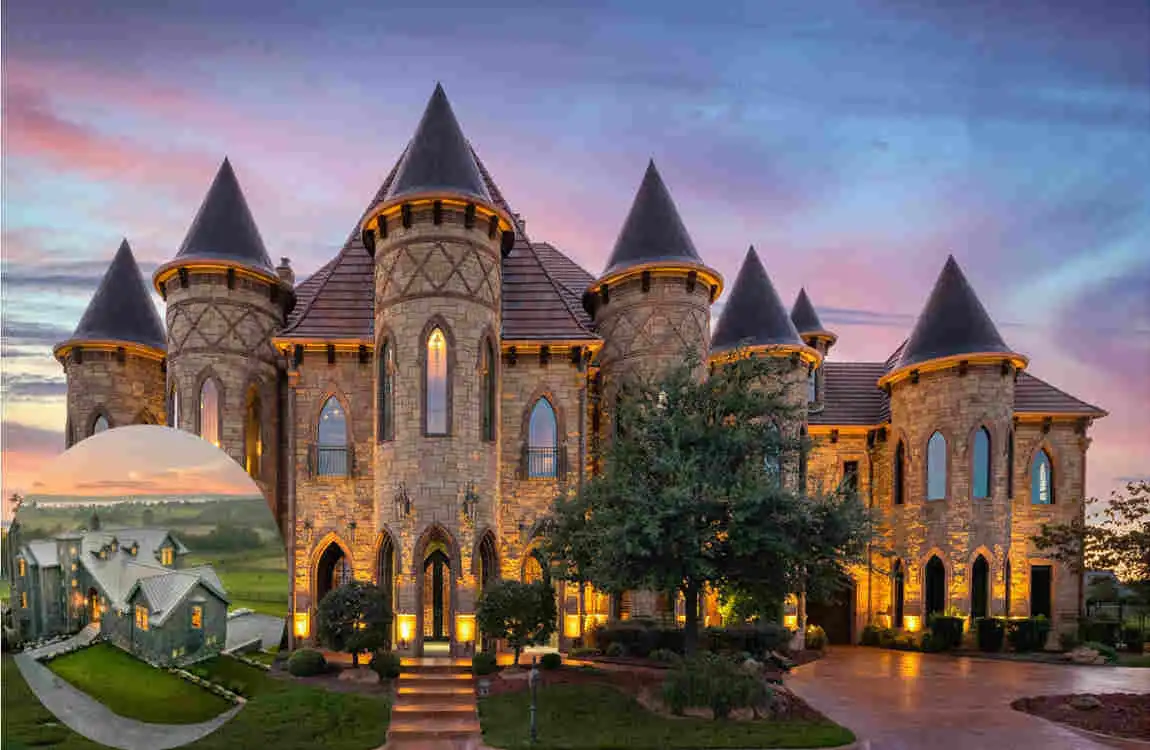
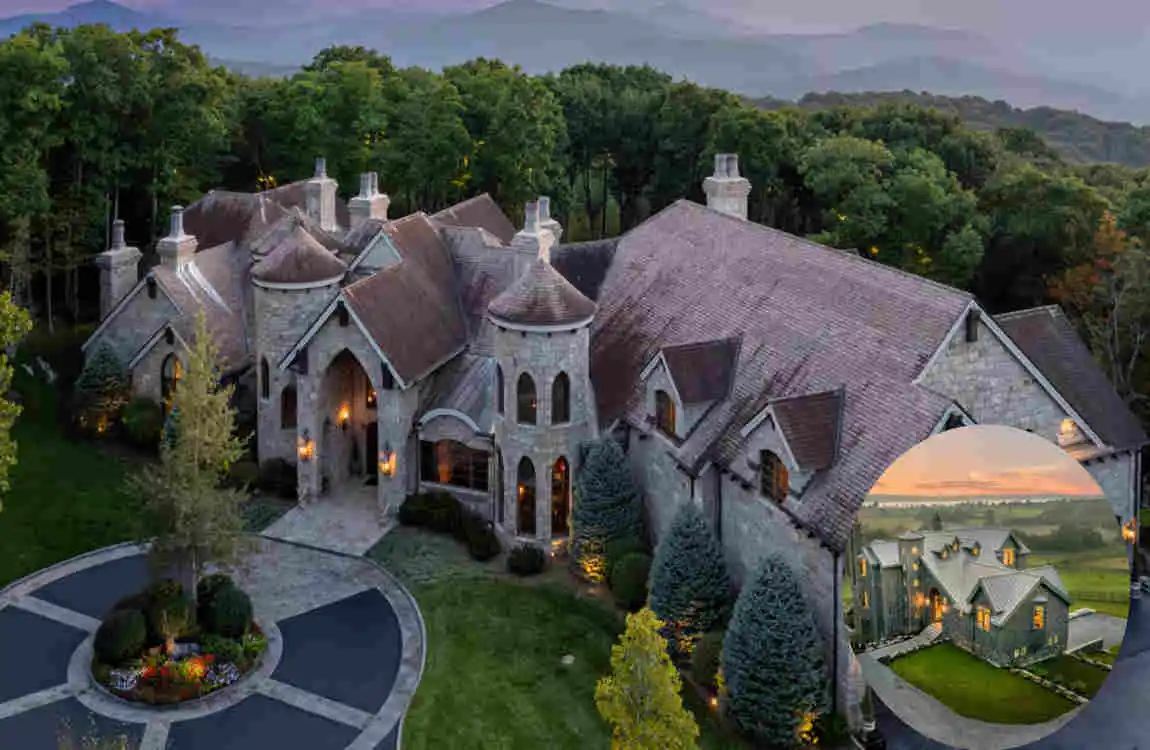
    A hilltop estate with strong stone walls, a central tower, and large rear glazing can show how contrast works. The exterior may feel closed and protective from the street, while the garden side opens wide to views.

    What to emulate: strong silhouette, controlled openings, and a clear front-to-back transition.

    What to avoid: making every side equally heavy and dark.

    ย A Courtyard-Focused Modern Castle Home

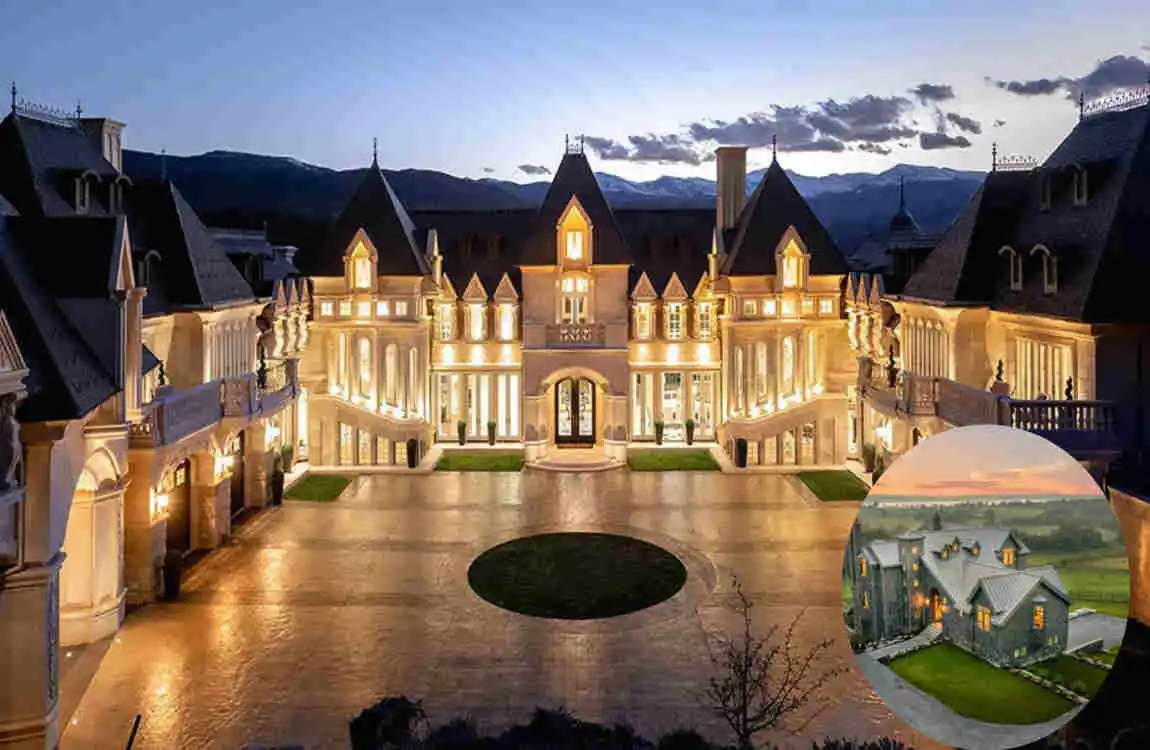
    Some designs organise the house around a central courtyard. This works especially well on larger sites or in warmer climates. The courtyard gives light, privacy, and a beautiful centre for family life.

    What to emulate: layered entry sequence, inward-facing calm, and elegant outdoor rooms.

    What to avoid: making the courtyard too large and exposed.

    A Castle-Inspired Family Home with a Modern Interior

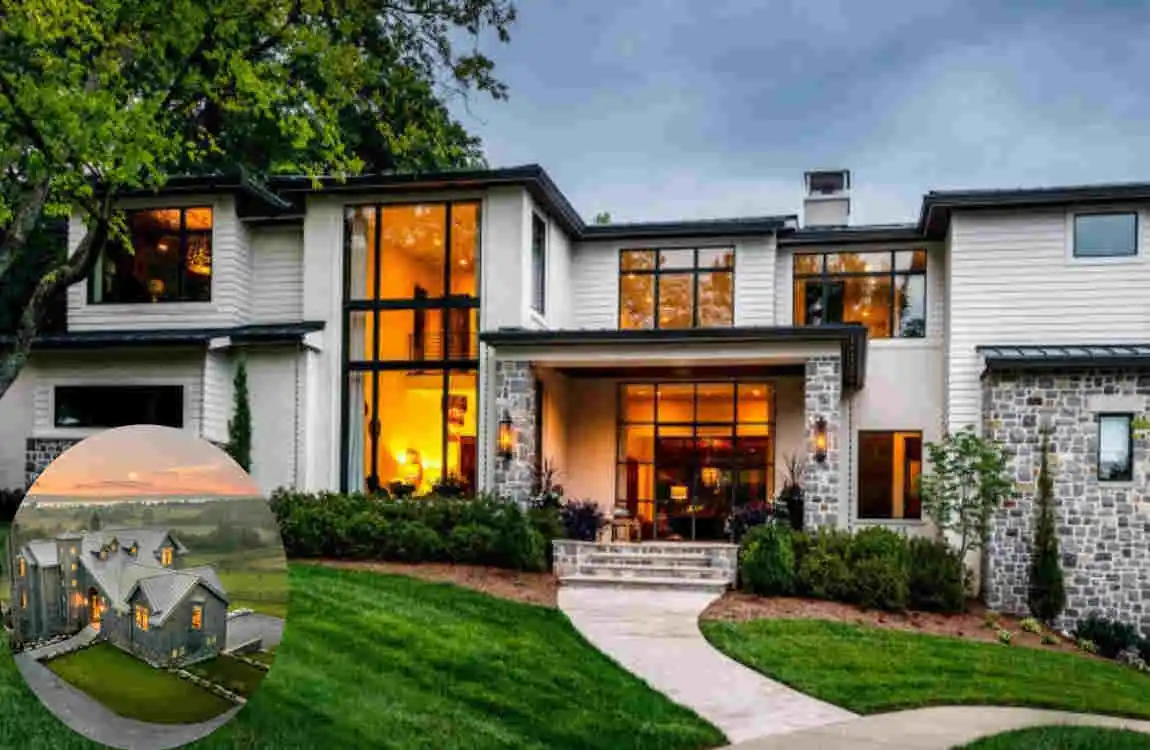
    This type of home may feature a stone exterior, a steep roofline, and a turreted corner. Still, the interior is open, bright, and simple. It proves that a home can look historic on the outside and feel modern on the inside.

    What to emulate: balance, comfort, and functional planning.

    What to avoid: overdecorating the interior to match the exterior too literally.

    The best inspiration usually comes from homes that understand restraint. The most successful modern castle homes are not the most decorated ones. They are the ones who feel coherent.

    Common Mistakes castle home and How to Avoid Them

    modern castle homes
    Common Mistakes and How to Avoid Them

    Many projects go wrong for the same reasons. The good news is that most of these problems are preventable.

    Common Mistakes

    • Overdoing historic detail
    • Ignoring natural light
    • Making towers decorative only
    • Choosing materials that are too expensive to maintain
    • Forgetting about HVAC, acoustics, or storage
    • Designing for the look instead of the life inside the home

    How to Avoid Them

    Keep the design purposeful. Every major form should have a reason. Make daylight a priority. Use stone and other heavy materials in a balanced way. And always think about how the house will feel once the construction excitement is over.

    A castle-inspired home should be beautiful, but it should also be easy to live in.

    FAQs

    How much do modern castle homes cost per square foot?

    Costs vary widely based on location, size, materials, and detail level. Because of custom stonework and complex forms, modern castle homes often cost more per square foot than standard custom homes. The best way to estimate accurately is to price the design early with your architect and contractor.

    Are castle-style homes practical in hot climates?

    Yes, they can be. In hot climates, deep walls, shaded openings, courtyards, and high-performance glazing can help keep the home comfortable. The design should be adapted to the climate rather than copied directly from cold-weather historic castles.

    Can modern castle homes be energy-efficient?

    Absolutely. With good orientation, strong insulation, efficient windows, tight construction, and modern mechanical systems, contemporary castle homes can perform very well. Sustainability depends more on design quality than style.

    How long does it take to build a castle-style house?

    A typical construction timeline ranges from about 12 to 36 months, plus several months for design and permitting. Larger or more detailed homes can take longer, especially if there are custom masonry or turret elements.

    Do modern castle homes require special maintenance?

    They can, especially if they use heavy stone, complex roofs, or custom details. Regular inspections, sealing where needed, and proper drainage are important. A well-built home will age beautifully, but it should still be maintained with care.

    Can I add turrets or a tower to an existing home?

    In many cases, yes. A turret or tower can be added if the structure, zoning, and budget allow it. The new element should feel proportional and functional. A modern turret design approach works best when the new feature has a real use, such as a study, a stair landing, or a sitting room.

    What makes a modern home feel successful in a great hall?

    It should feel central, welcoming, and useful. The great hall needs strong proportions, comfortable acoustics, good lighting, and a clear connection to the rest of the house. It should support daily living, not just look impressive.

    Is a courtyard a good idea for this style?

    Yes. A courtyard can add privacy, daylight, and outdoor living space. It also strengthens the castle feeling without making the home feel too closed. For many modern castle homes, it is one of the smartest designย  ย moves.

    Design Element Key Tips for a Modern Castle Home
    Exterior Style Blend medieval features (towers, turrets, stone walls, steep mansard roofs) with clean modern lines
    Materials Use natural stone for insulation and energy efficiency; pair with modern glass, steel, and concrete accents
    Floor Plan Choose spacious layouts with open living areas, in-law/guest suites, and master bedroom on ground floor for accessibility
    Kitchen Install a spacious island kitchen that flows into dining/living areas; include gourmet amenities for entertaining
    Windows & Light Add large windows, skylights, or transparent roof sections to bring natural light into great halls and living spaces
    Share. Facebook Twitter Pinterest LinkedIn Tumblr Email
    Stella Victoria

    Related Posts

    What Are the Benefits of Living on 1 Acre?

    June 1, 2026

    How to Design a Modern Home in the Woods

    June 1, 2026

    How to Design a Modern Home Showroom

    May 26, 2026
    Leave A Reply Cancel Reply

    Top Posts

    Blueface House costs how much?

    May 24, 2024

    Unveiling the Secret of Luke Combs House in Nashville

    June 16, 2024

    What Are the Benefits of Living on 1 Acre?

    June 1, 2026
    Stay In Touch
    • Facebook
    • YouTube
    • TikTok
    • WhatsApp
    • Twitter
    • Instagram
    Latest Reviews

    Stay Connected

    Fill the form below and get early updates.

    Most Popular

    Blueface House costs how much?

    May 24, 2024

    Unveiling the Secret of Luke Combs House in Nashville

    June 16, 2024

    What Are the Benefits of Living on 1 Acre?

    June 1, 2026
    Latest Posts

    What Are the Benefits of Living on 1 Acre?

    June 1, 2026

    Inside the Luxurious World of Frank Ragnow’s Residence House

    June 1, 2026

    How to Design Your Modern Castle Home

    June 1, 2026

    Did we make a mistake?

    Submit a correction suggestion and help us fix it!

    Facebook X (Twitter) Instagram Pinterest
    • About us
    • Contact us
    • Privacy Policy
    • Disclaimer
    • Terms And Conditions
    © 2026 ThemeSphere. Designed by ThemeSphere.

    Type above and press Enter to search. Press Esc to cancel.