
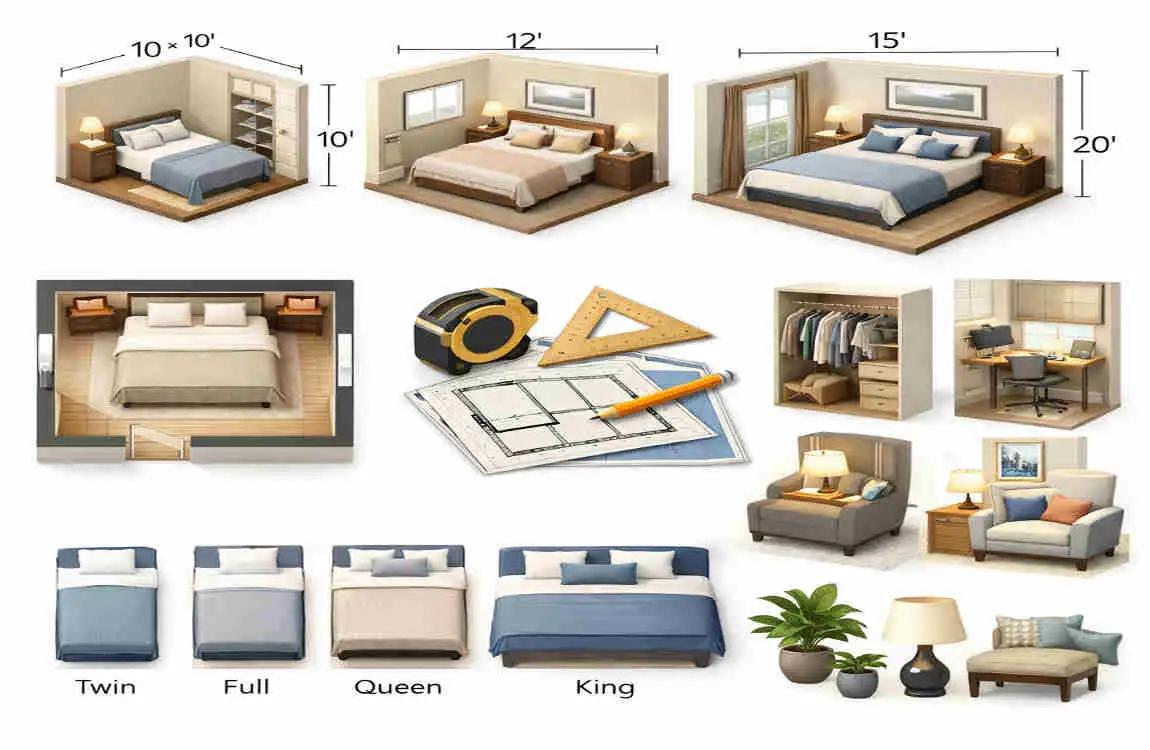
When you are planning a home, the size of the bedroom matters more than many people think. It affects comfort, storage, movement, and even how the whole home feels. A bedroom that is too small can feel cramped. A room that is too large may feel empty or hard to furnish.
That is why many homeowners and buyers ask what a standard bedroom size is. The answer is not the same everywhere, but there are common size ranges that work well in most homes. These sizes allow you to fit a bed and basic furniture, with enough open space to move around comfortably.
What Is a Standard Bedroom Size?
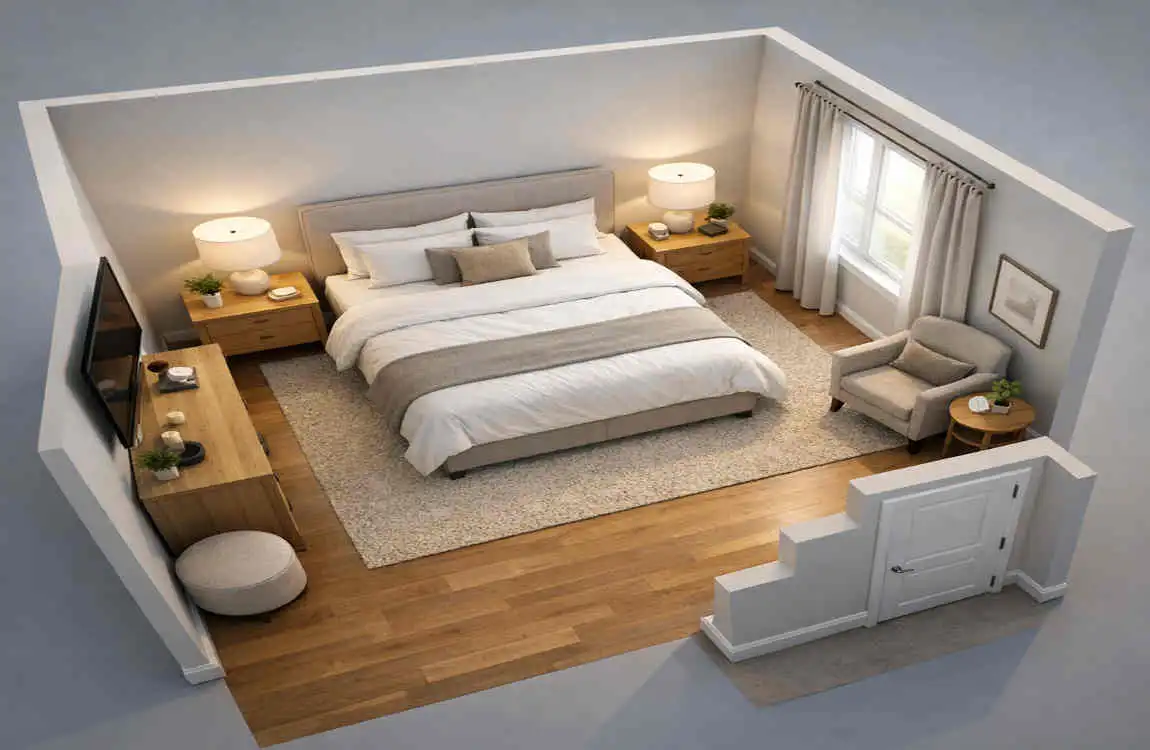
Average Standard Bedroom Dimensions
A standard bedroom size usually falls between 100 and 150 square feet. This size is often enough for a bed, a dresser, and simple walking space.
Here is a quick look at common bedroom types:
Bedroom TypeAverage SizeSuitable For
Small Bedroom 70–100 sq. ft. Single person, kids, office-bedroom combo
Standard Bedroom 100–150 sq. ft. Adults, guests, teenagers
Main Bedroom 200–400+ sq. ft. Couples, luxury homes
Guest Bedroom 100–200 sq. ft. Visitors and occasional use
What Makes a Bedroom “Standard”?
A bedroom is considered standard when it gives you enough space for the bed, storage, and movement. It should not feel tight when you walk in, and it should accommodate furniture without blocking doors or windows.
In simple words, a standard room feels practical and comfortable for daily use.
Standard Bedroom Size Based on Home Type
Bedroom Sizes in Apartments
Apartments often have smaller bedrooms. This is because space is limited, so designers try to make every square foot count.
In many apartment homes, a standard bedroom may lean toward the smaller side of the normal range. Smart layouts matter here. A bed against the wall, built-in storage, and light-colored walls can make the room feel more open.
Bedroom Sizes in Single-Family Homes
Single-family homes usually offer more flexibility. Bedrooms may be larger, with more room for wardrobes, desks, or seating areas.
This makes it easier to create a room that fits your needs. You can choose a simple layout or a more spacious one depending on how the room will be used.
Bedroom Sizes in Luxury Homes
Luxury homes often have larger master suites. These spaces may include:
- Walk-in closets
- Sitting areas
- Private bathrooms
In this case, the bedroom is more than a sleeping space. It becomes a full relaxation zone with room to spread out.
Minimum Bedroom Size Requirements
Legal Minimum Bedroom Dimensions
The legal minimum bedroom size depends on local building codes. Different places have different rules, but many require the room to meet basic standards for:
- Floor area
- Ceiling height
- Emergency exits
- Window access
This means a room cannot always be called a bedroom just because it has a bed.
Why Minimum Size Standards Matter
Minimum standards help keep the room safe and useful. They support:
- Better air circulation
- Natural light
- Safe movement
- Comfortable daily use
So when you think about standard bedroom dimensions, consider both comfort and safety.
Standard Bedroom Dimensions by Bed Size
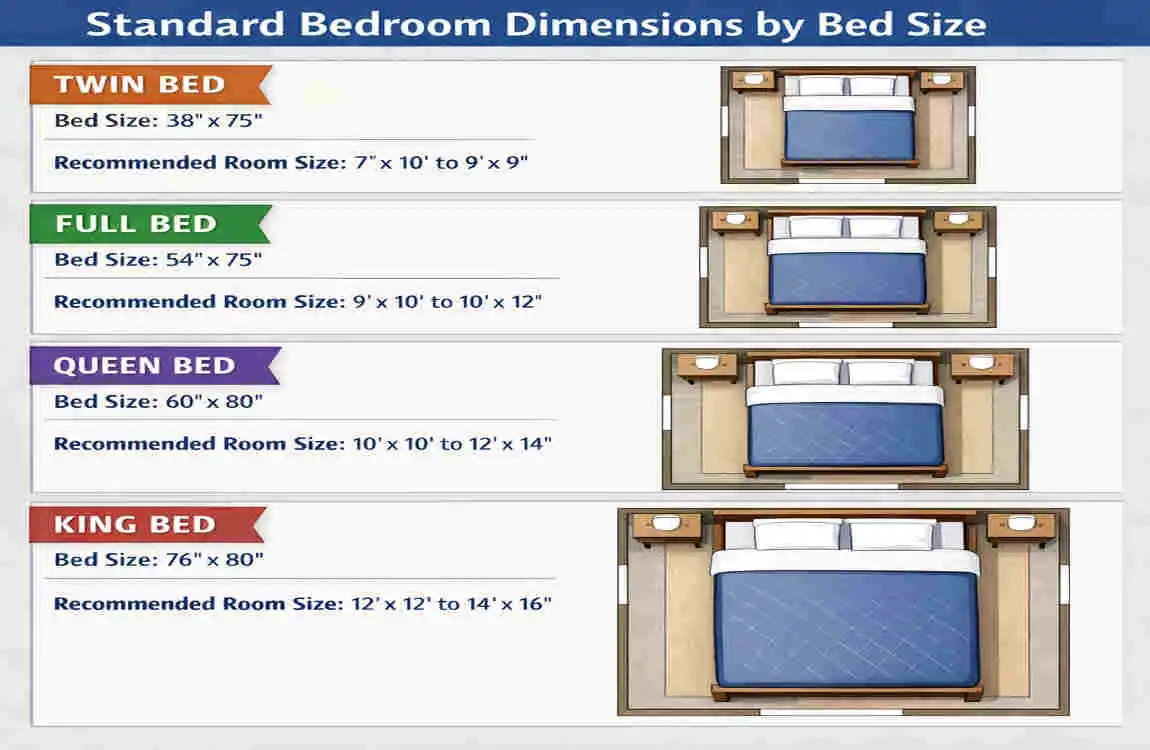
Twin Bed Bedroom Size
A twin bed works well in small bedrooms, especially for children or one person.
A room around 7 × 10 feet or larger can work, but more space always feels better. This gives enough room for the bed and a small storage unit.
Full/Double Bed Bedroom Size
A full bed needs more room than a twin bed. A bedroom around 10 × 10 feet or larger is usually a good starting point.
You will also want space for side tables or a dresser if possible.
Queen Bed Bedroom Size
A queen bed is a very common choice for couples. A room around 10 × 12 feet or larger is often comfortable.
This allows enough walking space around the bed and room for basic furniture.
King Bed Bedroom Size
A king bed needs a larger room to avoid feeling crowded. A room around 12 × 12 feet or larger is usually better.
If the room is too small, the bed may take up the entire space, leaving little room for movement.
Bed Size and Room Space Table
Bed Type Recommended Bedroom Size
Twin Bed 7 × 10 ft or larger
Full Bed 10 × 10 ft or larger
Queen Bed 10 × 12 ft or larger
King Bed 12 × 12 ft or larger
How to Design a Standard Bedroom Layout
Consider Furniture Placement
The bed should usually be the main focus of the room. Place it so that movement stays easy and the door does not feel blocked.
Try to keep windows open and usable. A good bedroom layout should make the room feel balanced rather than crowded.
Create Proper Space Around the Bed
You should leave enough room to walk around the bed without squeezing sideways. Even a small gap on each side can make the room feel much more comfortable.
If you can, keep at least a small buffer around the bed, dresser, and closet area.
Add Storage Solutions
Storage is a big part of good bedroom planning. A neat room always feels bigger.
Useful storage ideas include:
- Built-in wardrobes
- Under-bed storage
- Floating shelves
- Multi-purpose furniture
These options help reduce clutter without taking up too much floor space.
Factors That Affect Bedroom Size
Number of Occupants
A bedroom for one person may be smaller than a room for a couple. Children’s rooms also require less space than master bedrooms, but they still need enough room for sleeping, studying, and storage.
Furniture Requirements
The more furniture you want, the more space you need. A room with a bed, desk, wardrobe, and reading chair needs more square footage than a simple sleeping room.
Home Style and Architecture
The style of the home matters too. Tiny homes, modern apartments, traditional houses, and luxury properties all use space differently.
That is why the ideal bedroom size depends on the overall design, not just a single number.
Small Bedroom Design Ideas
Use Space-Saving Furniture
Small rooms can still feel comfortable if you choose the right furniture. Good choices include:
- Foldable desks
- Storage beds
- Wall-mounted shelves
These pieces save space while keeping the room useful.
Choose Light Colors
Light colors can make a room feel larger and brighter. Shades like white, beige, and soft gray help open up the space visually.
Improve Lighting
Good lighting matters a lot in a small room. Use natural light where possible, and add layered lighting with lamps or ceiling lights.
Mirrors also help reflect light and make the room feel more open.
Large Bedroom Design Ideas
Create Functional Zones
A large bedroom can feel more organized if you divide it into zones. For example:
- Sleeping area
- Reading corner
- Work area
This helps the room feel thoughtful and well planned.
Add Luxury Features
If you have more room, you can add features like:
- Walk-in closet
- Accent wall
- Seating furniture
These details make the bedroom feel more complete and stylish.
Maintain Balance
A large room can still look awkward if it is overfilled or underfilled. Use furniture that fits the room size, and leave enough open space so the design feels calm.
Standard Master Bedroom Size Guide
What Is the Average Main Bedroom Size?
A main bedroom usually ranges from 200 to 400 square feet, though some are even larger in luxury homes.
This provides enough space for a larger bed, storage, and often a private bathroom or sitting area.
Essential Main Bedroom Features
A good main bedroom should include:
- Comfortable bed space
- Enough storage
- Good lighting
- Easy bathroom access
It should feel restful and private.
How to Calculate the Right Bedroom Size for Your Home
Measure Available Space
Start with the basics: length × width. This gives you the total square footage.
Then think about where the doors, windows, and closets are located.
Plan Furniture Placement First
Before building or buying furniture, decide what the room must hold. This keeps you from choosing a space that is too small or too large for your needs.
Consider Future Needs
Your bedroom needs may change over time. You may need more storage, a work desk, or room for a growing family.
Planning can save you trouble later.
Common Bedroom Design Mistakes to Avoid
Choosing the Wrong Room Size
A room that is too small can feel cramped. A room that is too large without enough furniture may feel cold or unfinished.
Poor Furniture Arrangement
Furniture should support movement, not block it. Avoid placing large items in walkways or in front of windows.
Ignoring Storage Needs
If you do not plan for storage, clutter builds up fast. That can make even a large bedroom feel messy and small.
Modern Bedroom Design Trends
Minimalist Bedroom Layouts
Many people now prefer clean, simple rooms with fewer pieces of furniture. This style feels calm and easy to maintain.
Smart Bedroom Features
Smart lighting and temperature control are becoming more common. These features add comfort and make the room easier to use.
Multi-Functional Bedrooms
Some bedrooms now serve more than one purpose. A bedroom may also include a desk, reading area, or small workspace.
This is especially helpful in modern homes where space matters.
Benefits of Having the Right Bedroom Size
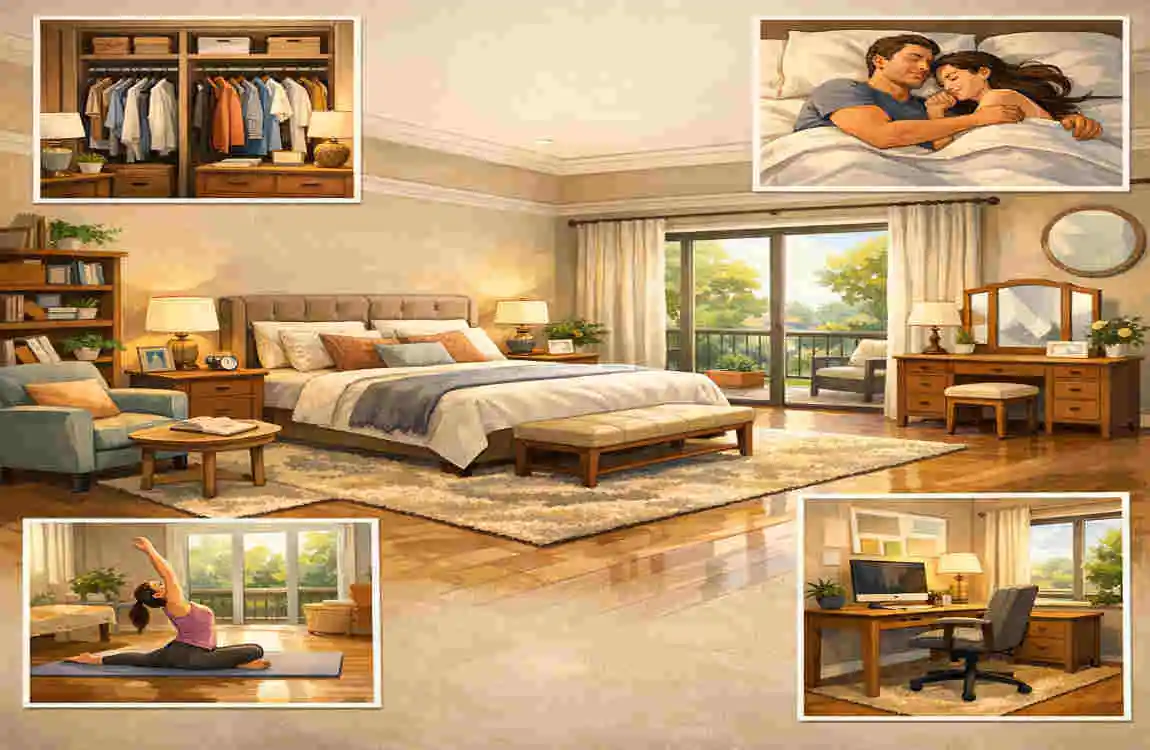
A well-sized bedroom brings many benefits:
- Better comfort
- Improved organization
- Higher home value
- Better daily living
When the room size matches your needs, the whole home feels easier to enjoy.
Frequently Asked Questions
What is a standard bedroom size?
A standard bedroom size is usually around 100 to 150 square feet.
Is a 10×10 bedroom considered standard?
Yes, a 10×10 bedroom is often considered a small but functional standard bedroom.
What is the minimum size for a bedroom?
The minimum size depends on local building codes, but most areas require enough space, proper ventilation, and safe access.
What is a good bedroom size for a queen bed?
A bedroom around 10×12 feet or larger is usually comfortable for a queen bed.
How big should a main bedroom be?
A typical main bedroom is around 200 to 400 square feet.
Can a small bedroom still look spacious?
Yes. Smart furniture, light colors, and good lighting can make a small room feel much larger.
| Bedroom Type | Standard Size (Approx.) | Dimensions (Feet) | Layout & Design Notes |
|---|---|---|---|
| Small Bedroom | 70–100 sq. ft. | 7 × 10 ft to 10 × 10 ft | Best for a single bed, small storage, and compact furniture. Use light colors and space-saving designs. |
| Standard Bedroom | 120–150 sq. ft. | 10 × 12 ft to 12 × 12 ft | Common bedroom size with enough space for a queen bed, nightstands, wardrobe, and walking area. |
| Master Bedroom | 200–300 sq. ft. | 14 × 16 ft to 16 × 20 ft | Offers space for a king bed, seating area, large closets, and luxury design features. |
| Guest Bedroom | 100–150 sq. ft. | 10 × 10 ft to 12 × 12 ft | Designed for comfort with a bed, storage, and simple decorative elements. |
| Kids’ Bedroom | 80–120 sq. ft. | 8 × 10 ft to 10 × 12 ft | Should include sleeping space, study area, toys/storage, and safe movement space. |
| Luxury Bedroom | 300+ sq. ft. | 18 × 20 ft or larger | Includes sitting areas, walk-in closets, attached bathrooms, and premium interior finishes. |
