
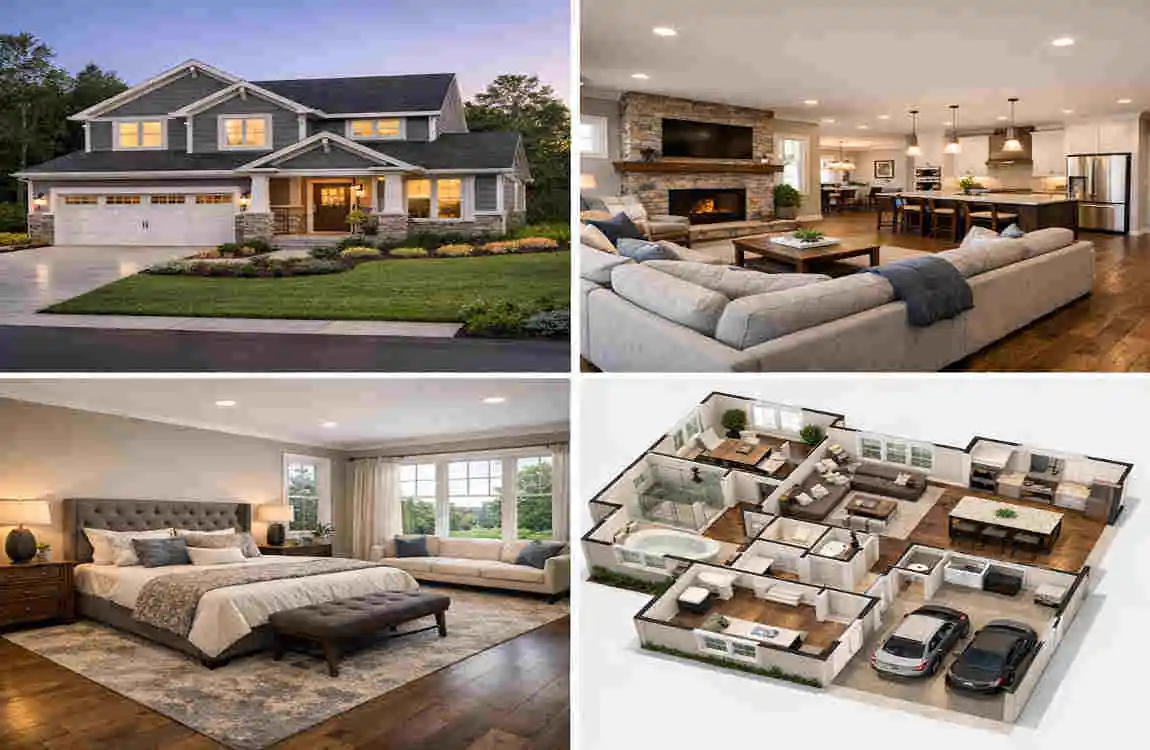
A 2,000-square-foot house is a very popular home size because it usually gives you enough room to live comfortably without feeling too large to manage. It often works well for families, couples, remote workers, and even retirees who want a practical amount of space.
If you have been wondering how big a 2,000-square-foot house is, the answer depends on more than just the number. The layout matters a lot. A smart floor plan can make a 2,000-square-foot home feel open, roomy, and easy to live in. A poor layout, on the other hand, can make the same space feel cramped or awkward.
How Big Is 2000 Square Feet House?
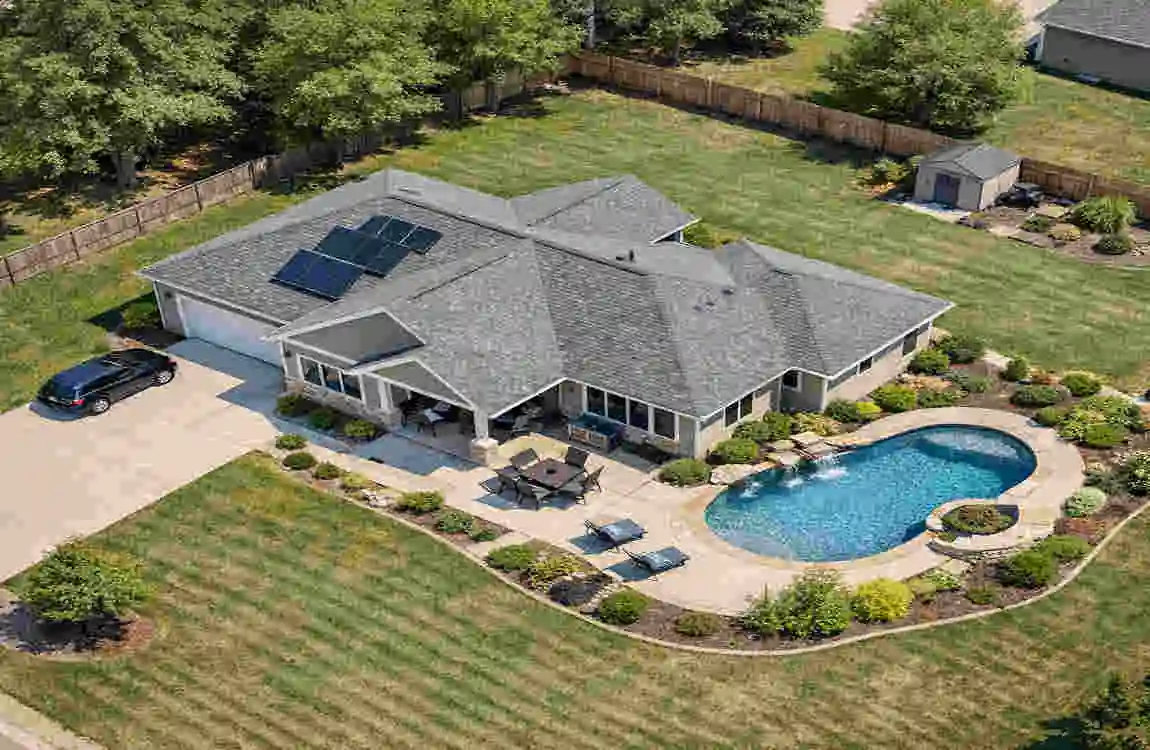
Understanding Square Footage
Square footage is a way of measuring area. It tells you how much floor space a house has. So when a home is 2,000 square feet, that means the total usable floor area is about 2,000 square feet.
This number may include bedrooms, bathrooms, hallways, kitchen, dining area, living room, closets, and sometimes laundry space or a garage, depending on how the home is measured.
It is also important to know the difference between gross square footage and usable living space. Gross square footage may include walls and other parts of the structure. Usable living space refers to the parts of the home you can actually live in every day.
Visualising 2,000 Square Feet
Sometimes square footage is hard to picture, so it helps to compare it with familiar spaces.
A 2,000-square-foot house is roughly:
- Bigger than many small apartments
- Similar in size to a well-planned medium family home
- Large enough for several bedrooms and common spaces
To put it in perspective, 2,000 square feet is about the size of a large two-car garage multiplied several times over. It is also smaller than some very large homes, but it gives you plenty of space for daily living.
Imagine a home with a real living room, a full kitchen, a dining space, multiple bedrooms, and still room to move around easily. That is the kind of space a 2,000-square-foot home usually offers.
Typical Layout of a 2,000 Square Foot House
3-Bedroom Layout
A very common 2,000-square-foot layout is a 3-bedroom home. This setup usually feels balanced and comfortable for many households.
It often includes:
- A living room
- A kitchen
- A dining room
- Two or three bathrooms
- A primary bedroom
- Two secondary bedrooms
- Storage space
- A laundry area
- Sometimes a garage
This type of layout works well if you want a little extra space in each room rather than many small rooms.
4-Bedroom Layout
A 4-bedroom layout is also common in a 2,000-square-foot home. In this version, the rooms may be slightly smaller, but you gain an extra bedroom.
This can be a smart choice if you need:
- Space for children
- A guest room
- A home office
- A hobby room
A 4-bedroom home often uses an open-concept living area to save space elsewhere. That helps the house feel more connected and less crowded.
Single-Story vs Two-Story Homes
A 2,000-square-foot home can be built as either a single-story or a two-story house.
A single-story home spreads everything out on one level. This makes it easier to move around and works well for people who want simple access.
A two-story home stacks rooms on top of each other. This can free up more yard space and often creates a better separation between living areas and sleeping areas.
Both styles can work very well. The right one depends on your lot size, budget, and lifestyle.
Average Room Sizes in a 2,000 Sq Ft Home
Here is a simple breakdown of typical room sizes in a 2,000-square-foot home.
Room Average Size
Living Room 250–400 sq ft
Kitchen 180–250 sq ft
Primary Bedroom 180–250 sq ft
Secondary Bedroom 120–160 sq ft
Bathroom 40–100 sq ft
Dining Room 120–180 sq ft
Laundry Room 40–80 sq ft
These are only average sizes, not fixed rules. Some homes may have larger bedrooms and a smaller dining room. Others may use space differently depending on the floor plan.
The key thing to remember is that 2,000 square feet gives designers enough flexibility to make rooms feel comfortable and useful.
Is a 2,000 Square Foot House Big Enough?
For Small Families
Yes, a 2,000-square-foot house is usually more than enough for a small family. A couple with one or two children will often find this size comfortable and easy to manage.
You can have separate sleeping spaces and a shared living area, yet still have room for storage and daily activities.
For Growing Families
If your family is growing, this size can still work very well. A 2,000-square-foot home often gives you enough room to adjust as your needs change.
You might use one bedroom as a nursery, guest room, or home office for a while, then turn it into a child’s room. That kind of flexibility is one of the biggest advantages of this home size.
For Remote Workers
Many people now work from home, so a dedicated workspace matters more than ever. A 2,000-square-foot house often has enough room for a small office or quiet corner.
That means you can keep your work and home life more separate, which helps with focus and comfort.
For Retirees
A 2,000-square-foot house can also be a good fit for retirees. It offers enough room for comfort without being excessively large.
Some retirees like a one-story layout for easier movement. Others want space for visiting family or hobbies. Either way, this size gives you options.
Advantages of a 2,000 Square Foot House
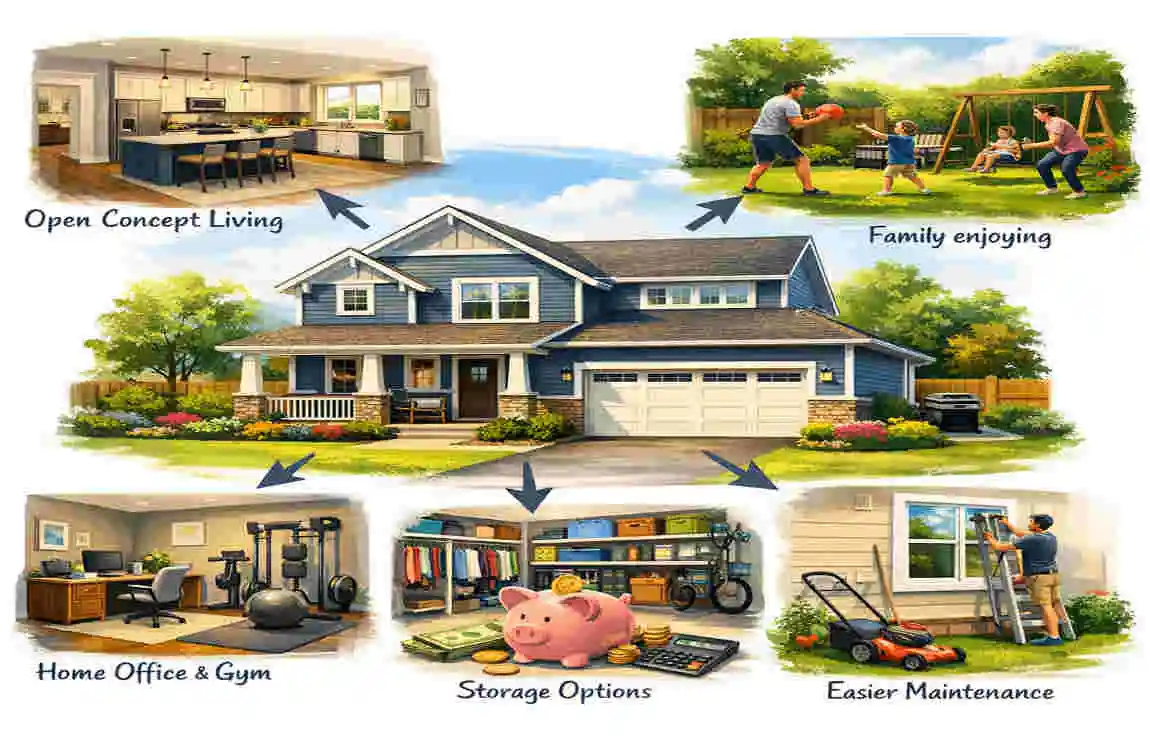
Comfortable Living Space
One of the biggest benefits is simple comfort. You do not feel squeezed into tiny rooms, and you usually have enough space for daily living without clutter.
Better Resale Value
Homes in this size range often appeal to many buyers. That can make them attractive in the market if you ever decide to sell.
A 2,000-square-foot home is often seen as a practical middle ground. It is large enough for many families but not so large that it becomes hard to maintain.
Flexible Floor Plans
This size gives builders and designers more freedom. You can choose open layouts, split bedrooms, large kitchens, or extra storage depending on your needs.
Enough Storage
Storage is often a problem in smaller homes. A 2,000-square-foot house usually has more closets, cabinets, and utility space to help keep things organised.
Suitable for Entertaining Guests
If you enjoy hosting friends or family, this size is very useful. You can set up a comfortable seating area, dining area, and guest space without feeling crowded.
Potential Drawbacks
Higher Utility Bills
A larger house usually costs more to heat, cool, and light. Even though 2,000 square feet is not huge, it can still lead to higher monthly utility costs than a smaller home.
More Cleaning and Maintenance
More space means more cleaning. You may spend more time vacuuming, dusting, and keeping up with the house.
Increased Construction Costs
If you are building a new home, a 2,000-square-foot house will usually cost more than a smaller one. Materials, labour, and finishes all add up.
Still, many homeowners find the extra space worth the cost.
Popular Floor Plan Ideas
Open-Concept Design
Open-concept homes connect the kitchen, dining, and living areas into one larger space. This makes the house feel brighter and more social.
It is a popular choice for 2,000-square-foot homes because it helps the home feel bigger without adding more square footage.
Split Bedroom Layout
A split bedroom plan places the primary bedroom on one side of the house and the secondary bedrooms on the other. This gives more privacy.
This layout works well for families and people who want a quieter sleeping area.
Home Office Layout
A home office layout gives you a dedicated work area. In a 2,000-square-foot home, this can be a full room or a flexible space off the main living area.
This is especially helpful if you work from home often.
Guest Suite Design
Some families prefer a guest suite layout. This can include a bedroom with a nearby bathroom, creating a comfortable spot for visitors or older children.
Interior Design Tips for a 2,000 Sq Ft House
Maximise Natural Light
Natural light makes any home feel more open. Use larger windows, lighter curtains, and open spaces where possible.
Choose Multi-Functional Furniture
Furniture that serves multiple purposes can help you use the space wisely. Think storage ottomans, fold-out desks, or beds with drawers underneath.
Create Smart Storage
Built-in shelves, closets, and cabinets help reduce clutter. A 2,000-square-foot home feels better when everything has a place.
Use Neutral Colors
Neutral shades like white, beige, grey, and soft brown can make rooms feel calm and larger. You can always add colour with pillows, art, and rugs.
How Does a 2,000 Sq Ft House Compare?
1,500 vs 2,000 Sq Ft
A 1,500-square-foot house is still comfortable, but a 2,000-square-foot home gives you more breathing room. You usually get larger shared spaces and more storage.
That extra 500 square feet can make a big difference in daily life.
2,000 vs 2,500 Sq Ft
A 2,500-square-foot home offers more room, but it may also cost more to build, clean, and maintain. For many families, 2,000 square feet is the better balance.
2,000 vs 3,000 Sq Ft
A 3,000-square-foot home feels much larger and may include extra rooms that some families do not need. If you want comfort without too much upkeep, 2,000 square feet can be the smarter choice.
Is Building a 2,000 Square Foot House Worth It?
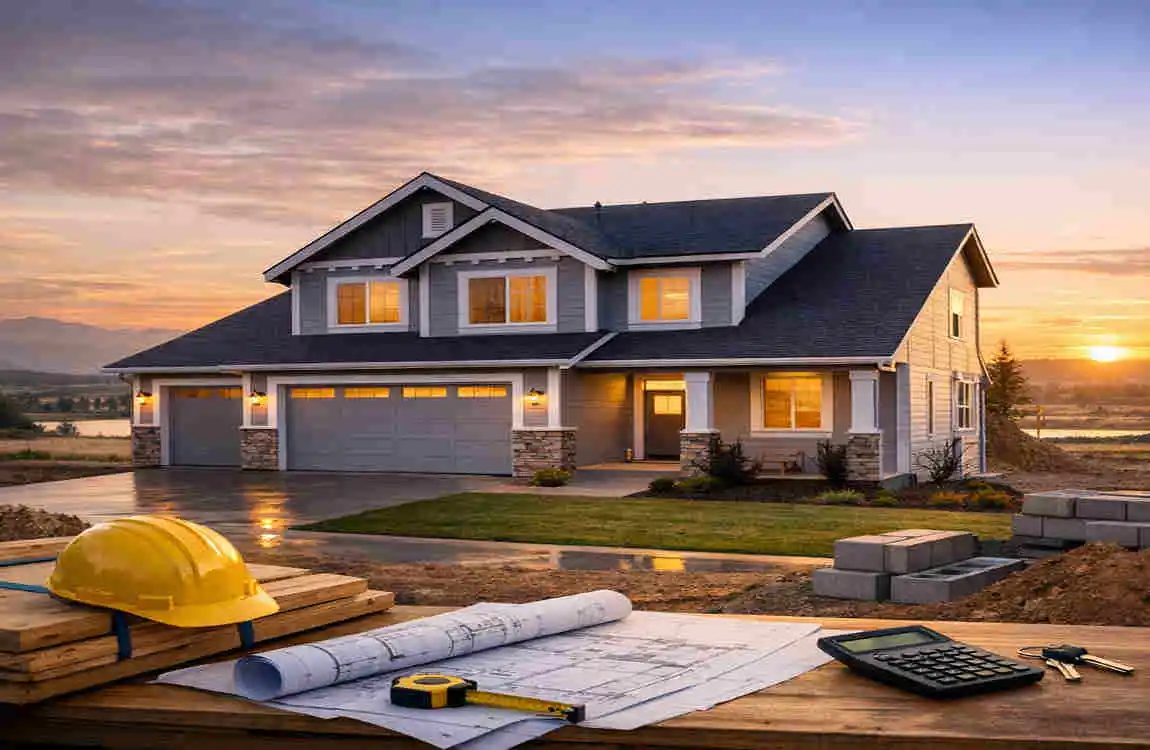
Construction Costs
Building a 2,000-square-foot home can be a good investment if the layout fits your needs. The final cost depends on location, materials, design, and finishes.
Maintenance Costs
A home this size will usually cost less to maintain than a much larger house, but it still needs regular care. Roof repairs, cleaning, and utility bills should all be part of your planning.
Energy Efficiency
A well-designed 2,000-square-foot house can be energy efficient, especially if it has good insulation, efficient windows, and a smart floor plan.
Long-Term Investment Value
Because this size appeals to many buyers, it often holds value well. That makes it a practical long-term choice for many homeowners.
Tips Before Buying or Building
Keep these points in mind before making a decision:
- Determine your family size
- Plan for future needs
- Choose an efficient floor plan
- Consider lot size
- Set a realistic budget
These steps help you avoid buying a home that is too small, too large, or poorly suited to your lifestyle.
Frequently Asked Questions
How big is a 2,000-square-foot house?
A 2,000-square-foot house is generally considered a medium-to-large home. It often includes 3 to 4 bedrooms, 2 to 3 bathrooms, a kitchen, dining area, living room, and sometimes a garage.
Is 2,000 square feet enough for a family of four?
Yes, it usually is. A family of four can live comfortably in this-size home, with room for storage, entertaining, and even a home office.
How many bedrooms fit in a 2,000 sq ft house?
Most homes this size have 3 or 4 bedrooms, depending on the layout.
Is a 2,000 sq ft house considered large?
It is considered above average in many places. It offers plenty of room for most households without feeling overwhelming.
Can a 2,000-square-foot house have an open floor plan?
Yes. Many modern homes in this size range use open-concept layouts that connect the kitchen, dining, and living areas.
Is a one-story or two-story 2,000 sq ft house better?
It depends on your needs. A one-story home is easier to move around in, while a two-story home can save yard space and give you better separation between rooms.
| Feature | Details |
|---|---|
| House Size | 2,000 square feet (approximately 186 square meters) |
| Typical Bedrooms | 3–4 bedrooms |
| Typical Bathrooms | 2–3 bathrooms |
| Average Occupancy | Comfortable for 4–6 people |
| Common Layout | Open-concept living room, kitchen, dining area, bedrooms, laundry room, and garage |
| Living Space | Spacious enough for family living, entertaining, and a home office |
| Single-Story Size | About 40 × 50 ft (varies by floor plan) |
| Two-Story Size | Around 1,000 sq ft per floor |
