
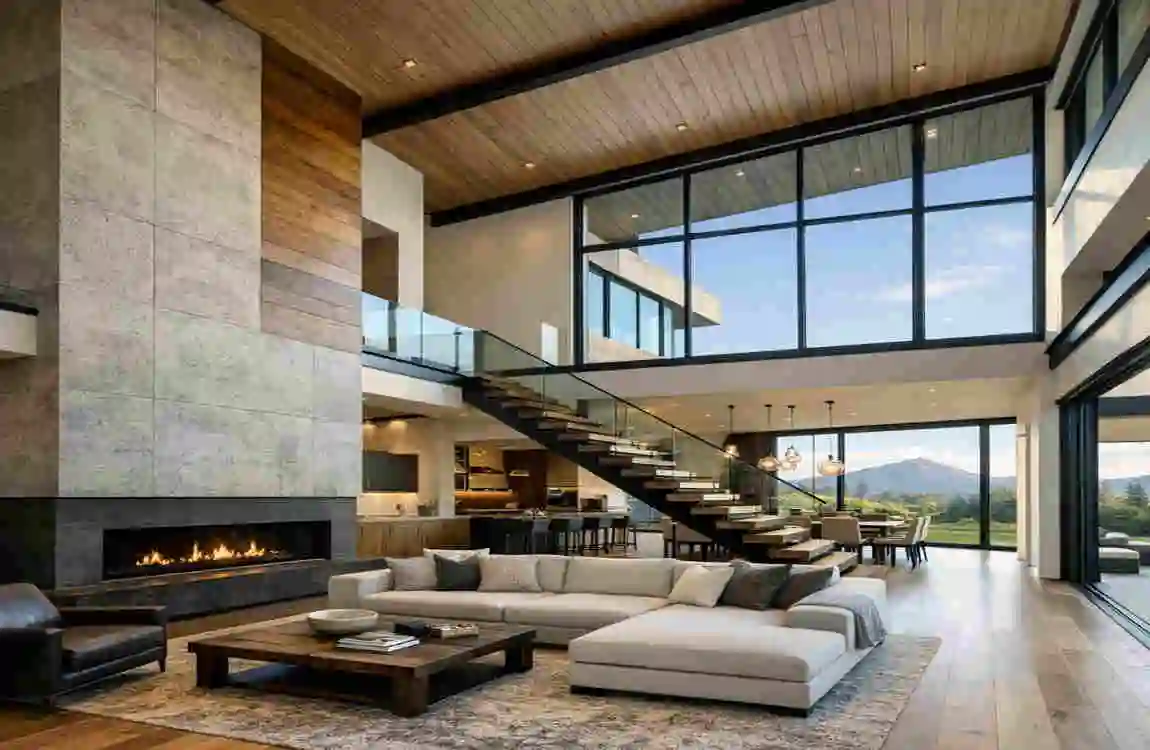
Have you ever walked into a home, looked up, and felt your breath catch just a little? That is the power of vertical space. There is something inherently majestic about a room that refuses to be confined by the standard eight-foot limit.
Soaring ceilings are more than just an architectural choice; they are a defining feature of contemporary luxury and open living. They transform cramped quarters into airy sanctuaries and turn ordinary light into a dynamic design element. Whether you are building from scratch, renovating a historic property, or just dreaming of your future home, understanding the impact of high ceilings is crucial.
What Are Soaring Ceilings? Definition and Scope
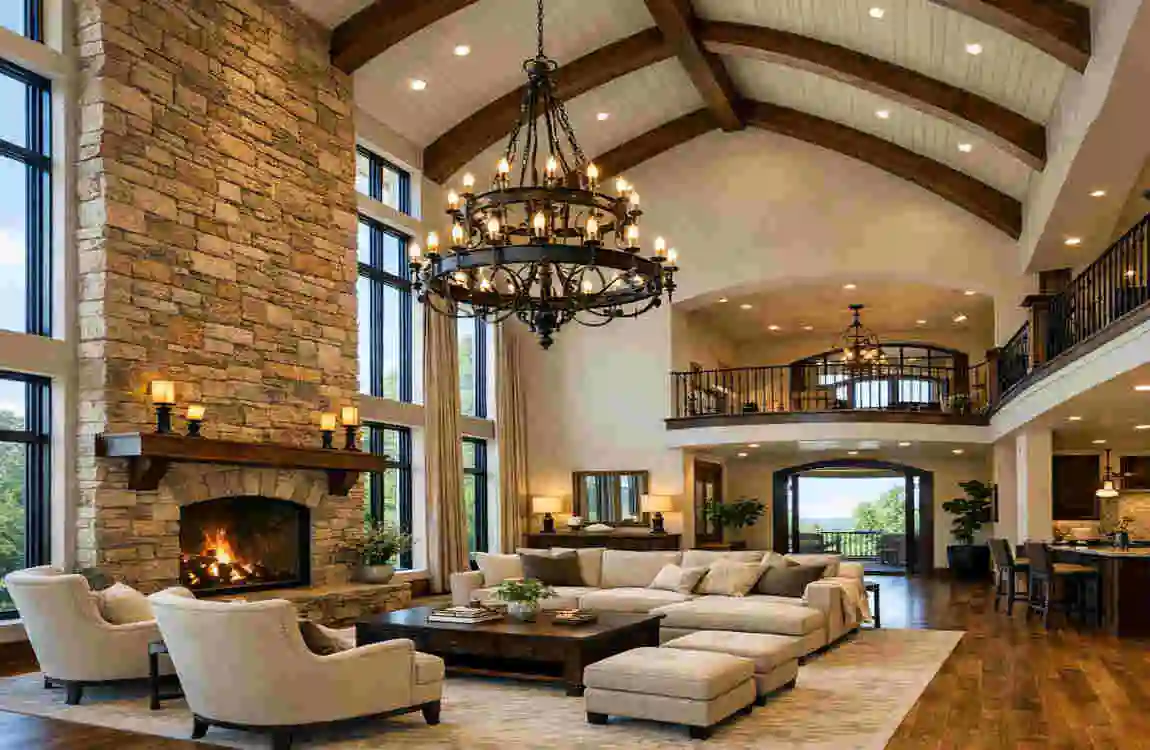
Before we start knocking down drywall, let’s get on the same page about what we actually mean. When real estate agents or architects talk about soaring ceilings, they aren’t usually referring to a 9-foot bump.
Typically, a “soaring” ceiling starts at about 12 feet and goes up from there. This category includes:
- Double-Height Spaces: These are often found in living rooms or entryways that span two full stories, usually reaching 18 to 22 feet.
- Cathedral Ceilings: These follow the pitch of the roof, rising to a central peak.
- Vaulted Ceilings: An arched or angled ceiling that doesn’t necessarily follow the roof pitch but creates a similar airy effect.
- Mezzanine Levels: Where a high ceiling allows for a partial floor (like a loft) to overlook the space below.
The Visual Impact
The magic of a high ceiling lies in perception. A small footprint with a high ceiling feels significantly larger than a sprawling room with a low one. It draws the eye upward, engaging your peripheral vision and creating a sense of freedom. It also changes how light behaves. In a room with soaring ceilings, windows can be placed higher up (clerestory windows), allowing sunlight to penetrate deeper into the home without sacrificing privacy.
Trends Shaping Soaring Ceilings
Design moves fast. What looked modern ten years ago might feel sterile today. In 2026, the approach to high ceilings has shifted from “big for the sake of big” to “big with purpose.” Here are the trends defining the interior design skyline this year.
Trend 1: Biophilic Light
We are seeing a massive push toward connecting with nature. Architects are using the extra wall height to install massive walls of glass, skylights, and clerestory openings. The goal is to blur the line between indoors and outdoors, flooding the space with natural light that shifts throughout the day.
Trend 2: Material Honesty
Gone are the days of covering everything in smooth, white drywall. The current trend embraces exposed structure. We are talking about timber beams, steel trusses, and even exposed concrete. This adds warmth and texture, preventing a large room from feeling like a museum.
Trend 3: Sculptural Minimalism
While we love texture, the lines remain clean. Designers are using negative space—the empty air—as a design element. You might see a single, dramatic pendant light suspended in a void, emphasizing the sheer volume of the soaring ceilings.
Trend 4: Acoustic Wellness
This is a big one. High ceilings used to mean terrible echoes. Now, acoustic design is baked in from the start. We are seeing beautiful wood-slat walls, acoustic plaster that looks like stone, and soft furnishings prioritized to dampen sound.
Trend 5: Energy Efficiency
Heating a large volume of air is expensive. The 2026 trend involves “smart” ceiling fans that are aesthetically pleasing and highly functional, along with superior glazing technology on high windows to keep the heat in (or out).
Design Principles for Soaring Ceilings
Designing a room with extra height isn’t just about making everything taller. It requires a keen eye for proportion. If you get it wrong, a room can feel like an elevator shaft—narrow and uncomfortable.
Proportion and Scale
You have to match the room size to the ceiling height. If a room is small (say, 10×10 feet) but has a 20-foot ceiling, it will feel uncomfortable. The Rule of Thirds is helpful here: visually divide your wall into three sections (bottom, middle, top) and ensure something interesting happens in at least two of those zones.
Furniture Layout
Don’t let your furniture look like dollhouse pieces. Soaring ceilings demand substantial furniture.
- Anchor the Space: Use large sectionals and heavy coffee tables.
- Go High: Use tall bookshelves or artwork that extends upward to bridge the gap between the furniture and the ceiling.
- Avoid Floating: Group furniture to create intimate zones within the large volume.
Color and Texture
White is great for reflecting light, but a darker color on a high ceiling can actually make a room feel cozier. It visually lowers the ceiling, bringing the scale down to a more human level. Conversely, keeping the walls and ceiling the same light color blurs the boundaries, making the space feel infinite.
Practical Design Scenarios (Room-by-Room)
How do you apply these concepts to specific areas of your home? Let’s break it down.
Living Room
This is the most common place for soaring ceilings. The goal here is a “grand but cozy” vibe.
- Tip: install a fireplace that goes all the way to the ceiling. This creates a massive focal point that grounds the room.
- Tip: Use floor-to-ceiling drapery. Even if the windows don’t go to the top, hanging curtains high draws the eye up and adds softness.
Foyer/Entrance
You only get one chance to make a first impression. A double-height foyer screams luxury.
- Tip: Ensure your lighting fixture is scaled correctly. A tiny chandelier will get lost. You want a statement piece that fills the volume.
Kitchen and Dining
High ceilings in a kitchen are fantastic for ventilation (smoke rises away from you!).
- Tip: If the ceiling is very high, consider “dropping” the ceiling visually over the island using pendant lights or a suspended architectural feature. This makes the workspace feel more intimate.
Bedrooms
This is tricky. You want openness, but you also want a “nest” feeling.
- Tip: Use a canopy bed. The bed frame creates a “room within a room,” giving you a cozy enclosure while still enjoying the airy volume above.
Home Office
Height can be inspiring for creativity, but watch out for the echo during Zoom calls!
- Tip: Use tall bookshelves filled with books. Books are excellent sound absorbers and look distinguished in a tall library setting.
Materials, Finishes, and Architectural Styles
The materials you choose act as the “skin” of your architectural bones. With soaring ceilings, you have a lot more skin to cover, so your choices matter.
Materials That Complement Height
- Wood Beams: Whether rustic reclaimed oak or sleek cedar, beams break up the vast expanse of a white ceiling. They add rhythm and direction to the room.
- Stone and Brick: A stone wall that rises 20 feet is a showstopper. It emphasizes the verticality and adds immense texture.
- Glass: Floor-to-ceiling glass walls are the ultimate luxury, essentially removing the barrier between inside and out.
Styles That Pair Well
- Modern Farmhouse: Famous for vaulted ceilings with exposed trusses. It’s warm, approachable, and airy.
- Industrial Chic: Loves a double-height loft. Think exposed ductwork, concrete ceilings, and steel windows.
- Mid-Century Modern: Uses slanted, vaulted ceilings with wood decking (often cedar) that continues from inside to outside.
Acoustics and Comfort in High Spaces
Let’s have an honest conversation about noise. The number one complaint homeowners have about soaring ceilings is the acoustics. Hard surfaces + parallel walls + huge volume = Echo Chamber.
Why It Happens
Sound waves bounce off hard surfaces. In a normal room, they hit the ceiling quickly and dissipate. In a tall room, they travel longer and bounce harder, creating a muddy sound environment where it is hard to hear a conversation.
The Design Fixes
You don’t need ugly foam squares to fix this.
- Rugs: The bigger, the better. Cover those hard floors.
- Soft Furnishings: Velvet sofas, plush throws, and heavy curtains absorb sound.
- Acoustic Panels: Modern acoustic panels can look like an art canvas or wood slats. Place them on the upper parts of the walls where sound tends to bounce.
- Textured Walls: Wallpaper or rough-hewn stone breaks up sound waves better than flat drywall.
HVAC Considerations
Hot air rises. In the winter, all your expensive heat is floating 20 feet above your head.
- Solution: install ceiling fans that can run in reverse to push warm air back down.
- Solution: Consider radiant floor heating. It heats the people and objects, not the air, keeping you warm even if the ceiling is miles high.
Lighting Master plan for Soaring Ceilings
Lighting a room with soaring ceilings is an art form. You cannot just slap a few recessed cans in the ceiling and call it a day—the light won’t even reach the floor!
Layered Lighting is Non-Negotiable
You need three layers:
- Ambient: This is your general light. For high ceilings, use powerful recessed lights with narrow beam spreads to push light down, or bounce light off the ceiling using cove lighting.
- Task: Lamps and pendants that sit lower, illuminating reading chairs or kitchen counters.
- Accent: Highlights for artwork or architectural features.
Fixture Selection
- Chandeliers: This is the jewelry of the room. In a tall space, bigger is almost always better. Ensure it hangs low enough to relate to the room, usually 8–9 feet off the floor in a living area.
- Cable Lighting: Great for vaulted ceilings where you can’t easily install recessed cans.
- Wall Sconces: These are essential. They break up the large expanse of wall and bring light down to a human scale.
Value and Real Estate Considerations
Do soaring ceilings actually make your home worth more? The short answer is: Yes.
The “Wow” Factor
In real estate, emotion sells homes. A buyer walking into a double-height living room experiences an immediate emotional response. It signals luxury, openness, and grandeur. This emotional connection often translates to higher offers.
Market Value
Homes with 9-foot ceilings or higher typically command a Premium over standard 8-foot homes. While it varies by region, soaring ceilings are a highly desirable trait that differentiates a property in a crowded market.
The Cost vs. Value Equation
Building costs more. You have more framing, more drywall, more paint, and taller windows. However, the ROI (Return on Investment) comes from the perceived value. A 2,000-square-foot house with soaring ceilings often feels larger—and sells for more—than a 2,500-square-foot house with low ceilings.
Case Studies and Real-Life Examples
Let’s look at how this plays out in the real world.
The Modern Barn
- The Brief: A family wanted a new build that felt connected to their rural landscape.
- The Design: The architect used a 22-foot vaulted ceiling in the main living area, clad in white oak.
- The Result: The room feels massive, but the wood ceiling creates warmth. The acoustics were managed with a large wool rug and fabric wall coverings. The home sold 3 years later for 15% above neighborhood comparables.
The city Loft Renovation
- The Brief: An industrial warehouse conversion with 16-foot concrete ceilings.
- The Design: Instead of fighting the height, they embraced it. They built a steel mezzanine for a sleeping area.
- The Result: They effectively doubled the usable square footage of the bedroom area. The vertical space allowed for massive art installations, making the apartment a favorite for local design tours.
Maintenance, Safety, and Code Considerations
Living with soaring ceilings isn’t all glamour; there are practicalities to consider.
The Lightbulb Dilemma
How do you change a bulb 20 feet up?
- Tip: Use LED fixtures. They last 10-20 years, so you rarely have to worry about them.
- Tip: For cleaning, invest in telescoping dusters. For painting or repairs, you will likely need to rent scaffolding or a high ladder.
Safety First
If you have a mezzanine or a landing overlooking a high space, railing safety is paramount.
- Code: Most building codes require railings to be at least 36 to 42 inches high.
- Kids: If you have children, ensure the railing design doesn’t have horizontal bars that act as a ladder. Vertical slats or glass panels are safer.
Step-by-Step Guide: Implementing Soaring Ceilings
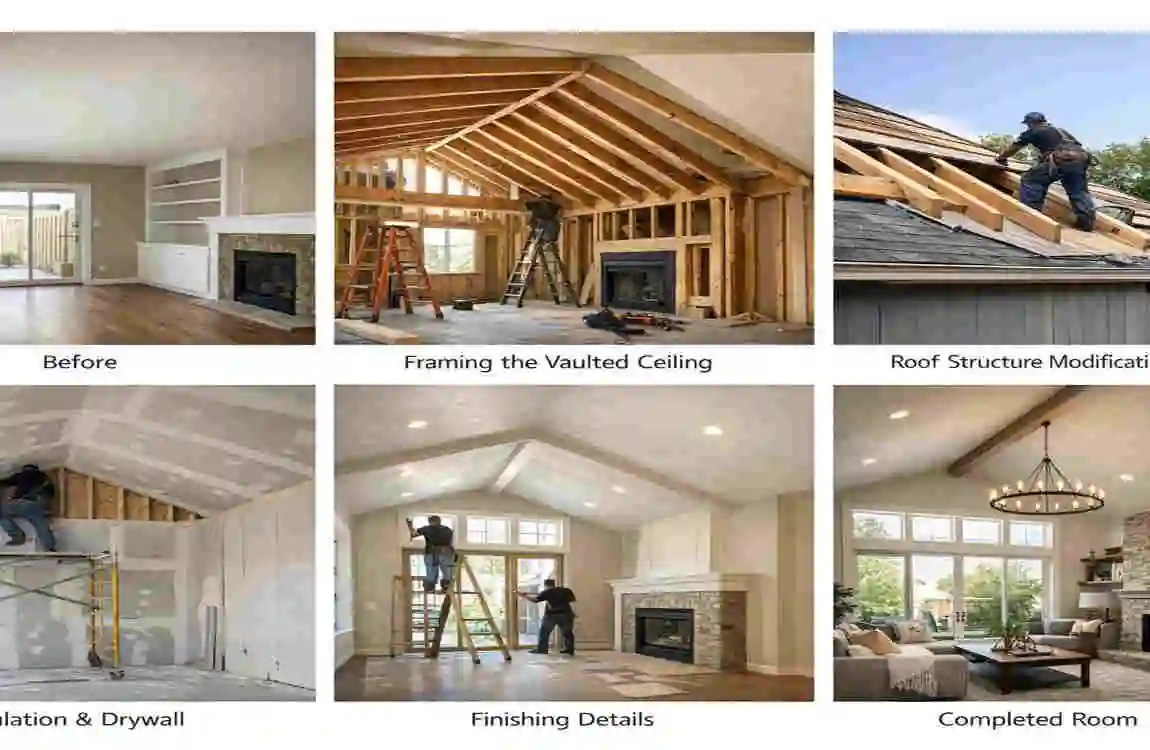
How about adding this feature to your next project? Here is your roadmap.
- Define Your Goals: Do you want light? Drama? Space for a loft? Know why you want height.
- Consult a Structural Engineer: You cannot just knock out a ceiling. You need to know how the roof is supported. If you are building new, the engineer will calculate wind loads for those tall walls.
- Plan the HVAC: Don’t treat this as an afterthought. Ensure your heating and cooling system is sized to handle the additional air volume.
- Lighting Design: plan your wiring before the drywall goes up. You don’t want to realize you need a sconce 12 feet up after the walls are painted.
- Select Windows: High windows are hard to reach. Consider motorized shades or self-tinting glass.
- The Fun Part: Choose your finishes, chandeliers, and furniture to fill the space.
Common Pitfalls to Avoid
Even the pros make mistakes. Here is what to watch out for:
- The “Cold” Feeling: Forgetting to add texture (wood, fabric, stone) leaves the room feeling sterile and clinical.
- Ignoring the Human Scale: Forgetting to place lights and art at eye level creates a disconnect between the people and the architecture.
- Poor Insulation: Skimping on roof insulation leads to massive energy bills. Heat rises, and if your roof is poorly insulated, you are heating the neighborhood.
- The Glare: High windows are great, but direct sun can fade furniture and blind you. Plan for window treatments or UV film.
Quick-Reference Design Checklist
To help you keep track of all these details, here is a quick reference table for your planning phase.
CategoryKey Considerations”Pro Tip” Action
Lighting Layer ambient, task, and accent lighting. Use LEDs to avoid changing bulbs at 20ft height.
Acoustics Hard surfaces cause echoes. Incorporate rugs, curtains, or acoustic wood slats.
Furniture Scale matters. Use tall bookcases and substantial sofas to anchor the room.
Climate Heat rises (stratification). Install reversible ceiling fans to push heat down in winter.
Decor: Avoid “floating” furniture. Group furniture into zones; use large artwork.
Windows Privacy and light control. Consider motorized shades for hard-to-reach upper windows.
Frequently Asked Questions: Soaring Ceilings
What exactly counts as a “soaring ceiling”? In the design world, this term often refers to heights that go well beyond the standard flat ceiling. These can include cathedral ceilings or vaulted styles, often described by architects as the “fifth wall” because they offer a unique opportunity to express style and character . These raised heights are usually the first thing you sense when entering a room, instantly signaling whether a space feels open and airy rather than restrictive .
What are the biggest benefits of having high ceilings? The primary advantage is the immediate sense of grandeur and the creation of an airy interior ambiance . High ceilings allow for larger, often floor-to-ceiling windows, which let in massive amounts of natural light and capture views of the outdoors . They are excellent for creating a dramatic “wow” factor that standard height rooms simply cannot match.
Are there any downsides I should be aware of? While beautiful, soaring ceilings can sometimes make a living space feel less warm and intimate compared to lower ceilings . To combat this, designers often have to work harder to add “coziness” back into the space using textures and layout choices . Additionally, you must carefully consider insulation options to ensure the home remains energy-efficient .
Can I add a vaulted ceiling to my existing home? It is often possible, but it is not a DIY project. Employing a structural engineer and an architect is a “must” to ensure the building’s integrity is maintained . typically, a large vaulted ceiling works best when located directly beneath an exterior roof plane; trying to add one on the ground floor with a room above it usually doesn’t make structural sense .
How do high ceilings affect sound? Large, open volumes can be echoey. However, modern construction methods, such as using autoclave concrete, can offer excellent soundproofing qualities alongside energy efficiency . In commercial or very high-volume spaces, architects might also use metal ceilings to add durability and manage the drama of the space .
