
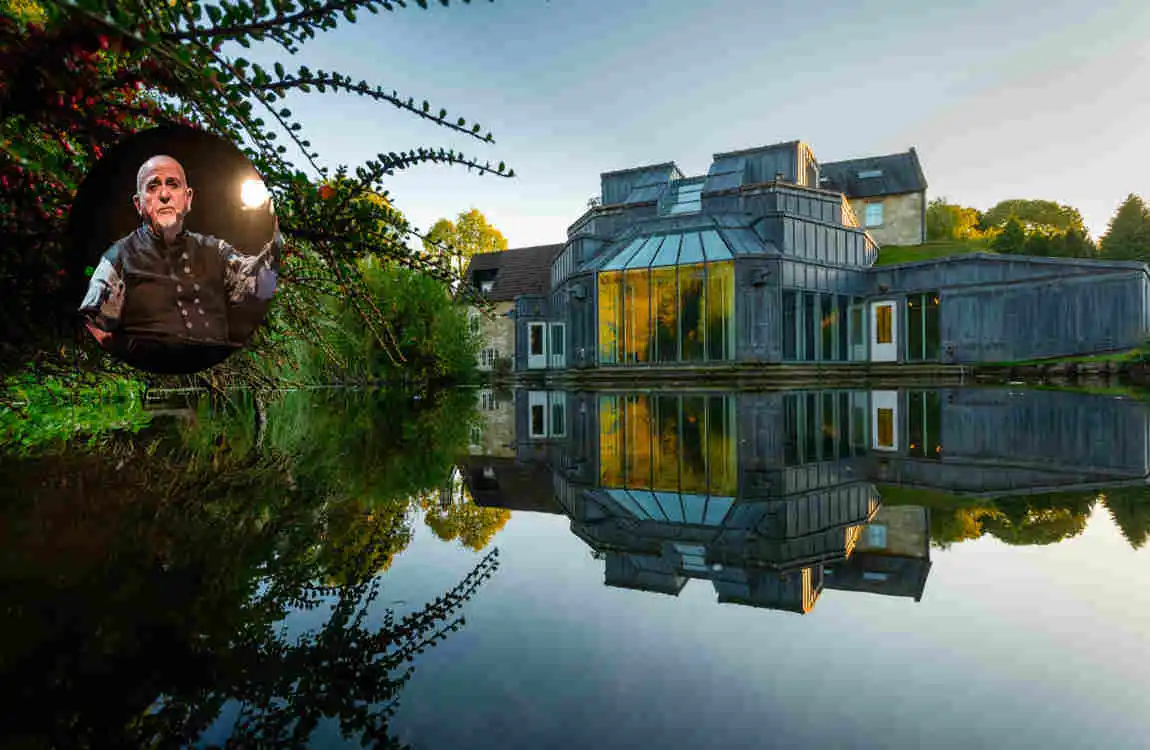
Peter Gabriel, the legendary frontman of Genesis and celebrated solo artist, is known not only for his groundbreaking music but also for his visionary approach to creativity and collaboration. One of the most iconic aspects of his life is Peter Gabriel’s house, which doubles as the world-renowned Real World Studios. Nestled in the picturesque countryside of Box, Wiltshire, near Bath, this property is more than just a home—it’s a haven for artistic innovation.
Over the years, Peter Gabriel’s Wiltshire modern mansion has evolved from a humble 19th-century mill into a cutting-edge recording studio and a luxurious living space.
Real World Studios Origins
Peter Gabriel’s house is inseparable from the creation of Real World Studios, a project born out of Gabriel’s passion for breaking down barriers in music production. After the immense success of his So album in 1986, Gabriel set out to create a space that would nurture creativity and collaboration for musicians worldwide.
The Beginnings of a Vision
In 1986, Peter Gabriel purchased a 200-year-old sawmill site in Box, Wiltshire, located about 120 miles west of London. His goal was to transform this historic property into a recording studio that combined cutting-edge technology with a serene, inspiring environment. The site had already captured Gabriel’s imagination with its proximity to water, which he believed could enhance the space’s acoustics and ambiance.
Architectural Innovation
To bring his vision to life, Gabriel launched an architectural contest and eventually chose Neil Grant to design the studio. Grant’s design emphasized natural light, open spaces, and connections to the surrounding environment. Unlike traditional recording studios that often feel sterile and isolating, Real World Studios was designed with community and collaboration in mind.
The property underwent significant renovations, including the construction of The Big Room, a massive recording space with glass walls that offered stunning views of the water and surrounding greenery. Outbuildings were converted into state-of-the-art recording spaces, and new foundations were laid to support the modern infrastructure required for a world-class studio.
A Creative Ethos
Gabriel’s ethos for Real World Studios was straightforward: foster creativity in a non-sterile, welcoming environment. Over 35 years later, this space remains a beacon for global musicians, offering them a home where they can collaborate, innovate, and create timeless music.
Inside Peter Gabriel’s Wiltshire Mansion
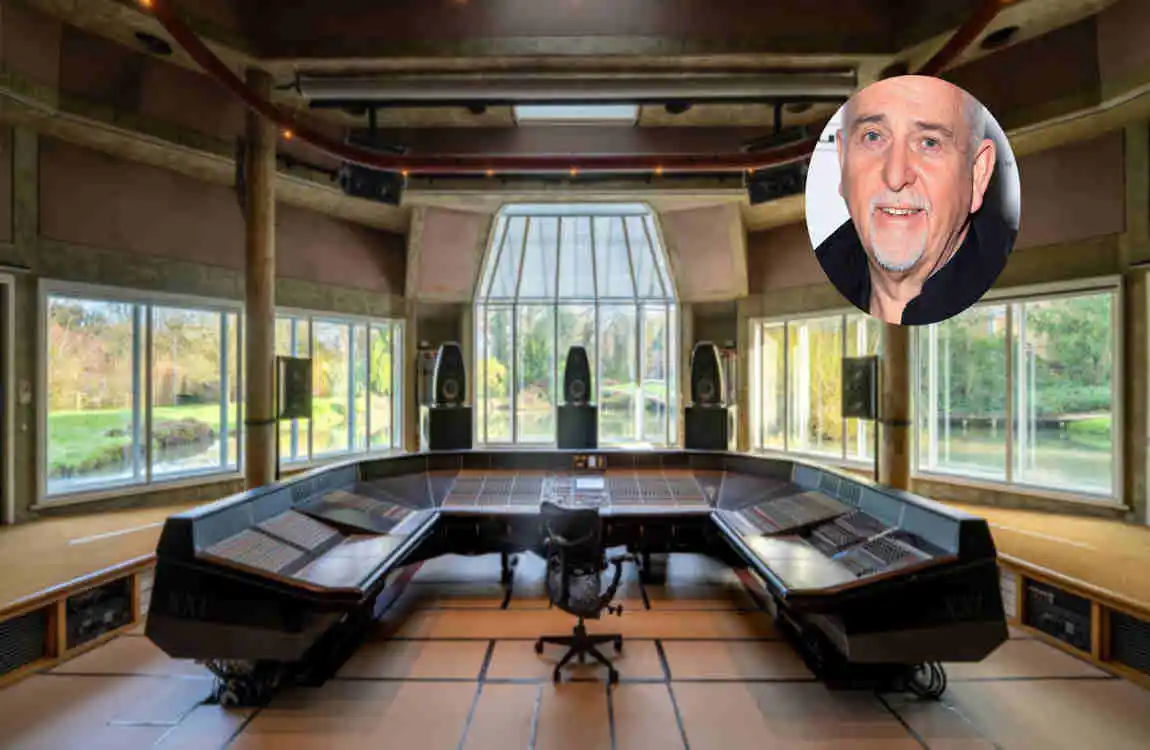
Peter Gabriel’s house is not just a recording studio; it’s also a luxurious residence that seamlessly blends modern design with historical charm. From its scenic exterior to its thoughtfully designed interiors, every aspect of the property reflects Gabriel’s unique philosophy.
The Exterior and Grounds
The property still retains much of its original charm, with the 200-year-old mill structures standing as a testament to its rich history. Located along the river in Box, Wiltshire, the stunning house enjoys a tranquil setting that fosters creativity. The riverside location not only adds to the property’s aesthetic appeal but also enhances the acoustics, making it an ideal space for music production.
The estate is also conveniently located just 8 miles from Bath, a historic city known for its Georgian architecture, and is accessible from London, making it a practical choice for visiting artists.
Key Interior Spaces
The Big Room
At the heart of the house is The Big Room, a custom-built recording space designed to inspire. With its high ceilings, glass walls, and natural light, this room offers breathtaking views of the surrounding water and greenery. It’s a space where musicians can feel connected to nature while recording, fostering an immersive creative experience.
The Wood Room and Red Room
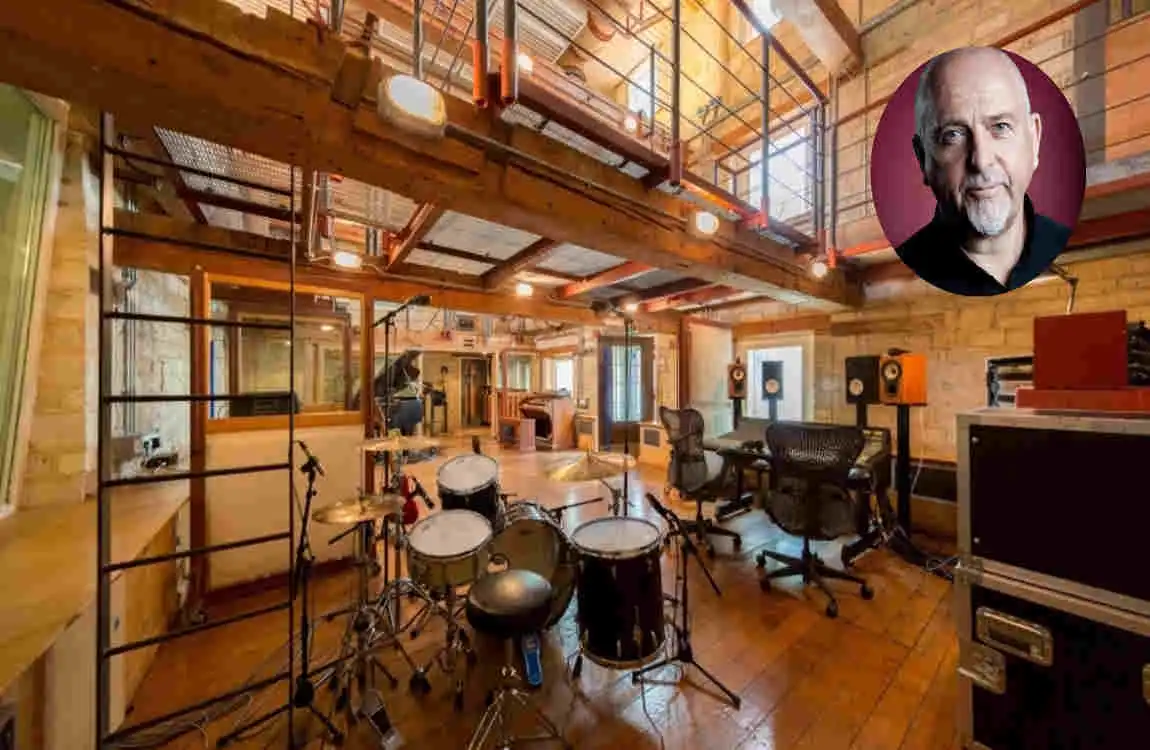
Other key spaces include The Wood Room and The Red Room, which are smaller, more intimate recording studios. These rooms retain much of the mill’s original character while incorporating modern soundproofing and recording technology. This blend of old and new creates a unique atmosphere that inspires creativity.
Residential Comforts
In addition to the recording spaces, Peter Gabriel’s house also includes luxurious residential wings. These areas are designed to provide a home-away-from-home for artists who stay at the property for extended periods. The accommodations include high-end amenities, cozy communal spaces, and even eco-friendly features that align with Gabriel’s sustainable philosophy.
Unique Features
Peter Gabriel’s house is equipped with vintage recording gear alongside the latest high-tech equipment, striking a balance between old-school charm and modern efficiency. The property also incorporates eco-conscious elements, such as sustainable materials and energy-efficient systems, reflecting Gabriel’s commitment to sustainability.
The house’s acoustic design further sets it apart. Unlike traditional studios, which often feel cold and impersonal, Gabriel’s home is warm and inviting, fostering creativity without conventional barriers.
Peter Gabriel’s Past Homes
Before settling into his Wiltshire mansion, Peter Gabriel lived in various homes that reflected different stages of his life and career. From urban apartments to rural retreats, his residences offer a glimpse into his evolving lifestyle and creative journey.
Home Location Era Key Traits
Ashcombe House, Near Bath, UK, 1980s rental. Inspired the purchase of the mill site; served as a rural creative retreat.
Original Millsite Box, Wiltshire 1986 onward, converted into Real World Studios, the core of Peter Gabriel’s house project.
Early London Pads, London, UK, 1970s. Genesis: urban apartments reflecting his pre-fame lifestyle and Genesis’s beginnings.
Ashcombe House: A Prelude to Real World Studios
One of Gabriel’s most significant past residences was Ashcombe House, located near Bath. This rural house property served as a creative base during the 1980s and influenced his decision to purchase the mill site in Box.
From Urban Lofts to Rural Retreats
During his early career with Genesis, Gabriel lived in more modest urban apartments in London, which reflected the hustle and bustle of his life as a rising star. Over time, he gravitated toward quieter, more isolated spaces, culminating in his purchase of the Wiltshire estate.
Real World Studios Legacy and Influence
Over the decades, Real World Studios has become a cornerstone of the music industry, hosting countless iconic albums and fostering cultural exchange among artists.
Landmark Albums Recorded Here
Some of the most celebrated albums in music history were recorded at Real World Studios. From Peter Gabriel’s own projects to works by world-renowned artists, the studio has been at the forefront of musical innovation.
Real World Records
In addition to the studio, Gabriel also founded Real World Records, a label dedicated to promoting diverse musicians from around the globe. This endeavor further cemented the property’s reputation as a hub for creativity and collaboration.
A Modern Destination
Today, Real World Studios remains a sought-after destination for musicians worldwide. Its residential perks, serene setting, and state-of-the-art facilities make it a unique space for collaboration and creation.
Lifestyle at Peter Gabriel’s House
Living at Peter Gabriel’s house offers a unique blend of luxury home, creativity, and sustainability. The property is designed to foster a daily creative flow, enabling residents and visitors to seamlessly transition between work and relaxation.
A Day in the Life
A typical day at the house might involve morning walks along the river, followed by hours of creative work in one of the beautifully designed recording spaces. Evenings can be spent in communal areas, sharing meals and ideas with fellow artists.
Sustainable Living
Gabriel’s commitment to sustainability is evident throughout the property. From eco-friendly building materials to energy-efficient systems, the house reflects his dedication to protecting the environment.
Where Does Peter Gabriel Currently Live?
Peter Gabriel primarily lives in the English countryside near Bath, Somerset, close to his Real World Studios in Box, Wiltshire.
