
Imagine stepping into the world of one of cinema’s most quirky and brilliant minds. Woody Allen, the legendary filmmaker who’s given us timeless gems like Annie Hall and Midnight in Paris, isn’t just a master of the screen. He’s also a New York icon whose personal life mirrors the city’s vibrant soul.
You might wonder why a house matters so much. Well, for Woody Allen, his home isn’t just a place to sleep—it’s a sanctuary that fuels his art. This Woody Allen house on Manhattan’s Upper East Side tells a story of sophistication mixed with everyday charm. We’ll dive deep into its history, design, and how it inspires his work. Stick around, and you’ll see how a simple town luxzury house becomes a window into a filmmaker’s soul.
| Category | Details |
|---|---|
| Full Name | Heywood Allen (born Allen Konigsberg) |
| Date of Birth | November 30, 1935 |
| Age | 88 years old (as of 2025) |
| Birthplace | The Bronx, New York City, New York, USA |
| Nationality | American |
| Occupation | Filmmaker, actor, comedian, screenwriter, producer, musician, author, playwright, philanthropist |
| Net Worth | Approximately $140 million to $145 million (2024-2025 estimates) |
| Spouse(s) | Currently married to Soon-Yi Previn (since 1997) |
| Children | 6 (including Ronan Farrow, Dylan O’Sullivan Farrow, Moses Farrow) |
| Current Residence | Apartment on East 70th Street, New York City |
| Height | 5’5″ (1.65 m) |
As we embark on this tour, picture yourself walking those historic streets. The Woody Allen house stands as a testament to his love for New York, blending old-world elegance with modern creativity.
Historical Context and Location of Woody Allen’s House

Woody Allen has always been synonymous with New York City. His films capture the city’s hustle, romance, and neuroses like no one else. But where does this master storyteller call home? For years, Allen has rooted himself in Manhattan, particularly the Upper East Side. This neighborhood isn’t just a backdrop in his movies—it’s his real-life inspiration.
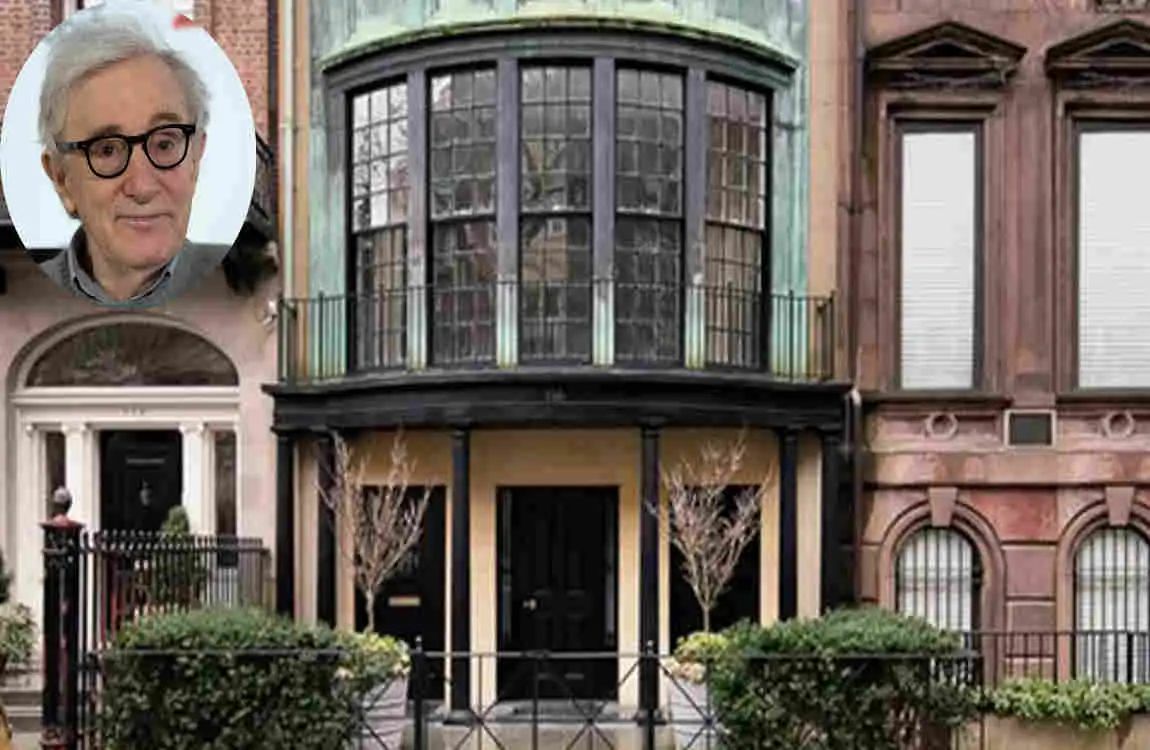
The Woody Allen house we’re focusing on is his stunning townhouse on East 70th Street, which he purchased back in 2005. It’s more than a residence; it’s a piece of New York’s cultural fabric. Allen’s choice of location speaks volumes about his personality. He thrives in areas buzzing with history and intellect, far from the glitz of Hollywood.
The Allure of the Upper East Side
Let’s talk about why the Upper East Side is perfect for someone like Allen. This area is quiet yet alive with culture. Think tree-lined streets and elegant brownstones that whisper stories of old New York. Proximity to Central Park offers a quick escape for walks that spark ideas—something Allen surely appreciates.
Major museums like the Metropolitan Museum of Art and the Guggenheim are just a stone’s throw away. Imagine popping over for inspiration during a writing break. This setup fuels Allen’s creativity, much like the city settings in his films. The neighborhood’s blend of serenity and sophistication matches his introspective Style.
A Look at Allen’s Previous Residences
Allen hasn’t always lived on East 70th Street. Before this, he owned a large apartment in Carnegie Hill, known for its family-friendly vibe and green spaces. That spot gave him a taste of upscale Manhattan living.
Then there was his significant townhouse on East 92nd Street, which he called home for decades. It was here that many of his personal stories unfolded. These moves show Allen’s evolving life, but they’ve all stayed true to his New York roots.
How Location Inspires Allen’s Work
| Specification | Details |
|---|---|
| Location | Manhattan, New York City, East 70th Street, Upper East Side |
| Purchase Year | 2005 |
| Purchase Price | $2.26 million |
| Architectural Style | English Country style |
| Design and Interiors | Interiors designed by Stephen Shadley; mix of Modern Art and found art, vintage and traditional furniture; vibrant use of reds and yellows in decoration; antique mechanical grandfather clock; decorated dining room with patinated walls and chandelier from 145 Antiques; special library with 1930s French club chairs and eclectic pillows; master bedroom with framed 19th-century samplers, used as a workspace; overall soulful, timeless aesthetic with warm colors and an inviting atmosphere |
| House Features | Multi-level townhouse, double-wide, spacious rooms, 22 total rooms including 6 bedrooms and a master suite occupying one entire floor, about 10 bathrooms, reception space with fireplace, formal dining room, cloakroom, beautifully landscaped garden |
| Interior Highlights | Living room decorated with vintage-style wall coverings, antique sign, solid sofa; library showcasing Woody Allen’s extensive book collection; marble mantlepiece with red velvet armchairs; dining room with round braided rug and solid wood table; master bedroom bright with fireplace and dedicated workspace |
| Additional Info | Woody Allen moved here after selling a sprawling estate in Carnegie Hill; known for preference for older homes with original details and historic charm; residence reflects his aesthetic sensibilities and personal taste developed over decades; located in one of Manhattan’s most sought-after residential areas |
| Address | East 70th Street, Upper East Side, Manhattan, New York City (exact street number not publicly disclosed) |
| History | Woody Allen purchased this townhouse in 2005 after moving from a large double-wide townhouse on East 92nd Street in Manhattan; prior to that, he had lived in a massive apartment in Carnegie Hill; the townhouse and its interiors reflect a mix of English and American country styles, modern and antique art collections, and a cozy, lived-in warmth curated by designer Stephen Shadley |
Why does location matter so much? For Allen, it’s all about immersion. His films often feature Upper East Side streets, capturing that authentic New York essence. Living here keeps him connected to the people and places that inspire his scripts.
Think about it: when you watch Annie Hall, you feel the city’s pulse. That’s no accident—it’s drawn from Allen’s daily life in spots like this. The Woody Allen Manhattan home isn’t just a house; it’s a muse that shapes his storytelling. Have you ever noticed how your own surroundings influence your thoughts? Allen’s choice proves that point beautifully.
Architectural Style and Exterior Features of Woody Allen’s House
From the outside, the Woody Allen house grabs your attention with its timeless appeal. It’s designed in an English country-style architecture, evoking the charm of a cozy countryside manor right in the heart of Manhattan. This Style isn’t flashy—it’s understated elegance that fits Allen’s personality perfectly.
You may also read (explore the luxuries of kourtney kardashians calabasas home).
The townhouse spans multiple levels, offering plenty of space for living and creating. A standout feature is its garden spaces, rare in the city. These green spots provide a peaceful retreat, blending urban life with nature’s touch.
Balancing Grandeur and Comfort
Don’t let the grand proportions fool you. This multi-story home feels cozy and lived-in, not like a cold mansion. Allen has preserved that warm, inviting vibe, making it a place where ideas flow freely.
Picture walking up to it: the facade boasts classic lines and subtle details that scream sophistication. Yet, it’s homely enough to feel welcoming. This balance is key—it’s grand without being overwhelming.
Original Details That Tell a Story
What makes the exterior special? The original architectural elements shine through. Wooden accents add warmth, nodding to traditional craftsmanship. These details aren’t just decorative; they reflect Allen’s appreciation for history.
The curb appeal is a mix of old-world charm and modern upkeep. Neat landscaping and subtle lighting create an ambiance that’s both sophisticated and approachable. If you’ve ever strolled the Upper East Side, you know this Style fits right in.
Why This Style Suits Allen
Allen’s films often romanticize New York’s architecture, and his home is no exception. The English country influence brings a sense of timelessness, much like his storytelling. It’s a reminder that great design enhances daily life.
Next time you’re in the area, imagine spotting this Upper East Side townhouse. It stands as a quiet icon, much like Allen himself—full of depth beneath a simple exterior.
Interior Design and Decoration: A Reflection of Woody Allen’s Personality
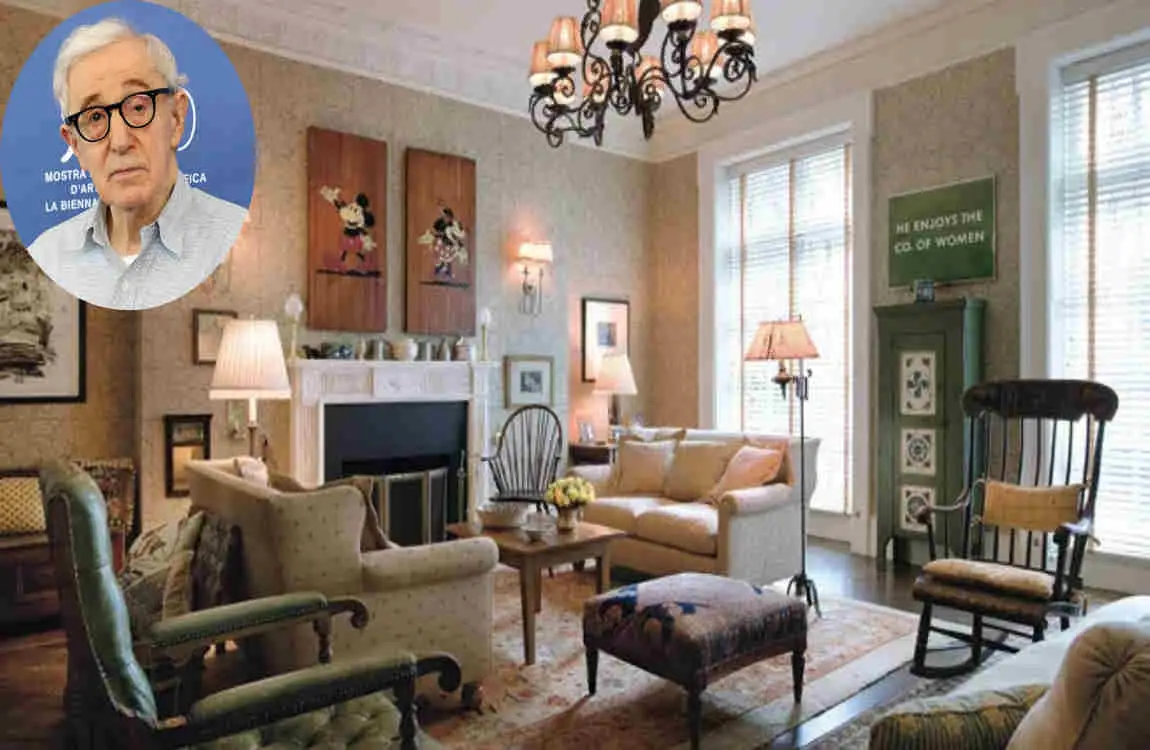
Step inside the Woody Allen house, and you’ll see how every room mirrors his quirky, intellectual world. Allen worked with renowned interior designer Steven Shadley to remodel and decorate this space. Shadley’s touch brought out the home’s potential, blending functionality with personal flair.
This Woody Allen interior design isn’t about trends—it’s about comfort and inspiration. Allen’s taste shines in the mix of books, art, and cozy spots that feel authentically lived-in.
The Heart of the Home: Personal Library
One highlight is Allen’s personal library. It’s packed with paperbacks and hardcovers, their worn edges showing they’re not just for show. This collection reveals Allen as a faithful reader, drawing from literature for his films.
Bookshelves line the walls, creating a haven for thought. It’s easy to picture him pulling a volume for inspiration. This space embodies his love for words, a core part of his creative process.
Cozy Corners in the Living Room
The living room welcomes you with a crackling fireplace, perfect for chilly New York evenings. Plush red velvet armchairs invite you to sink in and chat—or brainstorm a script.
Above the mantel hangs an 1840 American painted Pine Tavern sign, adding a touch of historical whimsy. This piece isn’t random; it reflects Allen’s interest in Americana and storytelling artifacts. The room’s warmth draws you in, making it ideal for gatherings or quiet reflection.
Dining in Style: The Blue Room
Contrast that with the blue dining room. Its cool palette offers a refreshing break from the warmer tones elsewhere. Soft blues create a serene atmosphere, great for intimate meals.
This room shows Allen’s thoughtful use of color. Reds and yellows dominate other areas, symbolizing energy and creativity. Here, the blues bring calm, balancing the home’s overall vibe.
Sanctuary in the Main Bedroom
Now, let’s peek into the main bedroom—Allen’s inner sanctum. It’s bright and sunny, with large windows flooding the space with natural light. This quiet spot is where he escapes the world.
Adorned with 19th-century framed samplers, the room has a vintage charm. A fireplace adds coziness, while a simple desk serves as his writing nook. It’s minimal yet inspiring, perfect for penning those neurotic dialogues.
Color Schemes That Spark Creativity
Throughout the Woody Allen house, color plays a significant role. Warm reds and yellows evoke passion and ideas, mirroring Allen’s films. These choices aren’t accidental—they foster a creative environment.
Personal memorabilia dots the spaces: old photos, film posters, and artworks from his collections. They showcase his cultural interests, from jazz to classic cinema.
Integrating Art and History
Allen’s deep dive into history shows in the decor. Pieces from different eras blend seamlessly, creating a narrative feel. It’s like walking through a museum of his mind.
Artwork hangs thoughtfully, each piece telling a story. This integration makes the home feel alive, not static. Have you thought about how your own decor reflects your personality? Allen’s does it masterfully.
To give you a quick overview, here’s a table highlighting key rooms and their standout features:
RoomKey Features: How It Reflects Allen’s Personality
Living Room Fireplace, red velvet armchairs, 1840 tavern sign. Warm, inviting space for reflection and creativity
Dining Room Cool blue palette, elegant furnishings Serene contrast, showing balance in design
Main Bedroom Sunny windows, 19th-century samplers, simple desk Quiet sanctuary for writing and introspection
Personal Library Mix of worn books, extensive shelves , Intellectual hub revealing a faithful reader’s soul
And for some fun facts, check out this list of unique decor elements:
- Worn book edges: Proof of Allen’s avid reading habits.
- Historical artifacts, such as the tavern sign, add quirky history.
- Color contrasts: Warm tones for energy, cool for calm.
- Personal touches: Memorabilia from films and travels.
This Woody Allen interior design truly captures his essence—witty, warm, and wonderfully creative.
The House as a Creative Workspace
For Woody Allen, home isn’t just for relaxing—it’s his ultimate creative hub. He famously works from his bedroom, turning a personal space into a productivity powerhouse. This setup in the Woody Allen house shows how the environment shapes genius.
The quiet, bright atmosphere helps him focus. No distractions, just pure inspiration flowing from the surroundings.
Allen’s Daily Writing Routine
Allen’s disciplined routine is legendary. He writes every day, often at that simple desk in his bedroom. This rhythm integrates seamlessly with the home’s calm vibe.
Imagine starting your day with coffee and ideas in such a space. It fosters the discipline needed for his prolific output—one film a year, folks!
How Space Supports Filmmaking
The Woody Allen writing space is designed for immersion. Natural light keeps energy high, while the quiet blocks out city noise. This fosters deep thinking, essential for his scripts.
Examples abound: many ideas for films like Manhattan likely sparked here. The home’s layout supports brainstorming, editing, and even casual rehearsals.
Fostering Prolific Creativity
Allen’s method proves that a supportive space boosts output. He avoids fancy offices, preferring the intimacy of home. This choice has led to over 50 films—impressive, right?
If you’re a creator, take note: your environment matters. Allen’s Woody Allen house exemplifies how a well-chosen spot can supercharge your work.
Cultural and Filming Significance of Woody Allen’s House
Woody Allen’s films are love letters to New York, and his home plays a starring role in that romance. The Woody Allen Manhattan home connects deeply with movies like Annie Hall, where Upper East Side vibes shine through.
Neighborhood streets often double as film sets, blending real life with cinema.
Backdrops in Allen’s Storytelling
This townhouse and its surroundings inspire Allen’s narratives. Quiet blocks evoke the introspection in his characters. It’s no wonder his stories feel so authentic—they’re drawn from his doorstep.
The house symbolizes New York’s intellectual life, a theme in his work. It blends personal artistry with the city’s pulse.
A Cultural Symbol
Beyond films, the Upper East Side townhouse stands as a cultural icon. It represents the artist’s private world, fueling public fascination.
For contrast, recall the Sculptured House from Sleeper—a futuristic dome in Colorado. Unlike Allen’s cozy home, it’s all about satire and exaggeration. This comparison highlights how his real residence grounds his creativity in reality.
Blending Art and Life
Allen’s house illustrates how personal spaces influence art. It contributes to his legacy, showing New York’s role in cinema. Ever wondered how your home shapes your stories? Allen’s does it on a grand scale.
The Legacy and Public Fascination with Woody Allen’s House
People are endlessly curious about Woody Allen’s private life, and his home feeds that intrigue. The Woody Allen house offers glimpses into the man behind the movies, sparking fan discussions.
It reflects his enduring legacy in film and culture—witty, profound, and New York-centric.
Building Mystique
This residence adds to Allen’s mystique. It’s not just bricks; it’s a canvas of his creative life. Public interest keeps growing, especially with real estate buzz.
Speaking of which, the house’s market value is sky-high, thanks to the neighborhood’s status. Previous sales in the area highlight its investment appeal.
A Lasting Testament
Ultimately, the Woody Allen house endures as a symbol of artistic living. It shows how spaces can immortalize a person’s impact. Fans, take heart—it’s a peek into genius.
Where Does Woody Allen’s Currently Live?
Woody Allen currently lives in a neo-Federal Style townhouse on East 70th Street in New York City’s Upper East Side. He bought this residence in 2005 and shares it with his wife, Soon-Yi Previn, and their two daughters. The townhouse is described as a beautifully restored early 20th-century home with original details and a private garden, reflecting Allen’s long-standing affinity for New York and its culture.
You may also read (step inside the enigmatic world of tim burtons house).
