

To unclog a floor drain with standing water, remove the drain cover, scoop out debris by hand, then plunge the drain with a cup plunger. If water still won’t move, use a drain snake (auger) to break up the clog, flush with hot water, and clean the trap. Avoid mixing chemical cleaners, and call a plumber if water backs up from several drains at once.
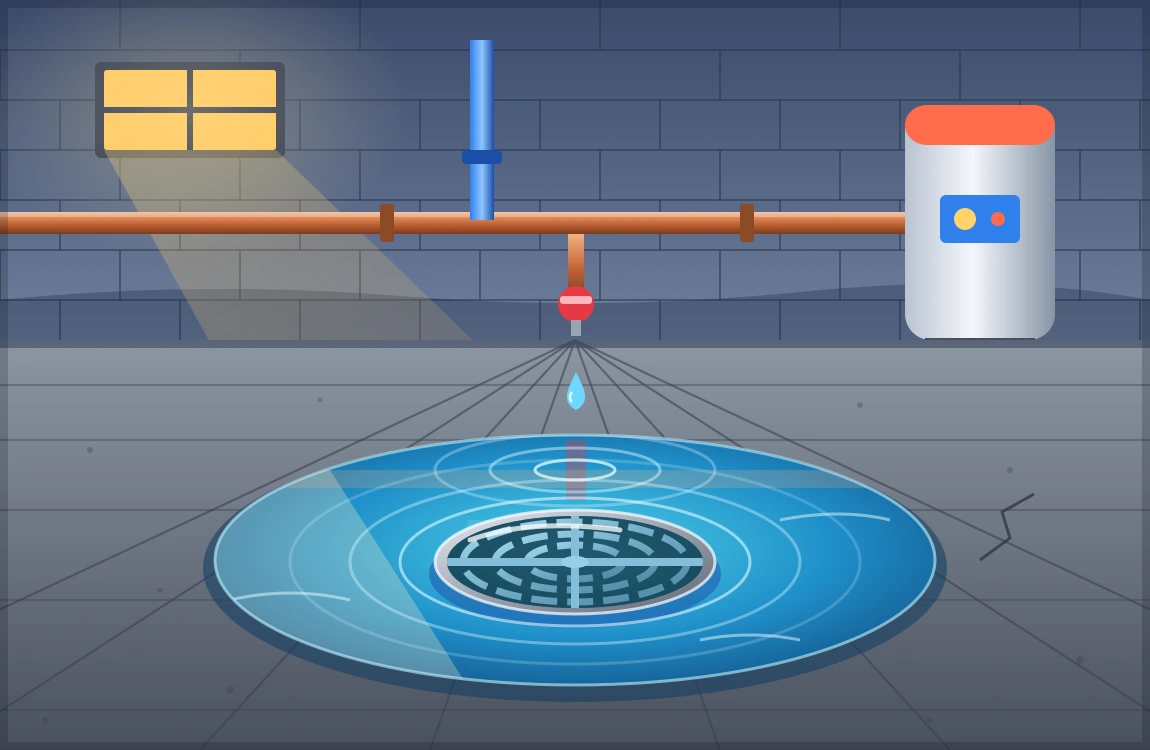
Why Does a Floor Drain Fill With Standing Water?
Floor drains in basements, laundry rooms and garages sit at the lowest point of your home, so they collect lint, soap scum, sediment, hair and sometimes tree roots. When that buildup blocks pipe, water can’t drain and starts to pool. This Old House notes that most household drain clogs are caused by a slow accumulation of debris rather than a single event.
Common causes include:
- Lint and detergent residue from a washing machine
- Dirt, sand and mud washed in from outdoors
- A dried-out trap that lets sewer gas and debris build up
- Tree roots in an older main line
- A blocked sewer line or municipal backup
What You’ll Need
- Rubber gloves and safety glasses
- Screwdriver or wrench (for the drain cover)
- Wet/dry vacuum or bucket
- Cup plunger
- Drain snake (25-ft auger works for most homes)
- Enzyme-based drain cleaner (optional)
How to Unclog a Floor Drain With Standing Water: 7 Steps
Remove the standing water
Use a wet/dry vacuum or a bucket to take out as much water as you can. This lets you see the drain and protects you from dirty water. Wear gloves, since floor drain water can carry bacteria.
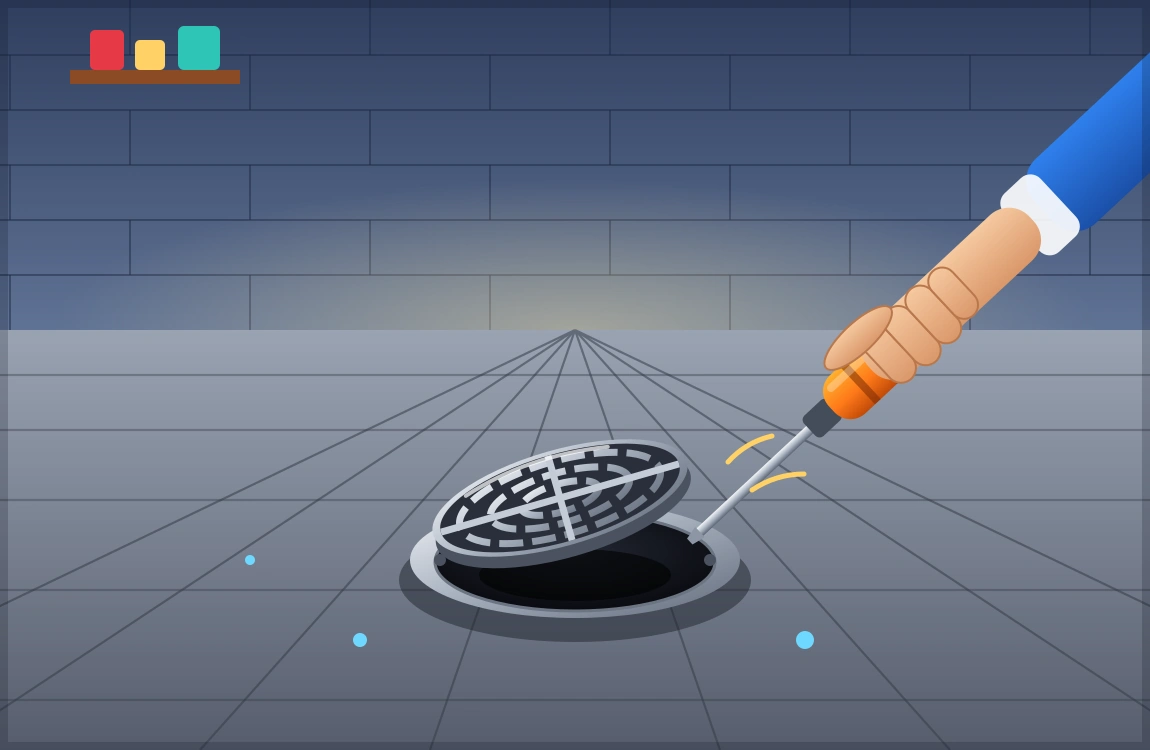
Take off the drain cover
Unscrew or pry off the grate. Pull out visible hair, lint, leaves and sludge by hand or with needle-nose pliers.
Plunge the drain
Add a few inches of water so the plunger cup is covered, press it firmly over the opening and pump 15 to 20 times. Floor drains are wide, so a cup plunger with a tight seal works best. Block any nearby overflow openings with a wet rag if needed.
Use a drain snake
If plunging fails, feed a drain snake into the opening, turning the handle clockwise until you meet resistance. Rotate to hook or break up the clog, then pull the snake out slowly and clean it.

Flush with hot water
Pour hot (not boiling) tap water down the drain to push loosened debris through the line. Boiling water can soften or damage PVC pipe joints.
Try an enzyme cleaner for stubborn buildup
Enzyme or bacterial cleaners digest organic gunk gradually and are gentler on pipes than harsh chemicals. Follow the label, and never mix different drain cleaners. The U.S. EPA offers general guidance on home water use and plumbing efficiency, and the CDC provides safety information on healthy water and sanitation at home.
Test, clean and refill the trap
Run a few gallons of water down the drain. If it flows freely, clean the cover and put it back. Pour about a quart of water into rarely used drains each month so the trap seal stays full and blocks sewer gas.
When to Call a Plumber
Call a licensed plumber if:
- Water returns within hours or days
- Toilets, showers or other drains back up at the same time (a sign of a main sewer line clog)
- You notice a sewage smell or sewage-colored water
- Tree roots or a collapsed pipe are suspected
A plumber can run a camera inspection and use hydro-jetting to clear the full line. Local requirements for floor drains and traps follow plumbing codes such as those published by the International Code Council.
How to Prevent Floor Drain Clogs
- Clean the drain cover and basket every 3 months
- Use a lint trap or filter on your washing machine hose
- Never rinse paint, grease or construction debris into the drain
- Flush the drain monthly with hot water and an enzyme cleaner
- Keep nearby gutters and downspouts directing water away from the foundation
Frequently Asked Questions
Can I use drain cleaner on a floor drain with standing water?
It’s best to avoid it. Standing water dilutes chemicals, and a strong cleaner left sitting can splash on skin or damage pipes. Mechanical methods like plunging or snaking are safer.
Why is my basement floor drain filling with water when it rains?
Heavy rain can overload the sewer line or groundwater system and push water back up. A backwater valve and proper exterior drainage can reduce the risk.
How long does it take to unclog a floor drain?
Most simple clogs take 20 to 45 minutes with a plunger or snake.
Why does my floor drain smell?
A dry trap, trapped debris or a sewer line issue is usually the cause. Refill the trap with water first, then clean the drain.
Final Thoughts
A floor drain full of water is messy but usually fixable in under an hour with basic tools. Remove the water, clear the debris, plunge, snake and flush, and keep up with monthly maintenance to stop it from coming back.
