
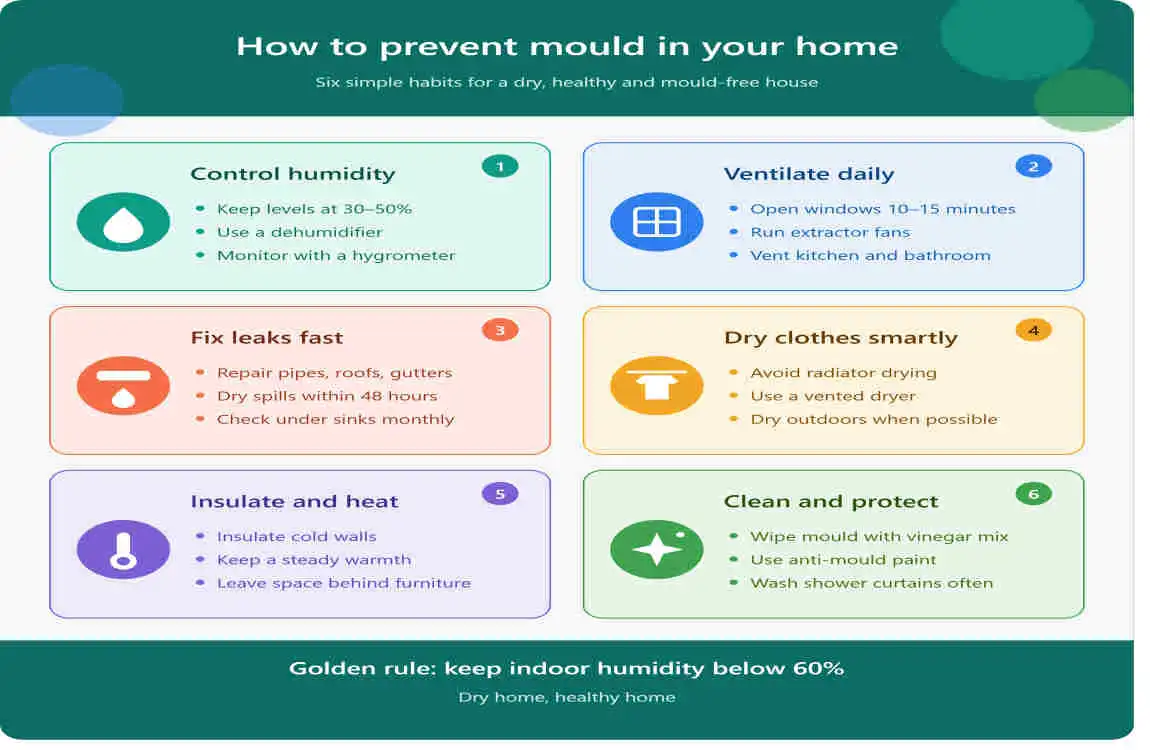
If you have ever spotted black speckles in the corner of a bathroom ceiling or caught a musty smell behind a wardrobe, you already know how quickly mould can take hold in a British home. Our damp climate, older housing stock and tendency to keep windows shut all winter make the problem common. The good news is that learning how to prevent mould in house UK properties face every year is mostly about controlling moisture, and most of it is simple and low cost.
Why Does Mould Grow in UK Homes?
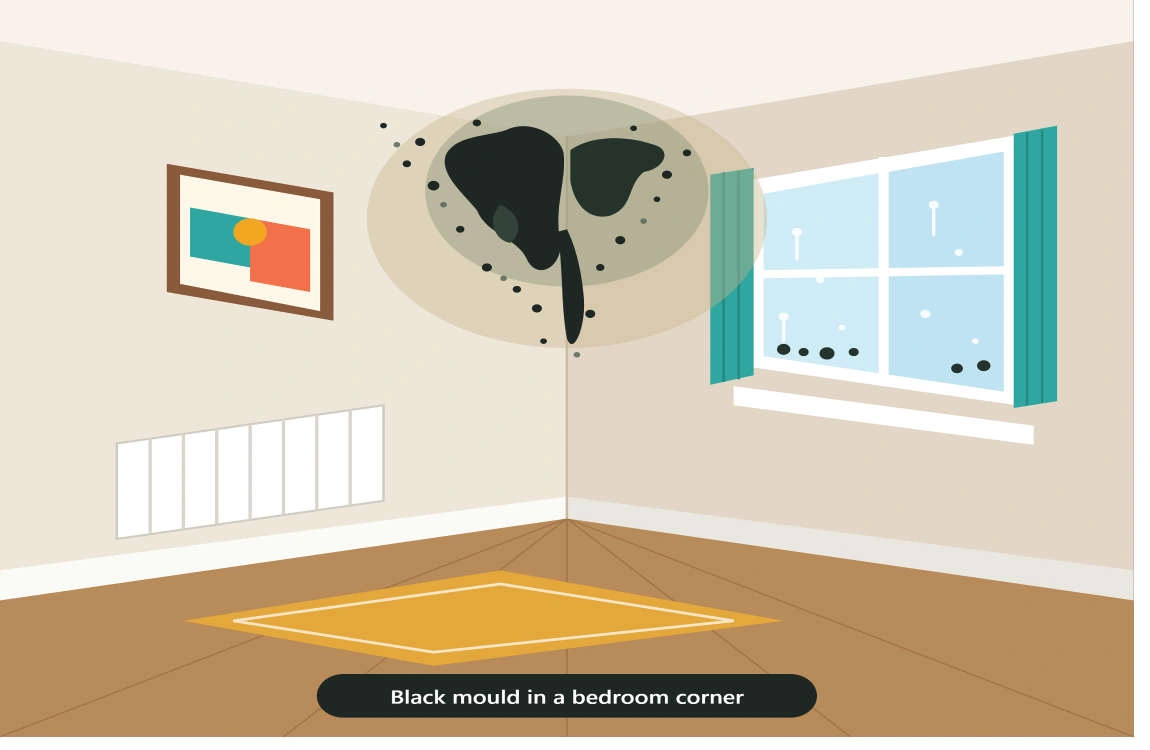
Mould is a type of fungus. Its spores are in the air all the time, indoors and out, but they only grow into visible patches when they land on a surface that stays clean damp. That moisture usually comes from one of three places:
- Condensation: warm, humid air hits a cold surface such as a window, an external wall or a ceiling corner and turns to water. This is the most common cause.
- Penetrating damp: water getting in from outside through damaged roofs, gutters, brickwork or window seals.
- Rising damp or leaks: moisture travelling up from the ground or escaping from faulty pipes and appliances.
The Energy Saving Trust is one of the UK’s best-known independent energy advice bodies, and it highlights that reducing condensation is the key to reducing mould growth. Getting the cause right matters, because wiping away mould without fixing the moisture source means it will simply return.
Is Mould in the House Bad for Your Health?
It can be. Official UK government guidance on damp and mould states that it primarily affects the airways and lungs, and can also affect the eyes and skin. Children, older people and anyone with asthma, allergies or a weakened immune system are most at risk. If anyone in your household develops a persistent cough, wheezing or breathlessness that seems linked to a damp room, speak to a GP or other healthcare professional.
9 Effective Ways to Prevent Mould in Your House
Keep Your Home Consistently Warm
Cold walls are where condensation forms. Heating your cleaning home steadily, rather than in short bursts, keeps surfaces warmer and reduces the chance of moisture settling. Energy Saving Trust guidance commonly suggests aiming for roughly 18 to 21 degrees Celsius in the rooms you use during winter. Heating only one room can push moist air into colder rooms, so a low background heat throughout the house is better.
Ventilate Every Day
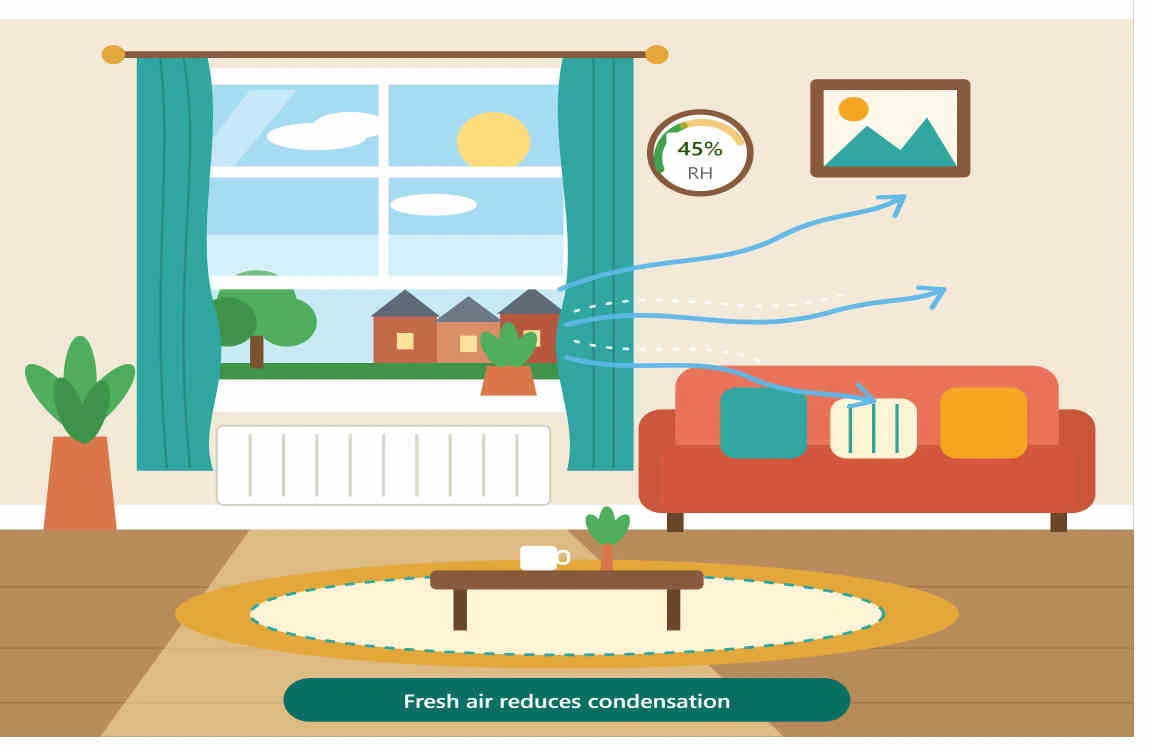
Fresh air carries moisture out of your home. Open windows for short periods each day, ideally when cooking, showering or after waking up, and use trickle vents if your windows have them. You do not need to leave windows wide open for hours; a few minutes of good airflow does a great deal.
Use Extractor Fans in Kitchens and Bathrooms
Cooking, showering and bathing create a large amount of water vapour in a short time. Run your extractor fan while you do these things and for 15 to 20 minutes afterwards. Keep the door closed so steam does not drift into bedrooms and hallways. If your fan is noisy, clogged or weak, have it cleaned or replaced, since a failing fan is one of the quiet causes of recurring bathroom mould.
Cut Down the Moisture You Create
Everyday life adds a surprising amount of water to the air. Simple habits help:
- Put lids on pans when cooking.
- Avoid boiling water for longer than you need to.
- Take shorter, cooler showers where possible.
- Avoid bottled gas or paraffin heaters, which release a lot of water vapour as they burn.
Dry Laundry Smartly
A single load of washing can release litres of moisture into your home as it dries. Where you can, dry clothes outdoors. If you must dry indoors, use a room with an open window or an extractor, keep the door shut, and consider a vented or condenser tumble dryer. Avoid draping wet clothes over radiators, as this raises indoor humidity quickly.
Control Humidity with a Dehumidifier or Hygrometer
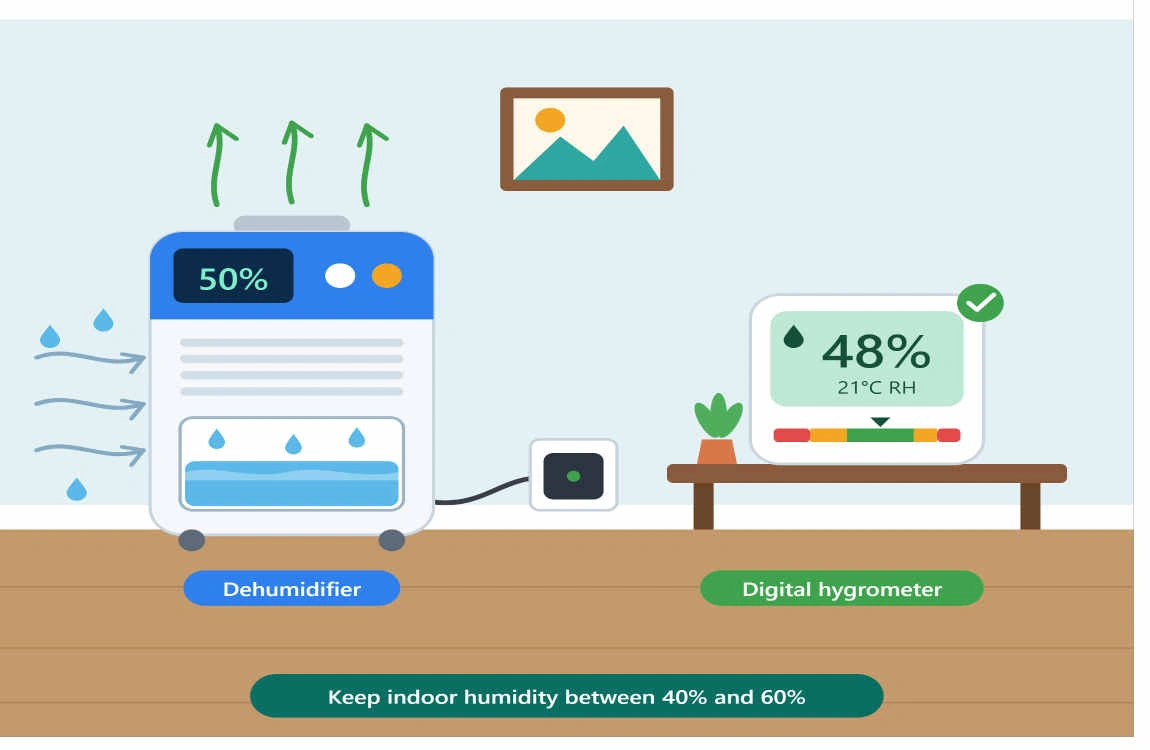
Aim to keep indoor relative humidity below about 60 per cent. A small digital hygrometer costs only a few pounds and shows you exactly when levels are climbing. In homes where moisture is a persistent problem, a dehumidifier can pull water from the air and make a noticeable difference, especially in winter and in rooms used for drying laundry.
Leave Space Around Furniture and Wipe Down Windows
Air needs to move across walls to keep them dry. Pull wardrobes and beds a few centimetres away from external walls, and avoid packing cupboards so tightly that air cannot circulate. Wipe condensation from windows and sills each morning with a cloth, and wring it out rather than leaving moisture to soak into frames.
Fix Leaks, Gutters and Damaged Seals Quickly
No amount of ventilation will help if water is entering the building. Check for:
- Slipped or cracked roof tiles
- Blocked or leaking gutters and downpipes
- Failing window or door seals
- Dripping pipes under sinks and behind appliances
- Cracked external render or damaged pointing
Repairing these early is far cheaper than treating a damp wall later.
Improve Insulation and Treat Cold Spots
Poorly insulated walls, lofts and cold bridges make condensation far more likely. Loft insulation, cavity wall insulation and draught proofing around doors can lift wall temperatures and cut heating bills at the same time. Do not seal up kitchen and bathroom windows or remove permanent vents, though, because the home still needs a controlled route for moist air to escape. Insulation work should be done properly by a qualified installer so ventilation is not compromised.
How to Clean Existing Mould Safely
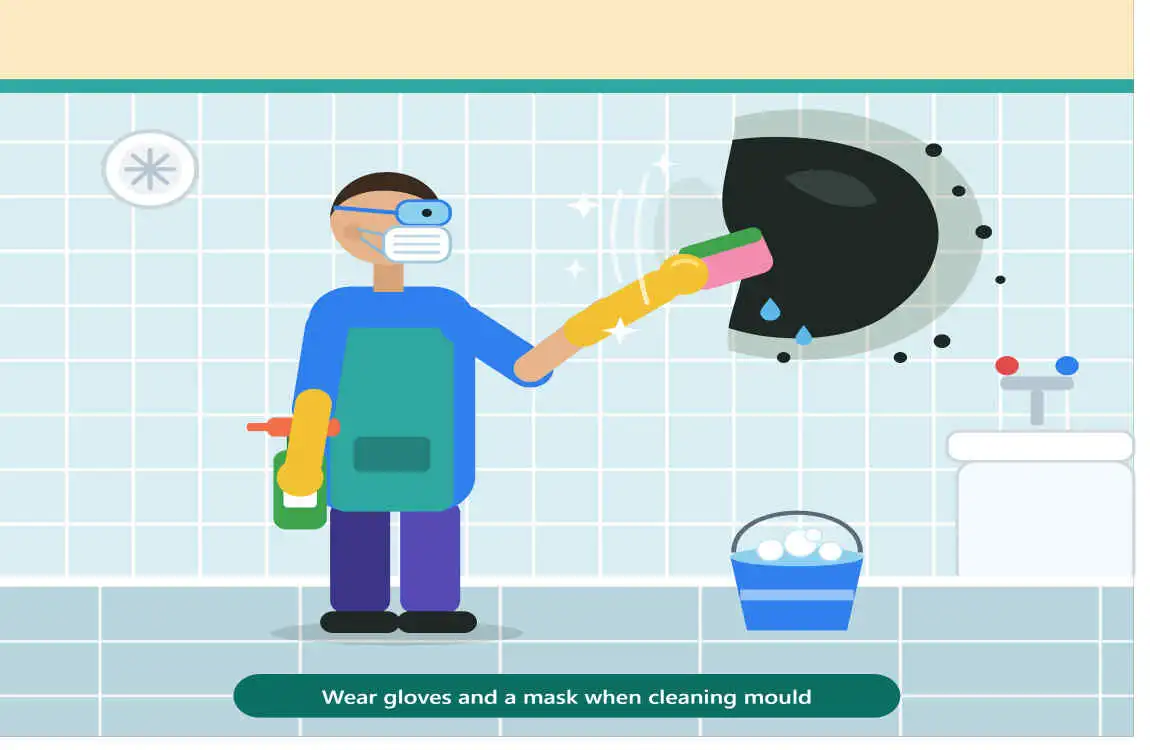
Prevention works best once the existing mould is gone. For small patches, wear gloves and a mask, open a window, and wipe the area with a damp cloth and a suitable mould-removal product or a mild detergent solution. Avoid dry brushing, which sends spores into the air, and never mix cleaning chemicals. Dispose of cloths in a sealed bag. If the mould covers a large area, keeps coming back, or you have a health condition that could be affected, get professional help rather than tackling it yourself.
Renting? Know Your Rights
If you rent in England and the mould comes from a structural fault, disrepair or a lack of ventilation that you cannot fix yourself, the responsibility to act usually sits with your landlord. Shelter explains that it is generally a landlord’s responsibility to deal with damp and mould where it is caused by disrepair or poses a risk to health and safety. The government’s joint guidance from the Office for Health Improvement and Disparities, the Department for Levelling Up, Housing and Communities and the UK Health Security Agency sets out landlords’ legal responsibilities and the health risks involved. Always report problems in writing and keep copies and photos. If your landlord does not respond, contact your local council’s environmental health or private sector housing team. Rules differ in Scotland, Wales and Northern Ireland, so check the guidance for your nation.
Quick Mould Prevention Checklist
- Heat your home steadily through winter
- Ventilate daily and use extractor fans
- Keep humidity below roughly 60 per cent
- Dry laundry outdoors or in a ventilated room
- Wipe condensation from windows each morning
- Keep furniture away from external walls
- Repair leaks and gutters promptly
- Add insulation without blocking ventilation
Frequently Asked Questions
What is the main cause of mould in UK homes?
Condensation is the most common cause. Everyday activities like cooking, showering and drying clothes add moisture to the air, which then settles on cold surfaces and allows mould to grow.
What is the best way to stop mould coming back?
Remove the moisture source. Clean the visible mould, then improve ventilation, keep the home warm, control humidity and repair any leaks or structural problems.
Does opening windows in winter really help?
Yes. Short, regular periods of ventilation replace damp indoor air with drier outdoor air without losing too much heat.
When should I call a professional?
Call a professional if mould covers a large area, returns quickly after cleaning, appears alongside signs of structural damp, or if someone in the home has respiratory symptoms.
Final Thoughts
Preventing mould is not about one expensive fix. It is a set of small, consistent habits: warmth, airflow, moisture control and quick repairs. Follow the steps above, and you will protect both your health and your property, and you will know exactly how to prevent mould in house UK conditions throw at you year after year.
