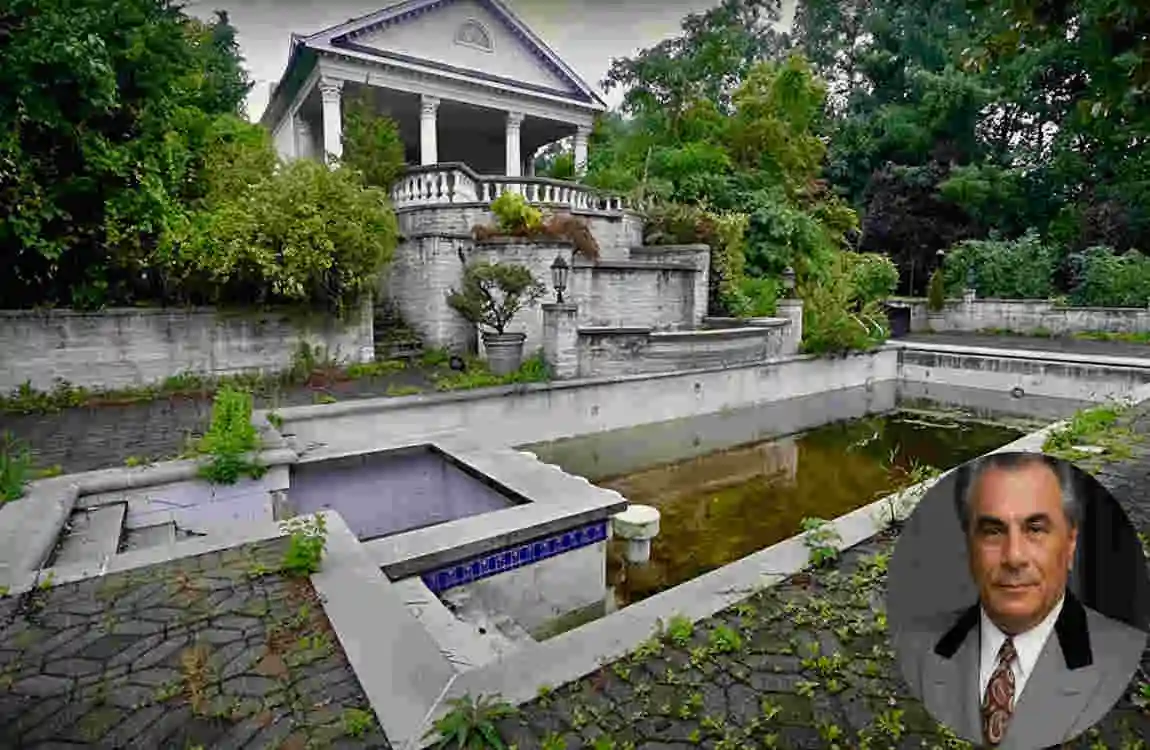
The John Gotti house draws attention for a simple reason: it is tied to one of the most talked-about figures in New York crime history. People are often curious about homes connected to famous or controversial public figures, especially when those homes sit in well-known neighbourhoods and carry a strong local story.
John Gotti was not just a criminal figure. He became a media symbol, a public name, and a subject of constant attention. That is one reason his home, and the places associated with his life, remain interesting to readers, researchers, and people who follow New York history.
| Category | Details |
|---|---|
| Full Name | John Joseph Gotti Jr. |
| Famous Name | John Gotti |
| Nicknames | The Dapper Don, The Teflon Don, Johnny Boy |
| Date of Birth | October 27, 1940 |
| Birthplace | The Bronx, New York City, USA |
| Nationality | American |
| Occupation | Gambino crime family boss / organized crime figure |
| Known For | Becoming the head of the Gambino crime family in New York |
| Wife | Victoria DiGiorgio (married in 1962) |
| Children | Five children, including John A. Gotti and Victoria Gotti |
| Height | Approximately 5 ft 10 in (1.78 m) |
| Net Worth (Estimated Peak) | Around $30 million (estimated) |
| Main Source of Wealth | Criminal activities, including racketeering, gambling, and other illegal operations |
Architecture and Design of the John Gotti House

Exterior Architecture
The John Gotti house’s architectural style is best understood through the lens of New York residential architecture. The home is commonly described as a practical, suburban-style residence rather than an extravagant mansion.
What makes it interesting is not only its size, but also its place in the neighbourhood and how it fits into a family-oriented residential setting. A home like this often has:
- A straightforward building shape
- Standard residential windows and doors
- A driveway or front access area
- A private yard or setback
- Simple exterior materials typical of the area
The exterior likely reflected the neighborhood’s broader look: functional, private, and built for daily living rather than for display alone.
Interior Design and Layout
Reliable public details about the exact interior may be limited, so it is best to avoid guessing. Still, houses associated with well-known New York figures from that era often featured practical layouts with familiar residential spaces.
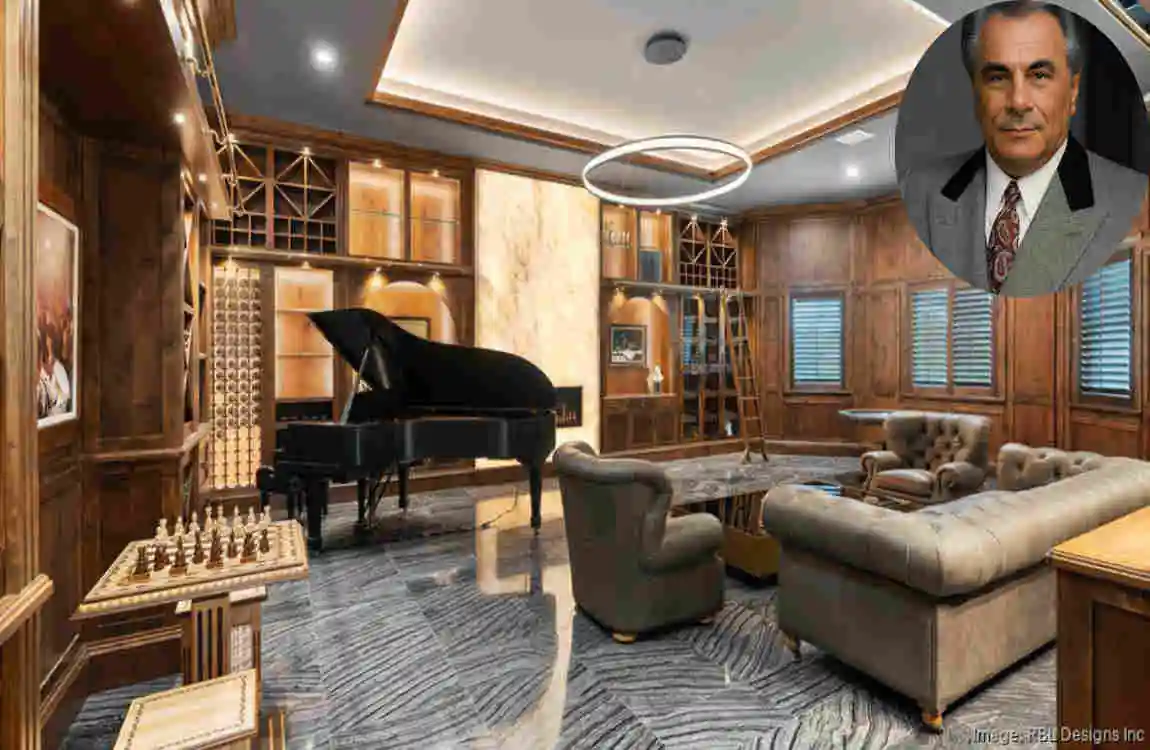
Typical rooms in a home like this would include living areas, bedrooms, a kitchen, bathrooms, and family spaces. The interior design may have changed over time through renovations or maintenance, especially if the property later changed ownership.
A home linked to a public figure often gains interest because people want to imagine how the interior supported both family life and privacy. That said, the real value lies in the documented history, not in unsupported rumours about the inside.
Architectural Style
Describe the exact architectural style only when reliable property records or strong public documentation support it. In general, the home appears to reflect the kind of residential architecture common in Queens neighbourhoods: practical, private, and adapted for family use.
That makes it different from grand estates or celebrity mansions. Its significance comes from the story surrounding the house, not from dramatic architecture alone.
How New York Residential Design Shaped the Home
The realities of land, neighbourhood density, and family life often shape New York homes; in Queens, this usually emphasizes privacy, efficient use of space, and a close relationship with the street and surrounding homes.
The John Gotti house fits that pattern. It is part of the broader story of New York residential design, where a house can feel ordinary in structure but historically important because of who lived there.
John Gotti House History and Major Events
John Gotti’s Connection to the Property
The house became tied to Gotti through his reported residence and family life. That connection made it part of his public story and one of the places people associated with him as he rose to fame.
Homes matter in public history because they show where a person lived, how they presented themselves, and how they interacted with their neighbourhood. In Gotti’s case, the house became part of the narrative around his image and lifestyle.
Family and Personal Connections
Gotti’s home was not only a personal residence. It was part of his family environment, which made it especially important in media accounts. The public often viewed the property through that lens, as a home rather than just a real estate asset.
That gives the house a different kind of historical weight. It was part of daily life, family identity, and the public image that surrounded him.
Media Attention and Public Interest
The house received attention because the media often focused on the places linked to famous or infamous figures. Photos, reports, and commentary helped turn the property into a point of fascination.
News coverage made the home feel symbolic. It came to represent Gotti’s rise, his public image, and the contrast between ordinary residential life and high-profile criminal notoriety.
Major Events and Public Narrative
The most important events tied to the property are not always architectural. Often, they are social and historical. The home became part of a broader story that included arrests, trials, headlines, and public curiosity.
A house like this can become significant because it acts as a backdrop to major moments. That is what makes property history so interesting. It is not just about walls and rooms. It is also about the lives and events connected to them.
How the Property Changed After Gotti’s Time
After Gotti’s time, the house entered a different phase of life, as many historic homes do. Ownership may have changed, the interior may have been updated, and the property may have taken on a more ordinary role in the neighbourhood again.
Still, the historical connection remains. Even when the story moves on, the house keeps its place in public memory.
Timeline of Key Property Themes
PeriodWhat Matters
Gotti’s residence years The home becomes connected to his personal and public life.
Peak media attention The property gains wider recognition through newspapers and television
Later ownership changes The house may be sold, updated, or repurposed as a private residence.
Present-day interest The house remains a topic of historical and cultural curiosity.
John Gotti House Value, Ownership and Real Estate Context
Why Value Is Hard to Measure Across Time
A property linked to a famous person can be discussed in many ways: past sale price, estimated current value, tax records, or public assumptions. These numbers do not always tell the same story.
Don’t compare a home’s old value directly to its current market price. The neighbourhood, economy, renovation level, and buyer demand all change over time.
Property Value Factors
Several factors affect the value of a house like this:
- Location
- Lot size
- Building size
- Architectural character
- Renovation condition
- Neighborhood demand
- Historical association
A historically notable home may gain interest because of its story. However, the real estate market still looks at the same basic things: condition, location, and utility.
Ownership Records and Public Information
Some ownership details may be documented in public records, while others may only appear in media reports. That is why it is important to be careful and accurate when discussing who owned the property and when.
Residence and ownership are not always the same thing. A person may live in a house without owning it, and a house may later pass to someone with no connection to its history.
Real Estate Changes Over Time
Real estate values can change dramatically over decades. A neighbourhood that once seemed ordinary can become more valuable. Renovations can also alter a house’s appearance or market value.
For a historic home, the difference between estimated value, sale price, and assessed value matters. Each number tells a different part of the story.
What Makes a Historically Notable Home Valuable?
A house like this may have added interest because of its place in history. But that interest doesn’t always mean the home is worth more on the market. Some buyers want the history. Others may prefer privacy and avoid the attention.
That is why historic value and market value aren’t always the same.
Legacy of the John Gotti House and Its Place in Popular Culture
Why the House Still Gets Attention
The John Gotti house remains interesting because it sits at the intersection of architecture, crime history, and media memory. People are drawn to homes that seem to tell a story about the person who lived there.
This property is also part of the larger fascination with New York history. A house can become a symbol of an era, especially when that era involved major public figures and strong media coverage.
Architecture Meets History
A home becomes historically significant when it is linked to people and events that shaped public life. That does not mean the house itself caused those events. It simply became the setting for them.
That is one reason architecture matters. It gives history a physical form. When we look at a house like this, we are also looking at a period of New York life and the way that era was remembered.
Public Memory and Famous Homes
People search for homes connected with famous figures because they want context. A property helps them imagine how a person lived, what kind of neighbourhood they knew, and how their public life connected with private space.
In this case, the story is not about admiration. It is about history, memory, and public interest. That difference matters.
Why Accuracy Matters
When discussing controversial historical figures, it is important to stay accurate and avoid unnecessary myth-making. A home can be historically relevant without being celebrated.
The best way to understand the John Gotti house is as a piece of social and architectural history. It reflects a place, a time, and a public story that still draws attention.
FAQ About John Gotti House
Where was John Gotti’s house located?
The home most commonly associated with John Gotti is in Howard Beach, Queens, New York. That is the location most often referenced in public discussion.
What was John Gotti’s house like?
It was generally described as a residential home in a New York neighbourhood, with a practical layout and private family setting rather than a grand estate.
Is the John Gotti house still standing?
Publicly discussed properties from this era may still exist, but their current condition and ownership can change. The safest answer is to rely on the latest verified property records.
Who owned the John Gotti house?
Ownership history can vary over time. Public records are the best source for confirming exact legal ownership, while media reports often focus on who lived there.
How much was the John Gotti house worth?
Historical value depends on the period being discussed. Do not compare old sale or tax figures directly with current market prices.
What architectural style was the John Gotti house?
It is best understood as a New York residential home with a practical, neighbourhood-based design. State exact style details only if reliable records support them.
Why is the John Gotti house historically significant?
It is significant because of its connection to John Gotti, its place in New York history, and the public attention it received over time.
| Property / House | Location | Architecture & Design | Estimated Worth | Property History |
|---|---|---|---|---|
| John Gotti’s Howard Beach Residence | Howard Beach, Queens, New York City, USA | Traditional suburban-style home common in the Howard Beach area; designed as a private family residence with comfortable living spaces rather than a large celebrity-style mansion. | Estimated value varied over time; comparable Howard Beach properties have increased significantly in value since Gotti’s era. | This was the residence most closely associated with John Gotti and his family. The home became widely known because of FBI surveillance and media attention during investigations into his activities. |
| Gotti Family Home (Queens Residence) | Queens, New York, USA | Residential property reflecting an upscale suburban lifestyle of the late 20th century, with family-oriented interiors and private surroundings. | Exact value not publicly confirmed; estimated based on neighborhood property trends. | The home represented Gotti’s connection to Queens and his rise within the Gambino crime family. It became part of the public image surrounding his lifestyle and reputation. |
Where Does John Gotti’s Currently Live?
If you mean John Gotti Sr., he does not currently live anywhere—he died on June 10, 2002.
John Gotti’s House Photos