
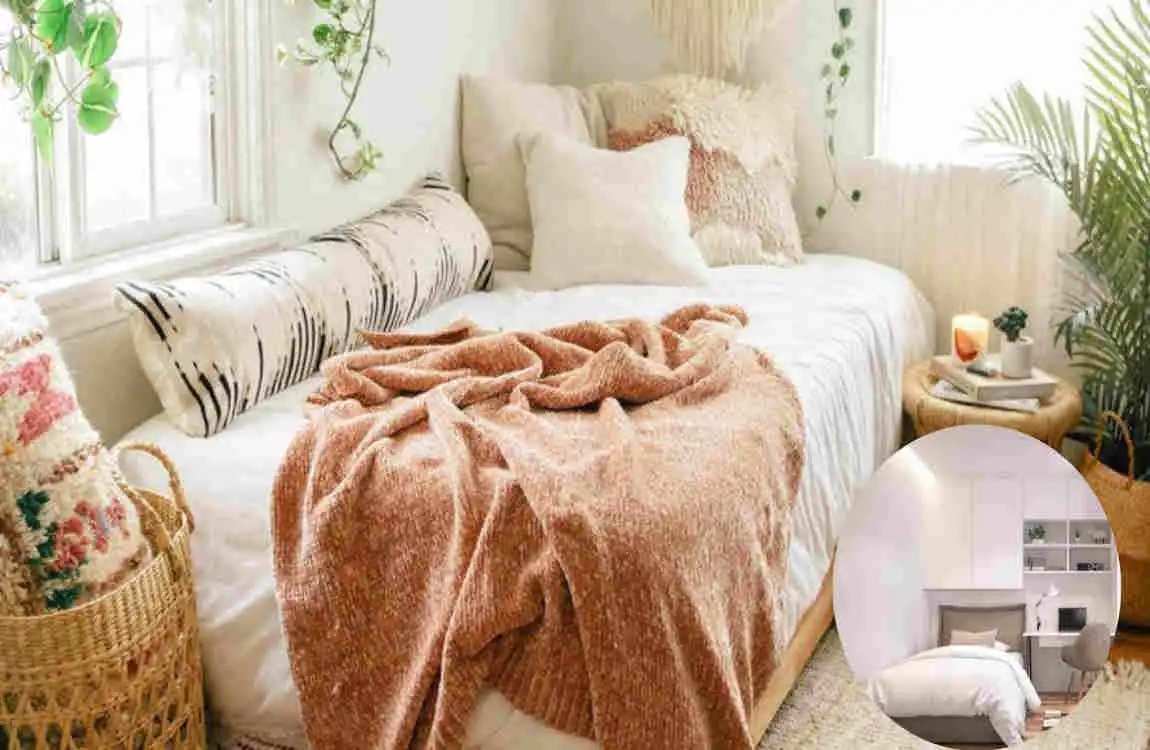
Decorating a tiny bedroom may seem difficult, but with the right ideas, you can create a room that feels comfortable, organized, and stylish. If you’re wondering how to decorate a very small bedroom, the secret is making smart use of every inch of available space. By choosing the right furniture, colors, and storage solutions, even the smallest bedroom can feel larger and more inviting.
Understand Your Small Bedroom Space
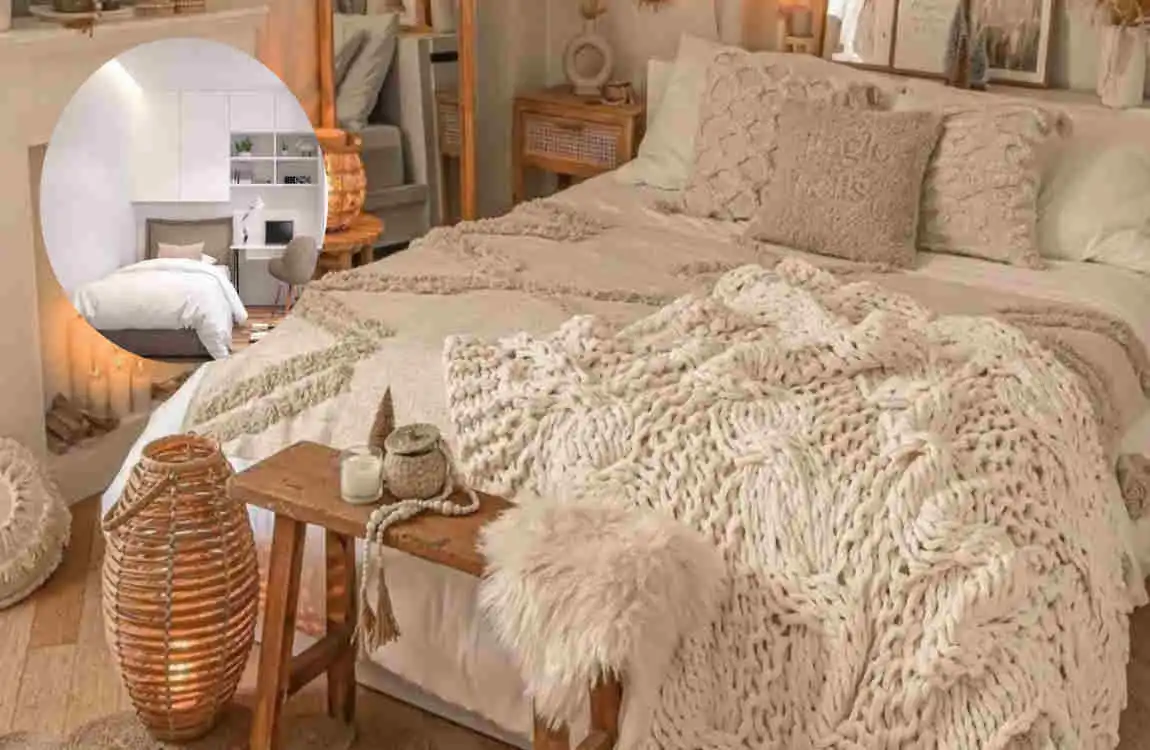
Before buying furniture or decorations, take a close look at your room.
Measure the Room Before Decorating
Measure the length and width of your bedroom. This helps you choose furniture that fits without making the room feel crowded.
Identify problem areas such as narrow walkways, awkward corners, or limited closet space before making any changes.
Decide Your Bedroom’s Main Purpose
Think about how you use the room.
- Sleeping only
- Sleeping and working
- Sleeping with extra storage
Knowing your priorities helps you decorate more efficiently.
Choose the Right Color Palette
Colors have a big impact on how spacious a room feels.
Light Colors Make Rooms Feel Bigger
Light shades reflect more light and make a room appear open.
Good color choices include:
- White
- Beige
- Soft Gray
- Pastel Blue
- Light Green
Add Color Without Overcrowding
Instead of filling the room with colorful furniture, use small accents like:
- Decorative pillows
- Wall art
- A single accent wall
- Cozy throws
These add personality without making the room busy.
Pick Space-Saving Furniture
Choosing the right furniture is one of the most important parts of learning how to decorate a very small bedroom.
Select the Right Bed Size
Choose a bed that matches your needs.
- Twin beds for single sleepers
- Full beds for small couples
- Platform beds for a modern look and extra storage
Use Multi-Functional Furniture
Furniture that serves more than one purpose saves valuable space.
Examples include:
- Storage beds
- Ottoman benches
- Foldable desks
- Nesting tables
Maximize Vertical Space
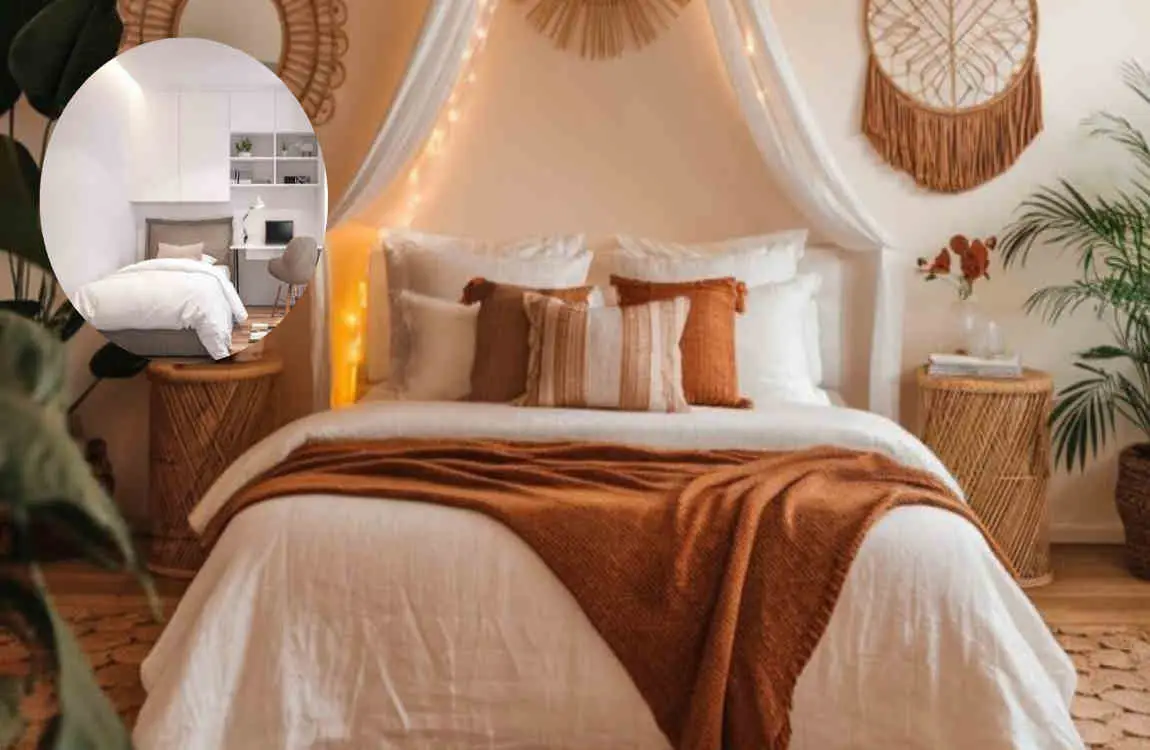
When floor space is limited, use your walls.
Install Floating Shelves
Floating shelves provide storage without taking up floor space. They work well for books, plants, and decorations.
Use Wall Hooks and Pegboards
Hooks and pegboards help organize bags, hats, jackets, and accessories while keeping everything within easy reach.
Choose Tall Wardrobes
Tall wardrobes use vertical space efficiently and provide more storage than wide cabinets.
Smart Bedroom Storage Ideas
Keeping your bedroom organized makes it feel much larger.
Under-Bed Storage
Use storage bins or drawers under the bed for seasonal clothes, shoes, and extra bedding.
Over-the-Door Organizers
These organizers are perfect for storing shoes, beauty products, or daily essentials.
Hidden Storage Furniture
Furniture with hidden compartments keeps clutter out of sight while maintaining a clean appearance.
Organize Your Closet
Use hanging organizers, storage boxes, and matching hangers to maximize closet space.
Arrange Furniture the Right Way
Furniture placement can make a huge difference.
Keep Walkways Clear
Leave enough space to move comfortably around the room.
Place the Bed Strategically
Position the bed against the main wall to free up more usable floor space.
Avoid Blocking Windows
Natural light makes a bedroom feel brighter and larger, so keep windows uncovered whenever possible.
Improve Lighting
Lighting changes the mood and appearance of a small bedroom.
Let Natural Light In
Open curtains during the day to brighten the room naturally.
Use Layered Lighting
Combine ceiling lights, wall lights, and bedside lighting for a warm atmosphere.
Choose Wall Sconces
Wall-mounted lights save space compared to traditional bedside lamps.
Decorate Without Creating Clutter
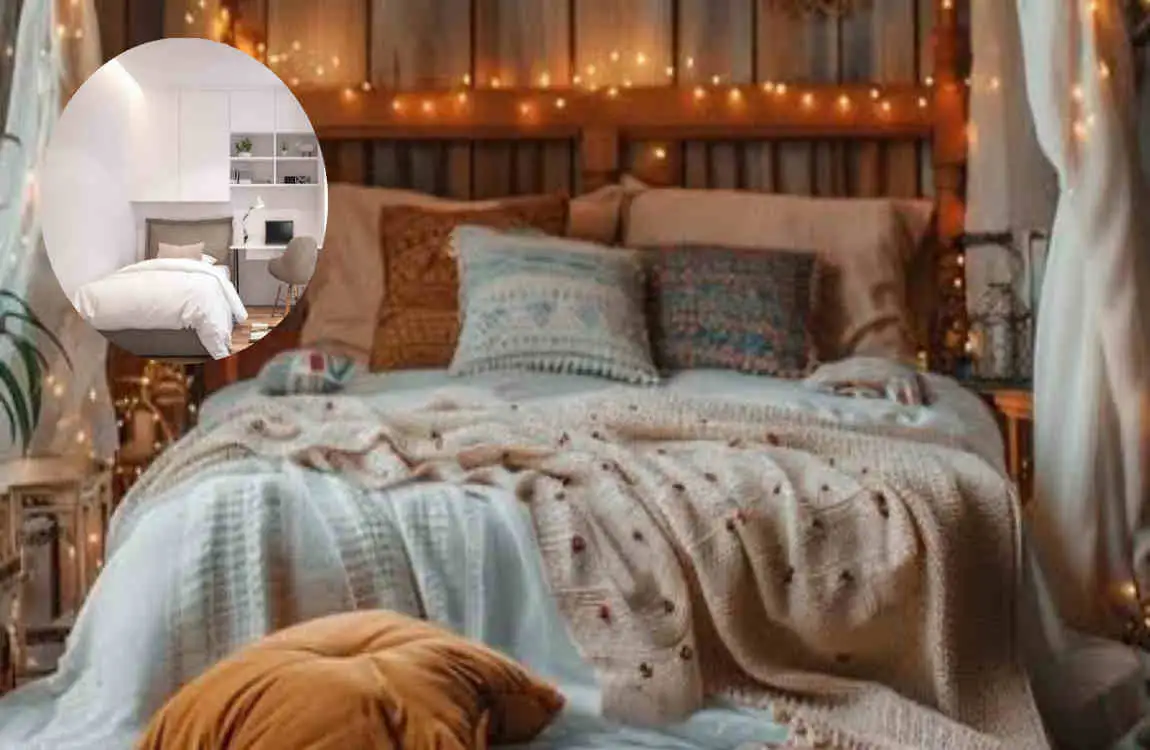
Small bedrooms benefit from simple decorations.
Choose Minimal Decorations
Select a few meaningful decorative pieces instead of filling every surface.
Add Mirrors
Mirrors reflect both natural and artificial light, creating the illusion of a larger room.
Use One Statement Piece
A large artwork or stylish headboard can become the room’s focal point without adding clutter.
Best Decorating Ideas for Tiny Bedrooms
Some decorating styles work especially well in compact spaces.
- Minimalist Style – Clean lines and fewer decorations.
- Scandinavian Design – Bright colors, wood accents, and simplicity.
- Modern Design – Functional furniture with sleek finishes.
- Cozy Style – Soft blankets, warm lighting, and textured fabrics.
- Neutral Theme – Calm colors that make the room feel spacious.
Common Mistakes to Avoid
Avoid these common decorating mistakes:
- Buying oversized furniture.
- Using too many dark colors.
- Adding too many decorations.
- Ignoring storage solutions.
- Blocking natural light.
Quick Tips for Decorating a Very Small Bedroom
- Declutter regularly.
- Use mirrors wisely.
- Keep furniture simple.
- Choose dual-purpose furniture.
- Take advantage of wall space.
- Stick with light-colored walls.
Frequently Asked Questions
How do I decorate a very small bedroom without making it look crowded?
Use light colors, multifunctional furniture, mirrors, and minimal decorations while keeping the floor as clear as possible.
What colors make a small bedroom look bigger?
White, cream, soft gray, light beige, and pastel shades help create the illusion of more space.
What type of bed is best for a very small bedroom?
A platform bed with built-in storage or a storage bed is an excellent choice because it saves space and reduces clutter.
How can I add more storage to a tiny bedroom?
Use under-bed storage boxes, floating shelves, over-the-door organizers, hidden storage furniture, and vertical cabinets.
Should I use mirrors in a small bedroom?
Yes. Mirrors reflect light and create the illusion of a larger, brighter, and more open space.
| Aspect | Smart Space Ideas for a Very Small Bedroom |
|---|---|
| Choose Light Colors | Use white, beige, or soft gray walls to make the room feel larger and brighter. |
| Use Multi-Functional Furniture | Pick beds with storage drawers or foldable desks to save space. |
| Maximize Vertical Space | Install floating shelves and wall hooks to keep the floor clutter-free. |
| Add Mirrors | Place a large mirror to reflect light and create the illusion of more space. |
| Keep Decor Minimal | Use a few decorative items instead of overcrowding the room. |
| Use Under-Bed Storage | Store seasonal clothes, shoes, or extra bedding in storage bins under the bed. |
| Optimize Lighting | Choose wall sconces or bedside lamps instead of bulky floor lamps. |
| Choose Compact Furniture | Select slim nightstands and narrow dressers that fit the room comfortably. |
| Declutter Regularly | Keep only essential items to maintain a clean and spacious look. |
| Add Personal Touches | Use artwork, plants, or colorful cushions to make the room cozy without taking up extra space. |
