
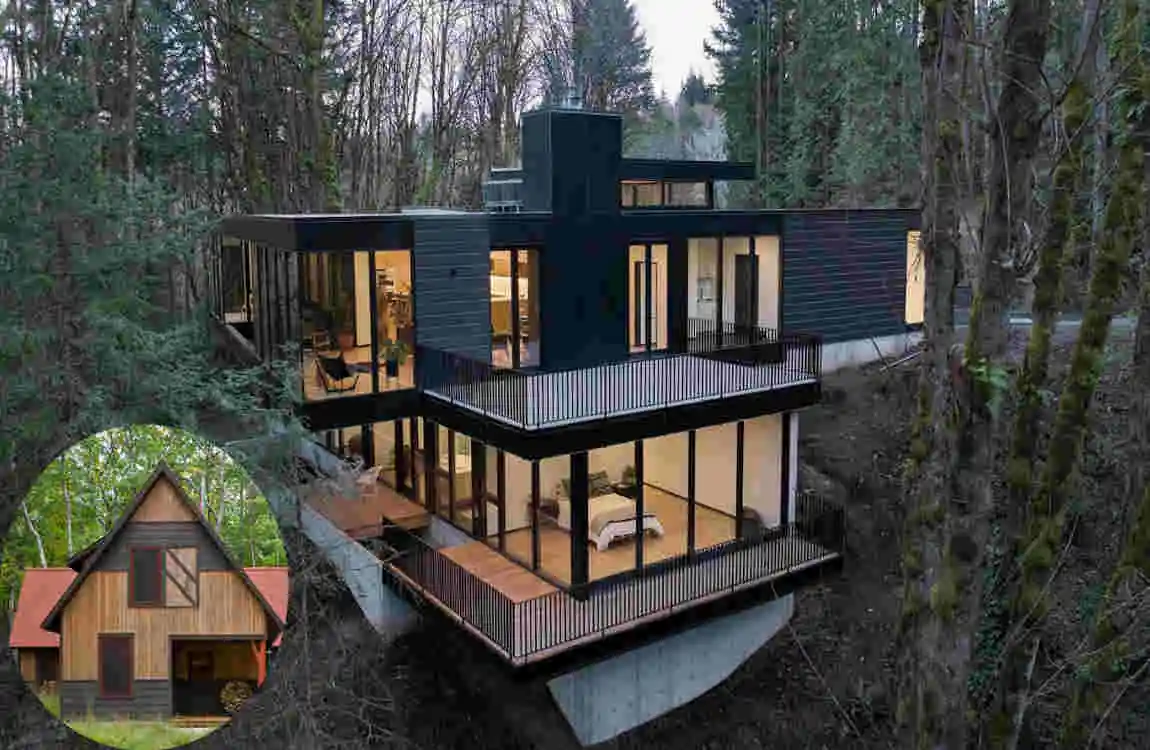
Imagine waking up to the gentle rustle of leaves, the morning sun filtering through towering trees, and the peaceful sounds of nature right outside your window. What makes a modern home in the woods so incredibly unique? It is the perfect blend of untamed nature and cutting-edge human comfort.
Woodland homes are growing in popularity every single day. People are looking to escape the noisy, crowded cities in search of fresh air and quiet spaces. But moving to the woods no longer means roughing it in a tiny, drafty cabin.
What Are Modern Castle Homes?
Definition of Modern Castle Homes
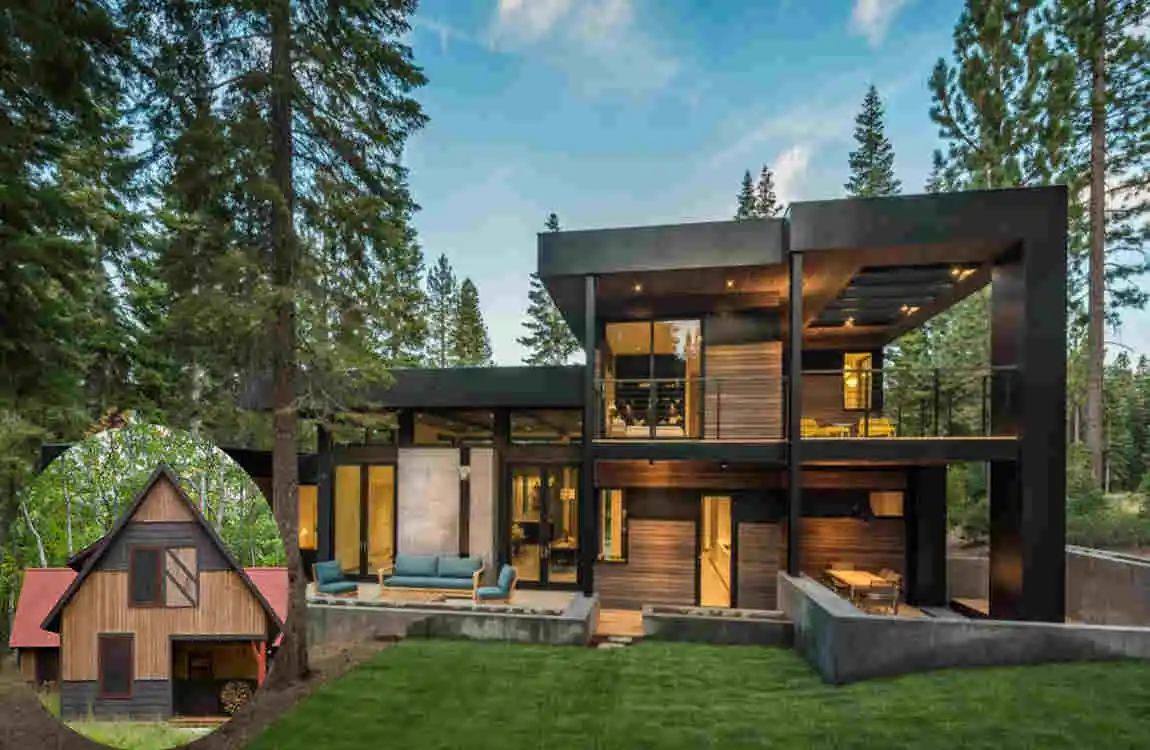
When you hear the word “castle,” you might picture a damp, dark stone fortress with a moat. But modern castle homes are completely different. These are luxurious, custom-built estates that borrow the grand scale and sturdy materials of ancient castles. They use heavy stone, striking rooflines, and commanding architectural shapes. However, they pair these strong features with modern comforts, huge glass panels, and open, airy spaces.
Modern vs. Traditional Castle-Inspired Homes
Traditional castle homes often feel heavy and closed off. They feature tiny windows, maze-like rooms, and dark interiors. Modern versions flip this idea completely upside down.
Instead of keeping the outside world hidden away, modern designs invite the outdoors inside. You still get the robust, strong exterior made of stone and timber. But inside, you will find sleek kitchens, floating staircases, and bright, sunlit rooms.
Why They Fit Woodland Locations Perfectly
A grand home needs a grand backdrop. That is exactly why these estates look so perfect nestled among towering pine or oak trees. The heavy stone and thick timber of the home perfectly match the rugged, raw beauty of the forest. Instead of looking out of place, the house feels like it naturally grew right out of the forest floor.
Benefits of Building a Modern Home in the Woods
Privacy and Peaceful Living
If you value your personal space, a wooded lot is your best friend. The dense trees act as a natural privacy fence. You can leave your massive windows completely uncovered without worrying about nosy neighbors peering inside. It offers a level of peace that you just cannot find in a traditional neighborhood.
Stunning Natural Views
Why hang a painting when you can look out at a living, breathing forest? Building in the woods gives you a front-row seat to the changing seasons. From vibrant fall colors to serene winter snowscapes, your views will always be spectacular.
Better Connection with Nature
Living in the woods naturally lowers your stress levels. When you step out onto your patio and breathe in the fresh forest air, you instantly feel grounded. This daily connection to nature boosts your mental health and helps you relax after a long day.
Improved Energy Efficiency
Trees are fantastic natural insulators. During the scorching summer months, a thick canopy of leaves blocks the harsh sun, keeping your home naturally cool. In the winter, the trees act as a windbreak, stopping freezing gusts from chilling your house. This means your heating and cooling systems do not have to work as hard.
Increased Property Value
Luxury buyers are always on the hunt for unique, private retreats. Because wooded lots offer such incredible privacy and beauty, homes built on them tend to hold their value incredibly well. A well-designed modern woodland estate is a highly sought-after prize in the real estate market.
Essential Design Features
Large Glass Windows
You cannot have a modern woodland home without massive windows. Floor-to-ceiling glass walls dissolve the barrier between your cozy living room and the wild forest outside. They flood your home with natural light and make your spaces feel infinitely larger.
Natural Stone and Wood Materials
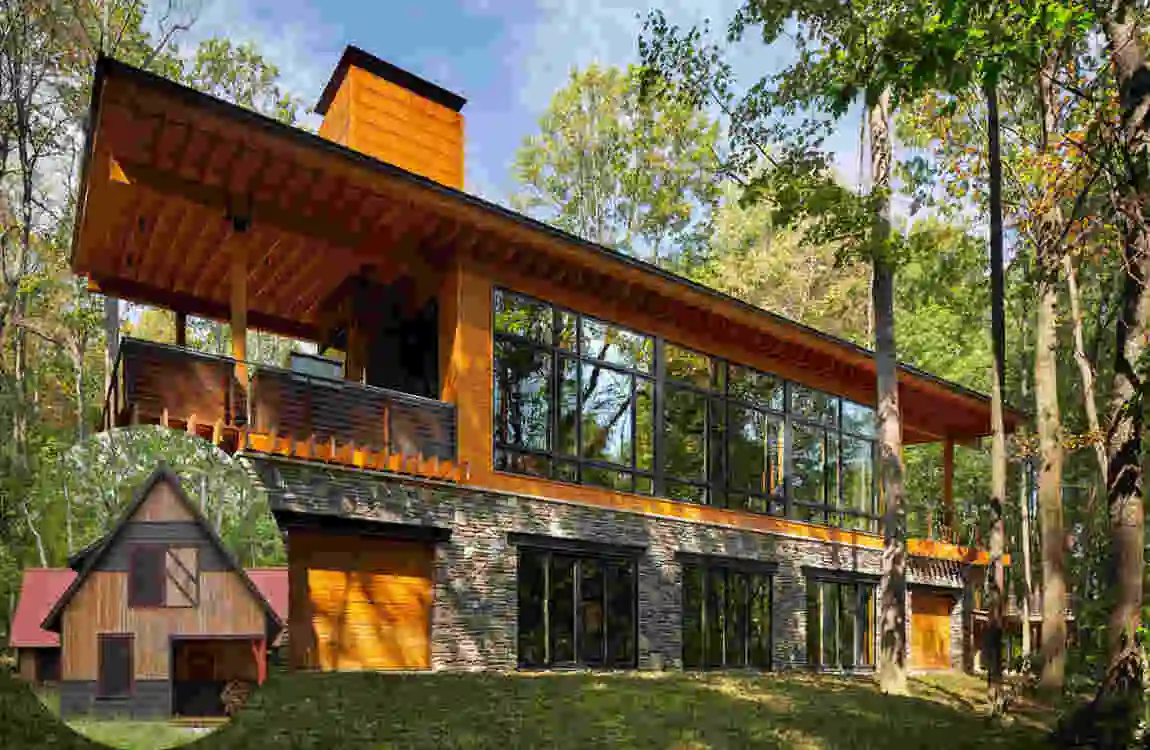
To make your home belong in the woods, you need to use materials found in the woods. Incorporating rich timbers, cedar siding, and natural stone grounds your home in its environment. These materials age beautifully and require very little maintenance.
Open Floor Plans
Modern living is all about flow. By removing unnecessary walls, you allow natural light to reach deep into the house. An open floor plan lets your kitchen, dining, and living areas blend perfectly together. It makes entertaining friends and family an absolute breeze.
High Ceilings
High ceilings give a nod to the grand halls of ancient castles. They add a sense of majesty and luxury to your home. Plus, tall ceilings give you the perfect opportunity to install massive, statement-making light fixtures or beautiful exposed wooden beams.
Indoor-Outdoor Living Spaces
You want to blur the line between the inside and the outside. You can achieve this by installing large sliding glass doors that open up directly onto a covered deck. This creates a seamless transition, allowing your living room to spill right out into the forest.
Smart Exterior Design Ideas
Stone Facades
A stone facade instantly gives your house that strong, timeless feel of modern castle homes. Whether you choose sleek, dark slate or warm, rustic river rock, stone adds incredible texture and curb appeal to your exterior.
Green Roofs
Want to truly blend into the forest? Consider a green roof. This is a roof partially or completely covered with vegetation. Not only does it look amazing from above, but it also absorbs rainwater, provides incredible insulation, and creates a habitat for local birds.
Large Decks and Patios
Your outdoor space is just as important as your indoor space. Wrap-around decks and multi-level stone patios give you plenty of room to host summer barbecues or sip your morning coffee while listening to the birds.
Outdoor Fireplaces
A chilly autumn evening in the woods is the perfect time to gather around a fire. A massive stone outdoor fireplace serves as a stunning focal point for your patio. It extends the time you can spend outdoors, keeping you warm well into the cooler months.
Natural Landscaping
Do not try to force a perfectly manicured, suburban lawn into the middle of the woods. Instead, embrace natural landscaping. Use native ferns, wildflowers, and moss to create a yard that thrives naturally in the local soil and shade.
Interior Design Inspiration
Minimalist Furniture
When your windows look out onto a vibrant forest, you want the view to be the star of the show. Choose sleek, minimalist furniture with clean lines. Clutter distracts the eye, so keep your interior design simple and purposeful.
Warm Wood Finishes
Bring the warmth of the trees inside. Use rich walnut, oak, or maple for your flooring, cabinets, and ceiling beams. Wood adds incredible warmth and texture, preventing a modern, open home from feeling cold or sterile.
Neutral Color Palette
Paint your walls in shades inspired by nature. Soft whites, warm grays, deep greens, and earthy browns work perfectly. These neutral tones create a calming atmosphere that complements the colors just outside your window.
Smart Lighting
The woods can get dark quickly once the sun goes down. Smart lighting allows you to control the mood with a simple tap on your smartphone. You can set bright, cool lights for working, and dim, warm lights for a cozy movie night.
Cozy Fireplace Designs
Every castle needs a great hearth. A modern, minimalist fireplace—perhaps enclosed in glass or surrounded by a sleek floor-to-ceiling stone wall—anchors your living space. It provides physical warmth and creates a comforting, inviting glow.
Smart Technology for Woodland Homes
Smart Security Systems
Living in a secluded area means security is a top priority. Install smart cameras, motion-sensor lights, and automated locks. You can monitor your property from anywhere in the world right from your phone, giving you total peace of mind.
Solar Power Solutions
Why rely on distant power grids when you have the sun? Modern solar panels are sleeker and more efficient than ever. Paired with battery storage, solar power can keep your woodland home running smoothly, even during a heavy storm.
Smart Heating and Cooling
Smart thermostats learn your daily routine and adjust the temperature automatically. They keep your home perfectly cozy when you are there, and save energy when you are away. This is especially helpful in wooded areas where temperatures can drop unexpectedly.
Rainwater Harvesting
Eco-friendly living goes hand in hand with woodland homes. A rainwater harvesting system collects rain from your roof and stores it. You can use this water for your garden, flushing toilets, or washing your car, significantly reducing your water bill.
Home Automation
Imagine waking up and having your house slowly open the smart blinds, brew your coffee, and turn on the heated bathroom floors. Home automation links all your devices together, making your daily life effortless and luxurious.
Planning Before Building
Choosing the Right Location
Not all wooded lots are created equal. You need to look for a spot with good soil, a safe distance from falling trees, and access to sunlight. Walk the property at different times of the day to see how the light moves through the trees.
Understanding Local Building Regulations
Before you fall in love with a design, check the rules. Many wooded areas have strict zoning laws, environmental protections, and limits on how many trees you can cut down. Doing your homework early saves you from legal headaches later.
Site Preparation
Clearing a spot in the woods takes serious work. You have to remove tree stumps, grade the soil for proper drainage, and create a stable foundation. Do not rush this step! A poorly prepped site will lead to severe structural issues down the line.
Budget Planning
Building a custom home always comes with surprises. Keep a strict budget, but make sure to set aside a contingency fund of at least 10-20%. Site preparation and running utility lines into the woods often cost more than buyers expect.
Hiring the Right Architect
You need a professional who understands the unique challenges of building in nature. Look for an architect who specializes in modern designs and sustainable building. They will help you position the house perfectly to capture views and sunlight.
Common Challenges
Wildlife Protection
You are moving into their territory, so expect visitors! Deer, raccoons, and even bears might wander onto your property. Use secure, animal-proof trash cans and avoid planting vegetation right next to the house that hungry animals love to eat.
Moisture and Weather Issues
Forests hold a lot of moisture. Without proper planning, this can lead to mold, mildew, and rot. Make sure your home has excellent ventilation, deep roof overhangs, and high-quality waterproofing on the foundation.
Road Accessibility
Getting a concrete truck down a winding dirt road is no easy task. You will likely need to build or widen an access road before construction even begins. Furthermore, consider how you will plow that long driveway when the winter snow arrives.
Utility Installation
If you are building deep in the woods, you might not have access to city water, sewer, or power lines. You will need to plan for drilling a private well, installing a septic system, and potentially bringing in power lines from the main road.
Long-Term Maintenance
Leaves will clog your gutters, tree branches will drop on your roof, and wood siding will need restaining. A woodland home requires active, seasonal maintenance to keep it looking fresh and functioning safely.
Cost Factors
Building a custom woodland retreat is an investment. Here is a quick breakdown of where your money will go:
Feature Estimated Cost Impact
Land Purchase High
Site Preparation Medium-High
Premium Materials High
Smart Home Technology Medium
Landscaping Medium
Custom Architecture High
Tips for Creating the Perfect Modern Castle Home
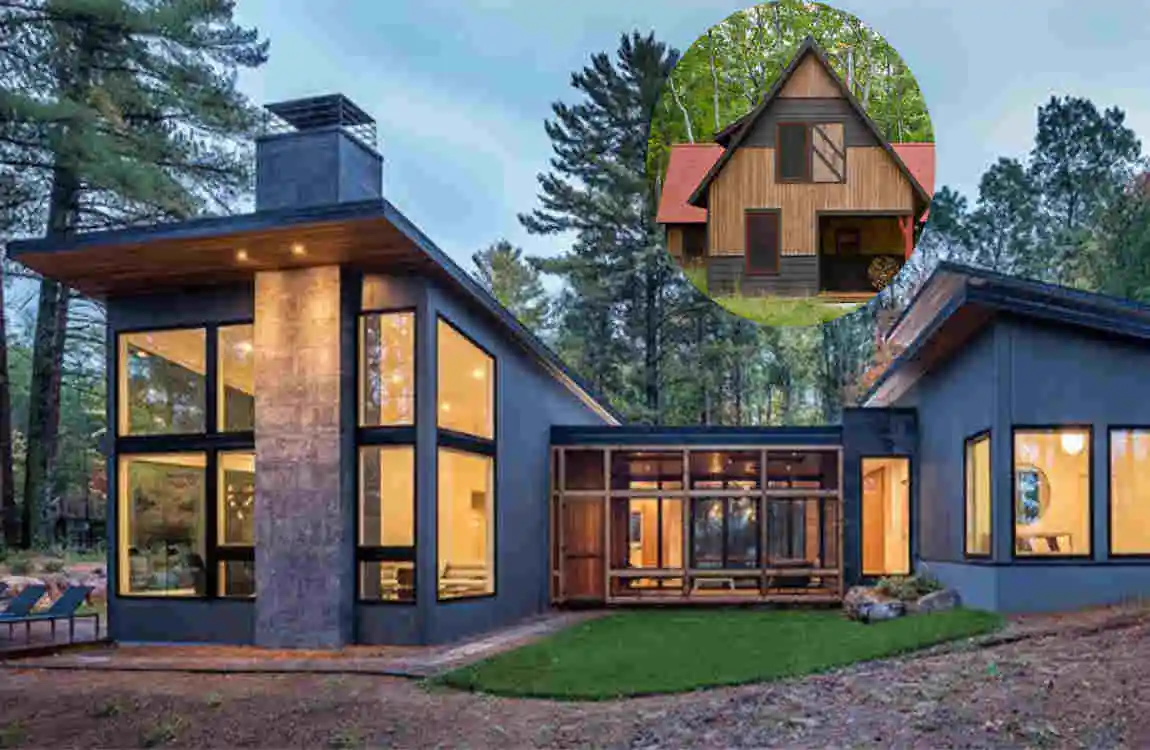
If you want your project to be a massive success, keep these simple tips in mind:
- Blend architecture with nature: Match your exterior colors and materials to the surrounding trees and rocks.
- Use sustainable materials: Choose reclaimed wood, recycled steel, and locally sourced stone whenever possible.
- Maximize natural light: Use skylights and large windows to brighten up the shady forest environment.
- Invest in energy-efficient systems: Good insulation and smart HVAC systems will save you thousands of dollars over the years.
- Design for future expansion: Leave room on your property (and in your floor plan) in case you want to add a guest house or a pool later.
Mistakes to Avoid
To save yourself time, money, and stress, be sure to dodge these common pitfalls:
- Ignoring site drainage: If water pools around your foundation, it will eventually destroy your home. Always slope the ground away from the house.
- Choosing unsuitable materials: Avoid materials that rot easily or require constant painting. Stick to durable stone, treated timber, and metal.
- Overlooking insulation: Forests get chilly. Skimping on insulation will lead to freezing winters and massive heating bills.
- Building without a long-term maintenance plan: Know exactly how you will clean your high windows and clear your gutters before you build.
- Sacrificing functionality for appearance: A house can look like a beautiful castle, but if the layout makes no sense, you will hate living in it. Comfort must come first.
Frequently Asked Questions (FAQs)
What are modern castle homes?
Modern castle homes combine castle-inspired architecture with contemporary design, smart technology, and luxury features.
Are modern homes in the woods energy efficient?
Yes. They often include high-performance insulation, solar panels, energy-efficient windows, and smart climate control systems.
What materials are best for woodland homes?
Natural stone, timber, steel, concrete, and large energy-efficient glass panels are popular choices.
How much does it cost to build a modern castle home?
Costs vary depending on location, size, materials, and custom features, but they are generally more expensive than standard homes.
Is a wooded location suitable for a luxury home?
Yes. Wooded locations provide privacy, scenic views, and a peaceful environment, making them ideal for luxury homes.
What smart features should a modern woodland home include?
Smart security, automated lighting, climate control, solar energy systems, rainwater harvesting, and home automation are excellent additions.
| Feature | Details |
|---|---|
| Home Style | Modern woodland home with minimalist architecture |
| Best Location | Forests, mountains, lakesides, and secluded rural areas |
| Exterior Materials | Wood, stone, concrete, steel, and large glass panels |
| Architectural Design | Clean lines, open floor plans, flat or low-pitched roofs |
| Common Size | 1,200–4,500+ sq. ft. |
| Key Features | Floor-to-ceiling windows, outdoor decks, natural lighting, open living spaces |
| Interior Style | Neutral colors, natural wood finishes, stone accents, modern furnishings |
| Smart Home Ideas | Smart lighting, automated climate control, security cameras, voice-controlled devices |
| Energy Efficiency | Solar panels, energy-efficient windows, LED lighting, high-performance insulation |
| Landscaping | Native plants, gravel pathways, sustainable gardens, preserved trees |
| Privacy | High, thanks to surrounding woodland and thoughtful home placement |
| Estimated Cost | Approximately $250–$600+ per sq. ft., depending on location and materials |
| Advantages | Peaceful setting, scenic views, eco-friendly living, strong indoor-outdoor connection |
| Potential Challenges | Wildlife, maintenance, road access, and wildfire prevention in some regions |
| Best For | Families, retirees, vacation homes, remote workers, and nature lovers |
