
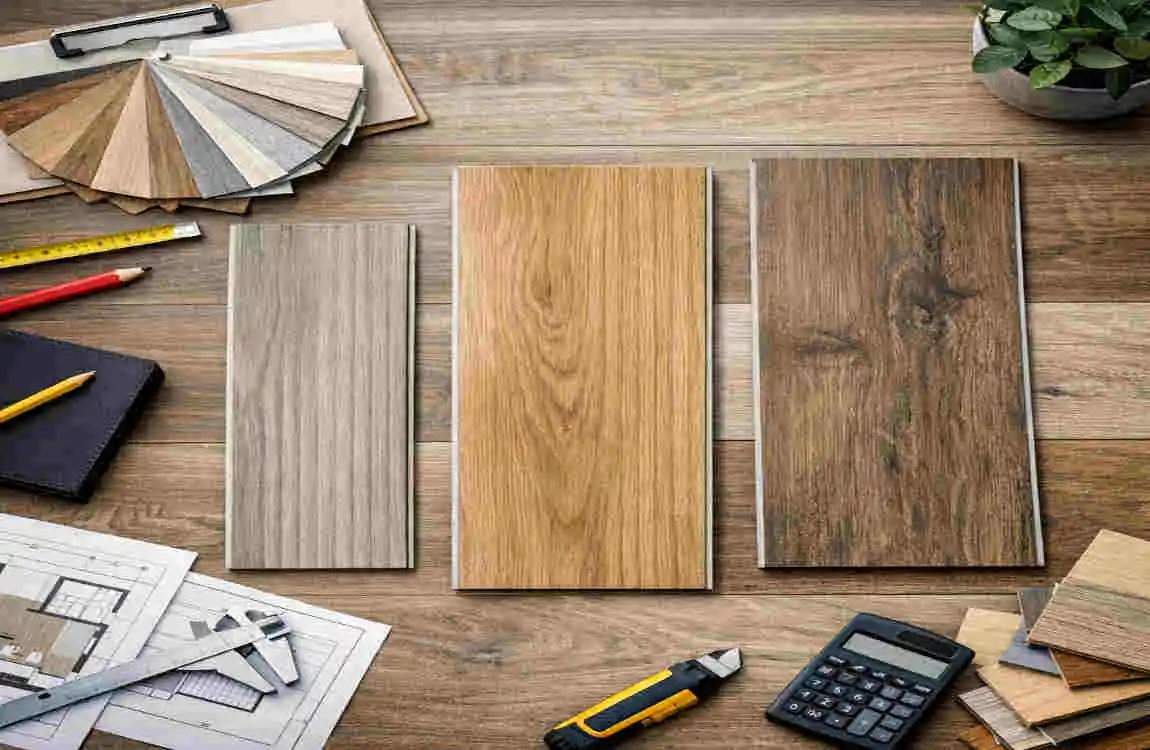
Vinyl plank flooring has become one of the most popular choices for modern homes. It looks stylish, feels comfortable, and works well in many rooms. Homeowners like it because it looks like wood without the same level of care or cost.
But when you are choosing flooring, size matters more than many people realise. The width, length, and thickness of each plank can change how a room looks and feels. The right size can make a small room seem larger. It can also help a big room feel balanced and elegant.
Understanding Vinyl Plank Flooring Sizes
What Are Standard Vinyl Plank Flooring Dimensions?
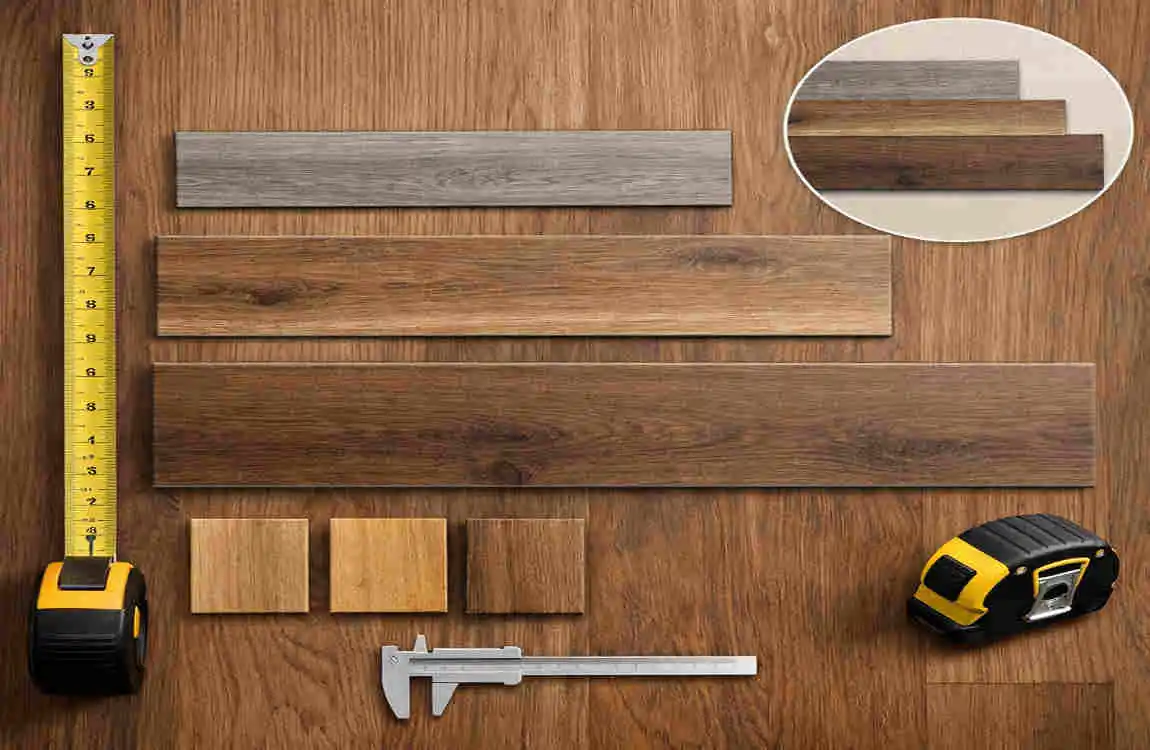
Vinyl planks come in many sizes, but most fall into a few common groups. The main measurements you should look at are width, length, and thickness.
Here is a simple breakdown:
Vinyl Plank Type Common Size Range Best For
Narrow Planks 3–6 inches wide Small rooms, traditional looks
Medium Planks 6–8 inches wide Most homes
Wide Planks 8–12 inches wide Modern and luxury interiors
Long Planks 48–72 inches long Large rooms and open spaces
Why Plank Size Affects the Final Look
Plank size affects how your floor looks visually. Narrow planks create more seams, making the floor look busier. Wide planks create a cleaner and more open look because there are fewer lines across the surface.
Length also matters. Long planks often look more like real hardwood, which makes the room feel smoother and more natural. Thickness affects comfort, sound, and durability.
What Size Vinyl Plank Flooring Is Best for Different Rooms?
Best Vinyl Plank Size for Small Rooms
Small rooms need flooring that does not feel too heavy or crowded. In spaces like bathrooms, small bedrooms, and laundry rooms, medium-width planks usually work best.
A plank that is too wide can sometimes make a small room look awkward. On the other hand, very narrow planks can create too many seams. Medium planks strike a good balance.
A few helpful ideas for small rooms:
- Choose lighter colours to make the room feel brighter
- Use medium-width planks for a balanced look
- Keep the layout simple and clean
If you want the room to feel larger, long planks can help by drawing the eye across the floor.
Best Vinyl Plank Size for Large Rooms
Large rooms need flooring that matches the scale of the space. Wide, long planks work very well here because they create a smooth, luxurious feel.
In a big living room or large family area, small planks may look too busy. They can break the floor into too many sections. Wide planks around 7–9 inches, with lengths of 48 inches or more, usually work well.
This size gives the room a more open and polished appearance. It also reduces the number of visible seams, which helps the floor look more premium.
Best Vinyl Plank Size for Open Floor Plans
Open floor plans need a strong sense of flow. Since several spaces connect visually, the flooring should feel consistent from one area to another.
For this kind of layout, it is usually best to use the same plank size throughout the space. That helps the home feel calm and connected. Many homeowners choose medium- to wide-plank flooring because it works well in living rooms, dining spaces, and kitchens.
If you want a modern look, longer planks are often a smart choice. They help guide the eye naturally across the full space.
Factors to Consider When Choosing Vinyl Plank Flooring Size
Room Size and Layout
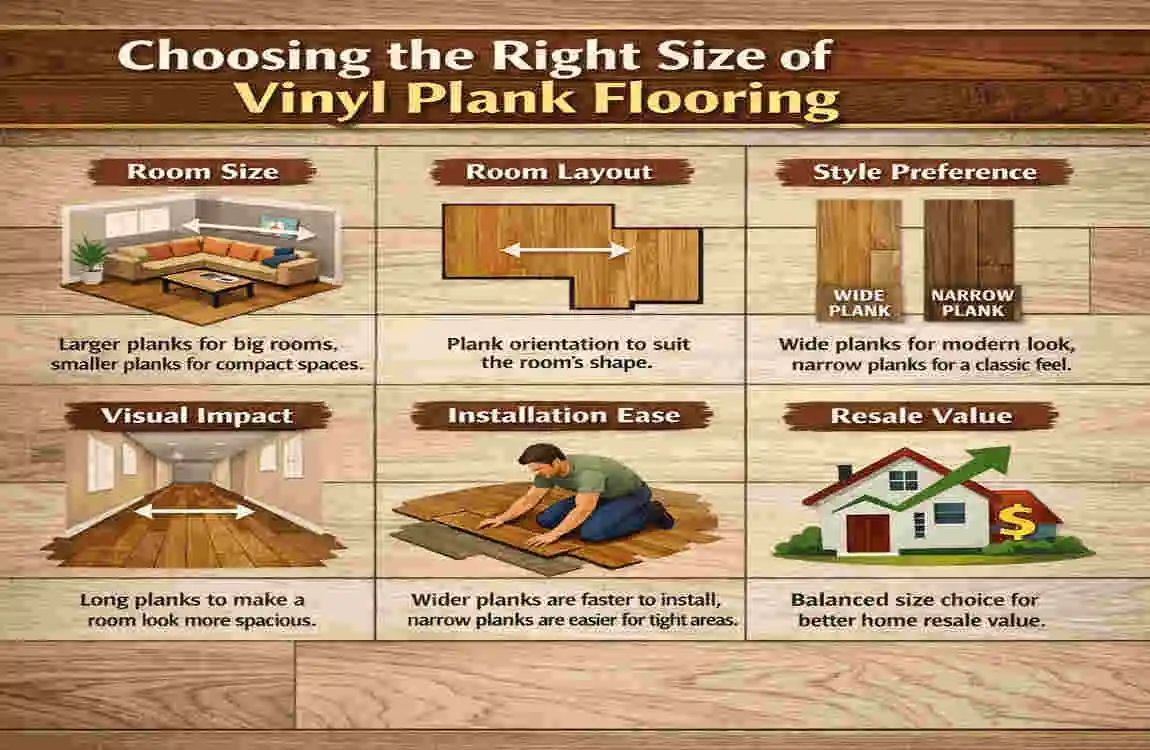
Your room size should guide your choice first. Large rooms can handle larger planks without feeling crowded. Smaller rooms usually look better with medium-sized planks.
But room shape matters too. Narrow hallways, L-shaped rooms, and uneven layouts may need more planning. You want the floor to support the shape of the room, not fight against it.
Also think about furniture placement and walking paths. A good floor size should feel balanced in the full room, not just in one corner.
Interior Design Style
Your home style also plays a big role in plank choice.
Modern Homes
Modern homes often look best with wide, long planks and fewer seams. These floors feel clean and simple.
Farmhouse Style
Farmhouse spaces usually pair well with natural wood-look wide planks. They create a warm and welcoming feel.
Traditional Homes
Traditional interiors often look better with medium-width planks. They give a classic appearance without feeling too bold.
Installation Method
How the floor is installed can also affect your choice.
Click-lock vinyl planks are often easier for DIY projects. They usually come in sizes that are simple to handle.
Glue-down vinyl planks are often used for more permanent installations. These can work well in larger rooms, but the installation process may take more planning.
Bigger planks may look beautiful, but they can be harder to move, cut, and place in small or uneven spaces.
Budget and Material Waste
Floor size can affect cost in two ways. First, larger planks may reduce the number of seams, which looks nice. But they can also create more cutting waste if your room has corners or unusual shapes.
Smaller planks may use material more efficiently in some rooms, but they often require more pieces and more labour. The best choice is the one that gives you the look you want without wasting too much flooring.
Vinyl Plank Width Comparison: Narrow vs Wide Planks
FeatureNarrow PlanksWide Planks
Appearance Classic look Modern luxury look
Installation Easier handling Faster coverage
Best Room Size Small spaces Large spaces
Seams More visible Fewer seams
Style Traditional Contemporary
Narrow Plank Advantages
Narrow planks can feel familiar and classic. They may work well in smaller rooms or in homes with a more traditional style.
They are also easier to carry and cut, which can help with installation.
Wide Plank Advantages
Wide planks create a more open and high-end look. They are very popular in modern homes because they reduce visual clutter.
If you want your floor to feel luxurious and smooth, wide planks are often the better choice.
How Long Should Vinyl Planks Be?
Standard Vinyl Plank Lengths
Vinyl planks usually come in a few common lengths:
- 36-inch planks
- 48-inch planks
- 60-inch planks
- 72-inch planks
How Length Changes the Look
Longer planks create better visual flow. They make the floor feel more continuous and can help a room look larger. They also give a more realistic wood-floor appearance.
Shorter planks can work well in tight spaces or simple layouts, but they may make the floor feel more segmented.
If you want a natural and premium result, longer planks are often a strong choice.
Does Vinyl Plank Thickness Matter?
Yes, thickness matters a lot. It affects how the floor feels, how long it lasts, and how well it handles daily use.
Wear Layer Thickness
The wear layer is the top protective surface. It helps protect against scratches, scuffs, and everyday damage.
This is especially important in high-traffic areas like kitchens, living rooms, and hallways.
Overall Flooring Thickness
The full thickness affects comfort underfoot, sound control, and durability. Thicker flooring usually feels stronger and more stable.
Location Recommended Thickness
Low Traffic Areas 4–6 mm
Family Homes 6–8 mm
Commercial Areas 8+ mm
If you want flooring for a busy home, 6–8 mm is often a good residential choice.
Popular Vinyl Plank Flooring Sizes in 2026
In 2026, homeowners are leaning toward flooring that feels natural, open, and easy to maintain. Some of the most popular trends include:
- Extra-wide luxury vinyl planks
- Longer wood-look planks
- Natural oak-inspired styles
- Large-format flooring for open spaces
- Waterproof vinyl plank options
These choices are popular because they combine beauty with everyday comfort. They also work well in homes that want a cleaner, more modern style.
Common Mistakes When Choosing Vinyl Plank Size
Choosing Planks Too Large for Small Rooms
This is one of the most common mistakes. Very large planks can sometimes overpower a small room, making it feel less balanced.
In compact spaces, a medium size usually works better.
Ignoring Room Shape
A room may be large, but if it is narrow or oddly shaped, the wrong plank size can make it look awkward. Always think about the full layout before buying.
Matching Size Without Considering Colour
Size and colour work together. Dark flooring with large planks can make a room feel heavier. Light flooring with long planks can make it feel brighter and more open.
Do not choose size alone. Always look at the full design.
Expert Tips for Choosing the Best Vinyl Plank Size
Here are a few simple tips to help you choose well:
- Measure your room carefully before you buy.
- Order samples to see how the planks look at home.
- Think about natural light because it changes the floor’s appearance.
- Match the floor to your home style for a smoother look.
- Buy extra material for repairs or future changes.
These steps can save time, money, and stress later.
Step-by-Step Guide to Selecting Vinyl Plank Size
Measure Your Room
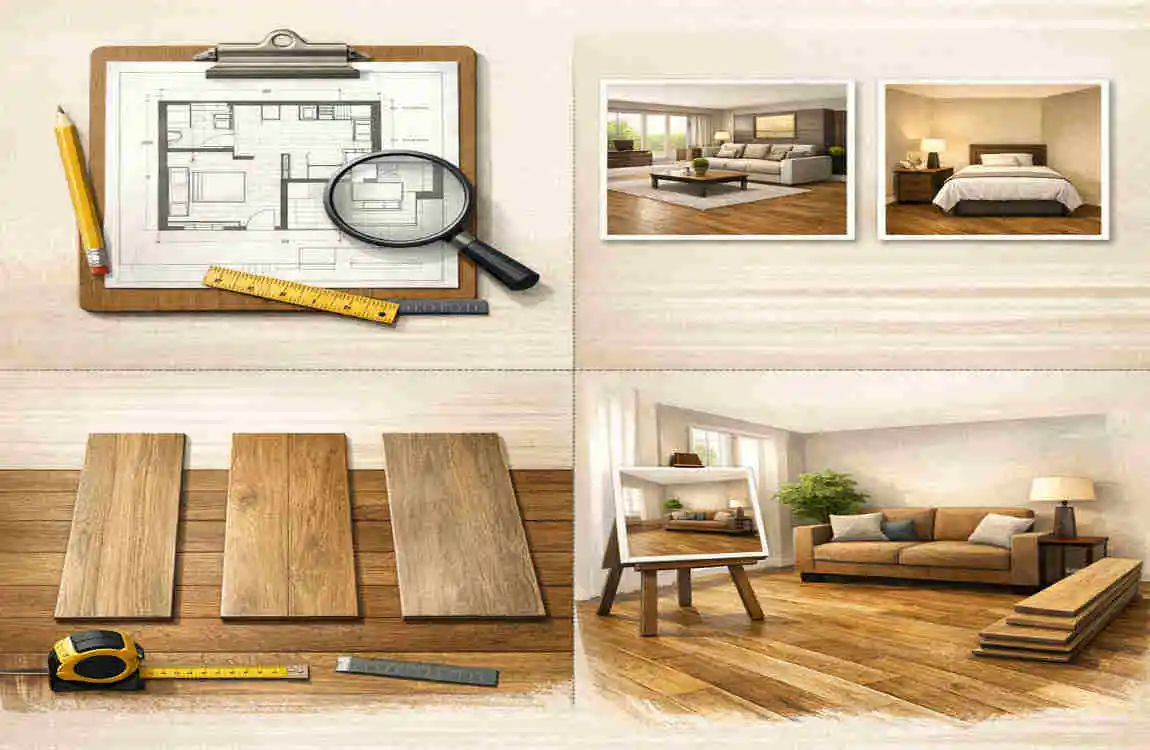
Start with the room’s square footage. Also note corners, hallways, and unusual shapes.
Decide Your Design Goal
Ask yourself what you want the room to feel like.
- Bigger and brighter?
- Warm and cosy?
- Clean and modern?
- Luxury and open?
Your goal will help guide your choice of size.
Compare Different Plank Sizes
Look at width, length, and thickness together. Do not focus on a single measurement.
Choose Quality Over Appearance Alone
A pretty floor is not enough. Make sure the planks are durable, backed by a good warranty, and suitable for your lifestyle.
FAQ
What size vinyl plank flooring is best for most homes?
For most homes, 6–8 inches wide and 48–60 inches long is a very popular and practical choice.
Are wider vinyl planks better?
Yes, wider planks can create a more modern and spacious look, especially in large rooms.
What vinyl plank size makes a room look bigger?
Longer, wider planks in lighter colours often make a room appear larger.
Are small vinyl planks easier to install?
Yes, smaller planks are usually easier to handle and cut, which can help in DIY projects.
What thickness of vinyl plank flooring is best?
For most homes, 6–8 mm is a strong and comfortable choice.
Should vinyl plank flooring run the same direction throughout the house?
In many homes, yes. Running planks in the same direction can create a smooth and connected look.
| Vinyl Plank Size | Best For | Benefits |
|---|---|---|
| 6–7 inches wide, 36–48 inches long | Small rooms, bedrooms, bathrooms | Creates a balanced look and is easy to install |
| 7–9 inches wide, 48–60 inches long | Living rooms, kitchens, open spaces | Most popular size with a modern wood-floor appearance |
| 9–12 inches wide, 60+ inches long | Large rooms and luxury interiors | Makes spaces feel bigger and more elegant |
| Extra-wide planks (10–12 inches) | Modern homes, open floor plans | Fewer seams and a high-end design style |
| Short planks (36–42 inches) | Small areas and DIY projects | Easier handling and less cutting waste |
