Close Menu

    Subscribe to Updates

    Get the latest creative news from FooBar about art, design and business.

    What's Hot

    New Construction House+ Pool: How to Plan, Budget, and Get Permits for Your Dream Backyard

    February 14, 2026

    Clinton Portis’ Lavish Florida House: Inside the NFL Star’s $4M Waterfront Estate

    February 13, 2026

    Inside Prince Harry’s $15M Montecito House: Luxe Features, Gardens & Updates

    February 13, 2026
    Facebook X (Twitter) Instagram
    Facebook X (Twitter) Instagram
    Crazzy Homes
    Button
    • HOME
    • HOME IMPROVEMENT
      • HOME DECOR
      • ARCHITECTURE
      • FURNITURE
      • FLOORING
      • CLEANING
      • INTERIOR
        • BEDROOM
        • BATHROOM
        • DOORS
        • WINDOW
      • EXTERIOR
        • GARDENING
    • CELEBRITY HOME

      Clinton Portis’ Lavish Florida House: Inside the NFL Star’s $4M Waterfront Estate

      February 13, 2026

      Inside Prince Harry’s $15M Montecito House: Luxe Features, Gardens & Updates

      February 13, 2026

      Joe Johnson House Explained: Architecture, Aesthetic, and Where to Find It

      February 12, 2026

      Annie Potts’ Luxurious Sherman Oaks House: Inside the Ghostbusters Star’s Elegant Home

      February 11, 2026

      Inside Dan Katz House: Design, Market Impact, and Investment Potential

      February 11, 2026
    • Real Estate
    • PLUMBING
    • KITCHEN
      • APPLIANCES
    • LIFE STYLE
    Crazzy Homes
    Home ยป New Construction House+ Pool: How to Plan, Budget, and Get Permits for Your Dream Backyard
    CONSTRUCTION

    New Construction House+ Pool: How to Plan, Budget, and Get Permits for Your Dream Backyard

    Stella VictoriaBy Stella VictoriaFebruary 14, 2026No Comments12 Mins Read
    Facebook Twitter Pinterest LinkedIn Tumblr Email
    can you add a pool to a new construction home
    Share
    Facebook Twitter LinkedIn Pinterest Email

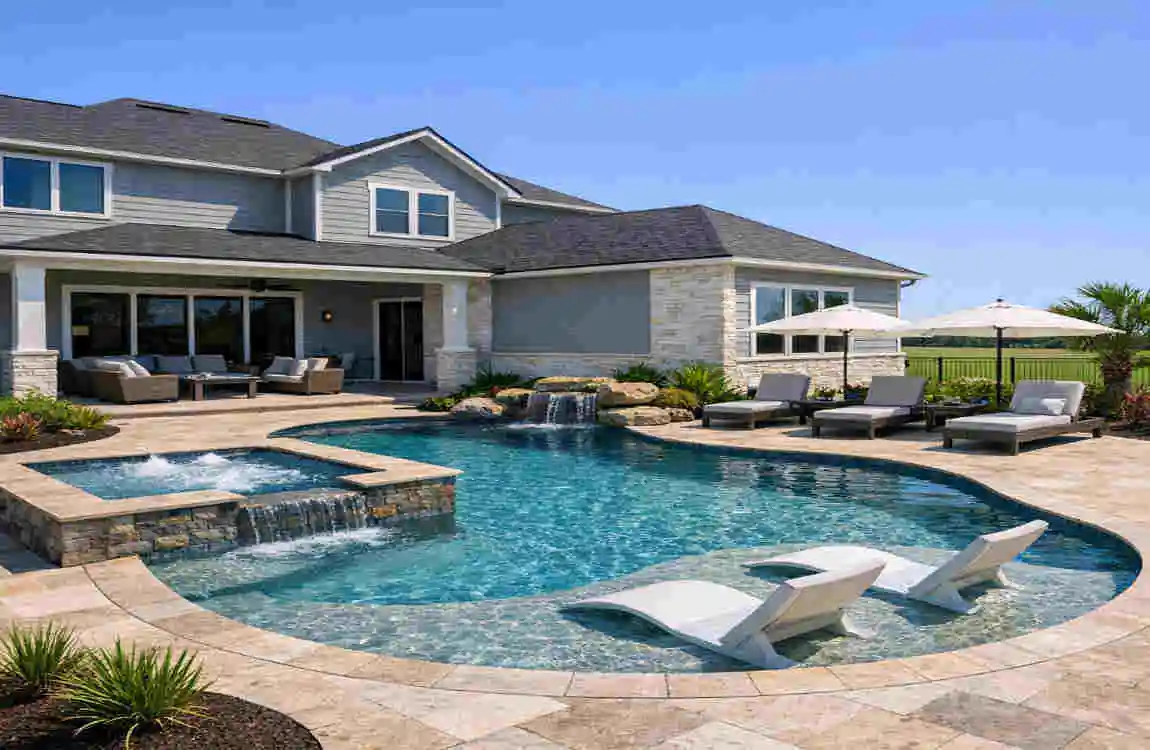
    Imagine this scenario: You’ve just closed on the land for your dream home. You can already picture the open-concept kitchen, the main suite, and the way the morning light will hit the living room. But then, you look out the back. Right now, it’s just a patch of dirt or grass. But in your mind’s eye, you see sparkling blue water, the sound of a gentle waterfall, and your family laughing during a summer barbecue.

    The question immediately pops into your head. You start worrying about the logistics. Is it too much to take on all at once? Will the builders get in each other’s way?ย Can you add a pool to a new construction homeย without losing your mind?

    Can you add a pool to a new construction home? The answer is yesโ€”but with careful planning. In fact, building the pool at the same time as the house is often the smartest option. It allows for seamless integration of indoor and outdoor living, often saves on excavation costs, and prevents your brand-new lawn from being torn up a year later.

    Table of Contents

    Toggle
    • Why Build a Pool During New Construction?
      • Streamlined Integration
      • Cost Efficiency
      • Access and Landscaping
      • A Real-World Example
    • Early Planning and Design
      • Aligning Home and Pool Design
      • Site Assessment
      • Pool Types and Features to Consider
      • Material and Finishes
      • Integration with Landscape and Outdoor Living
    • Permits and Legal Considerations
      • Understanding Local Requirements
      • HOA Considerations
      • Permit Timeline and Coordination
      • Compliance and Safety
      • Working with Professionals
    • Budgeting for a New Construction Pool
      • Cost Breakdown Table
      • Hidden and Contingency Costs
      • Financing and Cash Flow
      • Value Considerations
      • Cost-Saving Strategies
    • Designing for Longevity and Maintenance
      • Equipment and Efficiency
      • Maintenance plan
      • Longevity Considerations
      • Safety and Accessibility
    • Construction Timeline and Milestones
    • Real-Life Scenarios and FAQs
      • Scenario A: The Tight Urban Lot
      • Scenario B: The Sloped Backyard
      • Scenario C: Strict HOA Restrictions
      • Frequently Asked Questions

    Why Build a Pool During New Construction?

    Before we dive into the “how,” let’s talk about the “why.” Many hom

    can you add a pool to a new construction homeebuyers debate whether they should build the pool now or wait a few years to replenish their savings. While waiting is a valid financial strategy, there are significant advantages to doing it all at once.

    Streamlined Integration

    When you design the home and the pool together, they don’t look like two separate thoughts. Theย home’s architectureย can flow naturally into the pool deck. You can align the back doors perfectly with the pool’s focal point, ensuring a breathtaking view from your living room.

    Cost Efficiency

    Believe it or not,ย building a pool during new constructionย can be cheaper. Why? Because the heavy machinery is already there. You might be able to use the same excavators for the basement and the pool. Additionally, electricians and plumbers are already on-site, which can make running lines to the pool equipment pad much easier and less expensive than bringing them back later.

    Access and Landscaping

    If you wait to build a pool, you risk ruining your finished landscaping. Heavy trucks need access to the backyard to dig the hole. If you build the pool later, you might have to tear down fences, rip up sod, or even move air conditioning units to get the equipment in. Doing it during new construction means the “messy work” happens while the site is already a construction zone.

    A Real-World Example

    Let’s talk about “The Millers.” They decided to wait until two years after their house was finished to build their pool. When the time came, they realized their side yard was too narrow for standard excavation equipment. They had to pay a Premium for smaller machinery and hand-digging, and they had to replace their entire irrigation system, which was destroyed during the process. Had they asked, “Can you add a pool to a new construction home?” at the start, they would have saved roughly $15,000 and months of headache.

    Early Planning and Design

    This is the fun part, but it’s also the most critical. You aren’t just buying a fiberglass shell; you are engineering a lifestyle.

    Aligning Home and Pool Design

    Your pool should be an extension of your home’s architecture. If you are building a sleek, modern farmhouse, a kidney-shaped lagoon pool might look out of place. You want to match theย pool’s shape, depth, and featuresย to the house’s style.

    • Modern Homes:ย Look for clean lines, geometric shapes (rectangles), and zero-edge features.
    • Traditional Homes:ย unexpected curves, classic brick coping, and Roman ends work well.
    • Visibility:ย Think about what you see from inside. The kitchen and living room windows should frame the pool. This allows you to keep an eye on the kids while cooking and visually brings the calming water element inside.

    Site Assessment

    Before you fall in love with a design, you need to know what the land allows. You need to conduct a thoroughย site assessment.

    • Setbacks and Easements:ย Every property has invisible lines where you cannot build. Utility easements or city setbacks can dictate exactly where the pool can sit.
    • Slopes:ย A flat yard is easy, but a sloped yard offers the chance for an infinity edge (negative edge) pool, though it requires expensive retaining walls.
    • Sun Exposure:ย You generally want the pool in the sunniest part of the yard to keep the water warm, but you might want the patio area in the shade.
    • Drainage:ย This is huge. New construction alters the natural flow of water. You must ensure thatย stormwater managementย diverts rainwater away from both the house and the pool to prevent flooding.

    Pool Types and Features to Consider

    • In-ground Systems:ย Concrete (Gunite/Shotcrete) is the most customizable and durable, but takes the longest. Fiberglass is faster to install but limited in shapes. Vinyl liners are budget-friendly, but they need to be replaced every 7-10 years.
    • Sanitization:ย Saltwater systems are gentler on the skin and eyes compared to traditional chlorine, though the initial equipment cost is higher.
    • Smart Features:ย If you are building a smart home, build a smart pool. You can installย automated coversย for safety and systems that let you control ย LED lighting, temperature, and waterfalls from your smartphone.

    Material and Finishes

    To get that cohesive look, materials matter.

    • Coping:ย This is the edge material around the pool. Using the same stone here as you use on your home’s facade ties the project together.
    • Decking:ย Options range from stamped concrete (economical) to pavers (durable and resistant to cracking) to natural wood or composite.
    • Interior Finish:ย White plaster gives a classic light blue watercolor. Darker quartz or pebble finishes give the water a deep, lagoon-like teal or navy hue and often hide debris better.

    Integration with Landscape and Outdoor Living

    A pool alone is just a swimming hole. The area around it makes it an oasis.

    • Outdoor Kitchen:ย If you are running gas lines for the house, run one to the back patio for a future grill or full kitchen.
    • Privacy:ย Consider where you need fencing or tall hedges to block the view from neighbors.
    • Zoning:ย Create distinct zones: a dining area, a lounging area with chaises, and perhaps a fire pit zone for cooler evenings.

    Permits and Legal Considerations

    This section isn’t glamorous, but it is the backbone ofย pool permits and approvals. If you ignore this, you could face fines or be forced to drain your pool.

    Understanding Local Requirements

    Every municipality is different. You will typically need:

    • Building Permit:ย For the structure of the pool.
    • Electrical Permit:ย For pumps, lights, and heaters.
    • Plumbing Permit:ย For the gas line to the heater.
    • Zoning Permit:ย To ensure you aren’t building too close to the property line.

    HOA Considerations

    If your new construction is in a planned community, the Homeowners Association (HOA) has a say. They might restrict the location of the pool equipment, the type of fencing you can use, or even the color of the pool interior.ย Submit your plans to the Architectural Review Committee (ARC)ย as early as possible.

    Permit Timeline and Coordination

    Here is the tricky part: coordinating theย pool permits with home construction timelines. Sometimes, cities issue a “master permit” for the whole lot. Other times, you need a separate pool permit. You need to ensure the pool permit is approved before pouring the house foundation if you plan to dig concurrently. Getting approvals from inspectors can take weeks, so start this process as soon as you have your land survey.

    Compliance and Safety

    Safety codes are non-negotiable.

    • Barriers:ย Most codes require a fence at least 4-5 feet high with a self-closing, self-latching gate.
    • Alarms:ย You may need alarms on any door leading from the house to the pool area.
    • Anti-Entrapment:ย Modern pools must have compliant drain covers to prevent swimmers from getting stuck by suction.
    • Aging-in-Place:ย If this is your forever home, consider adding a handrail or a beach entry (gradual slope) rather than just ladders.

    Working with Professionals

    You will likely have a General Contractor (GC) for the house and a separate Pool Builder.ย They must talk to each other.

    • The Architect:ย Ensures the pool fits the visual design.
    • The GC controls site access and the schedule.
    • The Pool Builder:ย Handles the specifics of the vessel.
    • Civil Engineer:ย May be needed for drainage and grading plans.

    Budgeting for a New Construction Pool

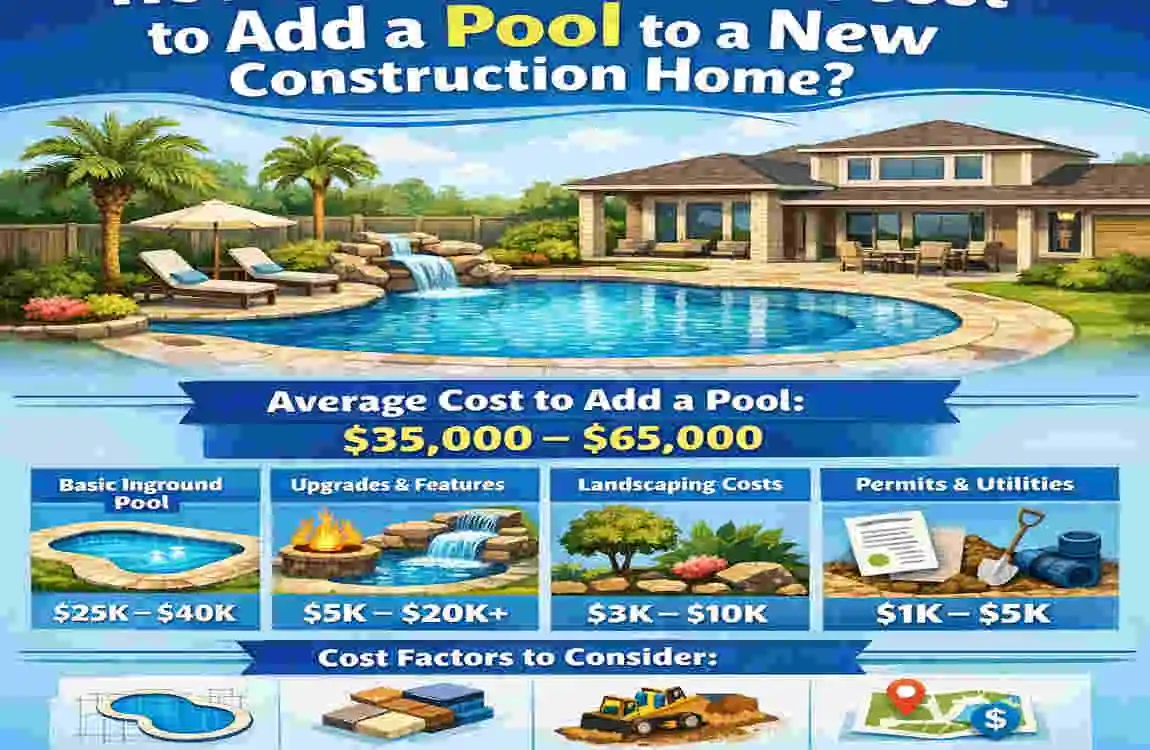
    Money is usually the biggest stressor. Adding a pool is a significant investment, often ranging from $50,000 to well over $150,000, depending on complexity.

    Cost Breakdown Table

    To give you a clearer picture, here is a breakdown of where the money goes in a typical mid-range pool project:

    Expense CategoryPercentage of BudgetIncludes

    Shell & Excavation 30-40% Digging, steel rebar, concrete/gunite, shaping.

    Equipment 10-15%: Pumps, filters, heater, cleaning systems, automation.

    Finishes 10-15% Interior plaster/pebble, tile, coping.

    Decking & Hardscape 15-20% Patio area surrounding the pool.

    Permits & Plans 5% Engineering drawings, city fees.

    Electrical/Plumbing 10% Gas runs, electric runs, hookups.

    Landscaping/Repair 5-10% Sod, irrigation repair, plants.

    Hidden and Contingency Costs

    Budgeting for an in-ground poolย requires a safety net. You should always set aside aย 10โ€“20% contingency fund.

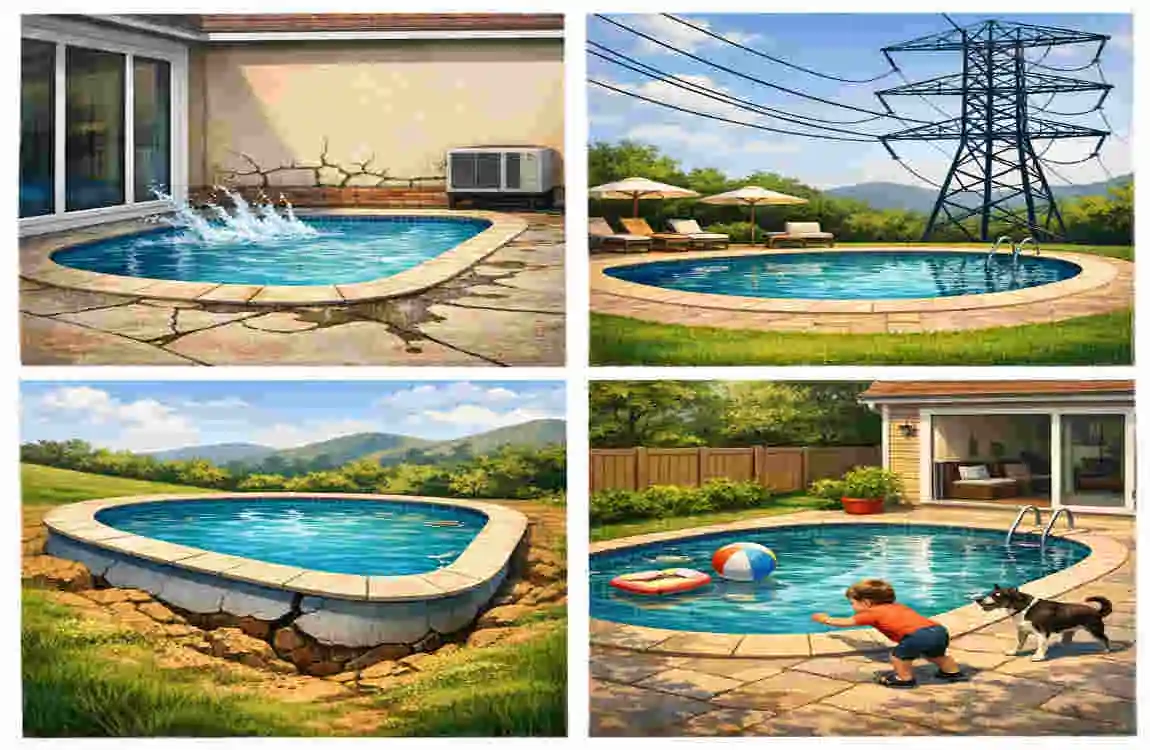
    • Soil Issues:ย Once they start digging, they might hit rock (expensive to hammer out) or water (requires dewatering pumps).
    • Utility Moves:ย You might discover a utility line that wasn’t marked correctly and needs to be moved.
    • Price Fluctuations:ย In a long build, the price of concrete or steel can rise between the quote and the construction date.

    Financing and Cash Flow

    How do you pay for it?

    • Construction-to-Permanent Loan:ย This is often the best option. You bundle the pool’s cost into the total mortgage for the new home. This allows you to finance the pool over 30 years at a low mortgage rate.
    • Home Equity Line of Credit (HELOC):ย If you build the pool later, you use equity. But for new construction, you don’t have equity yet.
    • Cash:ย If you have the liquidity, paying cash avoids interest, but make sure you don’t deplete your emergency reserves.

    Value Considerations

    Will you get your money back? In warmer climates (Florida, Texas, California), a pool is often expected and adds significant resale value. In cooler climates, the return on investment (ROI) is lower, but it increases the “marketability” of the home.ย Energy-saving features, such as solar heaters, also add value by promising lower operating costs to future buyers.

    Cost-Saving Strategies

    • Phased Design:ย You can pour the pool shell and install the plumbing now, but wait to do the expensive outdoor kitchen or high-end landscaping until next year.
    • Materials:ย Choose standard concrete decking now; you can always pave over it with stone later.
    • Size:ย A smaller “cocktail pool” or “spool” is trendy, cheaper to build, and cheaper to maintain.

    Designing for Longevity and Maintenance

    You want a pool that lasts as long as your house does. This means focusing onย pool design for new homesย that prioritizes durability.

    Equipment and Efficiency

    Don’t skimp on the pump.

    • Variable-Speed Pumps:ย These are now mandatory in many states. They run at lower speeds for filtration and ramp up only when needed (like for vacuuming), saving massive amounts of electricity.
    • Heat Pumps:ย Instead of gas heaters, electric heat pumps work like reverse air conditioners, pulling heat from the air to warm the water. They are very efficient in moderate climates.
    • Automation:ย Automated chemical dispensers keep the pH balanced, which prevents acid from eating away at your plaster or heater elements.

    Maintenance plan

    You have two choices: DIY or hire a pro.

    • Weekly:ย Skim surface, empty baskets, check chemical levels.
    • Monthly:ย Clean the filter, check equipment for leaks.
    • Seasonal:ย In colder climates, you must “winterize” the pool (blow out lines, plug them, cover the pool) to prevent freezing pipes from bursting.

    Longevity Considerations

    • Interior Finish:ย Pebble finishes last 15-20 years, whereas standard white plaster may need to be redone in 7-10 years.
    • Warranties:ย Check the warranty on the pool shell. Many reputable builders offer a lifetime structural warranty.

    Safety and Accessibility

    Pool safety for familiesย is paramount.

    • Non-slip Decking:ย Choose materials that have grip even when wet to prevent slips and falls.
    • Barriers:ย Consider a removable mesh fence (Baby Guard) that can be taken down when the kids are grown or when you are entertaining adults-only.

    Construction Timeline and Milestones

    can you add a pool to a new construction home

    Adding a pool increases the schedule’s complexity. Here is how it usually looks:

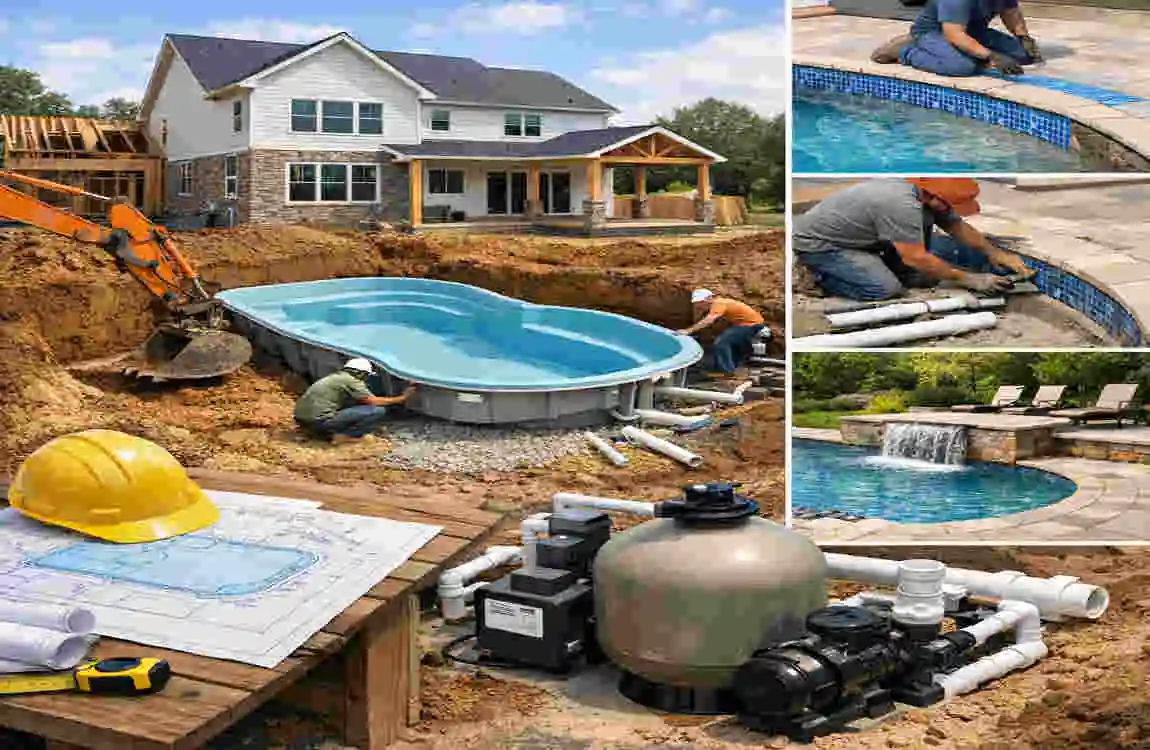
    1. Layout & Excavation:ย Happens early, often before the house framing begins or right after the foundation is poured.
    2. Rough Plumbing & Steel:ย Rebar is tied, and pipes are laid.
    3. Gunite (Concrete):ย This is a messy phase. It needs to happen when heavy trucks can still get to the backyard.
    4. Pause:ย Usually, the pool construction pauses here while the house is framed, sided, and painted. The pool sits as a concrete shell.
    5. Tile & Coping:ย Once the exterior of the house is safe from falling debris, the pool guys return.
    6. Decking:ย Poured or laid near the end of the project.
    7. Plaster & Fill:ย This is the very last step, often just days before you move in. The interior finish is applied, and the hose is turned on!

    Real-Life Scenarios and FAQs

    Scenario A: The Tight Urban Lot

    The Challenge:ย You are building in the city with a small backyard.ย The Solution:ย Go vertical or go small. A “plunge pool” takes up very little space but offers cooling. Use the pool walls as retaining walls for planters to maximize space.

    Scenario B: The Sloped Backyard

    The Challenge:ย The yard drops off significantly.ย The Solution:ย This is actually a design gift. You can build an exposed wall pool (infinity edge). The catch? It requires extensive engineering and expensive concrete forming for the exposed walls.

    Scenario C: Strict HOA Restrictions

    The Challenge:ย The HOA says no pools visible from the street, and you are on a corner lot.ย The Solution:ย You may need to use screening landscaping (Green Giant Arborvitae are great for this) or privacy walls to meet the code “in spirit” while getting approval.

    Frequently Asked Questions

    How long does it take to build a pool with new construction?ย A typical pool takes 8-12 weeks ofย actual work, but because you have to pause for house construction phases, the total elapsed time might be 6 months.

    Can a pool be heated efficiently in your climate?ย Yes. Even in snowy areas, gas heaters can quickly warm a pool, or heat pumps can maintain the temperaturethe temperature. Using aย solar blanketย (bubble cover) is the #1 way to retain heat and reduce costs.

    What are common setbacks that delay pool permits?ย Impervious surface coverage. Many towns limit how much of your lot can be covered by concrete/roof. If your house is big, you might not have enough “percentage” left for a big pool deck. You might need to use permeable pavers to get around this.

    Share. Facebook Twitter Pinterest LinkedIn Tumblr Email
    Stella Victoria

    Related Posts

    Can I Build a Mobile Home on My Land? Zoning Rules, Costs & House Permits Explained

    February 11, 2026

    Can a General Contractor Build Your Dream House? Complete

    February 6, 2026

    How Big Is a 2,000 Sq Ft House Really? Perfect Family Size, Floor Plans & Value in Today’s Market

    January 21, 2026
    Leave A Reply Cancel Reply

    Top Posts

    Blueface House costs how much?

    May 24, 2024

    New Construction House+ Pool: How to Plan, Budget, and Get Permits for Your Dream Backyard

    February 14, 2026

    Unveiling the Secret of Luke Combs House in Nashville

    June 16, 2024
    Stay In Touch
    • Facebook
    • YouTube
    • TikTok
    • WhatsApp
    • Twitter
    • Instagram
    Latest Reviews

    Stay Connected

    Fill the form below and get early updates.

    Most Popular

    Blueface House costs how much?

    May 24, 2024

    New Construction House+ Pool: How to Plan, Budget, and Get Permits for Your Dream Backyard

    February 14, 2026

    Unveiling the Secret of Luke Combs House in Nashville

    June 16, 2024
    Latest Posts

    New Construction House+ Pool: How to Plan, Budget, and Get Permits for Your Dream Backyard

    February 14, 2026

    Clinton Portis’ Lavish Florida House: Inside the NFL Star’s $4M Waterfront Estate

    February 13, 2026

    Inside Prince Harry’s $15M Montecito House: Luxe Features, Gardens & Updates

    February 13, 2026

    Did we make a mistake?

    Submit a correction suggestion and help us fix it!

    Facebook X (Twitter) Instagram Pinterest
    • About us
    • Contact us
    • Privacy Policy
    • Disclaimer
    • Terms And Conditions
    © 2026 ThemeSphere. Designed by ThemeSphere.

    Type above and press Enter to search. Press Esc to cancel.