
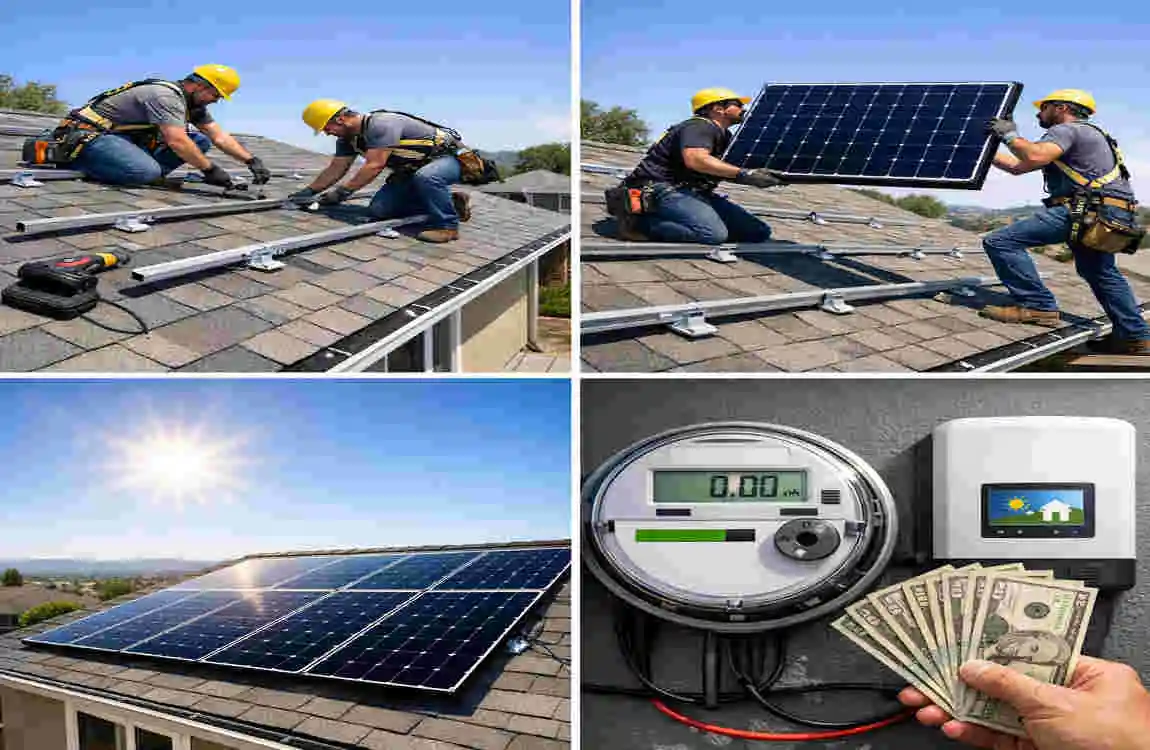
Solar energy is becoming a smart choice for many homeowners. As electricity prices keep rising, more people are looking for ways to cut monthly bills and use cleaner power. A rooftop solar system can help with both.
If you are learning how to install solar panels on a roof, the process may seem complicated at first. But when you break it into simple steps, it becomes much easier to understand. The main idea is to plan carefully, use the right tools, and make sure the system is installed safely.
Understanding Solar Panels and How They Work
What Are Solar Panels?
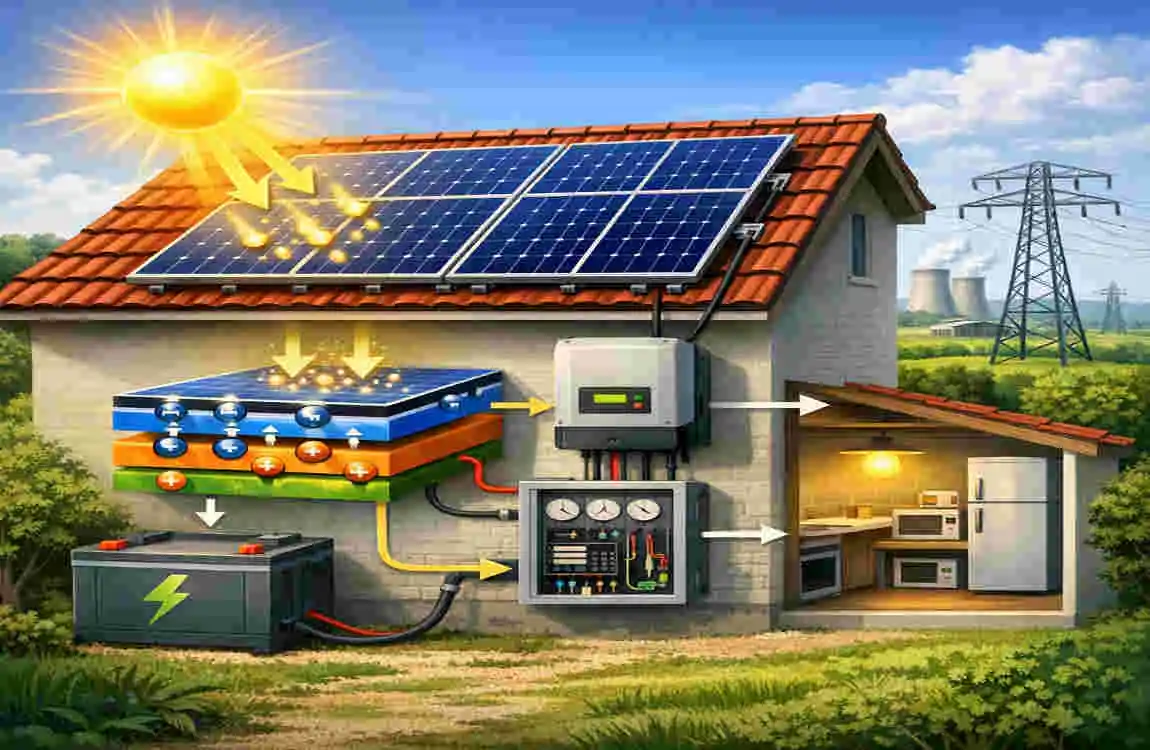
Solar panels are devices that turn sunlight into electricity. They use photovoltaic cells, often called PV cells, to capture sunlight and convert it into usable power for your home.
There are a few common types of solar panels:
- Monocrystalline panels — efficient and space-saving
- Polycrystalline panels — more affordable, but usually a little less efficient
- Thin-film panels — lightweight and flexible, but not as powerful for most homes
How Solar Panels Reduce Energy Costs
When your roof produces solar power, your home uses less electricity from the grid. That means lower utility bills.
Over time, the savings can become significant. In some areas, you may also earn credits through net metering if your system exports excess power to the utility company.
Things to Consider Before Installing Solar Panels on Roof
Check Your Roof Condition
Before anything goes on the roof, make sure the roof itself is in good shape. If the roof is old, weak, or leaking, fix it first.
Solar panels last for many years, so you do not want to remove them later to repair the roof. That can cost more time and money.
Evaluate Roof Direction and Sun Exposure
Your roof should get plenty of sunlight during the day. South-facing roofs often work well, but the best direction can depend on where you live.
Also look for shade from:
- Trees
- Nearby buildings
- Chimneys
Even small shaded areas can reduce solar performance.
Determine Your Energy Needs
Check your electricity bills to see how much power your home uses. This helps you choose the right system size.
If your household uses a lot of energy, you may need more panels. If your usage is lower, a smaller system may be enough.
Check Local Permits and Regulations
Many places require permits before solar installation begins. You may also need to follow electrical and building codes.
If you live in a neighbourhood with a homeowner association, check whether there are design rules or approval steps.
Tools and Materials Needed for Solar Panel Installation
Essential Solar Installation Materials
A solar installation usually needs:
- Solar panels
- Mounting brackets
- Roof rails
- Inverter
- Wiring and connectors
- Battery storage, if desired
- Monitoring system
Safety Equipment Required
Safety matters a lot when working on a roof and with electricity.
You should have:
- Safety harness
- Gloves
- Protective glasses
- Ladder
- Electrical safety tools
If you are not comfortable with roof work or wiring, it is better to call a professional.
Step-by-Step Guide on How to Install Solar Panels on Roof
Plan the Solar Panel Layout
Start by measuring the roof space. Look at the available area and decide where each panel should go.
Try to avoid shaded spots. The best layout is the one that gives you the most sun and the cleanest arrangement.
A good layout helps with both performance and appearance.
Install Roof Mounting System
Once the layout is ready, mark the mounting spots on the roof. These are the places where brackets will be attached.
The brackets must be secured tightly. They should also be sealed properly so water does not leak through the roof.
After that, install the rails that will hold the panels in place.
Attach Solar Panels to Rails
Carefully lift the panels onto the roof. This part should be done slowly and safely, since panels can be large and heavy.
Place each panel on the rails and secure it with clamps. Leave proper spacing so air can move around the panels and help them perform better.
Connect Solar Panel Wiring
Now connect the panels using the correct wiring setup. Panels can be wired in series or parallel, depending on the system design.
Make sure all connectors are secure and protected from weather damage. Good wiring keeps the system safe and reliable.
Install Solar Inverter
The inverter is one of the most important parts of the system. It changes the electricity from the panels into power your home can use.
Place the inverter in a safe, dry, and easy-to-access location. Then connect it to the panels according to the system design.
Connect System to Home Electrical Supply
After the inverter is ready, connect it to your home electrical panel. This step usually includes safety switches and proper grounding.
Because this part involves household electricity, it must follow safety rules very carefully.
Test the Solar System
Once everything is connected, test the system. Check the voltage, watch the energy output, and make sure all parts are working correctly.
If the system is producing power as expected, the installation is complete.
Cost of Installing Solar Panels on Roof
Average Solar Installation Costs
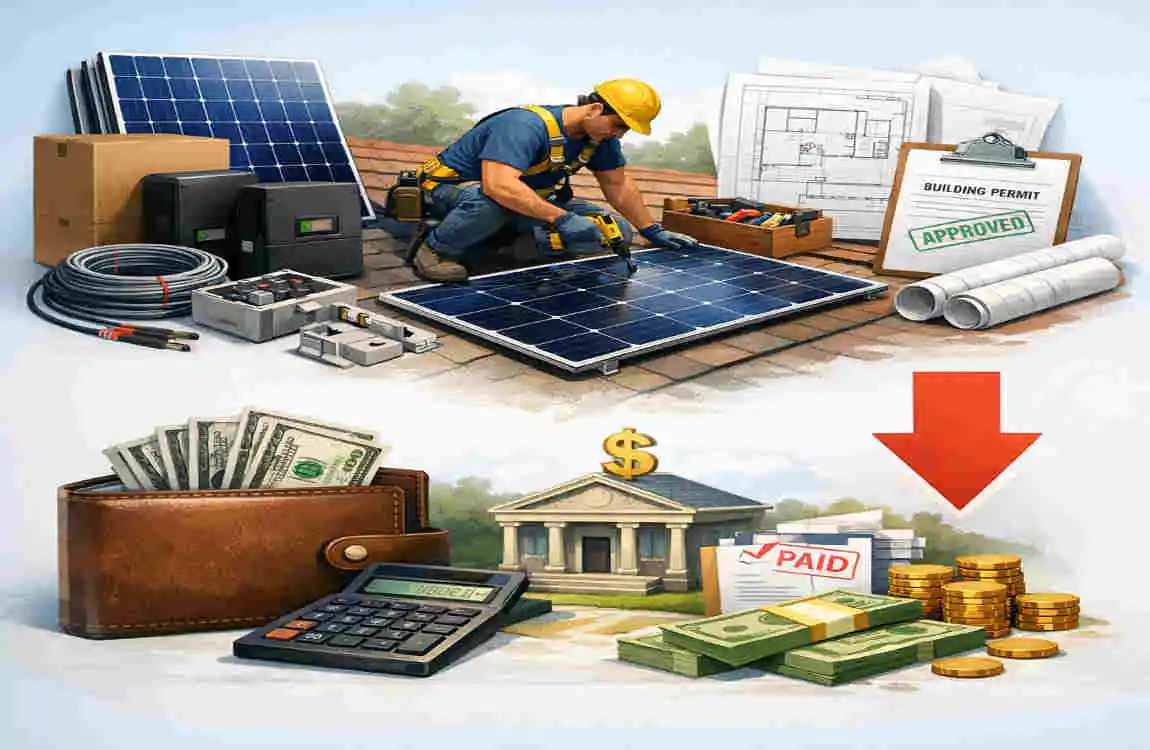
The total cost depends on several things:
- Number of panels
- Roof size
- Labor charges
- Equipment quality
- Battery storage
A bigger system usually costs more, but it can also save more money over time.
Ways to Reduce Solar Installation Costs
You may be able to lower the cost by using:
- Government incentives
- Tax credits
- Solar financing programs
- A system that matches your actual energy needs
Choosing the right size is important. A system that is too large may waste money, while one that is too small may not save enough.
Solar Panel Payback Period
The payback period is the time it takes for your energy savings to cover the installation cost. This varies based on electricity prices, solar output, and how much power your home uses.
In many cases, homeowners start seeing real financial benefits after several years.
Benefits of Installing Solar Panels on Your Roof
Lower Electricity Bills
The most obvious benefit is lower power bills. Once the panels start producing electricity, your home uses less power from the grid.
Increase Property Value
Homes with solar systems often attract more buyers. Many people see solar as a valuable energy-saving upgrade.
Environmental Benefits
Solar power is clean energy. It helps reduce greenhouse gas emissions and supports a more sustainable future.
Energy Independence
A rooftop solar system gives you more control over your electricity use. If you add battery storage, you may also have backup power during outages.
Common Mistakes to Avoid When Installing Solar Panels
Installing Panels on a Weak Roof
A weak roof can create expensive problems later. Always inspect the roof first and make repairs if needed.
Choosing the Wrong Solar System Size
If the system is too small, it may not meet your needs. If it is too large, you may overspend. Matching the system to your energy use is the best approach.
Poor Panel Placement
Shade and bad angles can reduce solar output. Careful placement is one of the most important parts of installation.
Ignoring Maintenance Needs
Solar panels need some care over time. Regular inspections help keep the system working well.
Solar Panel Maintenance Tips for Long-Term Performance
Clean Panels Regularly
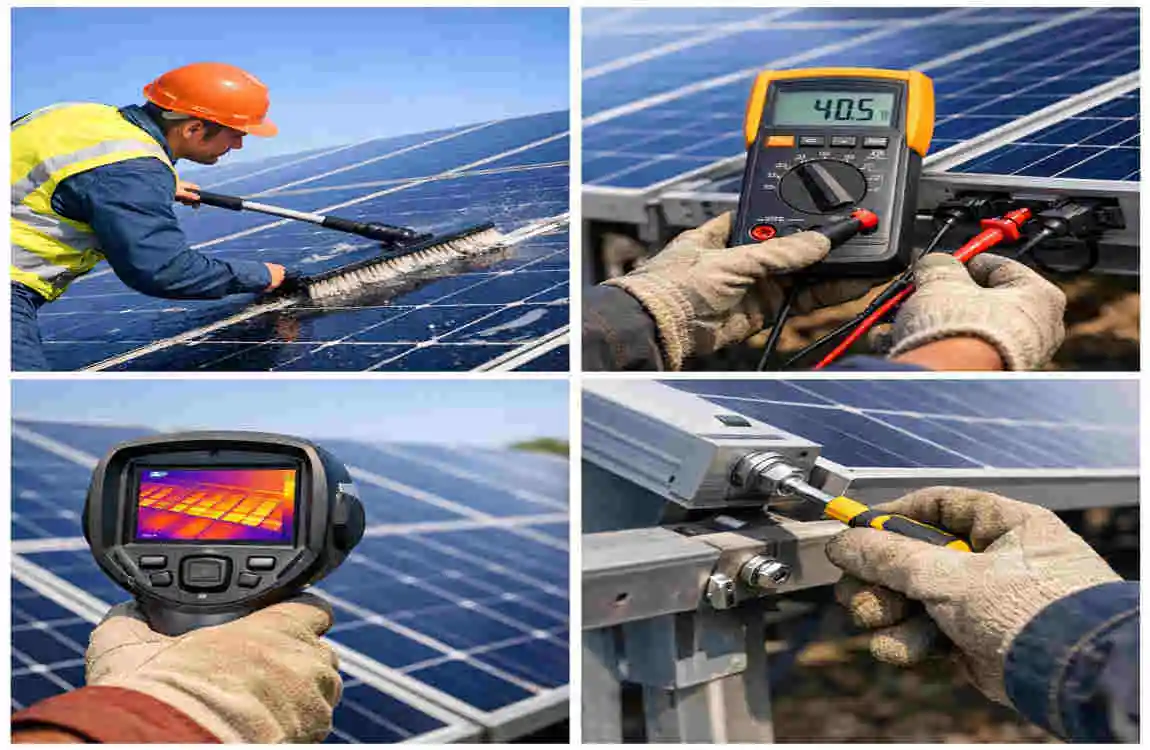
Dust, leaves, and dirt can block sunlight. A simple cleaning routine helps panels stay efficient.
Inspect Wiring and Connections
Check for loose wires, damage, or wear. Small issues can turn into bigger problems if ignored.
Monitor Energy Production
Use a monitoring system to track how much energy your panels produce. This makes it easier to spot problems early.
Schedule Professional Inspections
An annual checkup is a smart idea. A professional can find issues that you might miss.
Frequently Asked Questions
Can I install solar panels on my roof myself?
Yes, but only if you have the right skills, tools, and safety knowledge. Roof work and electrical work can be risky, so many homeowners choose a professional.
How long does it take to install solar panels on a roof?
A typical installation may take a few days, but the overall process can take longer once permits and inspections are factored in.
How many solar panels do I need for my house?
That depends on your energy use, roof size, and panel efficiency. A home that uses more electricity will need more panels.
Do solar panels damage the roof?
Not when they are installed correctly. In fact, proper installation can protect roof sections from direct sun and weather.
How much money can solar panels save on electricity bills?
Savings depend on your location, electricity rates, and system size. Many homeowners see meaningful long-term savings.
What is the lifespan of rooftop solar panels?
Most panels last for many years, often decades, with proper care and maintenance.
| Step | Installation Process | Energy Saving Benefit |
|---|---|---|
| Check Roof Condition | Inspect roof strength, age, direction, and sunlight exposure before installation. | Ensures panels work efficiently for many years. |
| Choose Solar Panels | Select high-quality solar panels based on your home energy needs and budget. | Better panels can produce more electricity and reduce bills. |
| Install Mounting System | Attach secure racks and brackets to the roof for holding solar panels. | Provides proper panel angle for maximum sunlight capture. |
| Place Solar Panels | Fix panels on the mounting system and connect them properly. | Converts sunlight into clean electricity for your home. |
| Connect Solar Inverter | Install an inverter to change solar power into usable home electricity. | Allows you to use solar energy instead of expensive grid power. |
