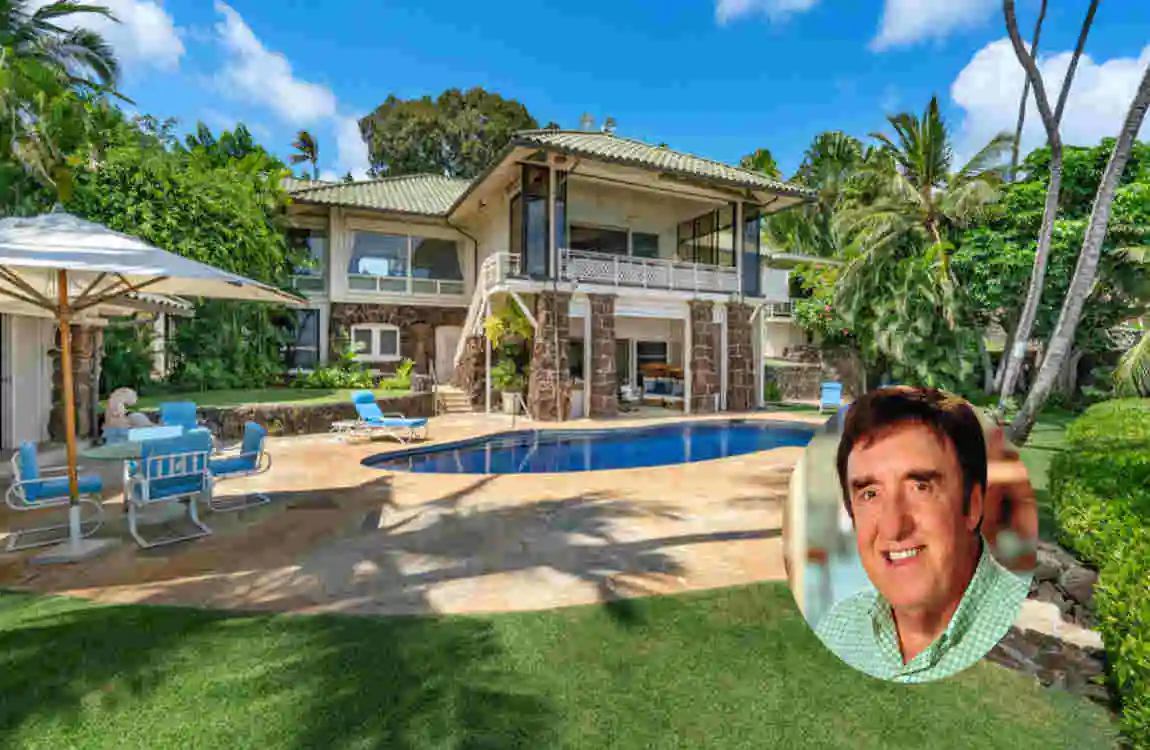
Jim Nabors became a household name thanks to his lovable turn as Gomer Pyle on The Andy Griffith Show and its spin‑off Gomer Pyle, U.S.M.C. While most fans remember his comic chops, fewer know that the actor forged a deep bond with Hawaii later in life. The islands offered the peace and natural beauty he craved after decades in the spotlight, turning his residence into a point of interest for anyone who follows celebrity‑home trends.
| Personal Information | Details |
|---|---|
| Full Name | James Thurston Nabors |
| Known As | Jim Nabors |
| Profession | Actor, singer, comedian |
| Best Known For | Gomer Pyle on The Andy Griffith Show and Gomer Pyle, U.S.M.C. |
| Date of Birth | June 12, 1930 |
| Birthplace | Sylacauga, Alabama, USA |
| Age at Death | 87 |
| Date of Death | November 30, 2017 |
| Place of Death | Honolulu, Hawaii, USA |
| Nationality | American |
| Education | University of Alabama |
| Spouse | Stan Cadwallader |
| Marriage Date | January 15, 2013 |
| Relationship Before Marriage | Nabors and Cadwallader had been together for approximately 38 years |
| Primary Hawaii Residence | Honolulu, Oahu, Hawaii |
| Moved to Hawaii | Nabors moved to Hawaii full-time in 1976, according to Celebrity Net Worth; other property reporting notes his later Honolulu residence from 1992 until his death. |
| Other Hawaii Property | He was associated with substantial agricultural property on Maui, including a macadamia plantation. |
| Estimated Net Worth | About $40 million according to Celebrity Net Worth; this is an estimate rather than a verified estate valuation. |
| Current Residence | None — Jim Nabors died on November 30, 2017. His Honolulu home was his residence at the time of his death. |
| Former Honolulu Home | Approximately 5,877 sq. ft., five bedrooms, six bathrooms, on roughly half an acre with about 170 feet of ocean frontage. |
| Former Home Sale Price | $12 million, sold in 2019 after being listed for about $14.9 million. |
Inside Jim Nabors House: Property Details and Design
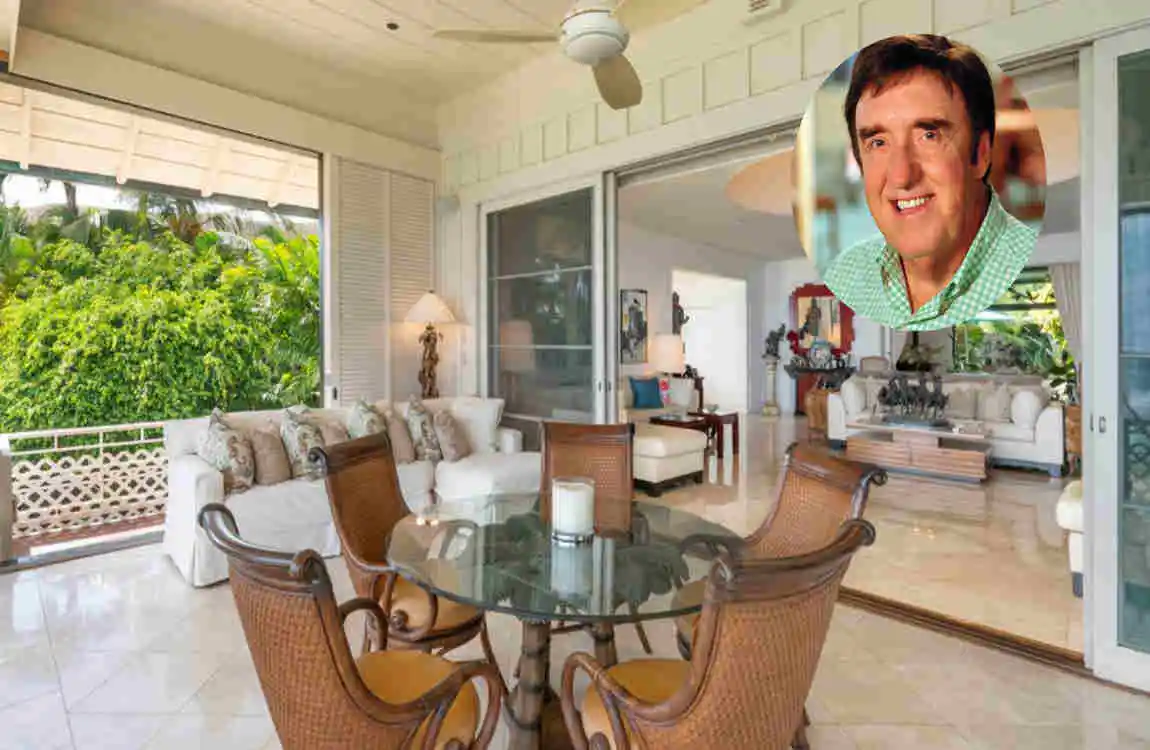
Overall Character of the Home
The residence was described as a low‑profile, island‑style retreat that blended indoor comfort with outdoor freedom. Large sliding doors opened onto a covered lanai, allowing breezes to flow through living spaces and connecting the home to its garden and surrounding foliage.
Architectural Style
Hawaiian homes often feature:
Feature Typical Use
Open floor plans Encourage airflow and casual living
Expansive windows Capture sunrise and sunset views
Covered lanai Provide sheltered outdoor living space
Natural materials (teak, bamboo) Echo the island’s environment
These elements likely guided the design of Nabors’ property, emphasizing ventilation, natural light, and seamless indoor‑outdoor transitions.
Interior Design and Décor
Rather than flash, Nabors favored comfort and functionality. Expect neutral tones, wooden accents, and furnishings that invite relaxation. Tropical motifs—such as woven rugs or seashell décor—would have complemented his love for the islands without turning the interior into a showpiece.
Outdoor Living Spaces
The property’s patio and garden were central to daily life. A modest pool, tropical planting beds, and a shaded lanai provided a perfect backdrop for his hobby of gardening, allowing him to tend to hibiscus, bird‑of‑paradise, and fruit trees.
Jim Nabors’ Love of Gardening and Hawaii’s Natural Beauty
His Passion for Plants and Agriculture
Nabors often spoke about the joy of cultivating his own garden, a pastime that flourished under Hawaii’s abundant sunshine and fertile soil. This hobby gave him a tangible connection to the land, reinforcing his choice to settle permanently on the islands.
Tropical Landscaping Around the Property
The garden likely featured classic Hawaiian flora—palm trees, flowering shrubs, and lush groundcover—arranged to create both privacy and visual appeal. Thoughtful landscaping not only enhanced the home’s aesthetic but also added value in a market where privacy landscaping is a prized feature.
A Home Designed Around Nature
The house’s design put nature front and center, allowing Nabors to step from a living room into a garden trail at any moment. This approach differs from many mainland mansions that prioritize grandiose interiors; Nabors’ retreat was built for personal enjoyment, not public display.
Jim Nabors House and His Hawaii Lifestyle
A More Private Life Away From Hollywood
After years of national fame, Nabors sought a quieter existence. Hawaii offered just that—distance from the entertainment industry and a low‑key community where he could live without constant media attention.
Everyday Island Living
His daily routine likely included early morning walks along nearby beaches, tending to his garden, and participating in local events. This lifestyle stood in stark contrast to the typical Hollywood celebrity schedule of premieres and red carpets.
Hawaii as More Than a Vacation Destination
For Nabors, the islands became a second home rather than a temporary escape. His involvement in local statehood celebrations and community gatherings highlighted a deep-rooted connection that extended beyond tourism.
What Made Jim Nabors’ Property Special?
- Privacy and Seclusion – The lot’s placement behind mature foliage offered natural screening from neighbors and passersby.
- Connection to the Outdoors – Seamless indoor‑outdoor flow encouraged daily interaction with the surrounding landscape.
- Comfort Over Excess – The home prioritized livability and personal peace over ostentatious luxury.
Jim Nabors’ Real Estate and Property History
How His Hawaii Residence Became Part of His Legacy
The house stands as a physical reminder of Nabors’ post‑Hollywood chapter, illustrating how a successful actor can reshape his identity around a beloved place. After his passing, the property entered the public imagination as part of his broader legacy in Hawaii.
Property Ownership and Changes Over Time
Public property records show that Nabors owned the Honolulu lot from the early 1990s until he died in 2017. The home underwent modest updates—such as a renovated kitchen and refreshed landscaping—but no major structural changes have been publicly documented.
What Happened to the Property After Jim Nabors?
Following his death, the house was listed for sale and subsequently changed hands. New owners may have altered the interior or exterior, but any such modifications remain private unless reported in reputable local news sources.
Jim Nabors House Value: What Was the Property Worth?
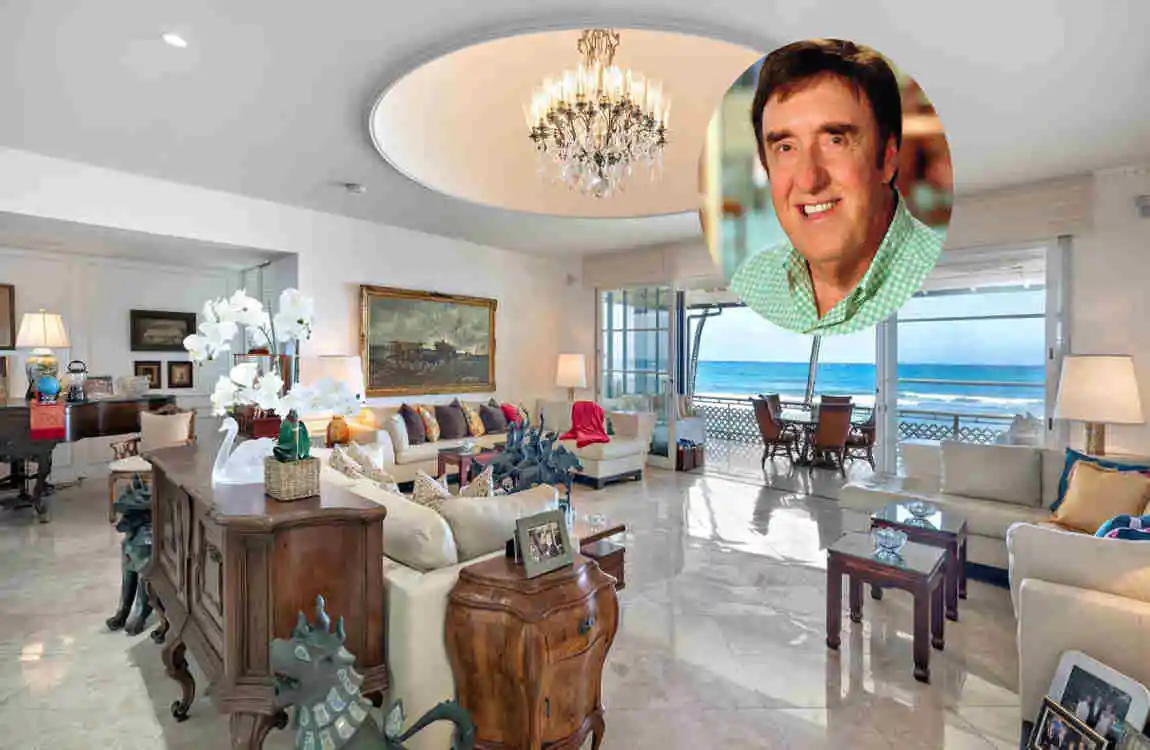
Estimating Celebrity Property Value
Valuing an older Hawaiian home involves many variables:
- Location (Honolulu, proximity to beach or mountain views)
- Land size (typically small plots in urban areas)
- Views and natural surroundings
- Renovations and overall condition
Because the market fluctuates, early‑1990s purchase prices differ markedly from today’s valuations.
Historical Versus Modern Value
| Property / House | Location | Property Size | House Specifications | Architecture & Design | Notable Features | Reported Worth / Sale Price | Address Information | History |
|---|---|---|---|---|---|---|---|---|
| Diamond Head Oceanfront Estate | Honolulu, Oahu, Hawaii | About 0.5 acre | Approx. 5,877 sq. ft.; 5 bedrooms; 6 bathrooms; 2 stories | Plantation-style Hawaiian architecture with strong indoor-outdoor living | 170 feet of ocean frontage, swimming pool, pool cabana, wet bar, guest suite, covered lanai, ocean views, tropical landscaping | Listed around $14.9 million; sold for $12 million in 2019 | Kulamanu Place, Honolulu, Hawaii; exact private address omitted | Built in 1950 and renovated in 1996. Nabors purchased it in 1992 and lived there until his death in 2017. The property was subsequently sold for $12 million in 2019. |
| Hana Maui Retreat / Macadamia Property | Hana, Maui, Hawaii | About 170 acres in the later listing; historical reporting also describes a larger landholding | Main house about 2 bedrooms; separate 2-bedroom guesthouse/ohana; approximately 5,000 sq. ft. combined interior space in the 2019 listing | Tropical/rustic Hawaiian architecture, open-plan interiors, high/beamed ceilings and strong connection to the surrounding landscape | Ocean views, fruit trees, tropical flowers, banyan trees, lawns, agricultural land, solar panels, garage, covered patio | Listed for approximately $4.5 million in 2019 | Hana, Maui, Hawaii; exact private address omitted | Nabors owned substantial agricultural land in Hana and operated a macadamia farm. A 2002 transaction transferred 341 acres, including his 200-acre macadamia farm and Maui residence, to the National Tropical Botanical Garden for $4.7 million; reporting said Nabors retained use of the home. A later 2019 listing covered about 170 acres with homes and other structures. |
| Hana Main House | Hana, Maui, Hawaii | Part of the larger agricultural estate | 2 bedrooms; built in 1979 | Tropical design with dramatic beamed ceilings, open living areas and tile floors | Ocean-view deck, open living spaces, solar panels | Included in the $4.5 million 2019 estate listing rather than separately valued | Hana, Maui, Hawaii | The main residence formed part of Nabors’ rural Maui retreat. The property was considerably more rustic than his Honolulu beachfront home and emphasized land, agriculture and privacy. |
| Hana Guesthouse / Ohana | Hana, Maui, Hawaii | Part of the approximately 170-acre estate | 2 bedrooms | More informal tropical/rustic design | Parquet flooring, freestanding fireplace and covered patio | Included in the overall $4.5 million asking price in 2019 | Hana, Maui, Hawaii | Served as additional accommodation on Nabors’ expansive Maui property. It was marketed together with the main house, garage and surrounding acreage. |
| Whitefish Summer Home | Whitefish, Montana | Not reliably established in the sources reviewed | Details not sufficiently documented | Not reliably documented | Used as a summer residence during the 1990s | Not reliably documented | Whitefish, Montana; exact address omitted | Historical biographical sources report that Nabors owned a home in Whitefish and spent some summers there during the 1990s. Detailed architectural and financial information is not sufficiently documented to provide reliable figures. |
When Nabors originally bought the property, Honolulu’s median home price was considerably lower than today’s $1 million‑plus range for comparable parcels. Appreciation, limited land availability, and increased demand for island living have driven prices upward.
What Makes Hawaiian Luxury Property Expensive?
- Scarcity of prime coastal land
- High demand for privacy and ocean views
- Construction costs heightened by import‑heavy materials
- Ongoing maintenance in a humid, salty environment
Jim Nabors’ Net Worth and Lifestyle
How Television Success Supported His Lifestyle
Nabors’ long‑running TV career generated a comfortable, steady income, enabling him to purchase and maintain a Hawaiian retreat without excess.
His Approach to Wealth
Rather than flaunting wealth, he chose a modest, nature‑focused lifestyle, reflecting the values of many island residents who prioritize quality of life over conspicuous consumption.
Jim Nabors and His Broader Connection to Hawaii
His Contribution to Hawaii Culture
Nabors became a familiar face on local television, especially during the annual statehood celebrations, where residents loved his performances.
Community and Public Life
He regularly attended community events, supported local charities, and was known for greeting neighbors with his trademark Southern charm.
The Hawaii Statehood Celebration Tradition
For decades, Nabors sang “Hawaii Plee” and shared stories that reinforced his status as an honorary islander, cementing a cultural bond that outlived his acting career.
Jim Nabors House vs. Typical Celebrity Mansions
- Privacy vs. Size – Whereas many mainland estates emphasize square footage, Nabors’ home prized seclusion in a compact setting.
- Tropical Architecture vs. Traditional Luxury – Open lanais, natural ventilation, and indoor‑outdoor flow define Hawaiian homes, in contrast to the formal, climate‑controlled mansions elsewhere.
- Lifestyle Value vs. Monetary Value – The emotional connection Nabors felt for his retreat illustrates how personal fulfillment can outweigh market price.
Frequently Asked Questions About Jim Nabors’ House
Where was Jim Nabors’ house in Hawaii?
The home was situated in a quiet residential area of Honolulu, Oahu, near tropical landscaping and occasional ocean views. Exact street details are kept private out of respect for current owners.
Did Jim Nabors live in Hawaii?
Yes. Nabors made Honolulu his long‑term residence, spending decades there until he died in 2017.
What was Jim Nabors’ house worth?
Historical records suggest the property was purchased for a modest price in the early 1990s. Modern estimates place similar Honolulu homes in the $1–$1.5 million range, though exact figures vary.
What did Jim Nabors’ Hawaii home look like?
Reports describe a modest, single‑story island‑style home with an open floor plan, large windows, a covered lanai, and tropical landscaping featuring palms and flowering shrubs.
Did Jim Nabors own property in Hawaii?
Public records confirm he owned the Honolulu lot from the early 1990s until his passing.
Why did Jim Nabors choose Hawaii?
He sought privacy, a temperate climate, natural beauty, and a relaxed lifestyle in contrast to the relentless pace of Hollywood.
When did Jim Nabors die?
Jim Nabors passed away on November 30, 2017, leaving behind a legacy that includes both his beloved TV work and his cherished Hawaiian
Where Does Jim Nabors Currently Live?
Jim Nabors does not currently live anywhere—he died on November 30, 2017, at his home in Honolulu, Hawaii, aged 87.
Jim Nabors House Photos